Fine Motor Skills Normal Alphabet Worksheets for Ages 4-9 - Page 2
55 filtered results
-
From - To

Find Uppercase Letters A, B, and C Worksheet
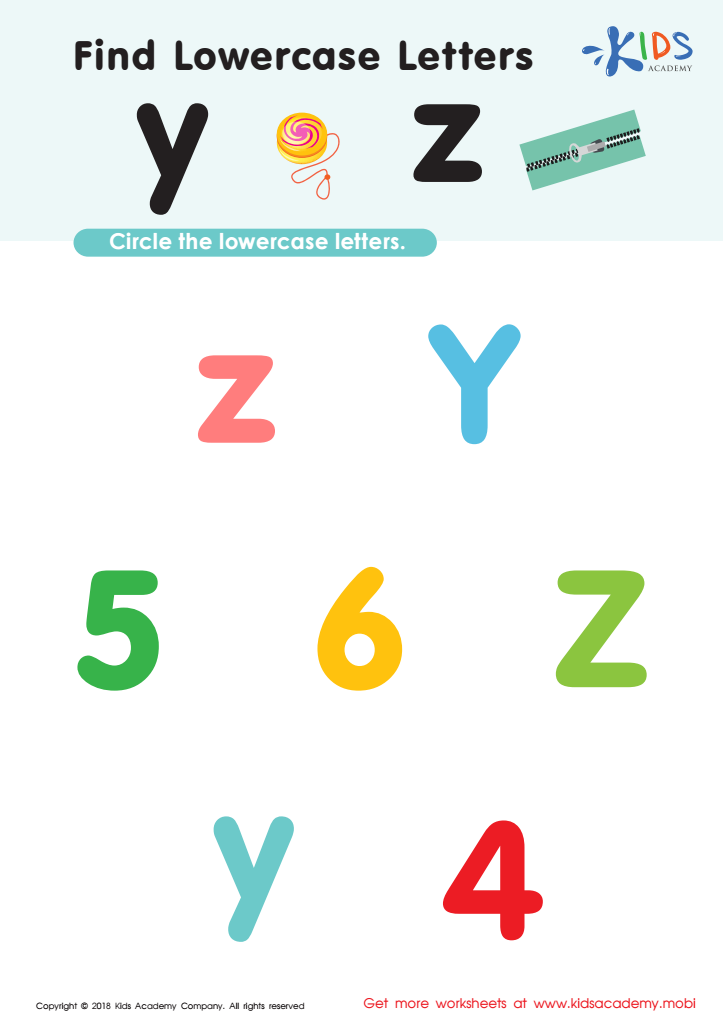
Find Lowercase Letters y z Worksheet
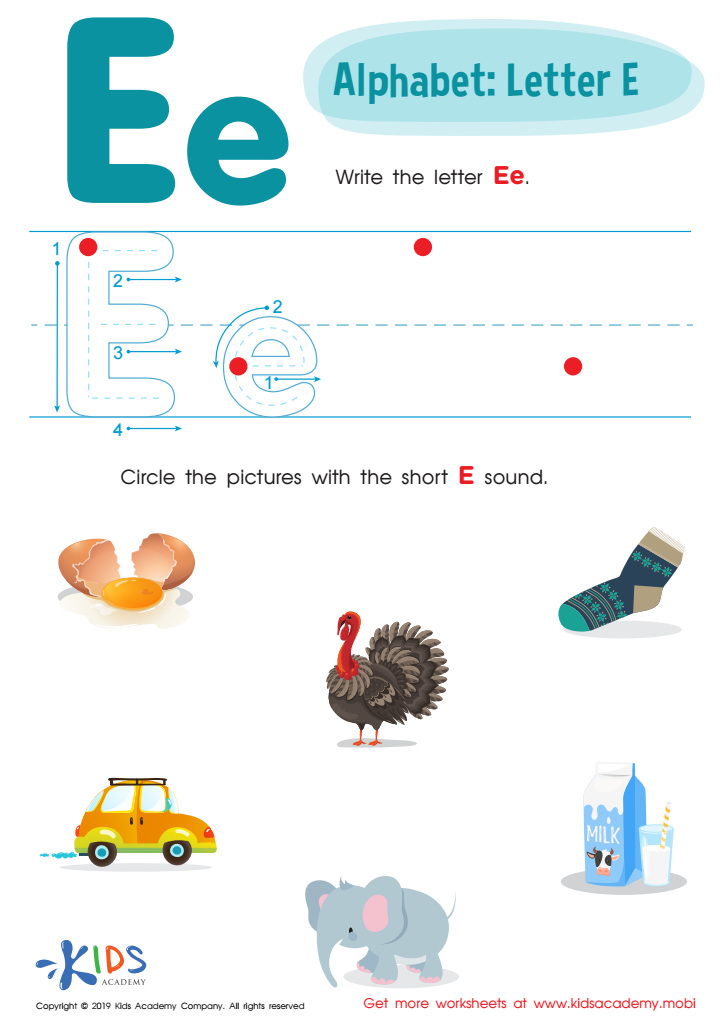
Letter E Tracing Worksheet
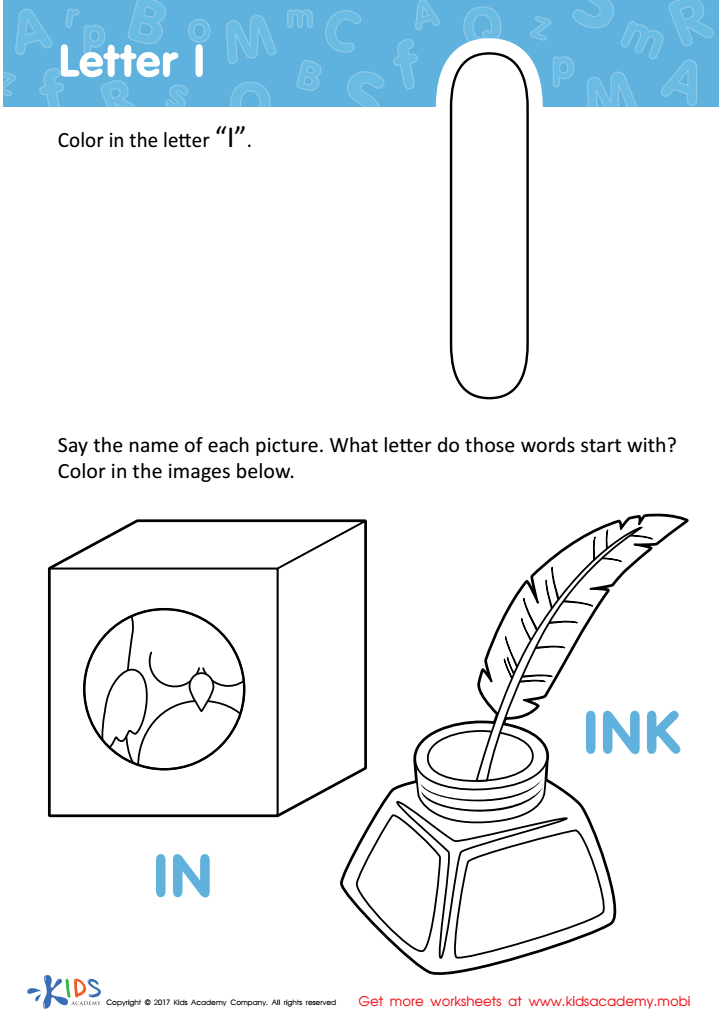
Letter I Coloring Sheet
 Assign to My Students

Let's Review! Big Letters Worksheet

Long and Short U Worksheet
Assign to My Students
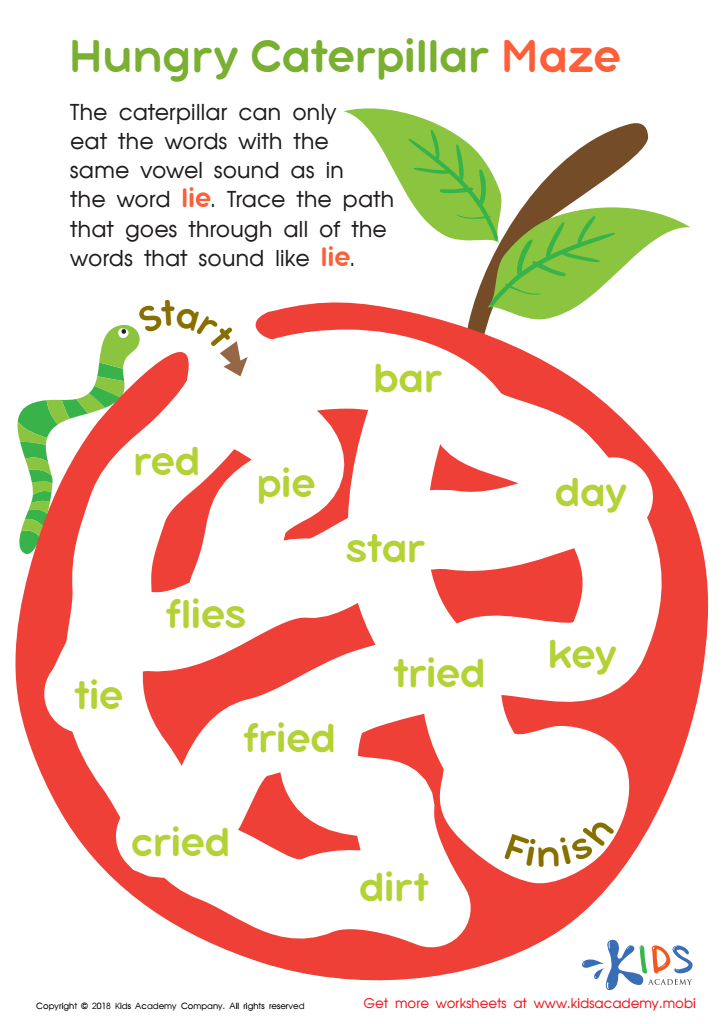
Hungry Caterpillar Maze Worksheet
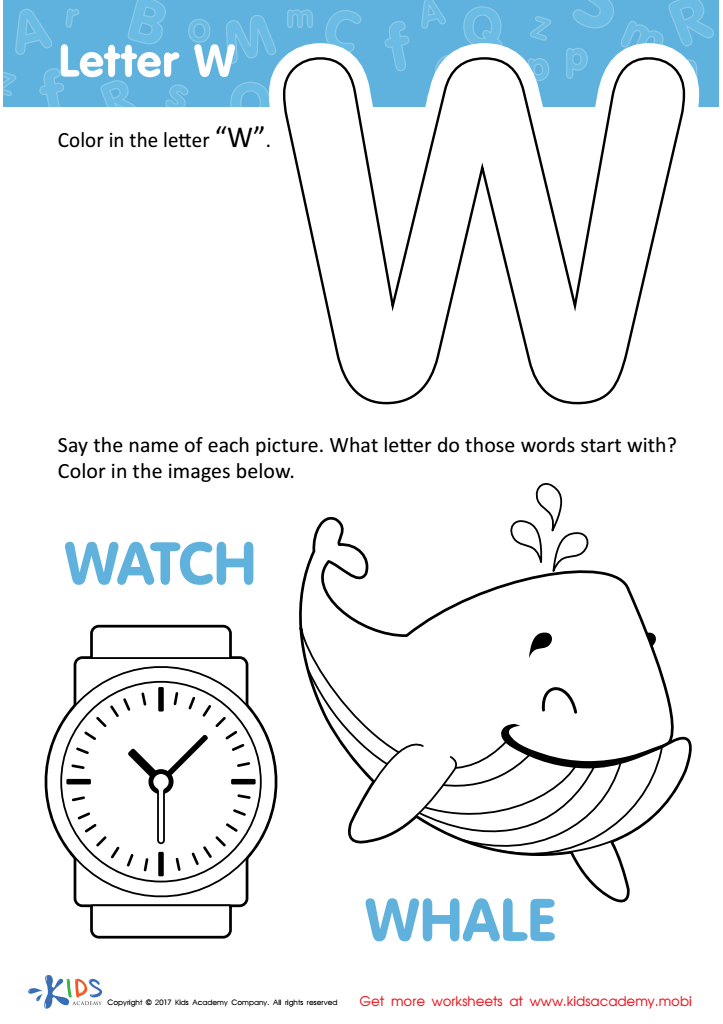
Letter W Coloring Sheet
Assign to My Students
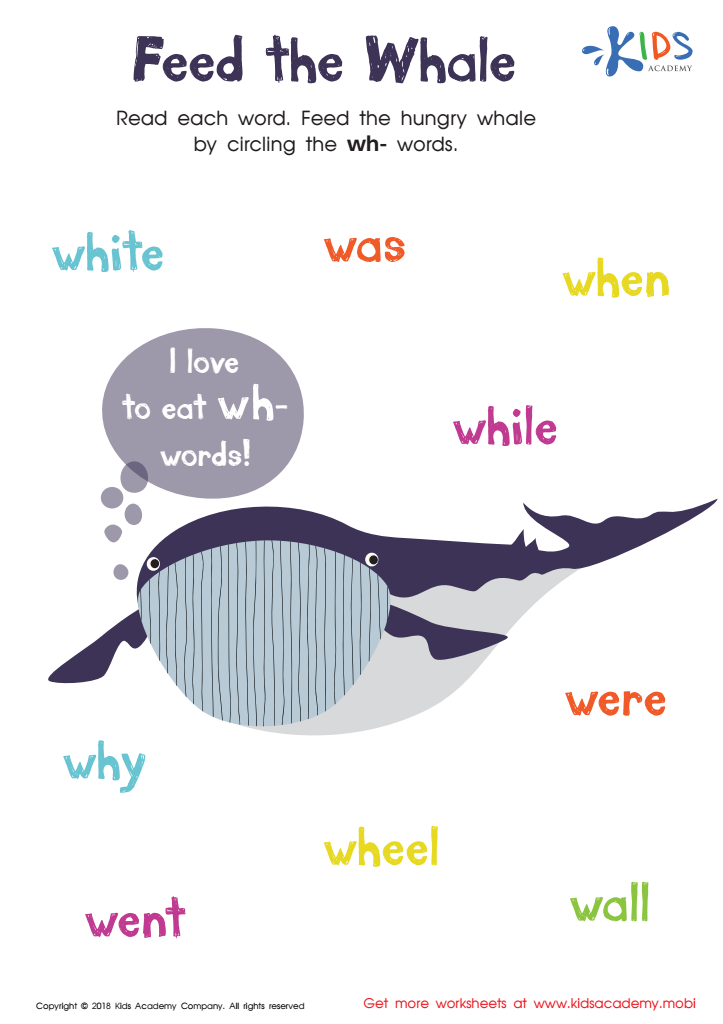
Feed the Whale Worksheet
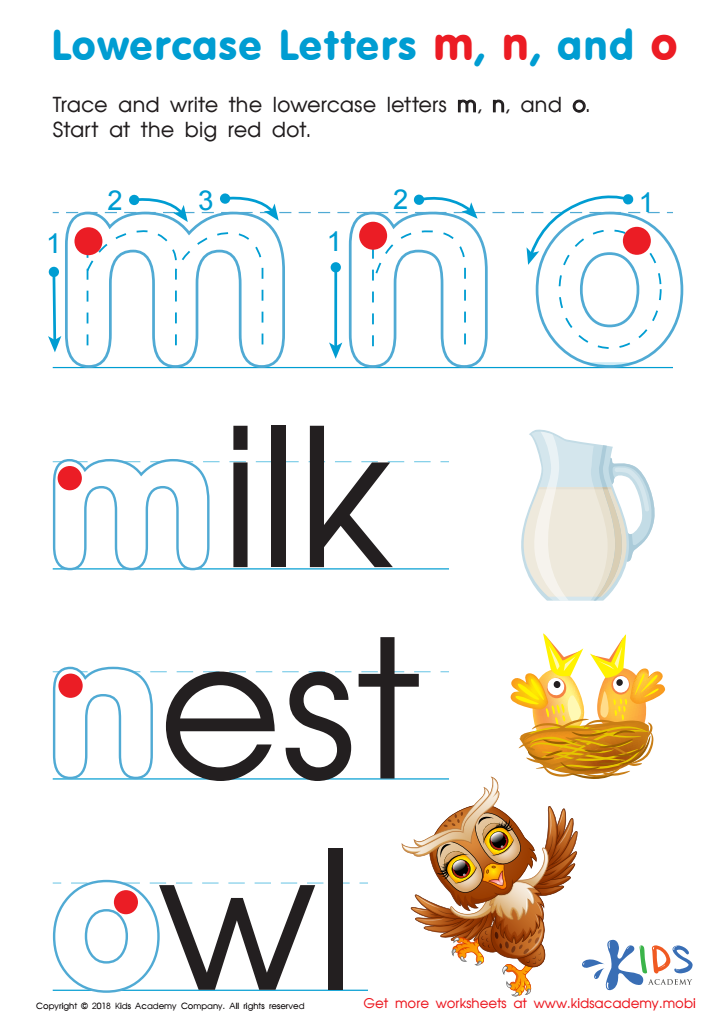
Lowercase Letters m n o Worksheet

Find Uppercase Letters V, W, X Worksheet
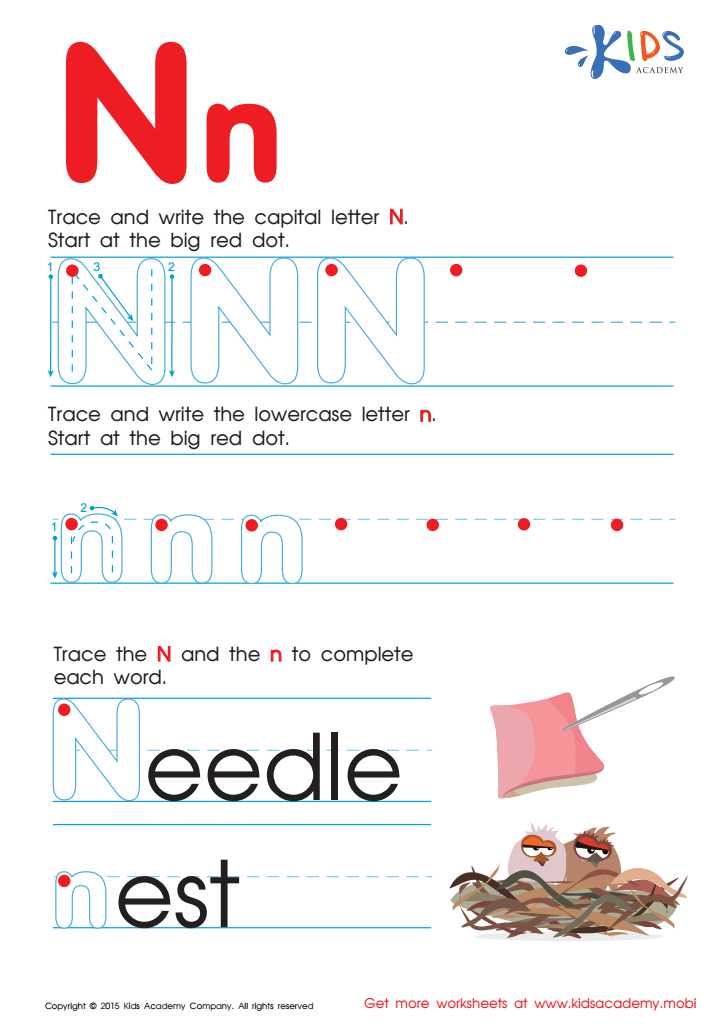
Letter N Tracing Page
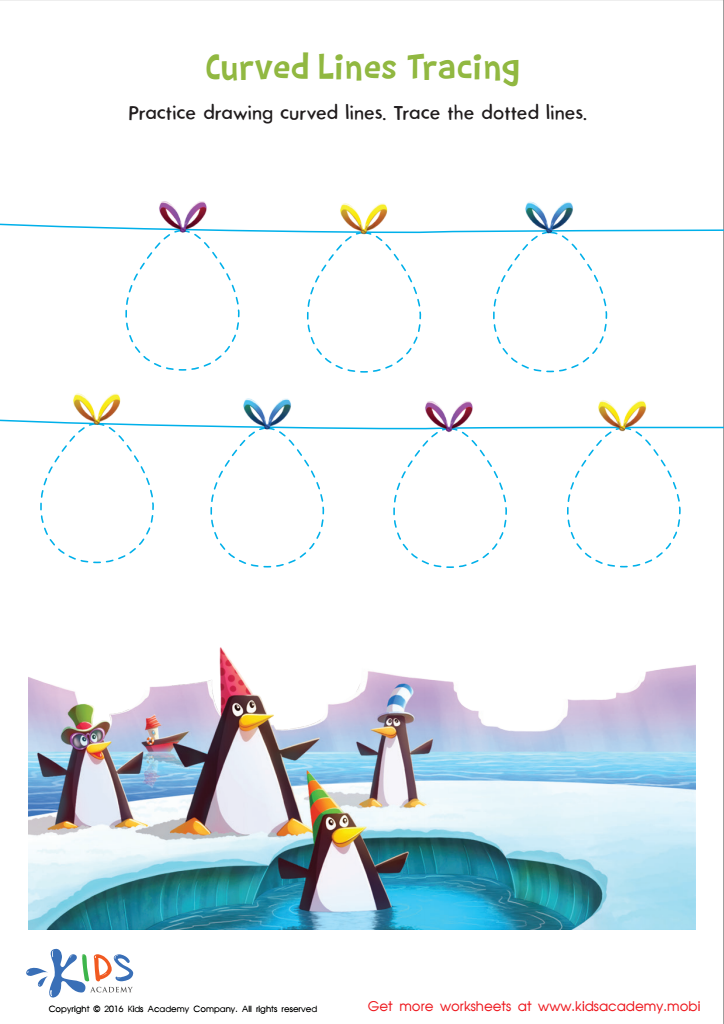
Curved Lines Tracing Worksheet
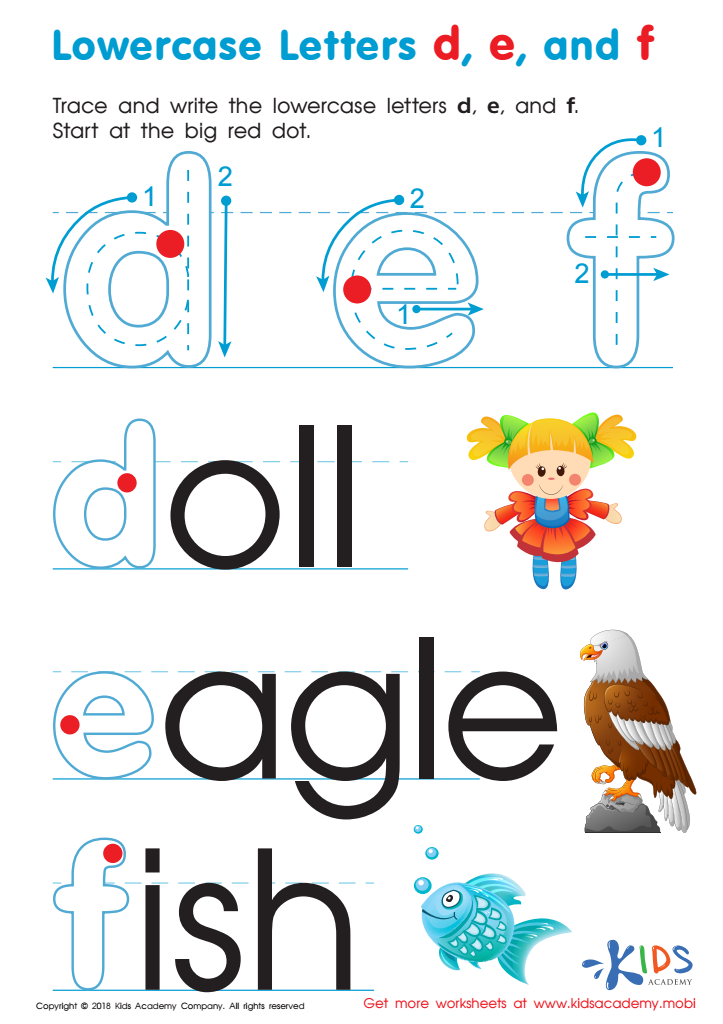
Lowercase Letters d e f Worksheet
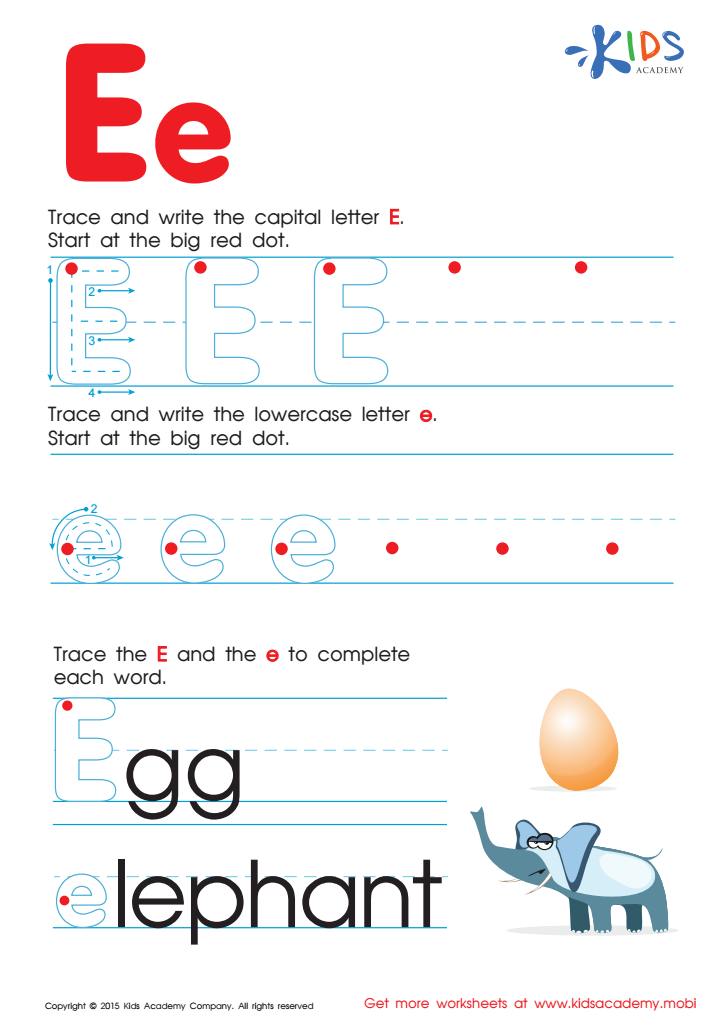
Letter E Tracing Page
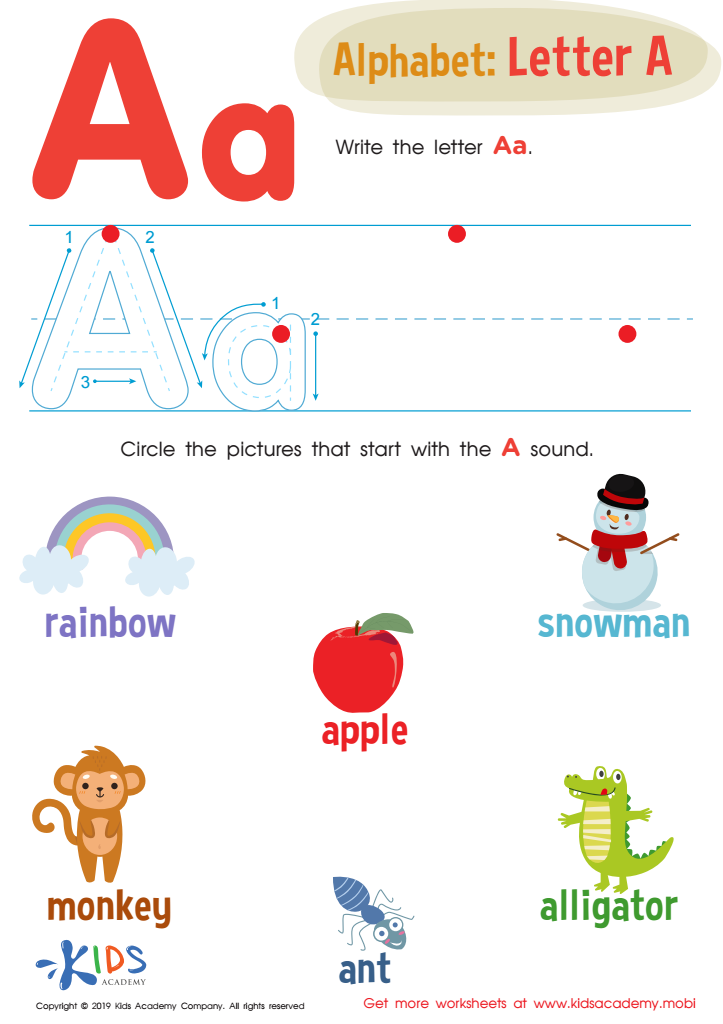
Letter A Tracing Worksheet
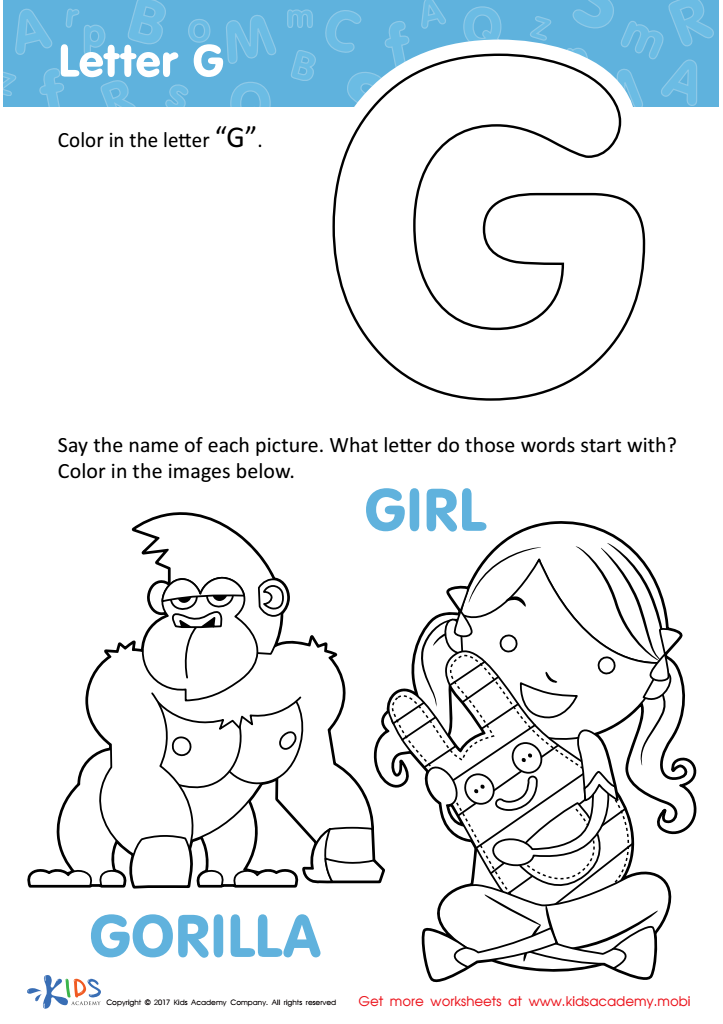
Letter G Coloring Sheet
Assign to My Students
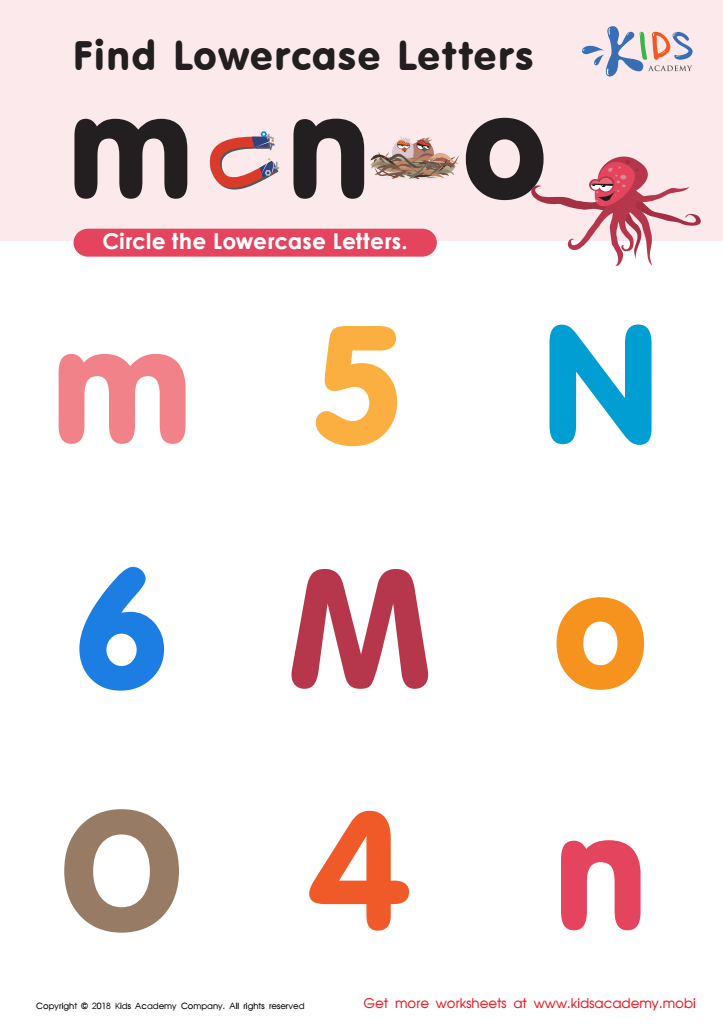
Find Lowercase Letters m n o Worksheet
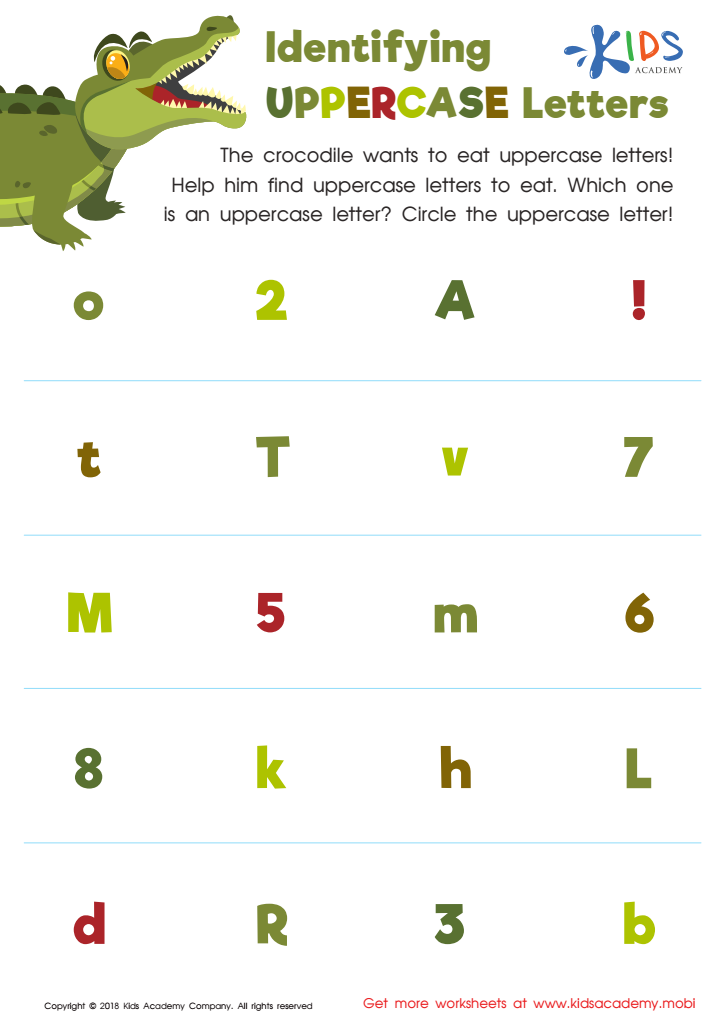
Identifying Uppercase Letters Worksheet
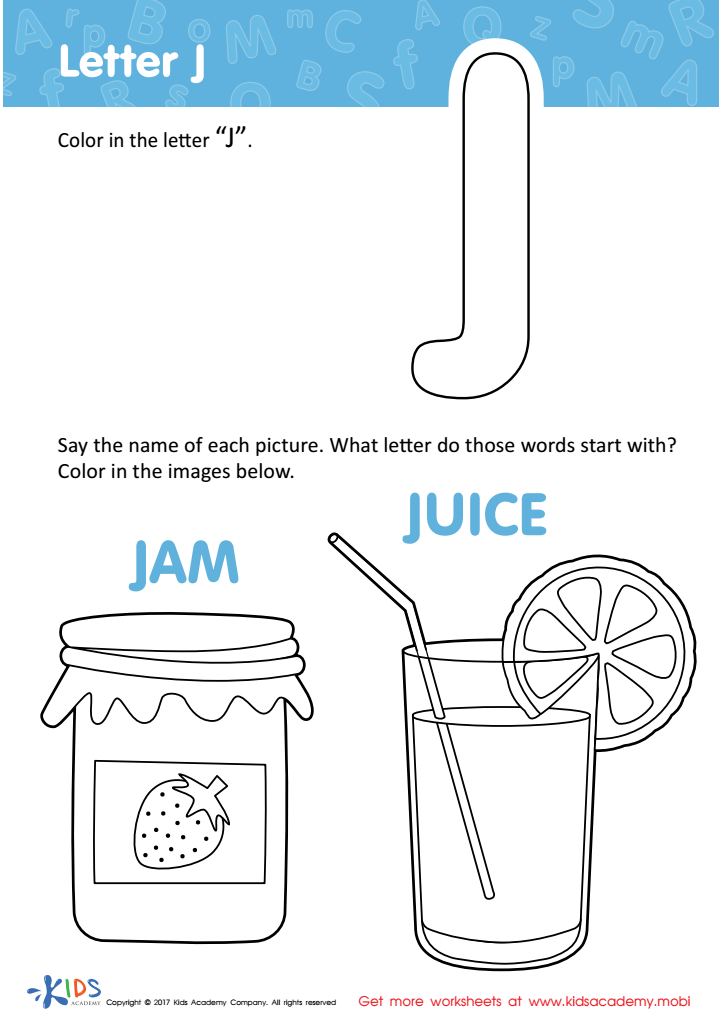
Letter J Coloring Sheet
Assign to My Students
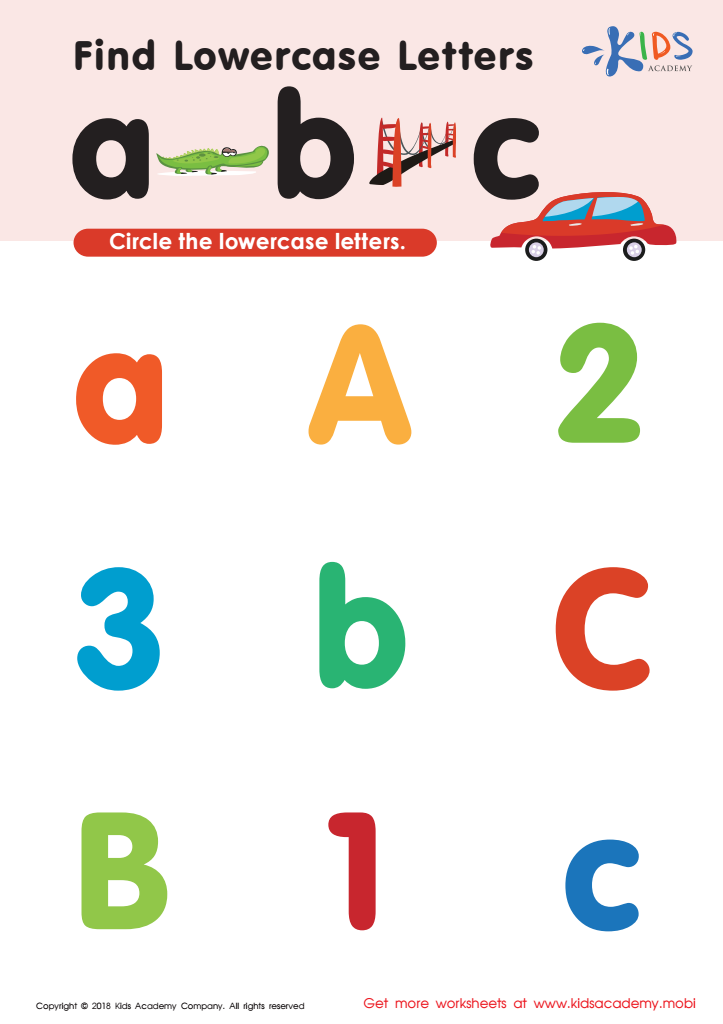
Find lowercase letters a b c Worksheet
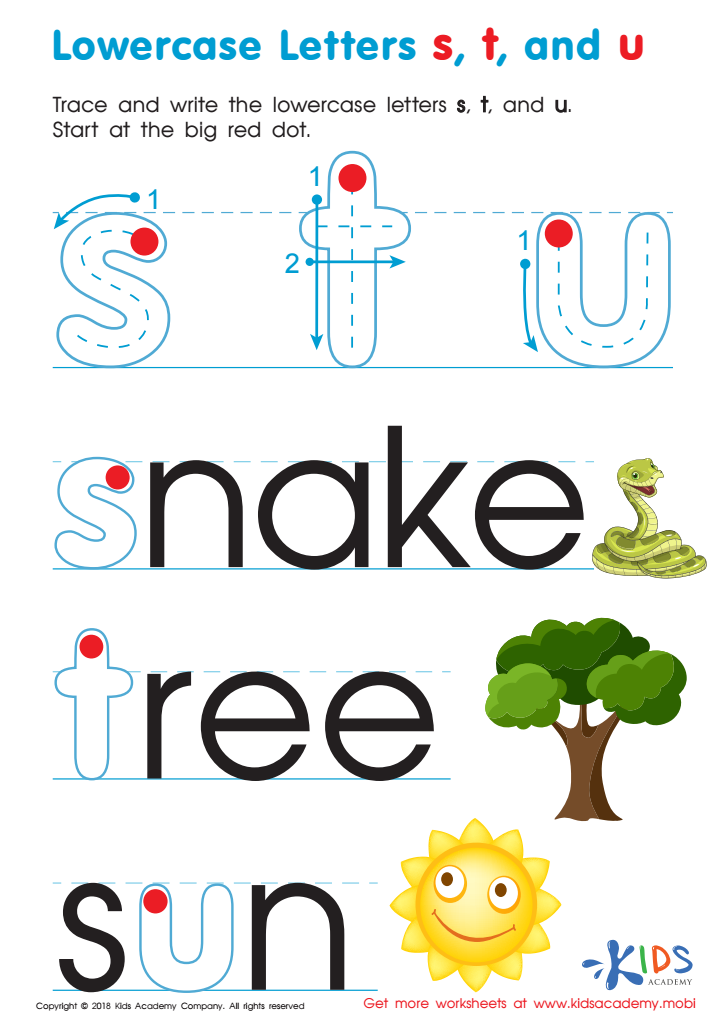
Lowercase Letters s t u Worksheet
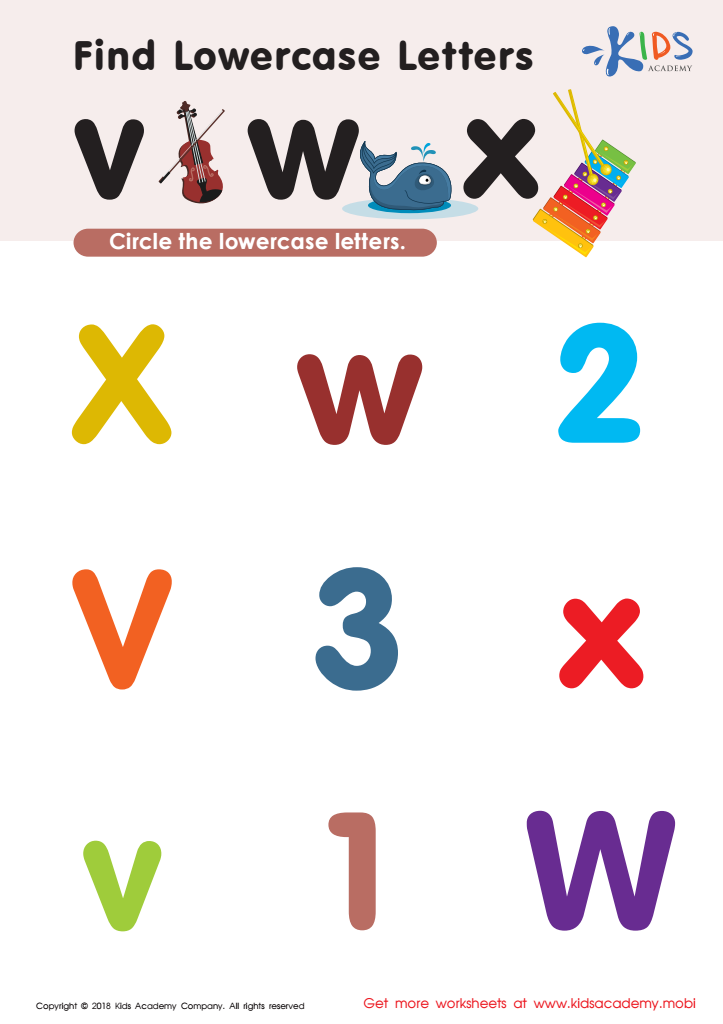
Find Lowercase Letters v w x Worksheet
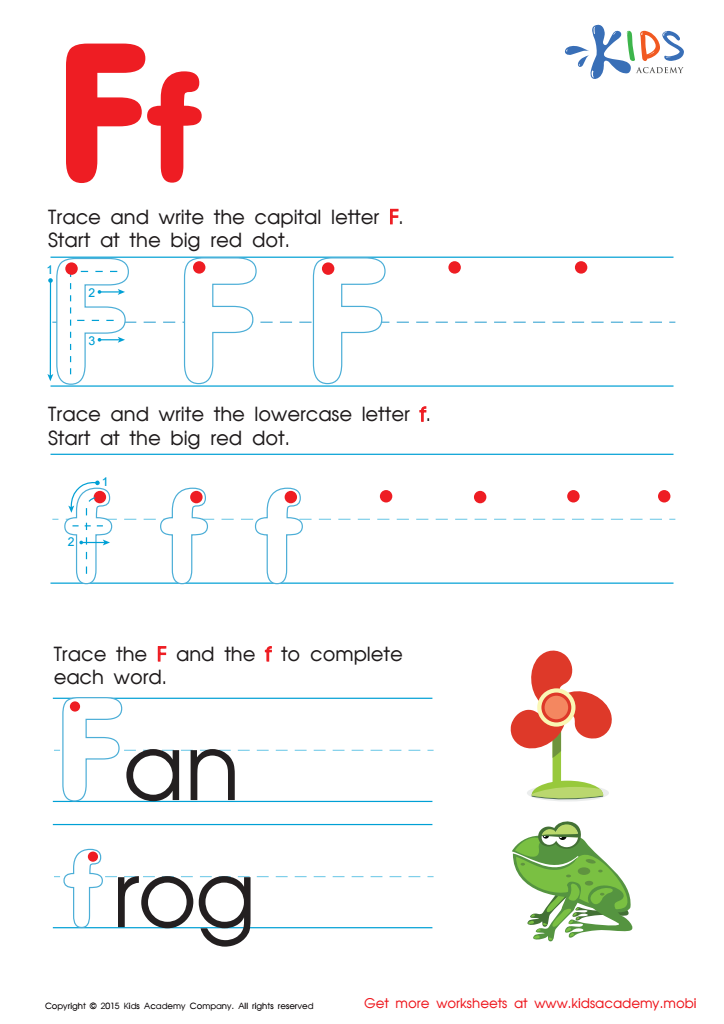
Letter F Tracing Page








Fine motor skills are crucial during the developmental years of ages 4-9 because they lay the foundation for essential daily activities and academic success. By focusing on fine motor skills, parents and teachers enable children to master tasks such as writing, which is integral as children learn the alphabet and begin to compose words and sentences. Good fine motor control aids in properly gripping a pencil, which helps in legible handwriting—a key component of literacy.
Moreover, enhancing fine motor skills can improve hand-eye coordination, which benefits other areas like playing musical instruments, sports, and even tying shoelaces. This enhances a child's independence and self-esteem. Fine motor skill development also supports cognitive growth, as activities that employ these skills, such as puzzles or crafts, often involve critical thinking and problem-solving.
Ignoring fine motor development can lead to challenges in school performance and daily routines, potentially causing frustration and diminished confidence. Thus, emphasizing fine motor skills from ages 4 to 9 ensures children have the coordination and dexterity needed for complex tasks, setting the stage for future educational and personal achievements. Parents and teachers play a pivotal role in providing opportunities to strengthen these skills through engaging and varied activities.







