Letter recognition Normal Alphabet Worksheets for Ages 4-9 - Page 3
59 filtered results
-
From - To
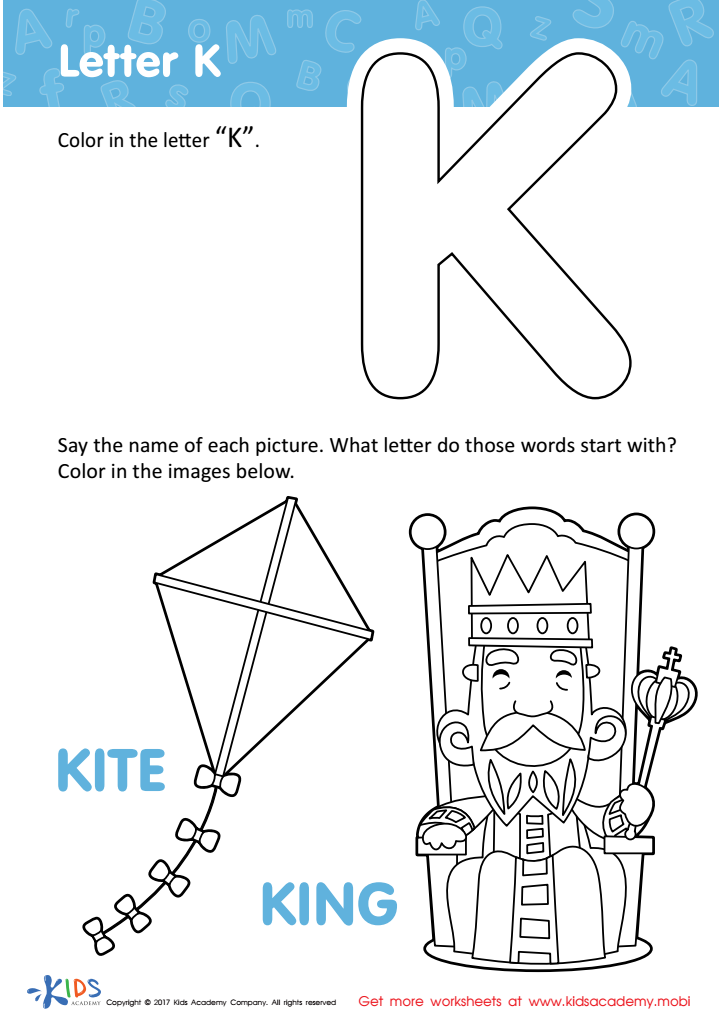
Letter K Coloring Sheet
 Assign to My Students
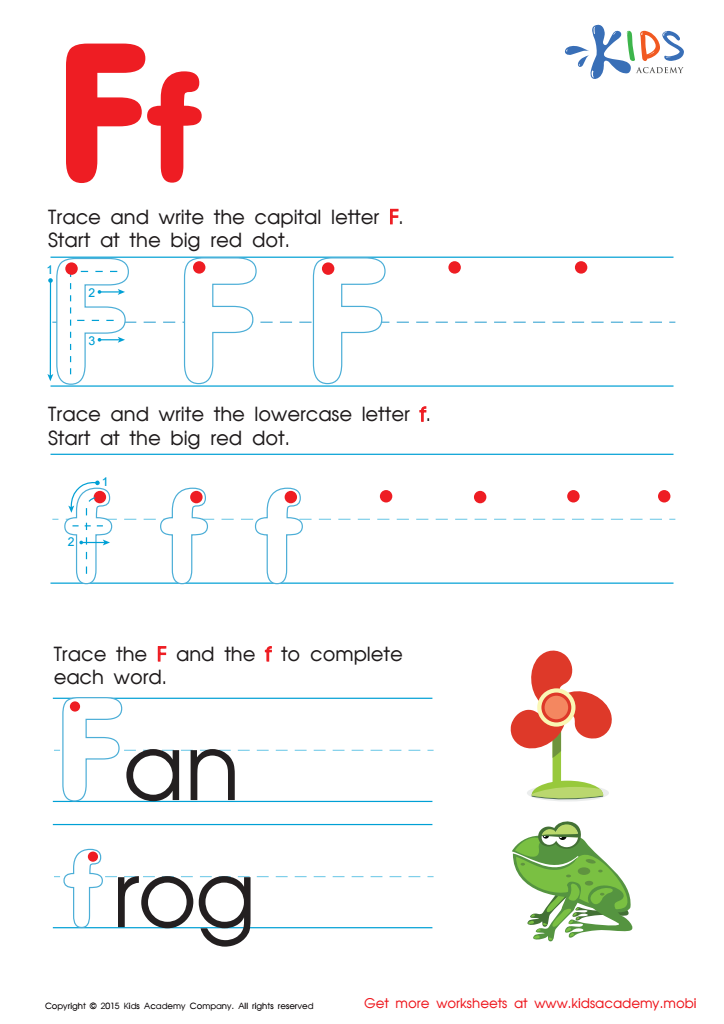
Letter F Tracing Page
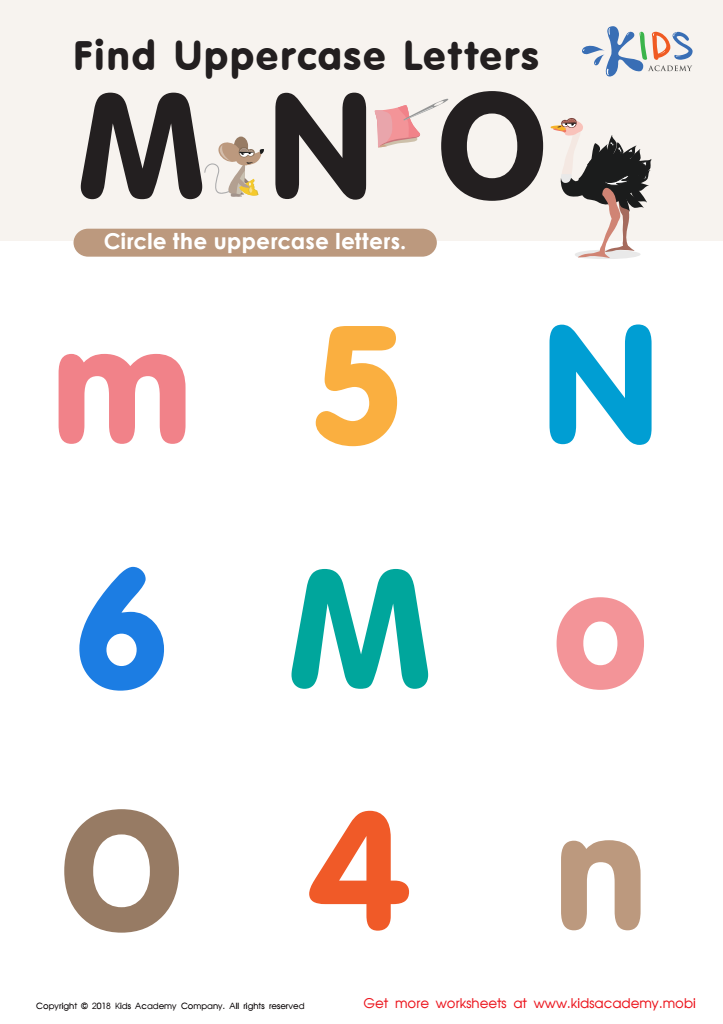
Find Uppercase Letters M, N, and O Worksheet
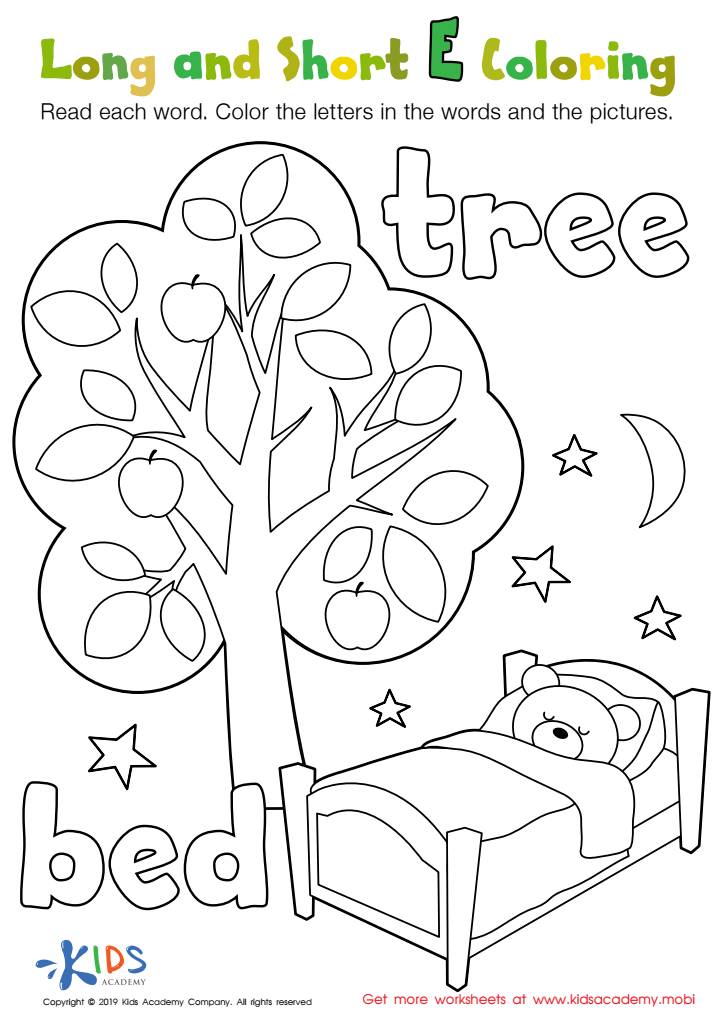
Long and Short E Worksheet
Assign to My Students
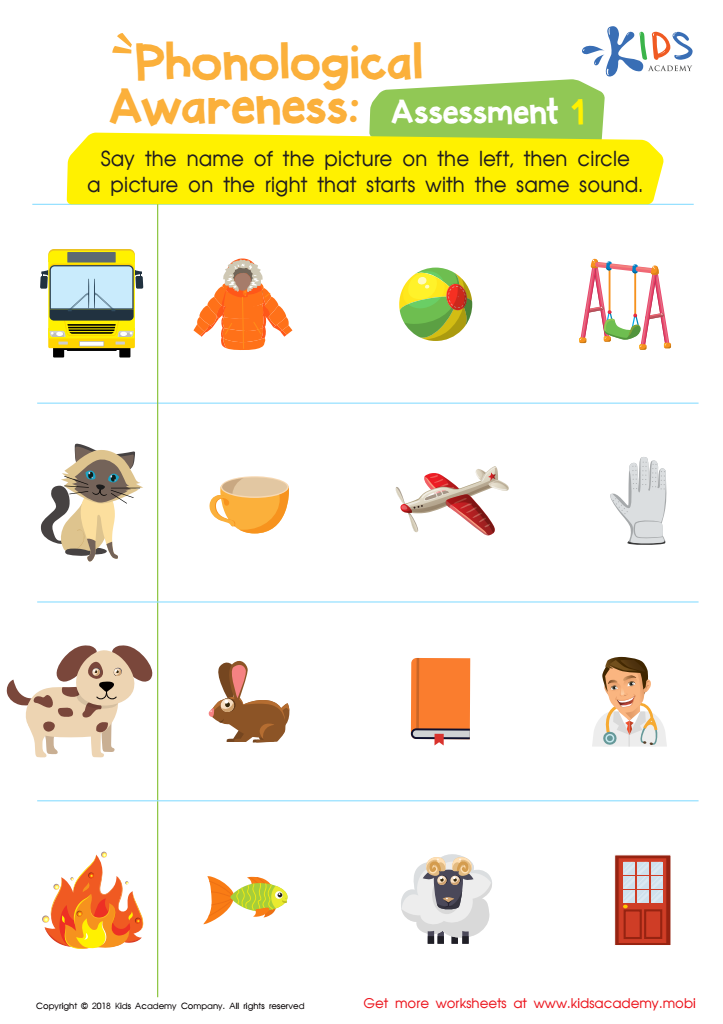
Phonological Awareness: Assessment 1 Worksheet
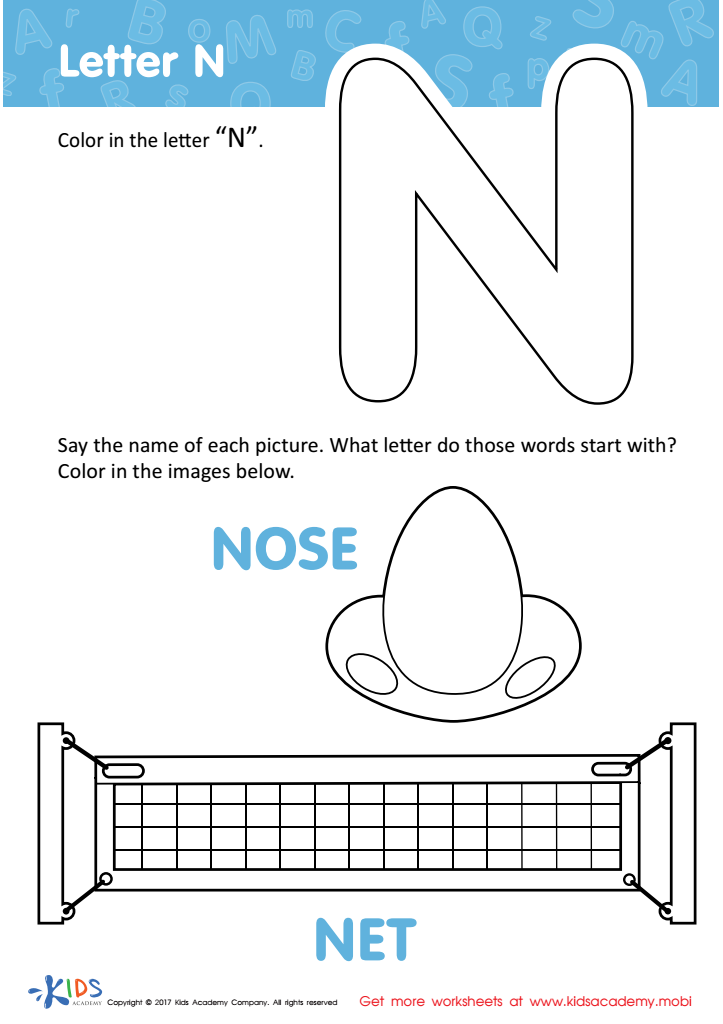
Letter N Coloring Sheet
Assign to My Students

Letter D Tracing Page
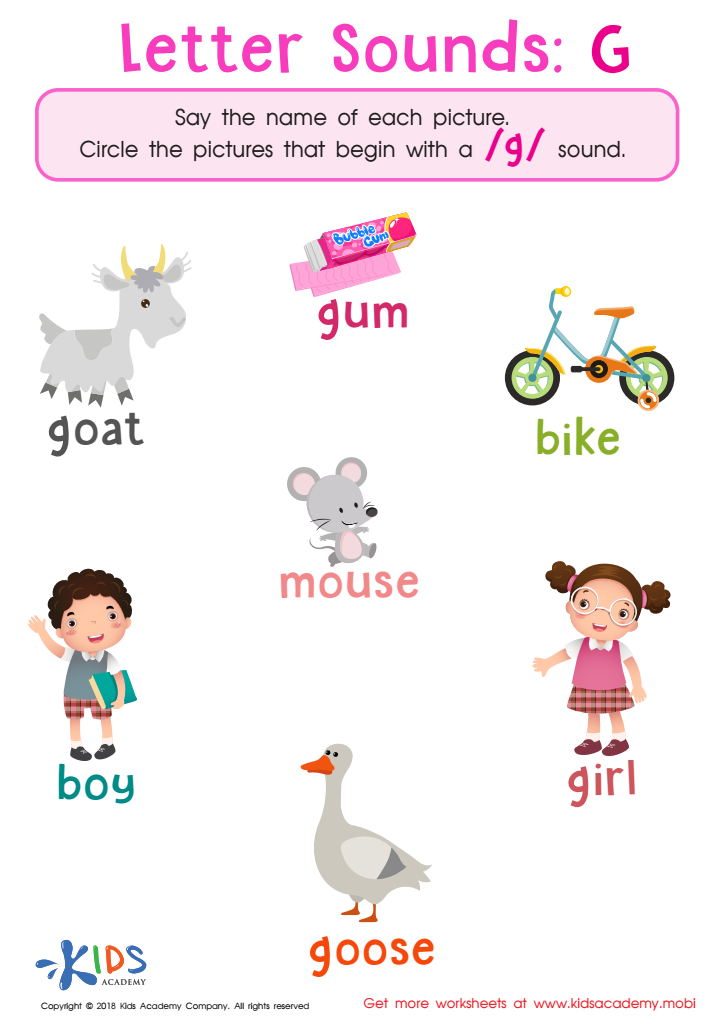
Letter G Sounds Worksheet
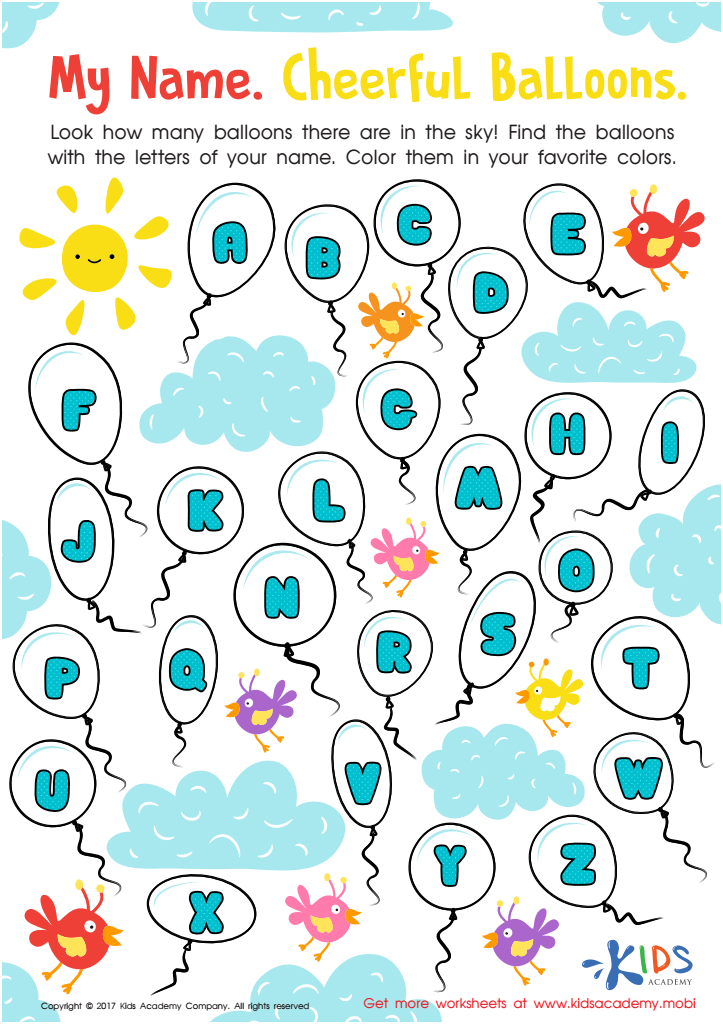
My Name: Cheerful Balloons Worksheet
Assign to My Students
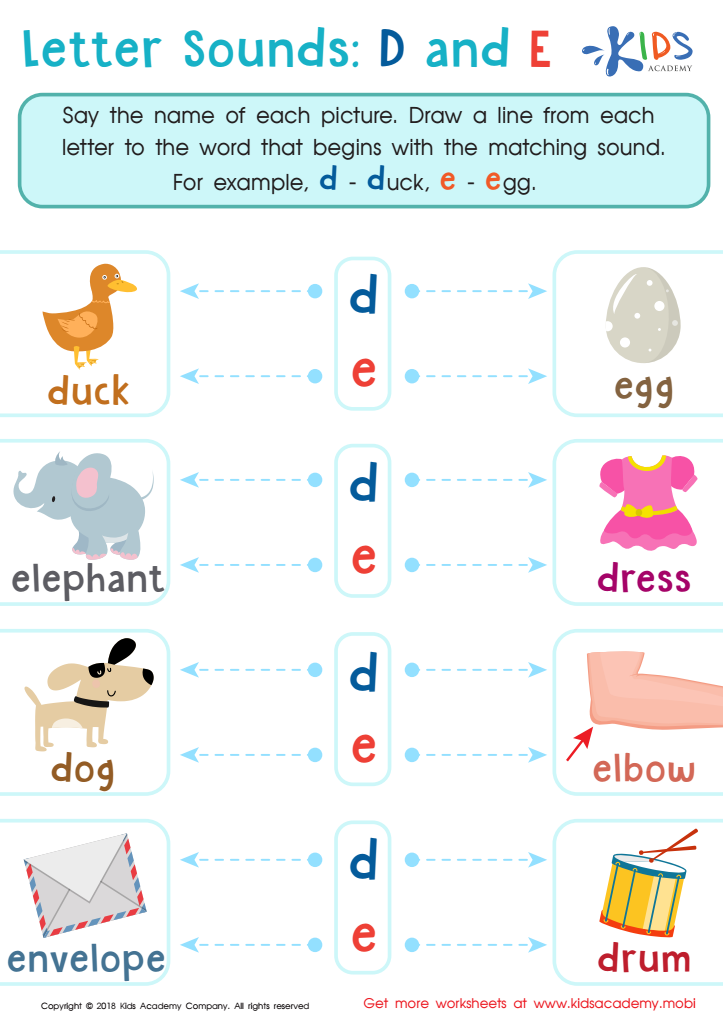
Letter D and E Sounds Worksheet
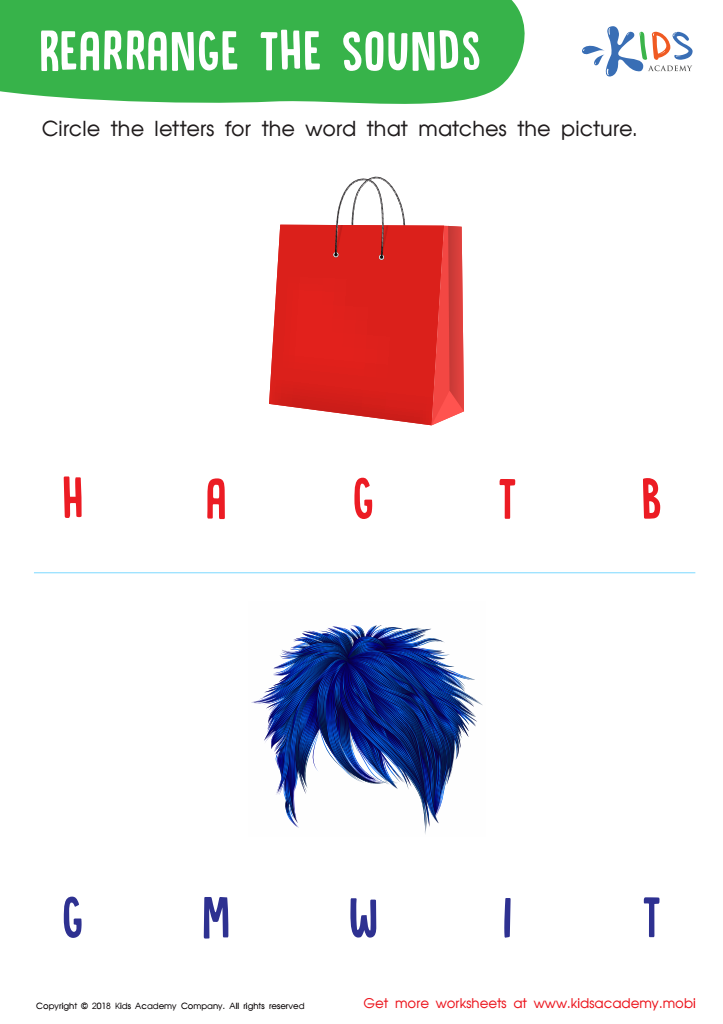
Rearrange the Sounds Worksheet





Letter recognition is a foundational skill that serves as the stepping stone toward reading and writing proficiency, making it essential for parents and teachers to prioritize it for children aged 4-9. During these formative years, young learners are highly receptive to new information, and developing an understanding of the alphabet provides them with the necessary tools to decode words, grasp vocabulary, and eventually comprehend texts.
Identifying and differentiating between letters aids cognitive development by enhancing memory, attention, and language skills. As children become familiar with the shapes, sounds, and names of letters, they build the confidence to tackle more complex reading tasks. This confidence is crucial, as proficiency in reading directly influences their performance across various subjects, including math, science, and social studies.
Furthermore, early letter recognition supports social-emotional growth by fostering a sense of achievement and resilience. Children who struggle with letter recognition may experience frustration and lower self-esteem, potentially hindering their motivation to engage in academic activities. Thus, by ensuring robust letter recognition skills, parents and teachers can set the stage for lifelong literacy, a crucial element for academic and career success.
Early investment in letter recognition not only paves the way for future academic achievements but also cultivates a positive learning environment where children feel capable, supported, and excited about their educational journey.







