Motor skills development Normal Alphabet Worksheets for Ages 4-9
3 filtered results
-
From - To
Discover the perfect resource for young learners with our Motor Skills Development Normal Alphabet Worksheets for ages 4-9. These engaging and educational worksheets are specifically designed to enhance fine motor skills while introducing children to the alphabet. Through fun, interactive tracing and writing activities, kids improve their hand-eye coordination, dexterity, and letter recognition. Ideal for early learners, our worksheets provide a foundation for strong handwriting and literacy skills. Foster your child’s development in a creative and enjoyable way with these expertly crafted educational tools from Kids Academy. Explore a world of learning today!

Letter H Tracing Page
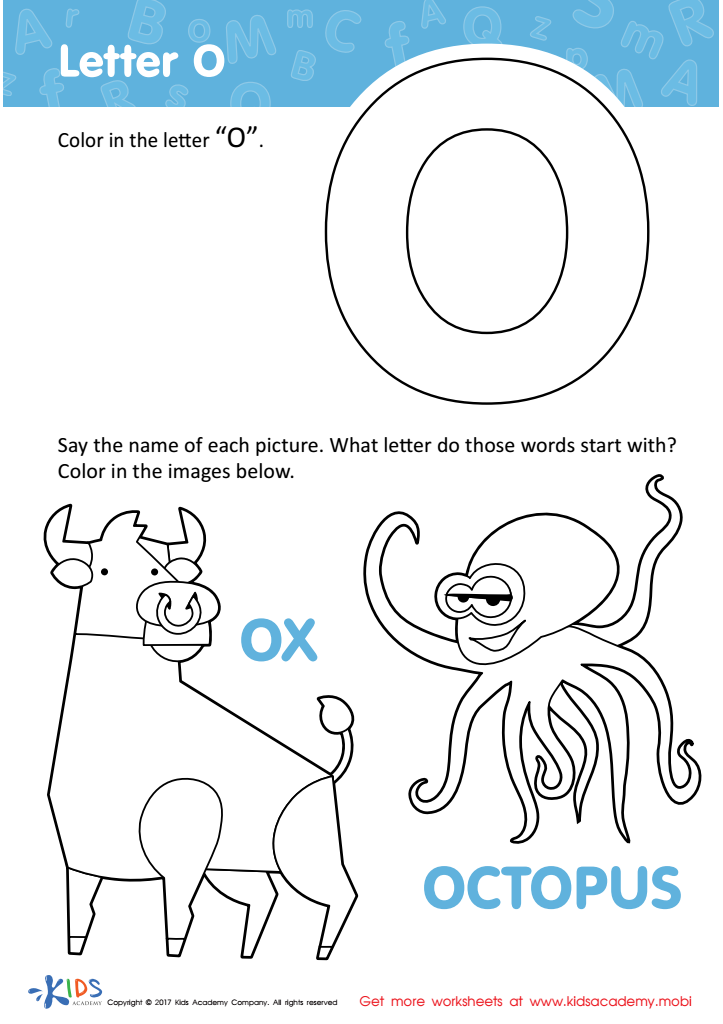
Letter O Coloring Sheet
 Assign to My Students
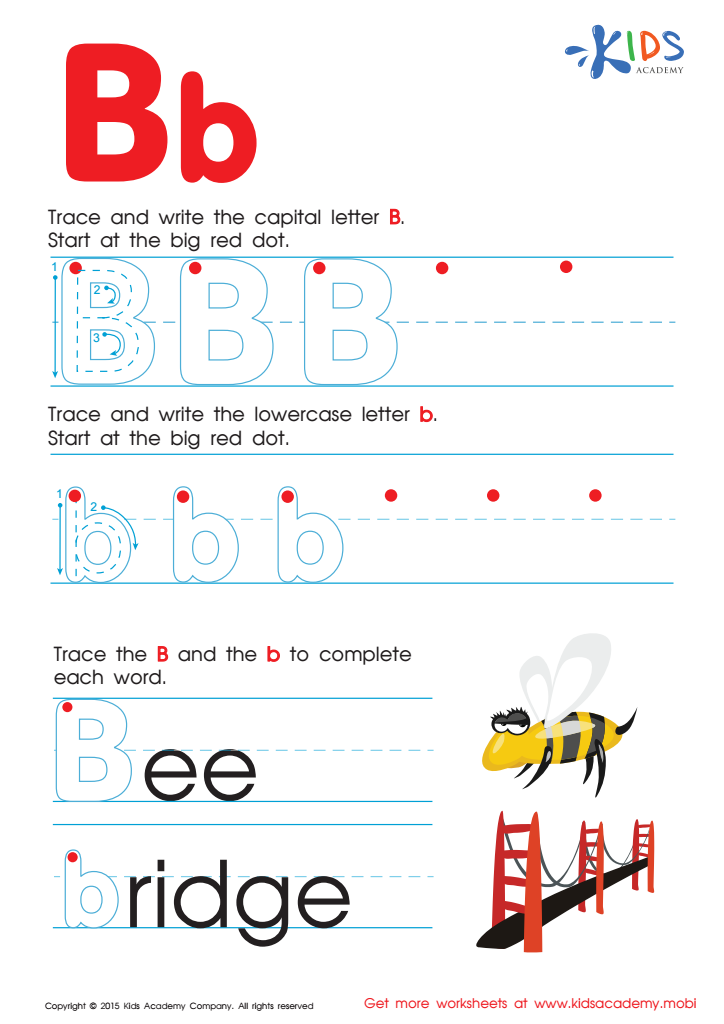
Letter B Tracing Page








Motor skills development is a crucial aspect of a child's growth, especially in the ages of 4-9, as they lay the foundation for numerous life-long abilities. Fine motor skills involve the small muscles in the hands and fingers and are essential for tasks like writing, buttoning clothes, or cutting with scissors. Gross motor skills involve larger muscle groups used for actions such as running, jumping, and balancing.
Parents and teachers need to care about developing these motor skills for several reasons. Firstly, mastering these skills boosts a child's independence and confidence. For instance, successfully tying their own shoes or zipping up a jacket can significantly enhance a child's self-esteem.
Academically, fine motor skills are vital for handwriting—a critical component of a child's literacy and overall academic achievement. Proper development in this area influences their ability to jot down their ideas clearly and efficiently. Engaging in activities like coloring, building with blocks, and crafting aids in the refinement of these skills.
From a health perspective, gross motor skills promote physical fitness and coordination, crucial for a child's overall well-being. Encouraging activities such as climbing, cycling, or simple games like hopscotch helps in building strength and preventing obesity.
In summary, ensuring well-rounded motor skills development supports a child's academic performance, independence, physical health, and social development, thereby laying a strong foundation for their future endeavors.







