Reading skills development Normal Alphabet Worksheets for Ages 4-9
5 filtered results
-
From - To
Unlock your child's reading potential with our comprehensive Normal Alphabet Worksheets tailored for ages 4-9. These expertly designed resources foster essential reading skills through engaging activities, promoting letter recognition, phonics, and early word formation. Each worksheet combines fun illustrations and interactive tasks, making learning an enjoyable experience for young readers. Ideal for both classroom and home use, these worksheets help children build a strong literacy foundation, boosting confidence and fostering a lifelong love of reading. Support your child's educational journey with Kids Academy’s top-notch worksheets that cater perfectly to their developmental stages.
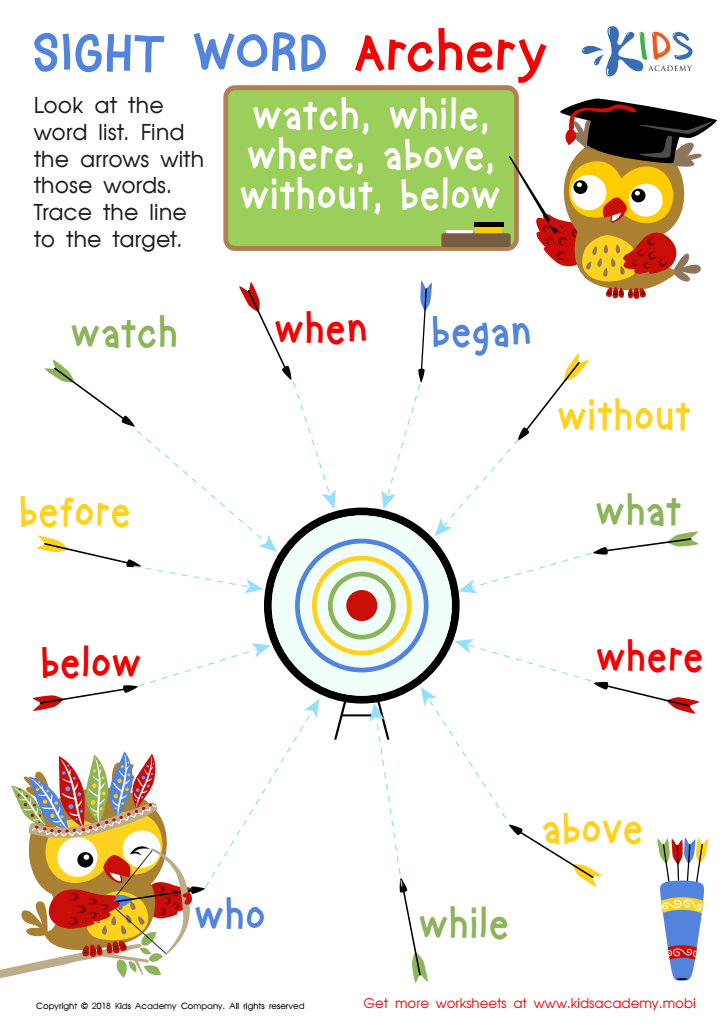
Sight Word Archery Worksheet
 Assign to My Students
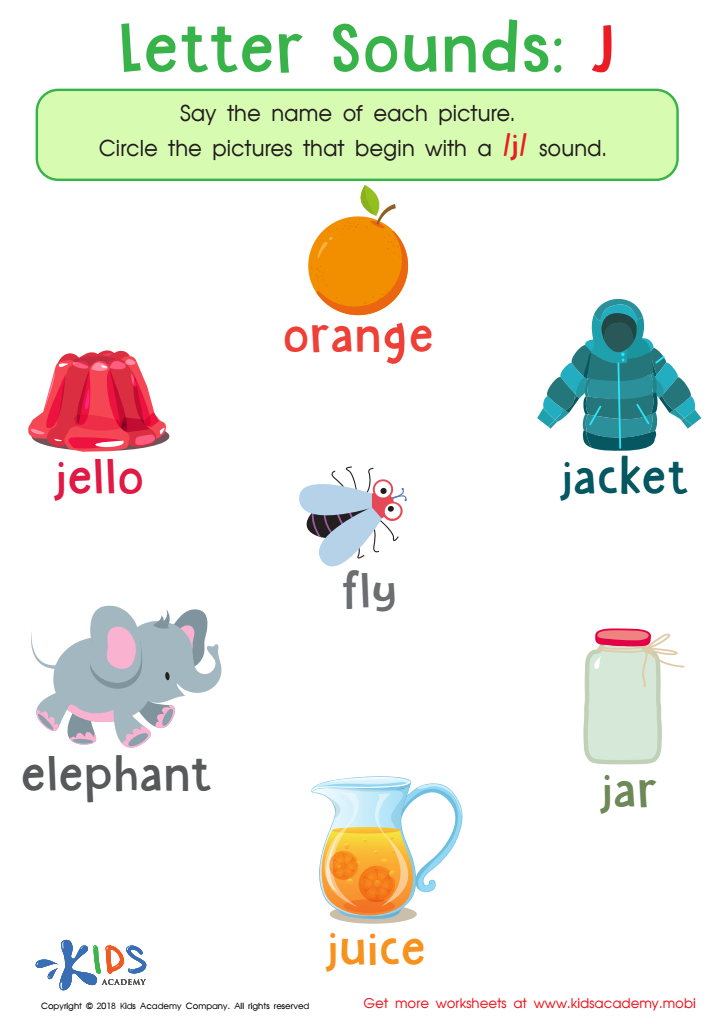
Letter Sounds: J Printable Worksheet
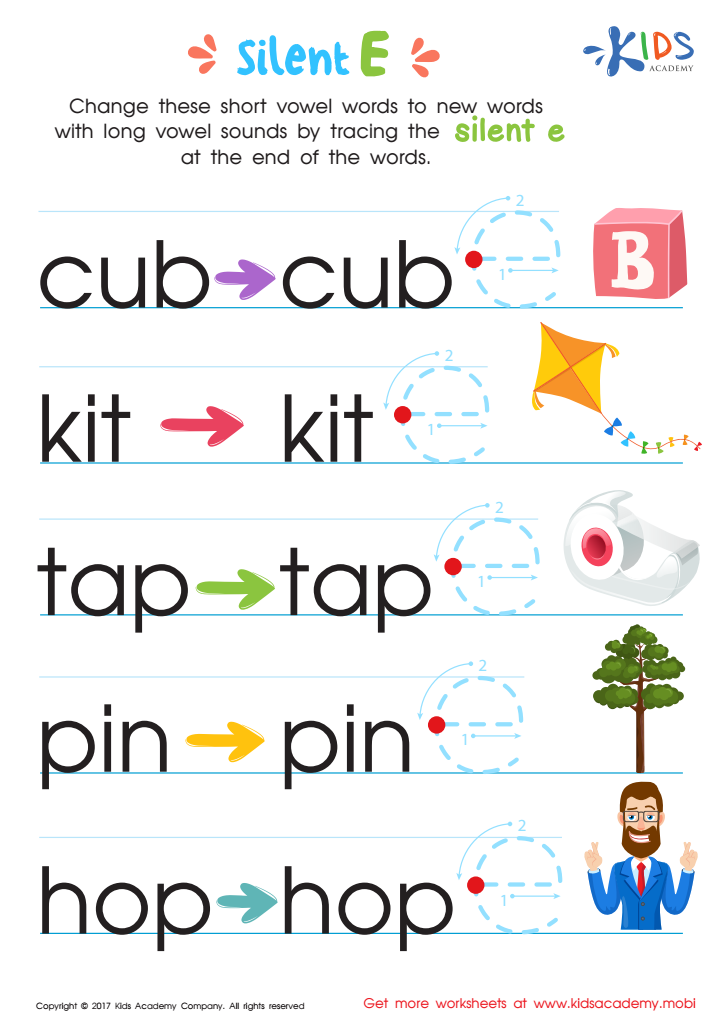
Silent E Words Worksheet
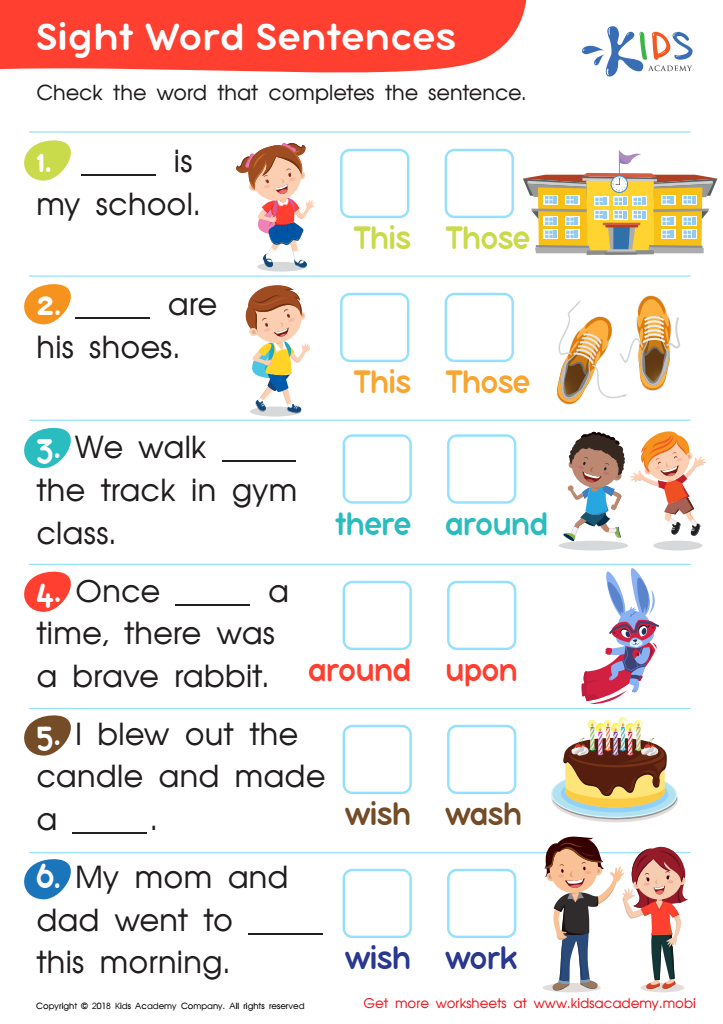
Sight Word Sentences Worksheet
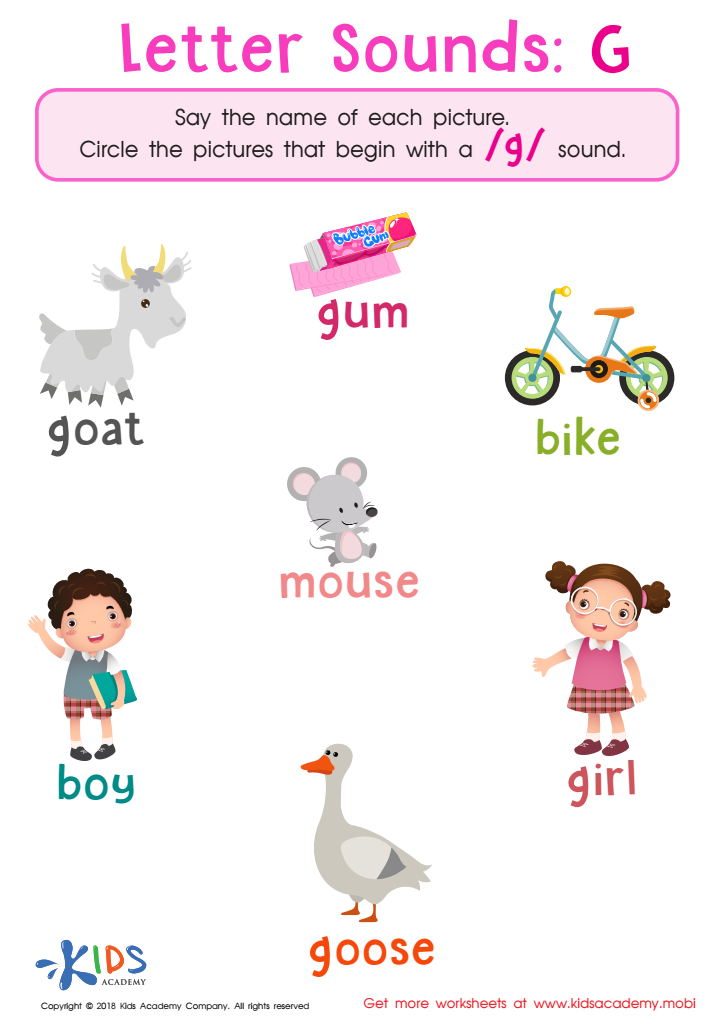
Letter G Sounds Worksheet








Parents and teachers play crucial roles in the early development of reading skills, especially for children aged 4-9. Reading is foundational for academic success and lifelong learning. During these formative years, children's brains are particularly receptive to language acquisition, making it an optimal time to develop reading skills.
Reading skills impact more than just academic performance—they also influence overall cognitive development. A child who reads proficiently by age nine is better equipped to understand and engage with various subjects, enhancing their ability to think critically and solve problems. Additionally, good reading skills boost vocabulary, language comprehension, and communication abilities.
Moreover, developing a strong reading foundation fosters a love for learning and literature. Children who enjoy reading are more likely to explore diverse topics, stimulating curiosity and creativity. Early reading experiences enhance not only academic outcomes but also social and emotional well-being. Shared reading time can strengthen parent-child and teacher-student relationships, fostering a supportive learning environment.
Finally, proficient reading skills are essential for navigating daily life, from following simple instructions to understanding complex texts in the future. By investing in the development of reading skills at an early age, parents and teachers set children on a path to academic excellence, personal growth, and lifelong success.







