Fine Motor Skills Normal Letter E Worksheets for Ages 4-9
3 filtered results
-
From - To
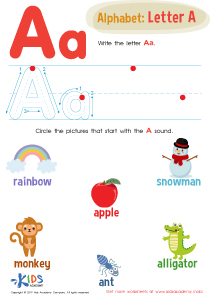
Discover the ultimate tool for fostering fine motor skills in children aged 4-9 with our "Fine Motor Skills Normal Letter E Worksheets." Carefully crafted to enhance your child’s grasp and dexterity, these engaging worksheets provide a fun and educational way to practice the letter E. Ideal for early learners, these resources are perfect for developing hand-eye coordination, precision, and handwriting proficiency. Each activity incorporates tracing, coloring, and drawing exercises designed to build strength and control in little hands. Give your child the foundation they need for academic success with these thoughtfully created, skill-enhancing worksheets.
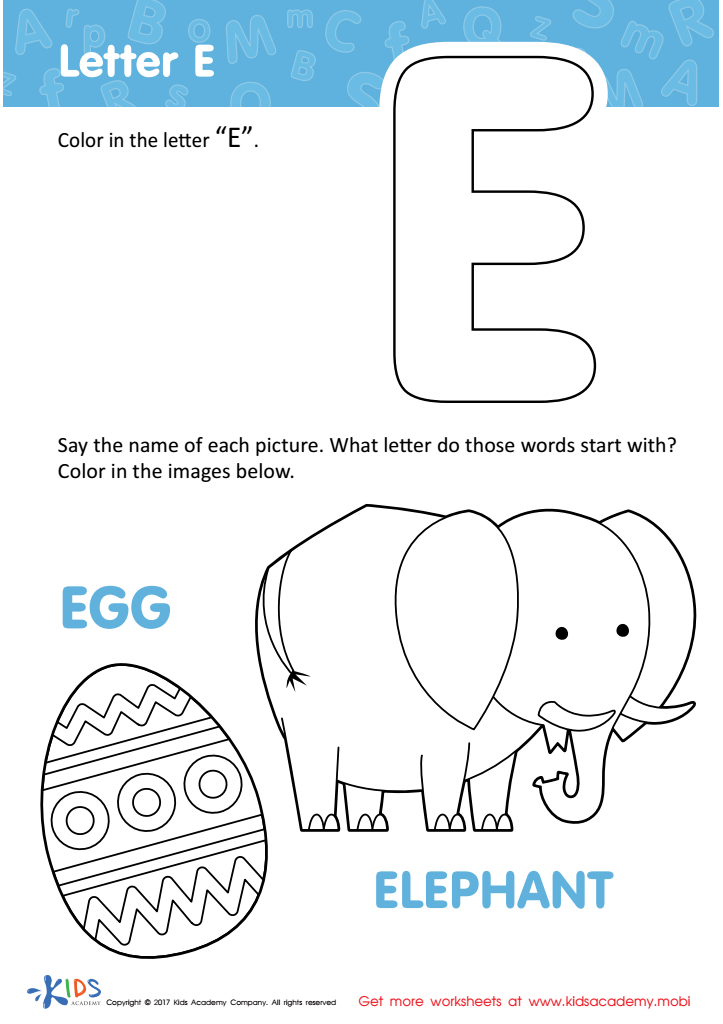
Letter E Coloring Sheet
 Assign to My Students
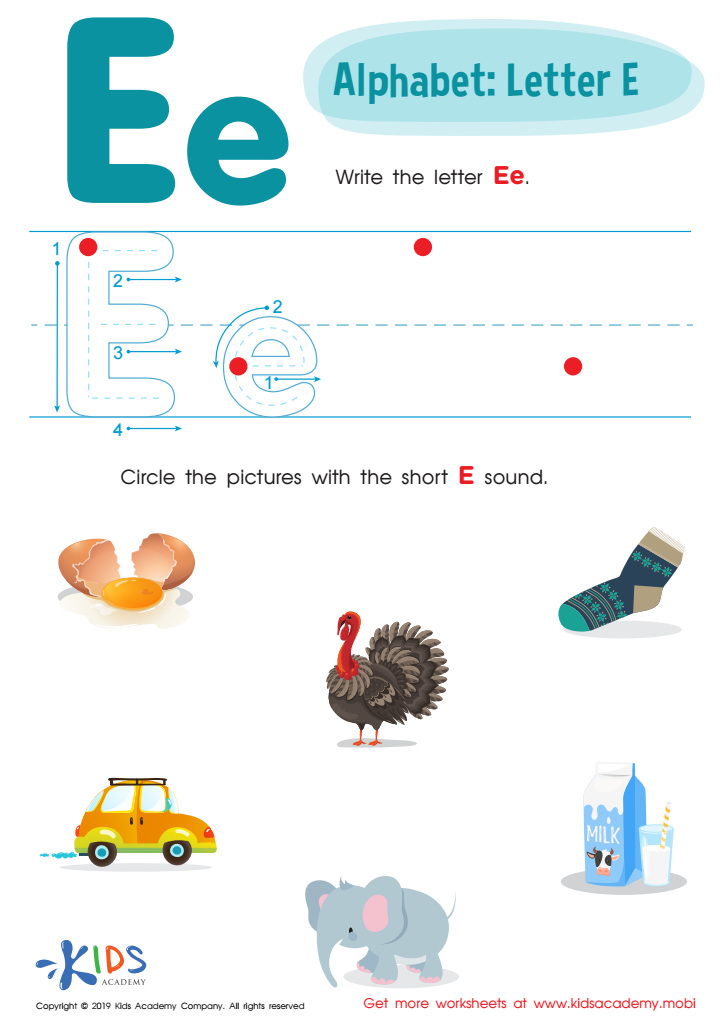
Letter E Tracing Worksheet
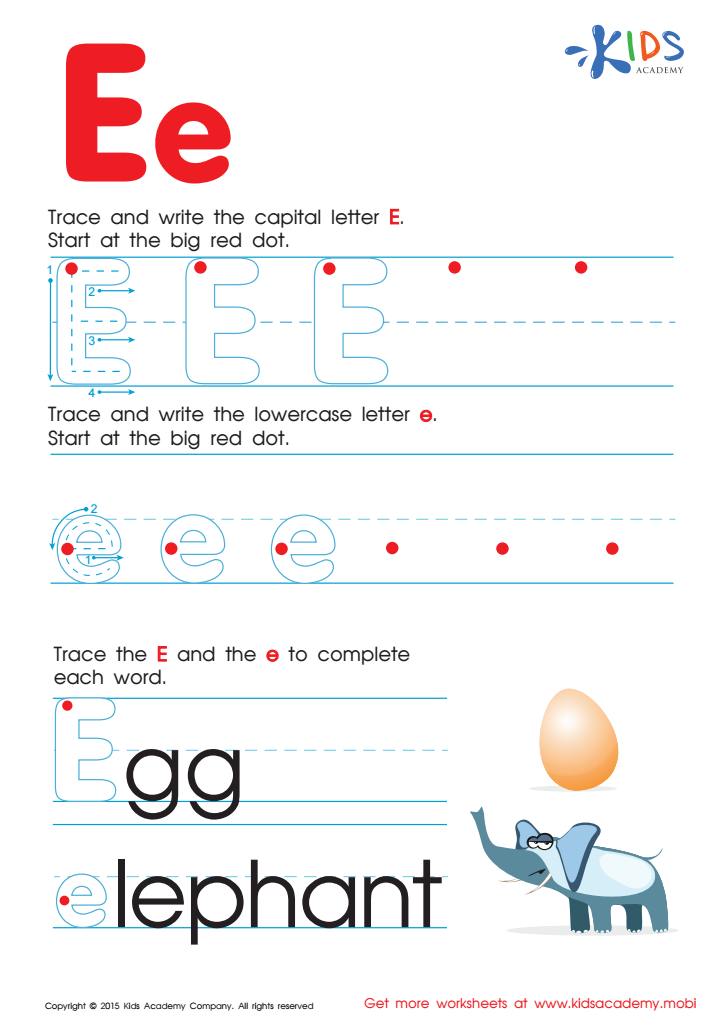
Letter E Tracing Page






Fine motor skills are crucial for children aged 4-9, as these abilities enable them to perform daily tasks with precision and independence. Fine motor skills involve the small muscles in the hands and fingers, necessary for coordinating actions like drawing, cutting, writing, and buttoning clothing. For both parents and teachers, understanding the importance of fine motor skills can greatly impact a child's overall development.
Good fine motor skills improve handwriting, allowing children to write the letter ‘e’ properly, leading to enhanced communication and confidence in academic settings. This is not just about forming letters correctly; it involves grip strength, hand-eye coordination, and control, essential for composing legible and fluid writing. When children struggle with these skills, they can experience frustration, diminished self-esteem, and disengagement from academic activities.
Beyond academics, fine motor skills foster independence in personal care, such as brushing teeth and managing clothing, contributing to a child’s self-reliance and confidence. Early intervention and practice can yield significant long-term benefits, ensuring children do not lag in critical areas that could affect their future educational and life experiences. Therefore, nurturing fine motor skills from a young age primes children for success in school and everyday life, providing a foundation for more complex tasks as they grow.