Handwriting practice Normal Letter Recognition Worksheets for Ages 4-9
23 filtered results
-
From - To
At Kids Academy, our "Handwriting Practice Normal Letter Recognition Worksheets for Ages 4-9" are designed to make learning fun and effective for young learners. These engaging, printable sheets focus on developing essential handwriting skills while enhancing letter recognition. Tailored exercises guide children through the alphabet, promoting fine motor skills and building a strong foundation for literacy. Perfect for use at home or in the classroom, our worksheets cater to various learning paces, ensuring every child can progress confidently. Unlock the joy of learning with Kids Academy and watch your child's handwriting flourish effortlessly!
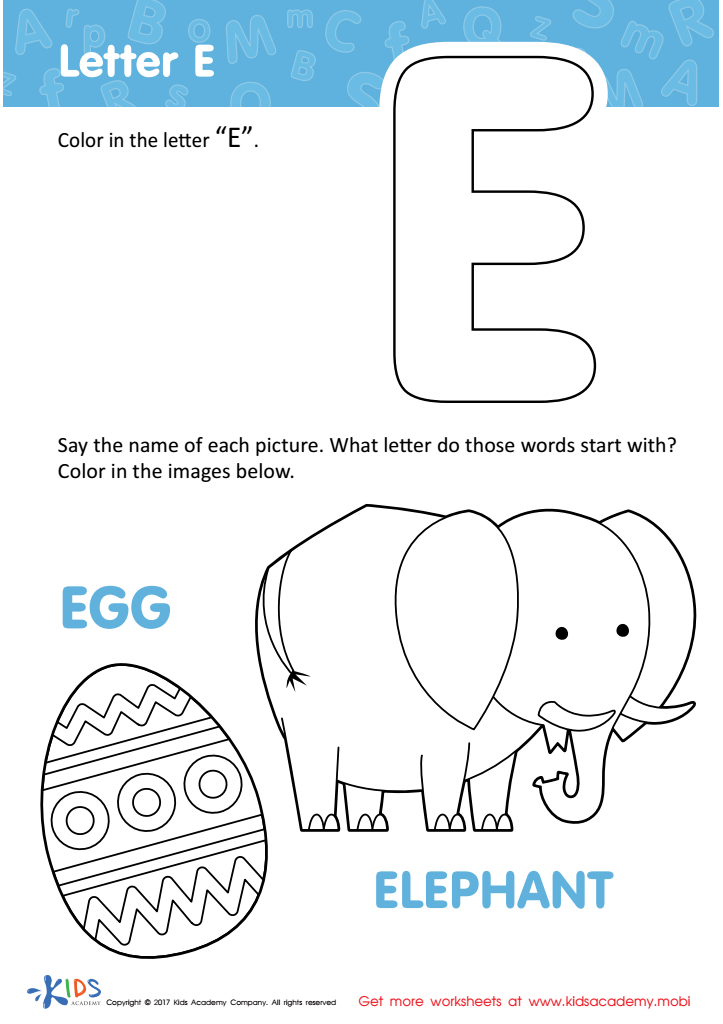
Letter E Coloring Sheet
 Assign to My Students
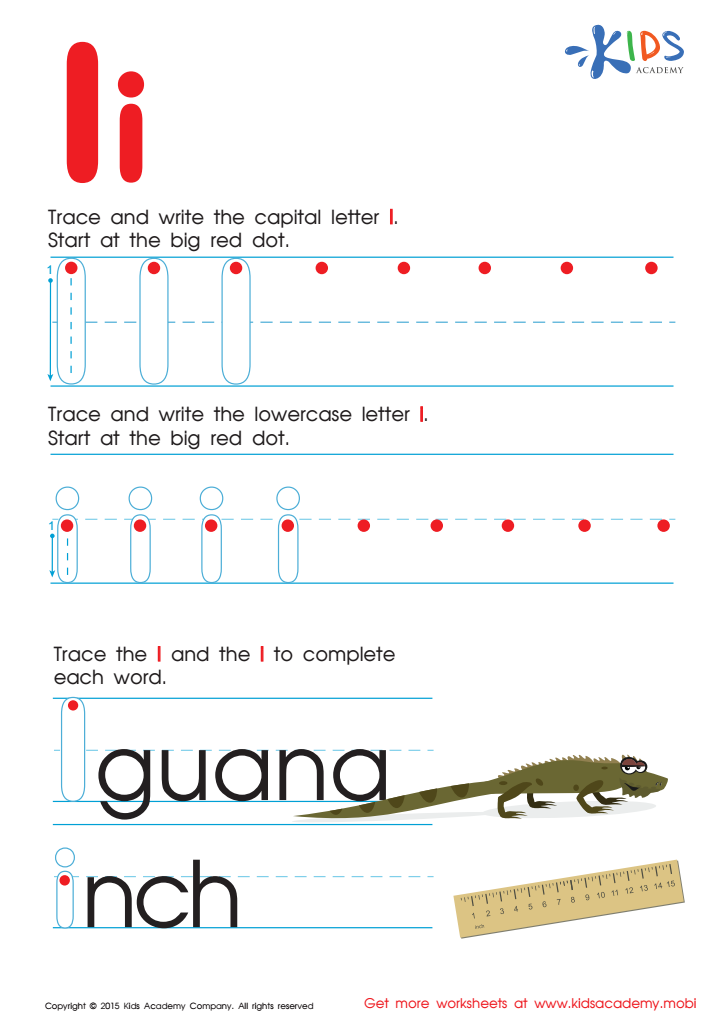
Letter I Tracing Page
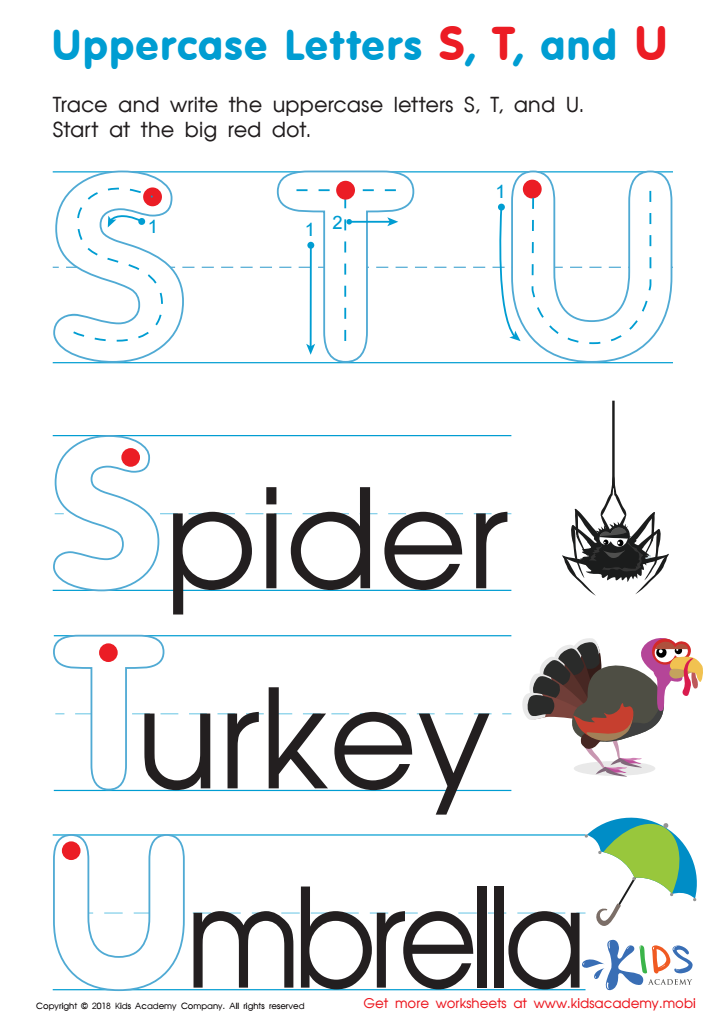
Uppercase Letters S, T, and U Worksheet
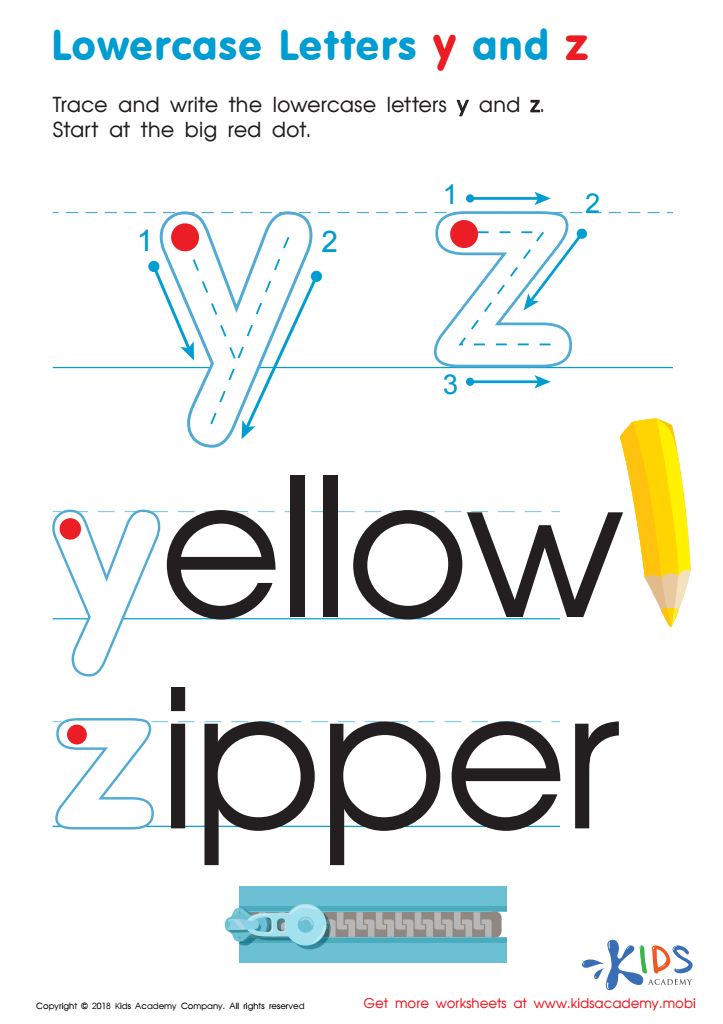
Lowercase Letters y z Worksheet
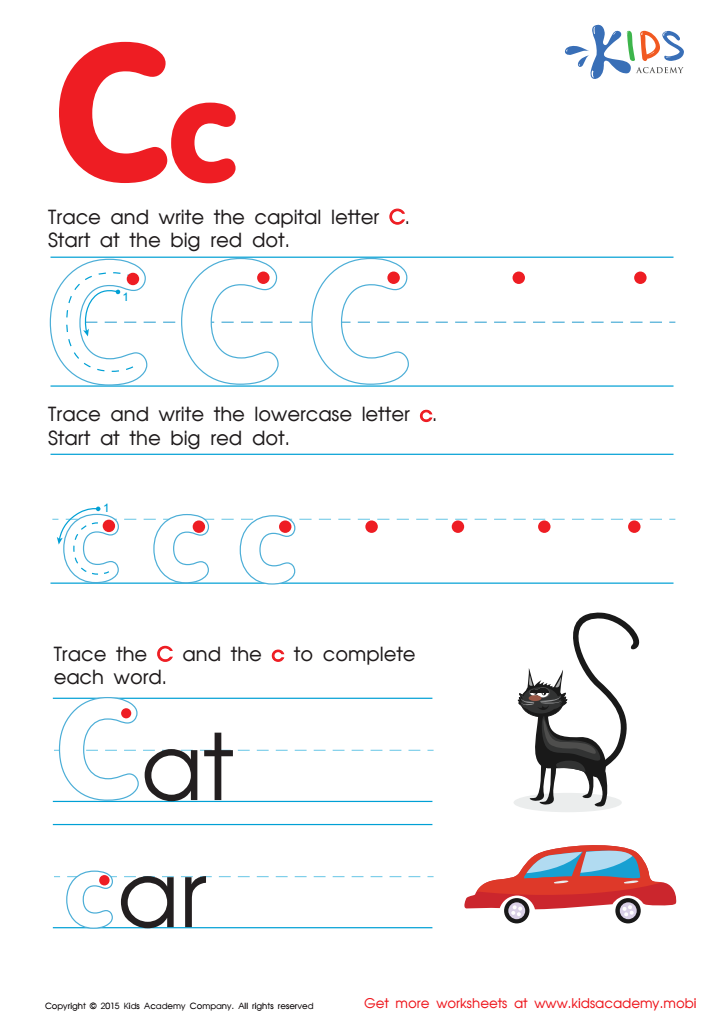
Letter C Tracing Page
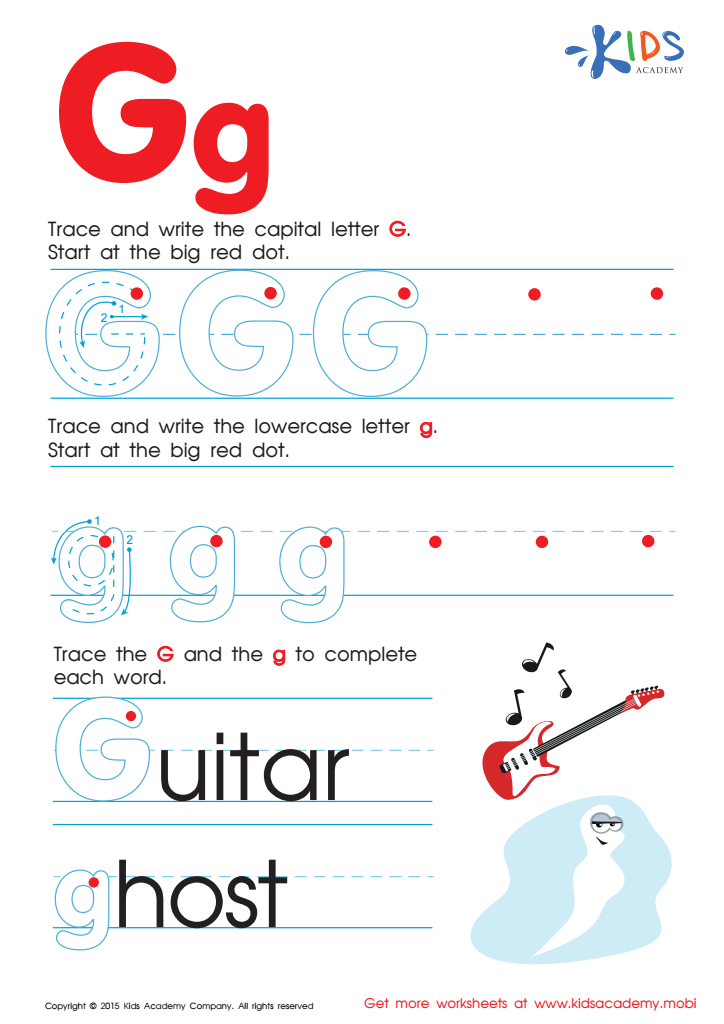
Letter G Tracing Page
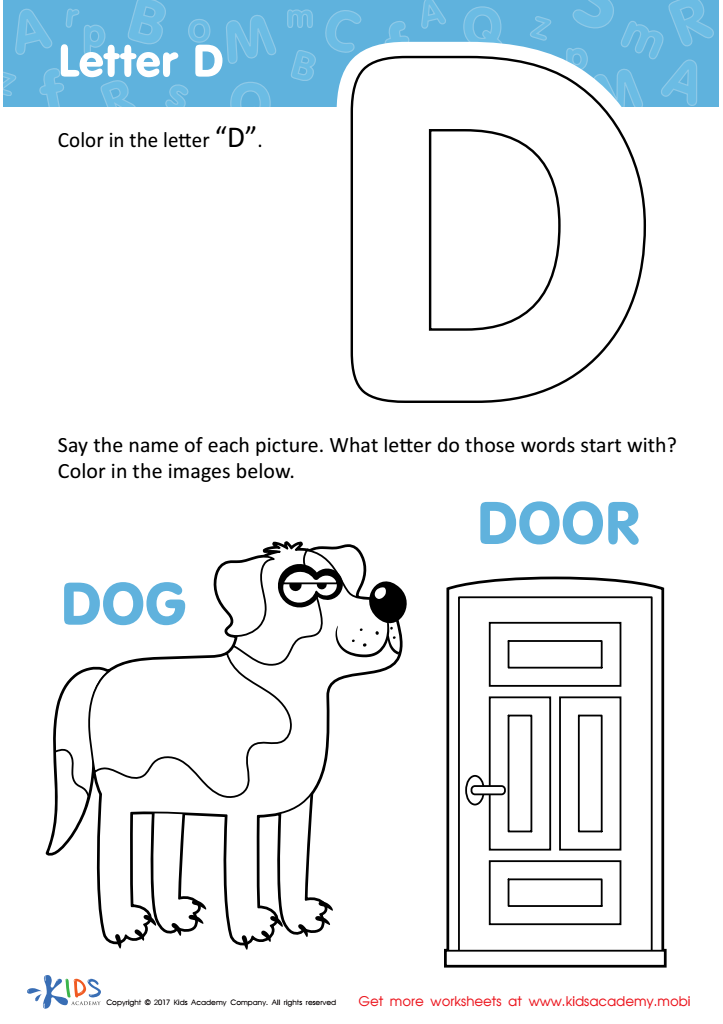
Letter D Coloring Sheet
Assign to My Students
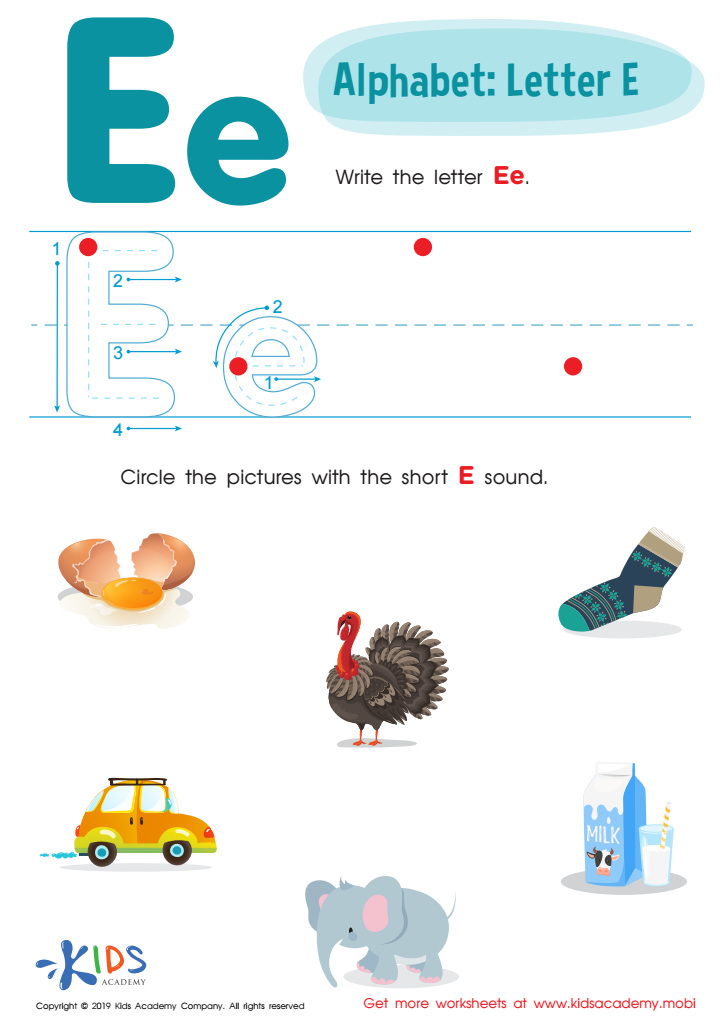
Letter E Tracing Worksheet
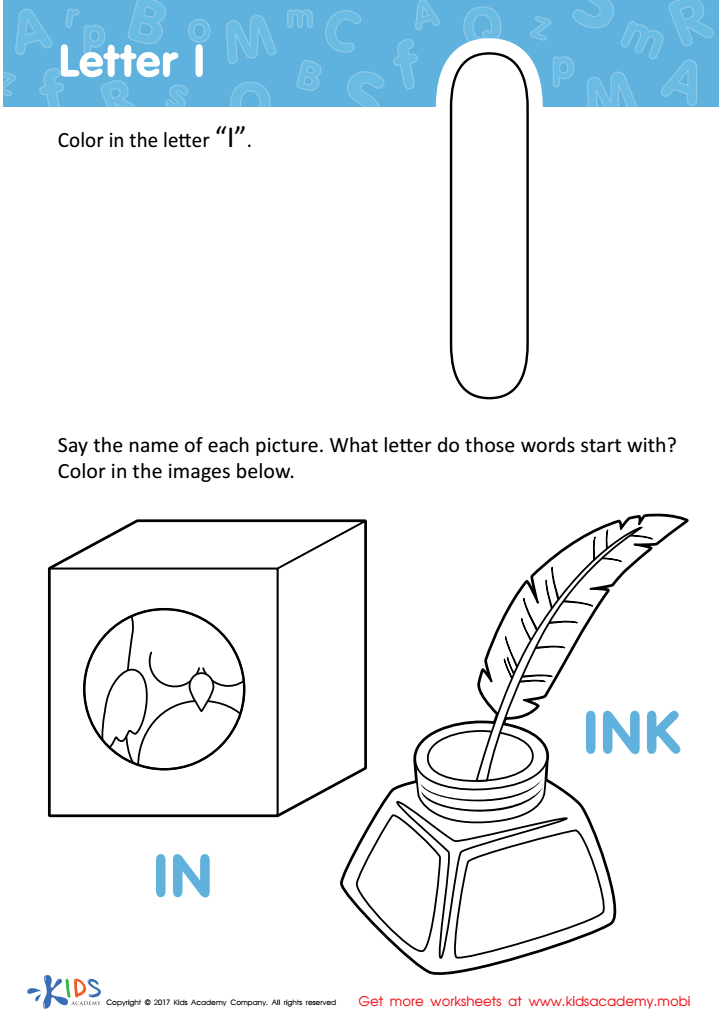
Letter I Coloring Sheet
Assign to My Students
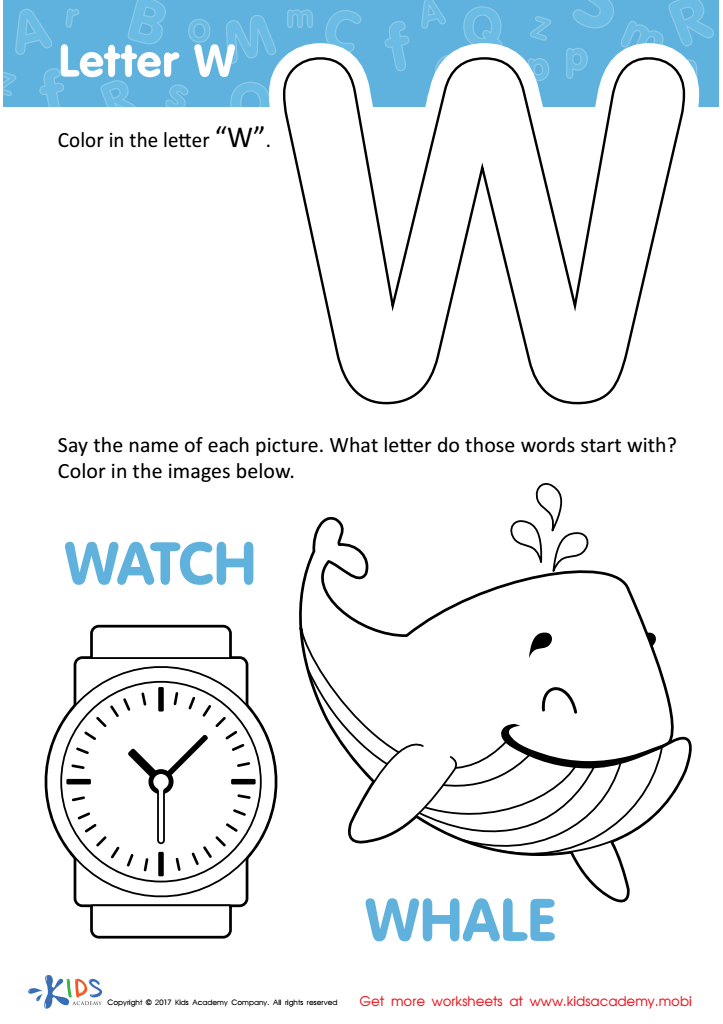
Letter W Coloring Sheet
Assign to My Students
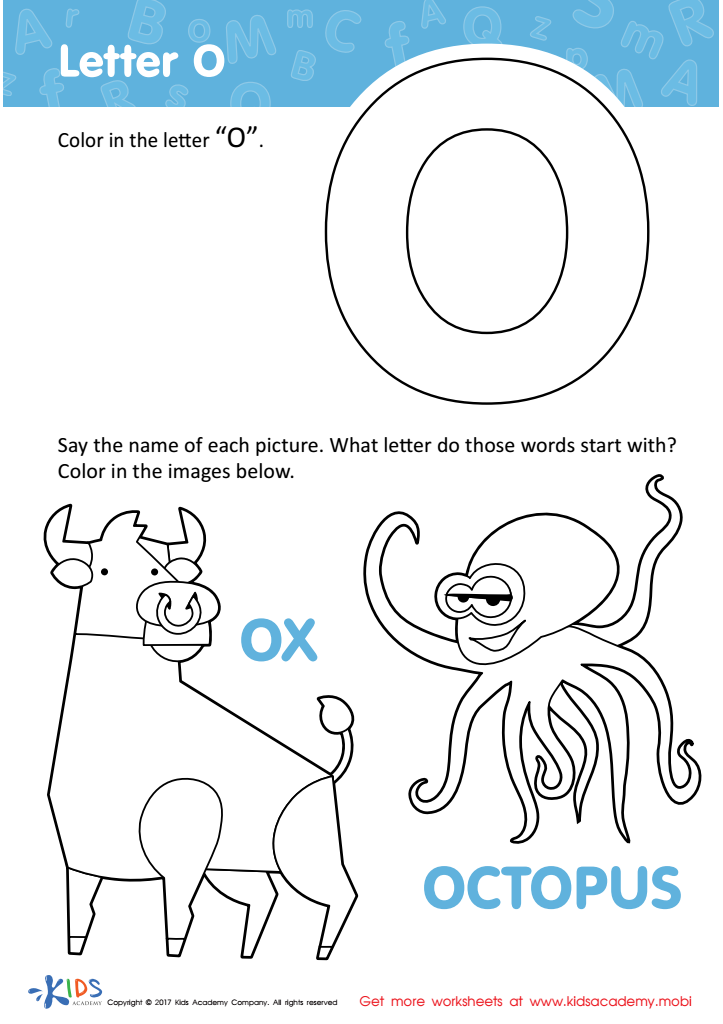
Letter O Coloring Sheet
Assign to My Students
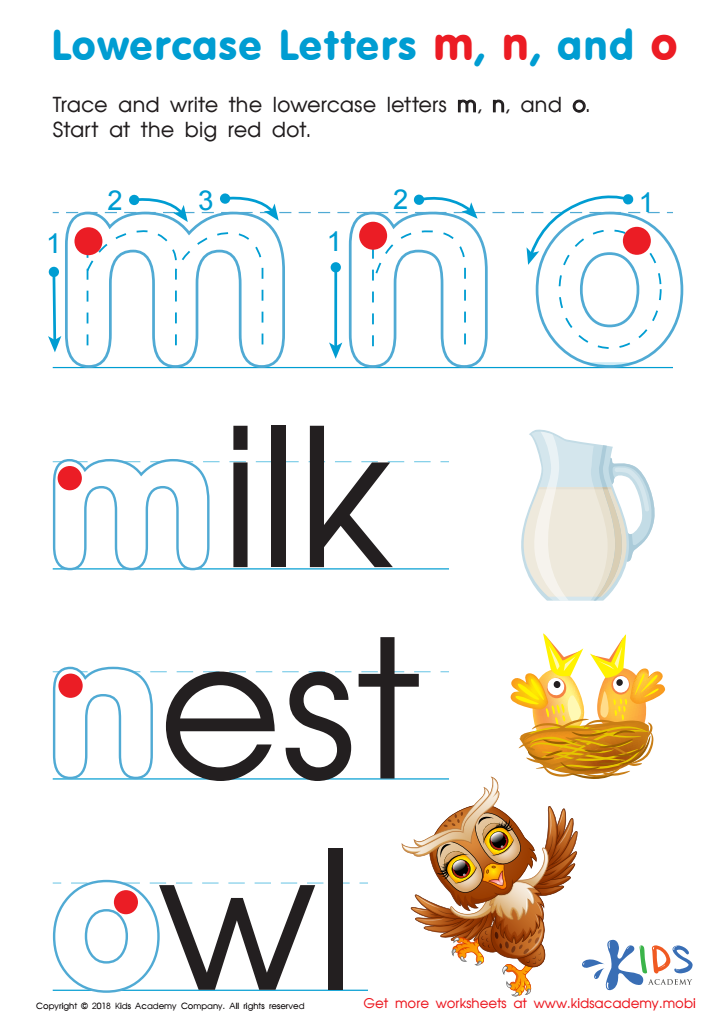
Lowercase Letters m n o Worksheet
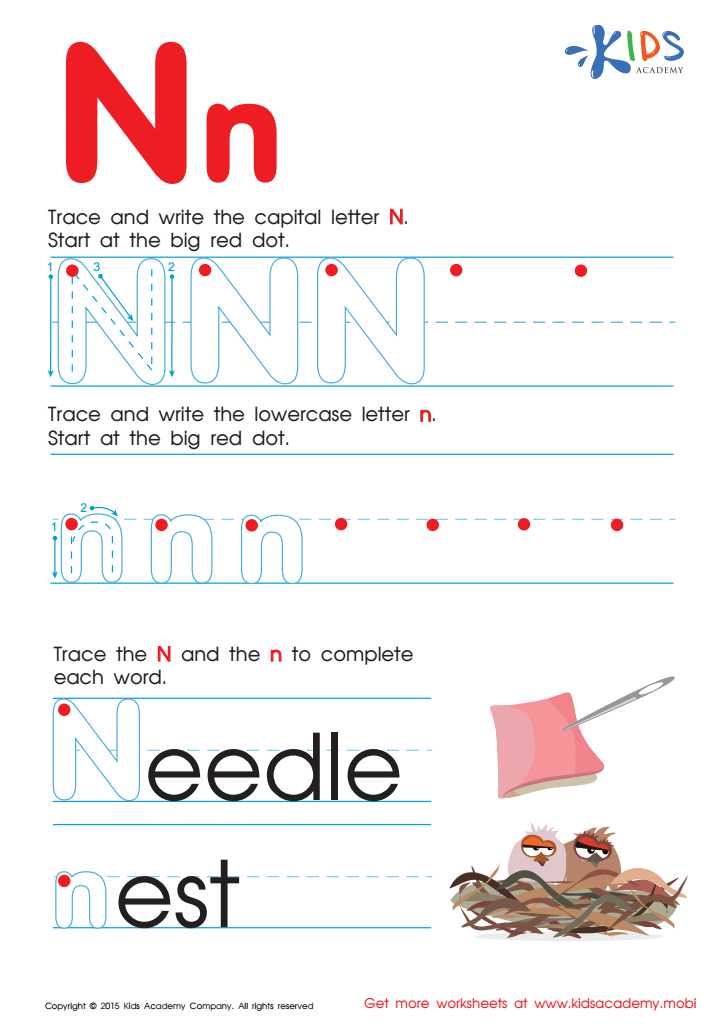
Letter N Tracing Page
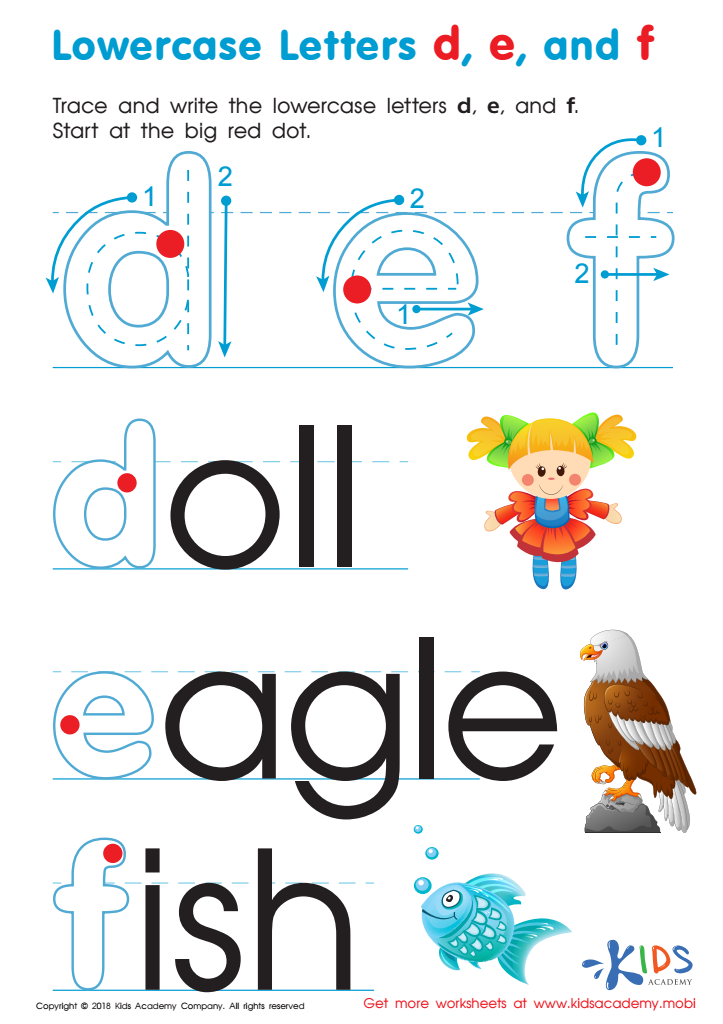
Lowercase Letters d e f Worksheet
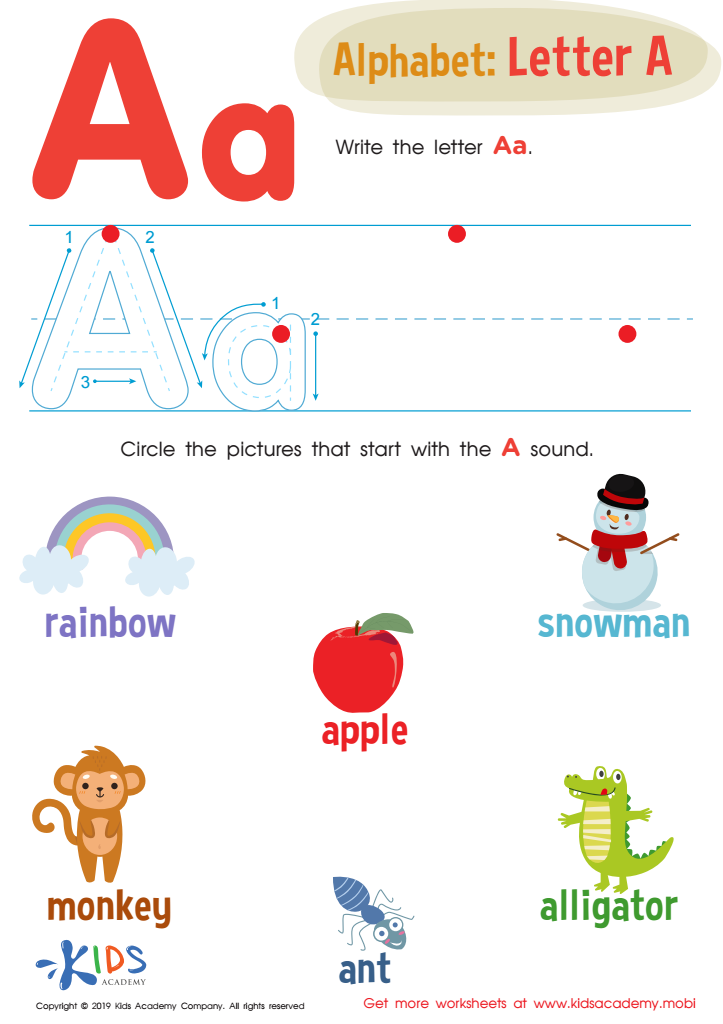
Letter A Tracing Worksheet
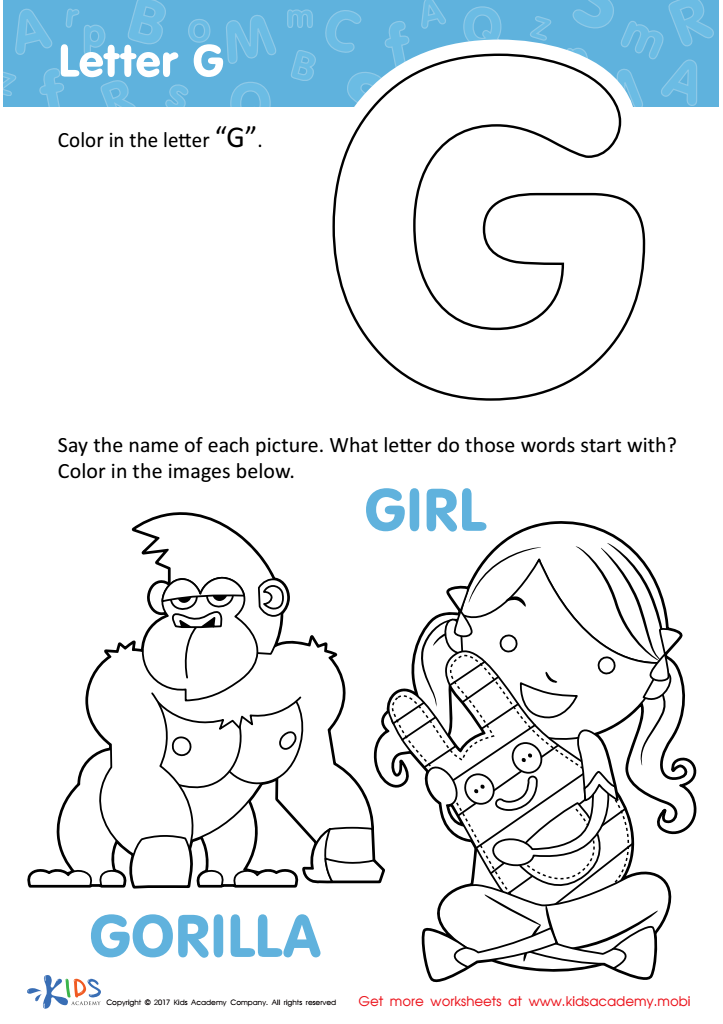
Letter G Coloring Sheet
Assign to My Students
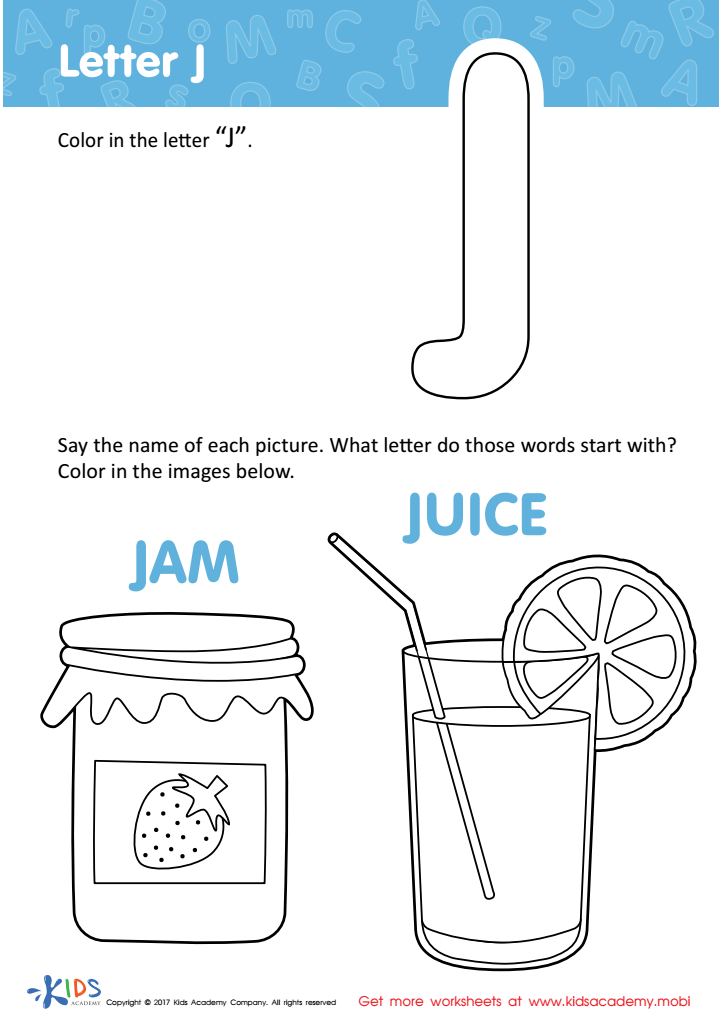
Letter J Coloring Sheet
Assign to My Students
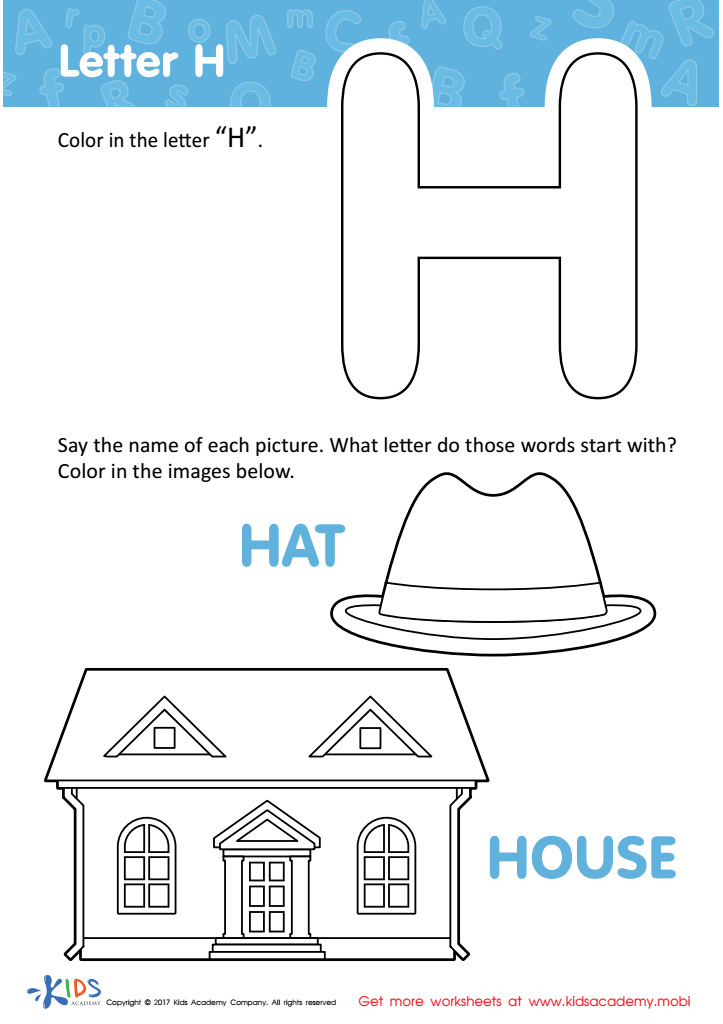
Letter H Coloring Sheet
Assign to My Students
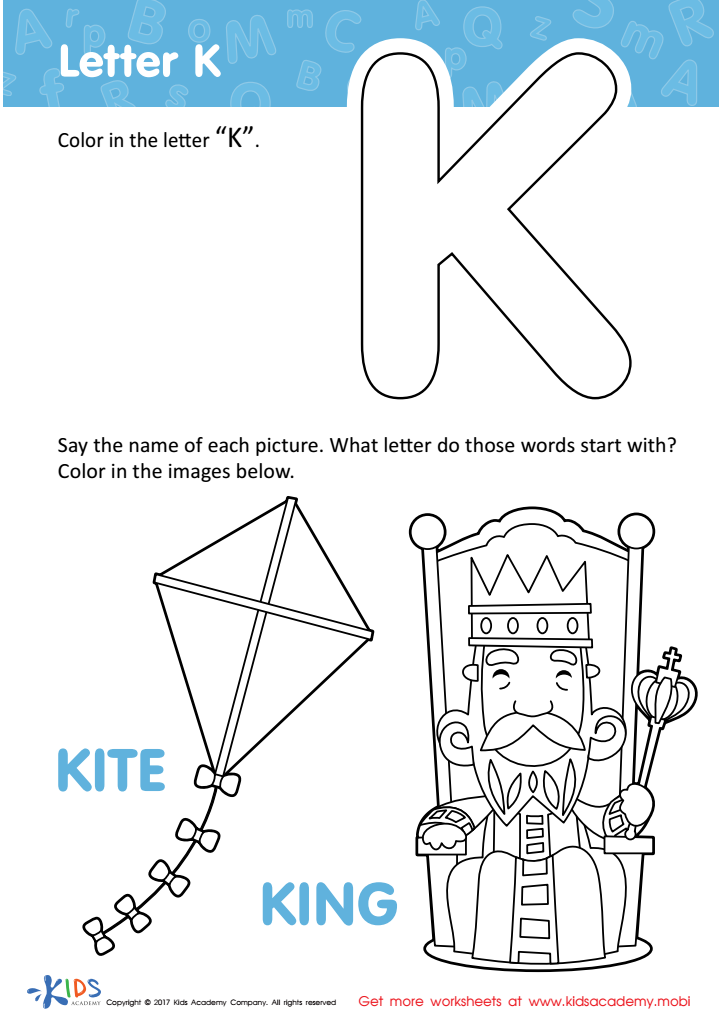
Letter K Coloring Sheet
Assign to My Students
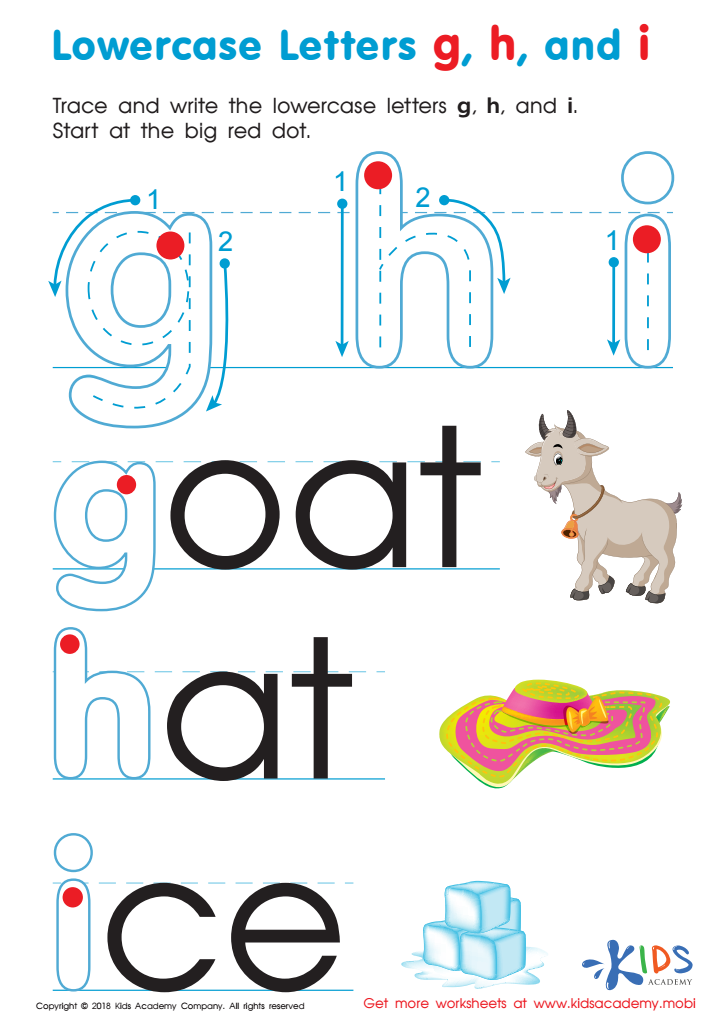
Lowercase Letters g h i Worksheet
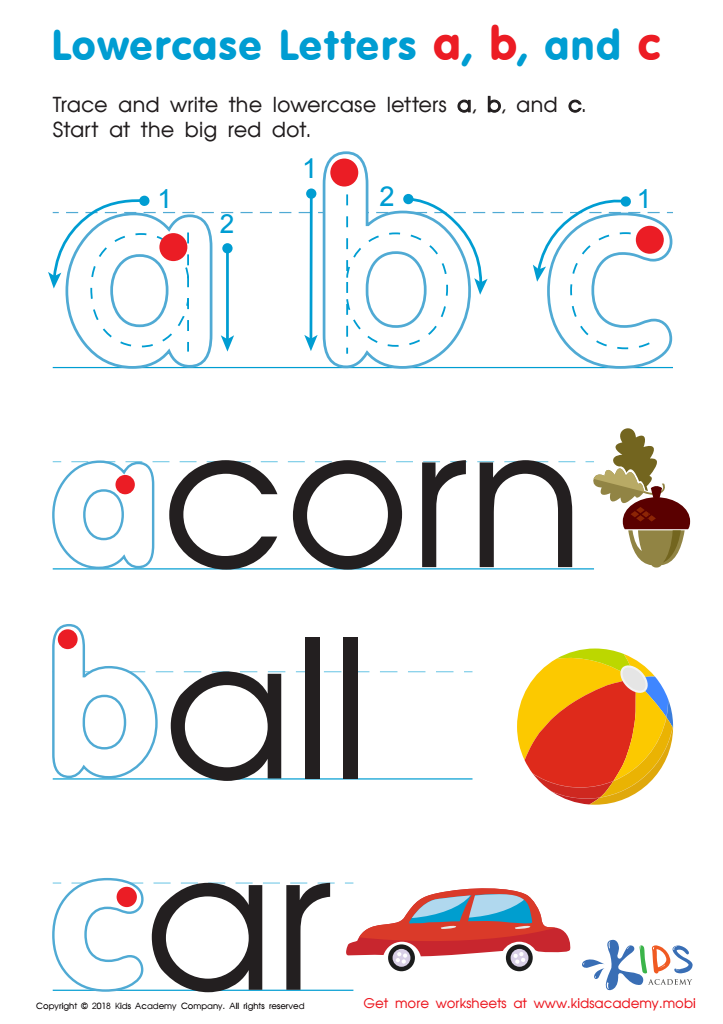
Lowercase Letters a b c Worksheet
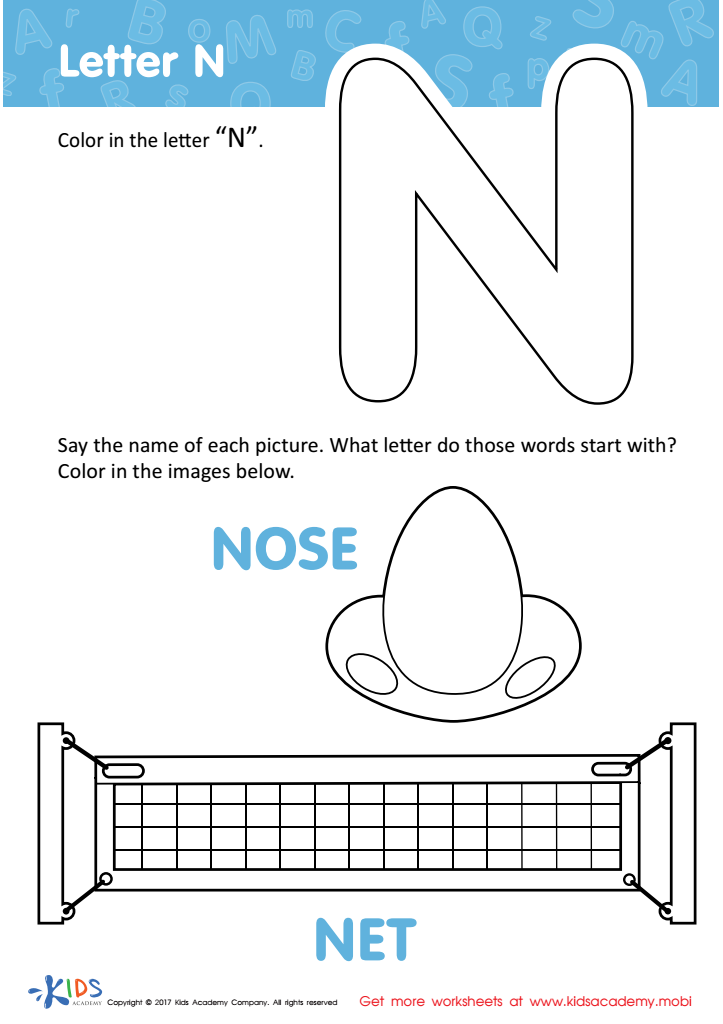
Letter N Coloring Sheet
Assign to My Students
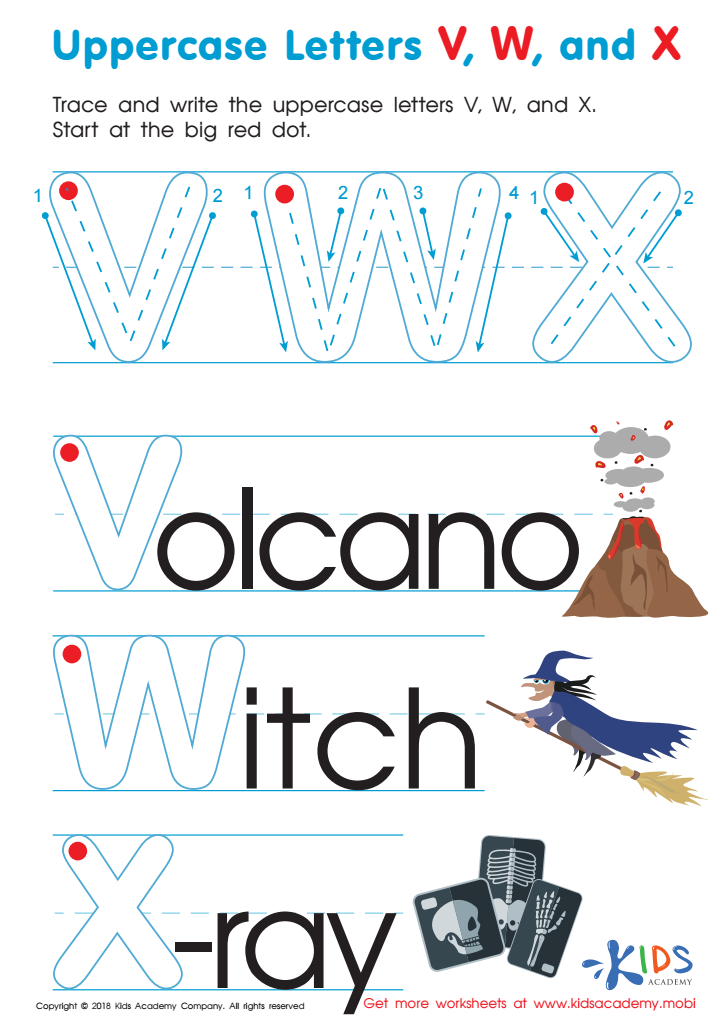
Uppercase Letters V, W, and X Worksheet








Handwriting practice in early childhood development is foundational for several critical skills. For children aged 4-9, handwriting isn't just about learning to form letters; it's integral to cognitive, motor, and academic growth. At this stage, good handwriting practice enhances fine motor skills, improving a child's ability to perform tasks that require precise hand movements, such as using scissors or typing.
Normal letter recognition, the ability to identify and differentiate letters, is essential for reading proficiency. When children practice handwriting, they reinforce their visual and muscle memory of letter shapes, facilitating better letter recognition. This, in turn, aids in literacy, enabling children to decode words more efficiently. Improved handwriting can lead to better writing performance, fostering the ability to express themselves clearly and effectively in written form.
Furthermore, there's a significant connection between handwriting and brain development. Studies show that engaging in handwriting activates neural regions responsible for thinking, language, and memory. This cognitive exercise is vital at an age when children's brains are rapidly developing.
Parents and teachers should care about handwriting as it lays the foundation for academic success and fosters confidence. Well-rounded skills in handwriting contribute to smoother learning experiences, healthier social interactions, and a more robust educational foundation.








