Problem-Solving Skills Normal Letter Recognition Worksheets for Ages 4-9
3 filtered results
-
From - To
Enhance your child's learning experience with our "Problem-Solving Skills Normal Letter Recognition Worksheets" designed for ages 4-9. These engaging worksheets not only focus on letter recognition, but also foster essential problem-solving skills through fun, interactive activities. Children will tackle exciting challenges as they identify letters in various contexts, encouraging critical thinking and cognitive development. By incorporating visual and kinesthetic learning strategies, these worksheets cater to diverse learning styles. Support your child's educational journey and boost their confidence with this essential resource that promotes both literacy and problem-solving abilities, laying a strong foundation for their future academic success.
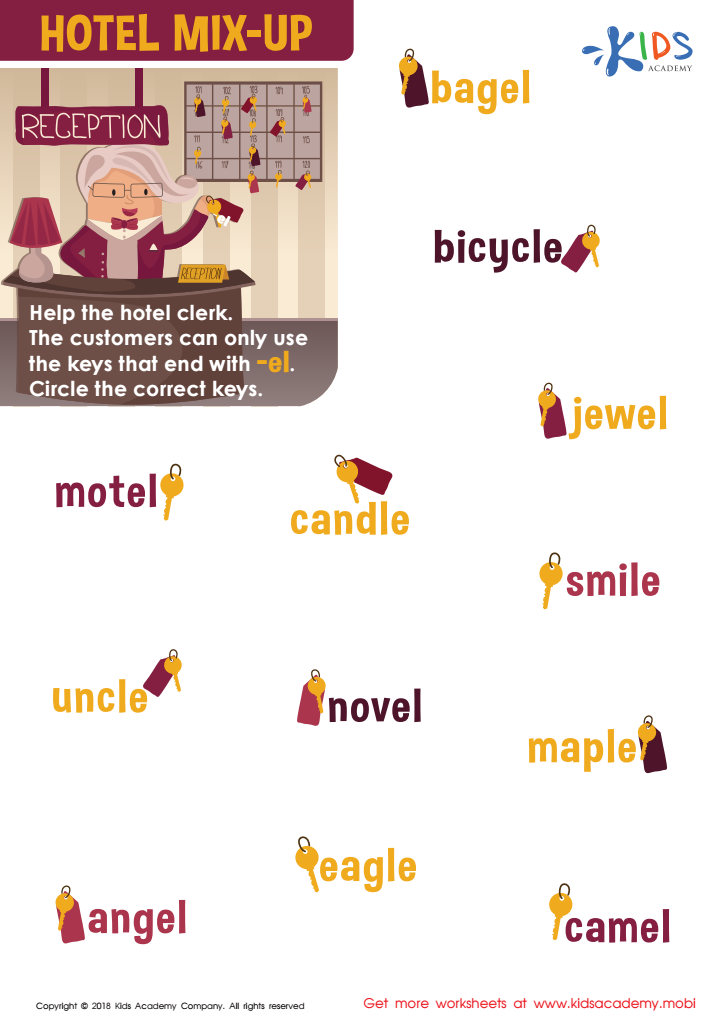
Hotel Mix-up Worksheet
 Assign to My Students
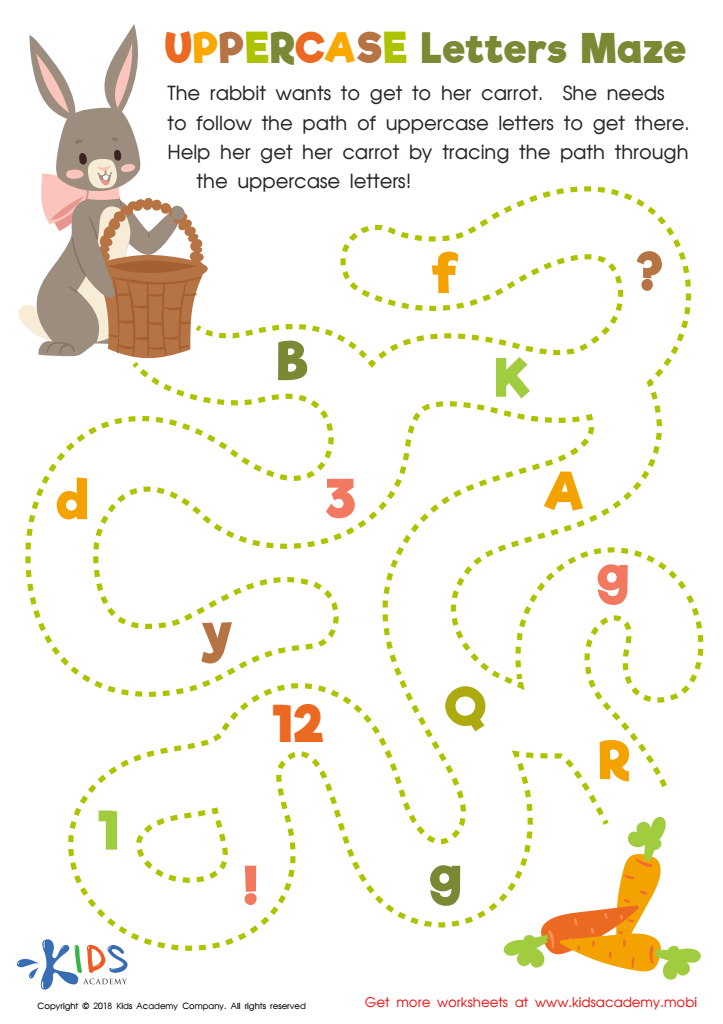
Uppercase Letters Maze Worksheet
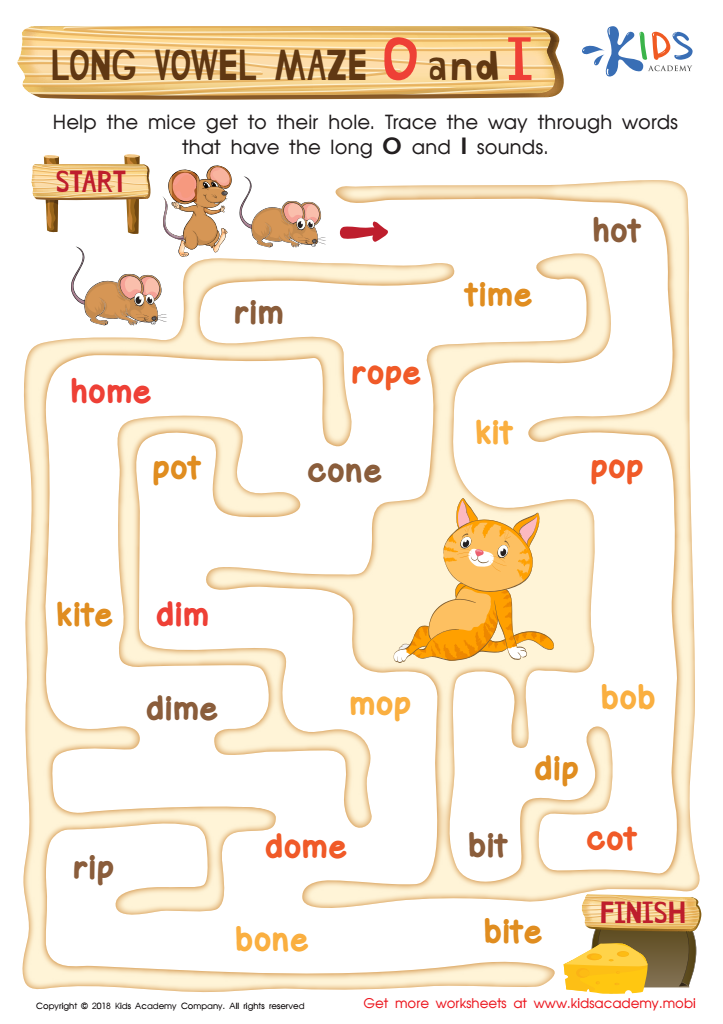
Long Vowel Maze /o/ and /i/ Worksheet








Parents and teachers should prioritize problem-solving skills and letter recognition for children aged 4-9 due to their foundational role in future learning and life competencies. Problem-solving skills equip children with essential critical thinking abilities, enabling them to approach challenges creatively and methodically. At this early age, fostering a growth mindset connected to problem-solving nurtures resilience, adaptability, and confidence—qualities that are invaluable in both academic and personal endeavors.
Simultaneously, normal letter recognition is crucial as it forms the basis for literacy development. Mastering the alphabet allows children to decode words, facilitating reading and writing skills that are essential for effective communication. When kids recognize letters, they also begin to understand phonics, paving the way for stronger language arts.
Moreover, integrating problem-solving skills with letter recognition can enhance cognitive functions. For instance, engaging activities like letter scavenger hunts or puzzles encourage collaborative problem-solving while strengthening literacy skills. Ultimately, these abilities not only contribute to academic success but also prepare children to navigate complex social situations, making them integral components of a well-rounded education. By emphasizing both areas, parents and teachers can provide children with the tools they need for lifelong learning and successful interaction within their communities.








