Vocabulary expansion Normal Long And Short Vowel Worksheets for Ages 4-9
5 filtered results
-
From - To
Unlock your child's potential with our engaging Vocabulary Expansion Worksheets focusing on Long and Short Vowels for ages 4 to 9! Designed to enhance phonetic understanding, these worksheets provide a fun and educational way to familiarize young learners with vowel sounds. Each activity encourages children to identify and differentiate between long and short vowels while building their vocabulary. From matching exercises to creative writing prompts, our resources cater to various learning styles, making language development enjoyable and effective. Give your child a head start in literacy skills with our carefully crafted worksheets, perfect for home or classroom use! Start exploring the world of words today!
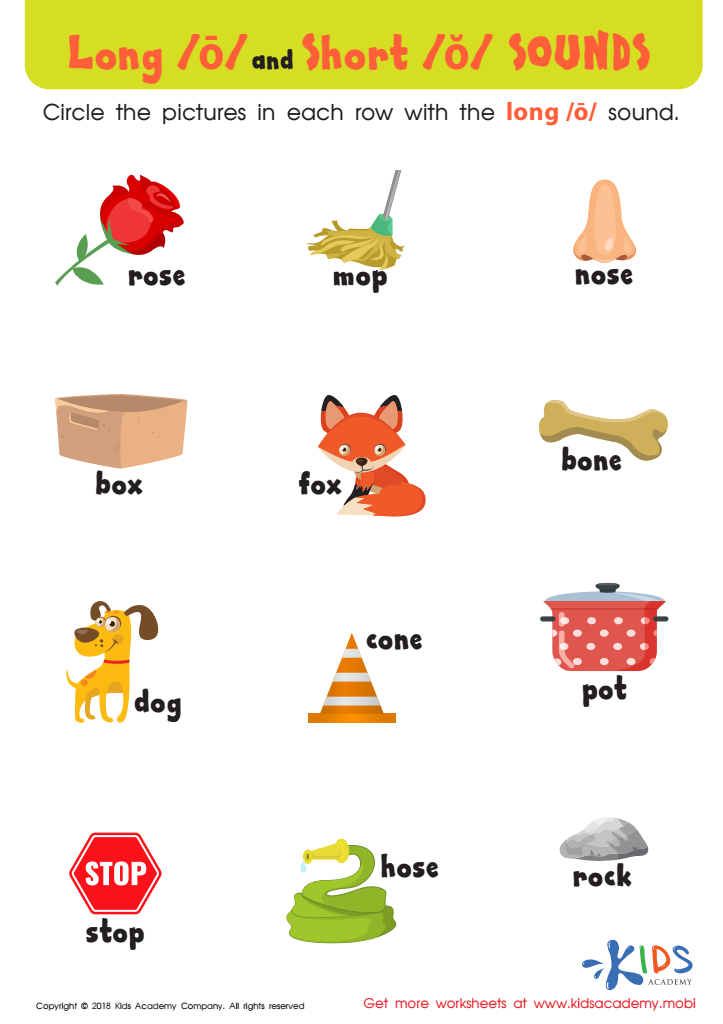
Reading: Long O and Short O Sounds Worksheet
 Assign to My Students
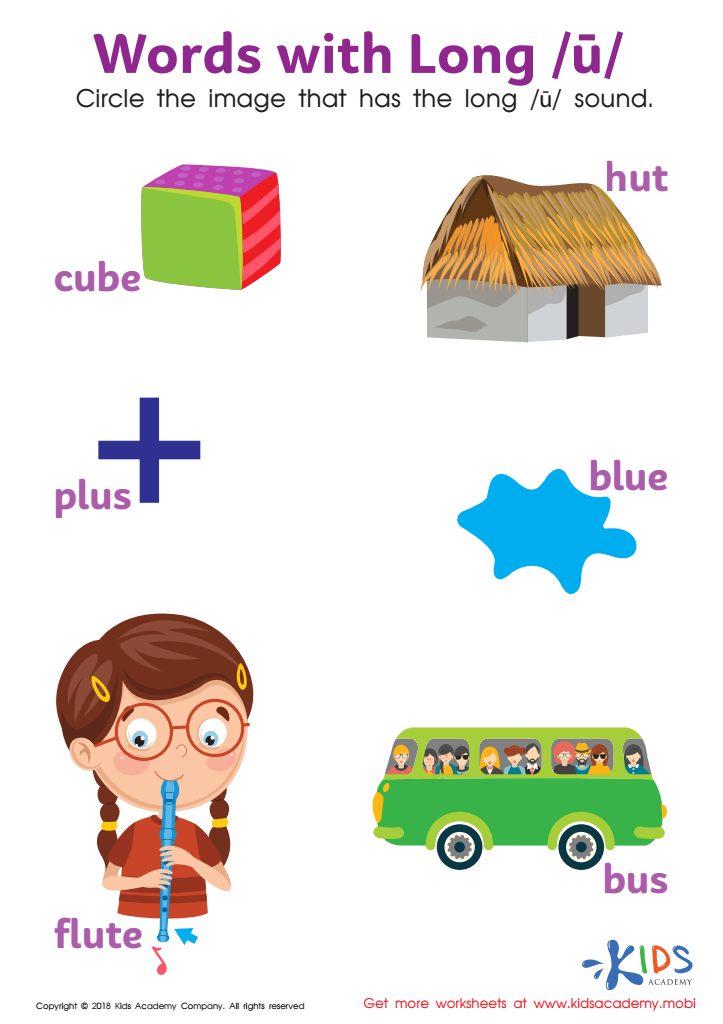
Words with Long U Reading Worksheet
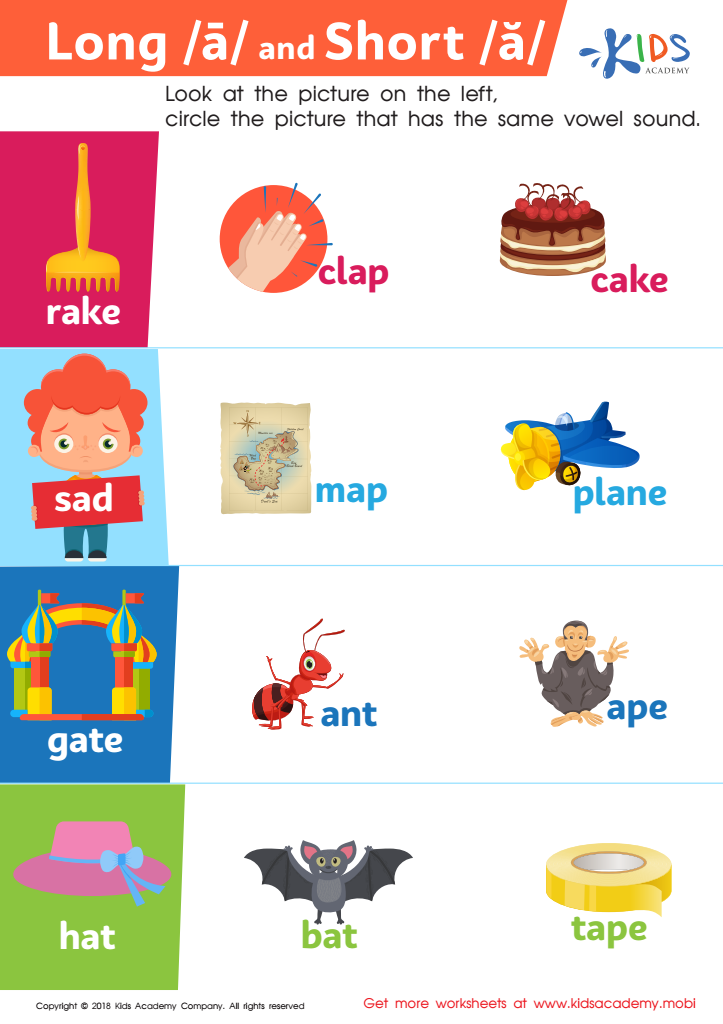
Reading: Long a and Short a Worksheet
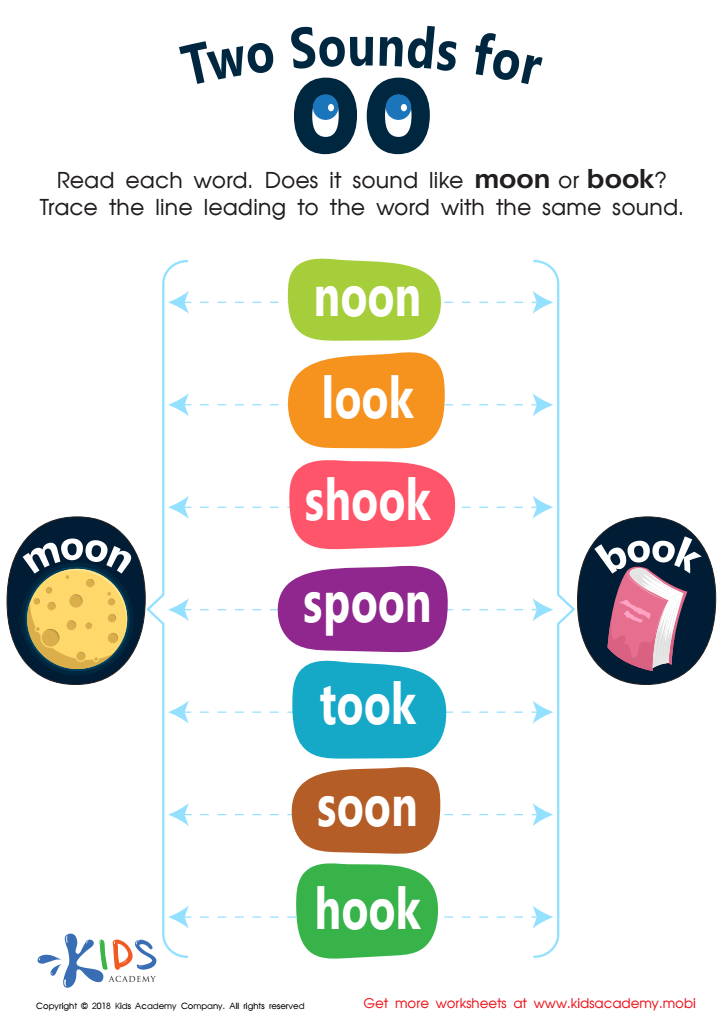
Two Sounds for OO Worksheet
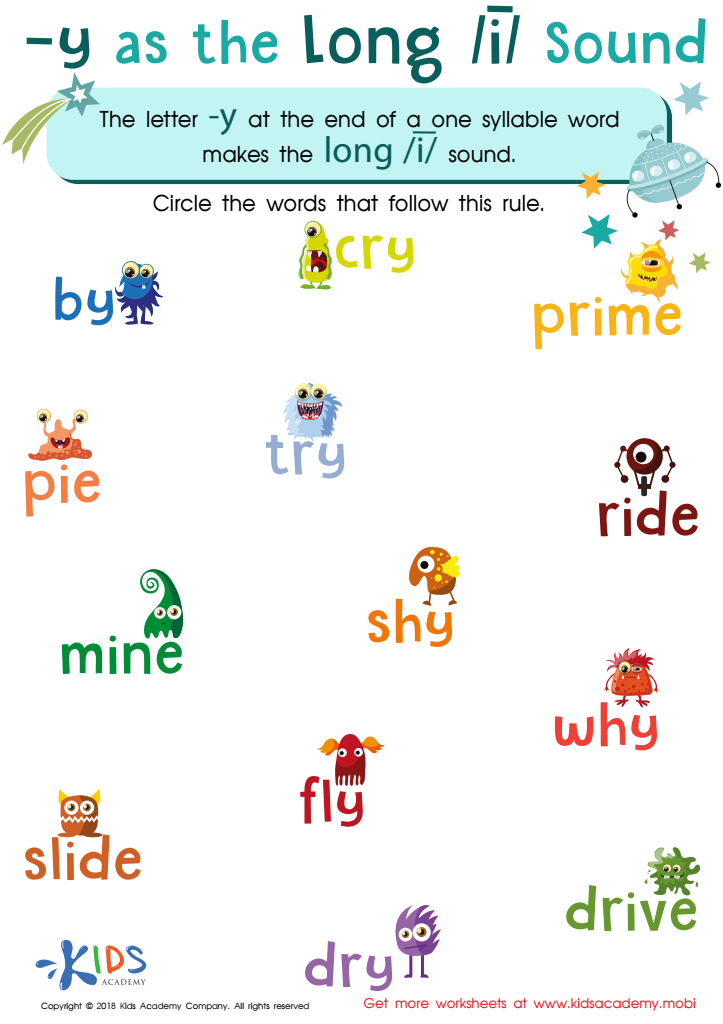
Reading: Y as Long I Worksheet




Vocabulary expansion, particularly through understanding normal long and short vowels, is crucial for children aged 4-9 as it lays the foundation for reading proficiency, effective communication, and overall cognitive development. At this age, children are rapidly acquiring language skills, and a strong vocabulary supports literacy and comprehension abilities.
Short and long vowels are integral to phonics, helping children decode words and improve their reading fluency. When children grasp the difference between vowel sounds, they can better recognize words, enhancing their reading confidence. This, in turn, fosters a love for reading, which is essential for lifelong learning.
Moreover, vocabulary expansion is linked to academic success in other subjects. Children who articulate their thoughts and ideas clearly often perform better in school, promoting participation and confidence in classroom settings.
By emphasizing vowel sounds and vocabulary, parents and teachers can create engaging learning experiences that motivate children. This, paired with supportive reading environments, nurtures curiosity and a sense of achievement. Ultimately, fostering early vocabulary skills prepares children for a bright academic future and helps cultivate a passion for language that transcends beyond the classroom.








