Vocabulary expansion Normal Long Vowels Worksheets for Ages 4-9
6 filtered results
-
From - To
Enhance your child's vocabulary with our engaging Normal Long Vowels Worksheets, designed for ages 4-9! These thoughtfully crafted worksheets focus on expanding your little one's understanding of long vowel sounds through interactive activities. Your child will explore various words, develop spelling skills, and increase their comprehension in a fun and approachable way. Each worksheet is tailored to promote cognitive skills and boost linguistic confidence, perfect for early learners. Whether at home or in the classroom, our resources support essential literacy development. Join us in nurturing a lifelong love for language and watch your child's vocabulary flourish! Download them today!
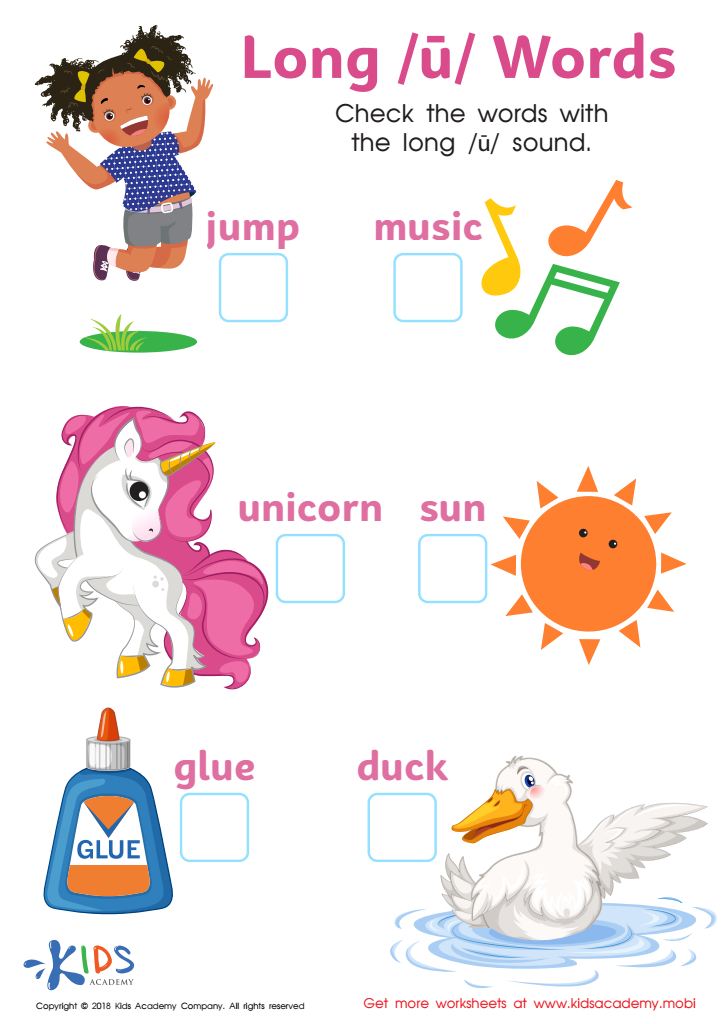
Long U Words Reading Worksheet
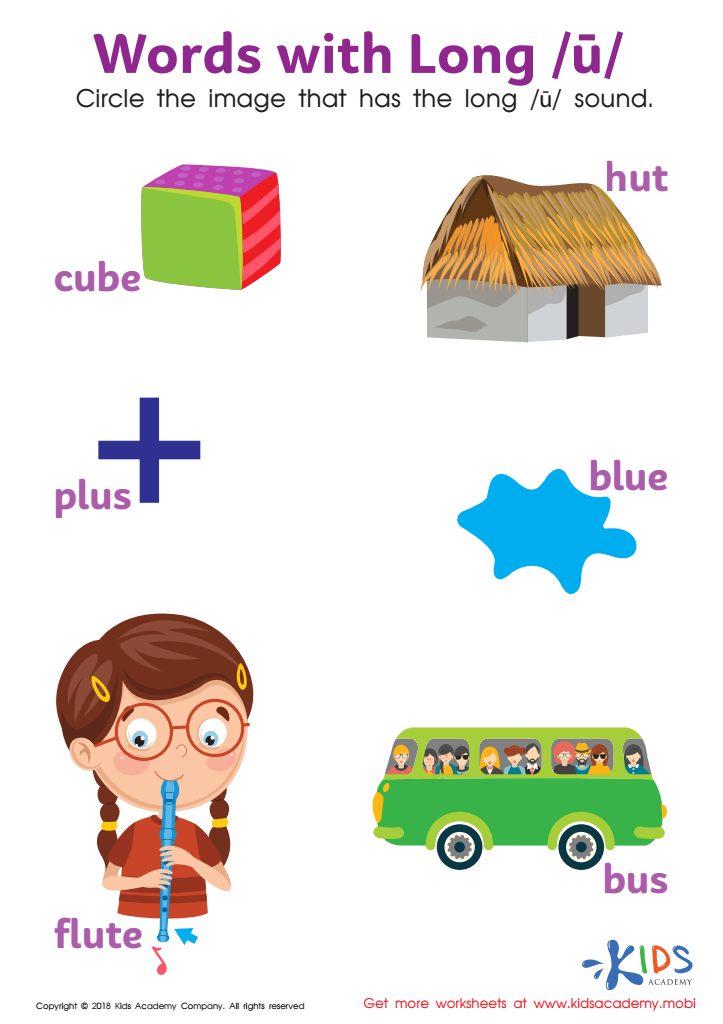
Words with Long U Reading Worksheet

Long and Short U Worksheet
 Assign to My Students
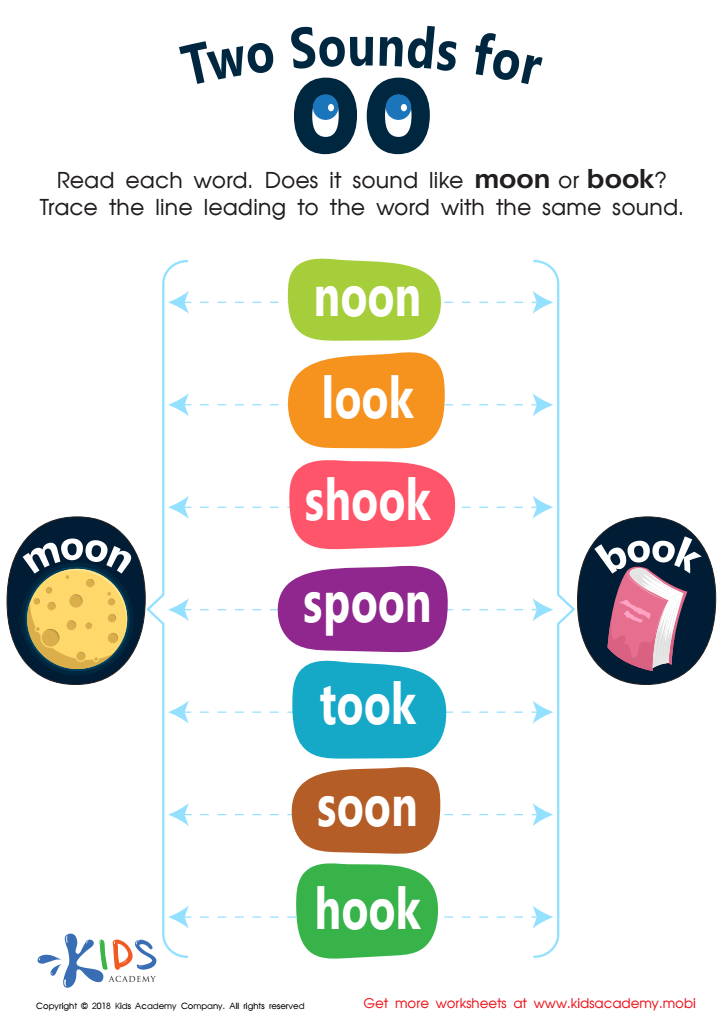
Two Sounds for OO Worksheet
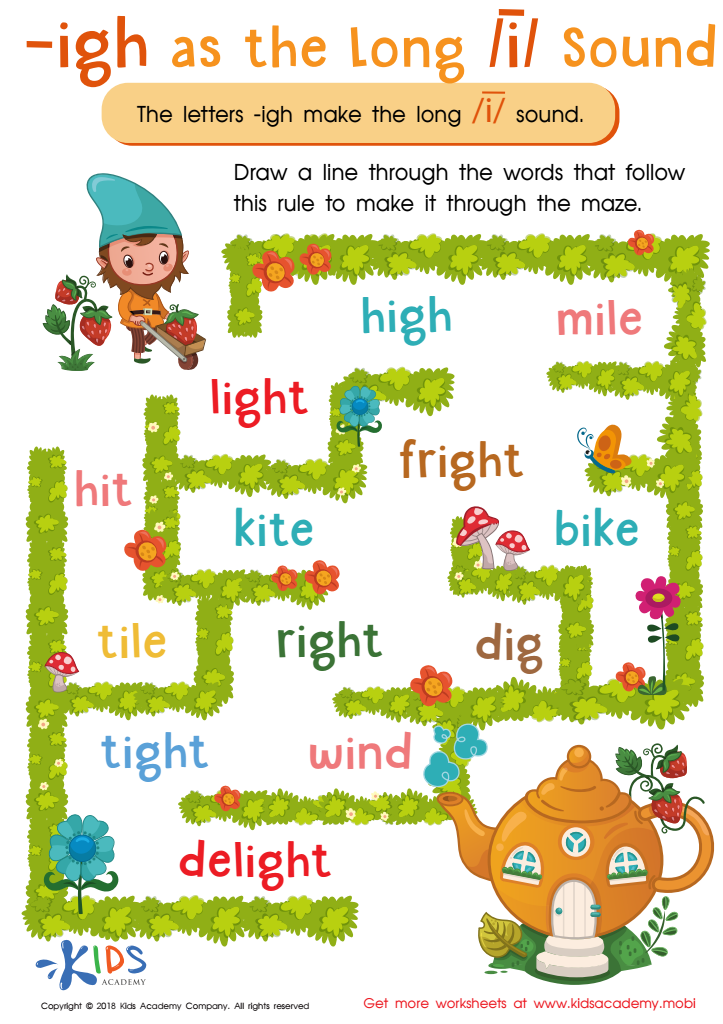
Reading: IGH as Long I Worksheet
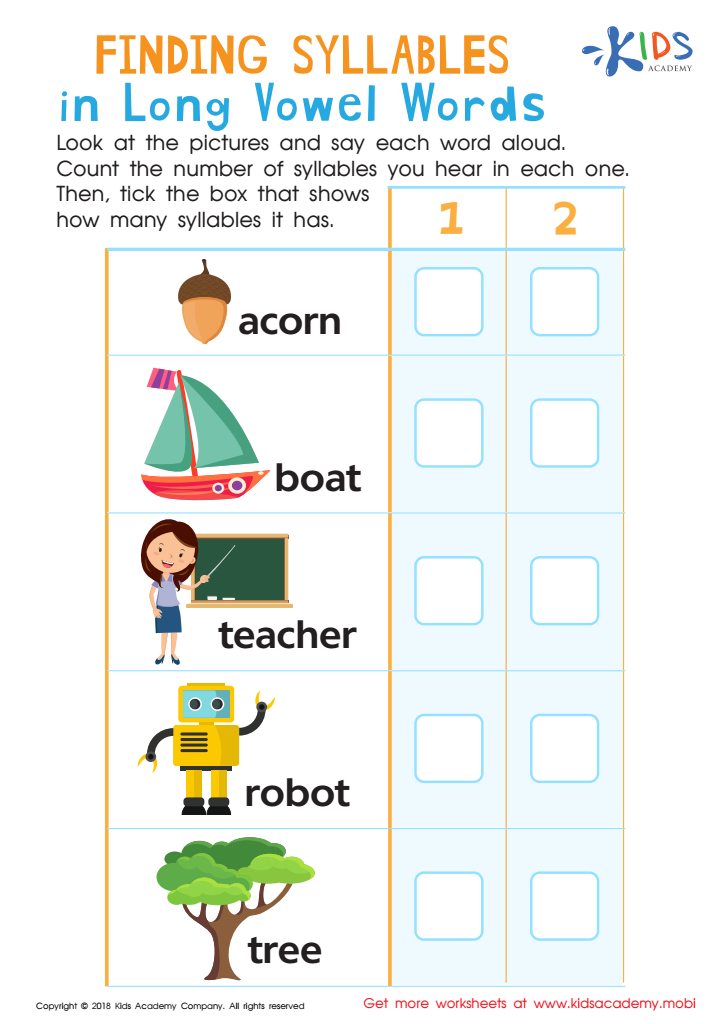
Finding Syllables in Long Vowel Words Worksheet



Vocabulary expansion, particularly focusing on normal long vowels, is crucial for children aged 4-9, as it lays the foundation for their literacy development. During these formative years, children are not only discovering language but also developing essential reading and spelling skills. A strong grasp of vocabulary enhances comprehension, enabling children to express themselves clearly and communicate effectively.
Long vowels, which are crucial for reading, allow children to decode words more easily, fostering a love for reading. This love greatly influences their academic success and helps them engage with diverse texts—be it storybooks, informational texts, or poetry. As children's vocabulary grows, they can articulate their ideas and thoughts more confidently in both spoken and written forms, essential for their overall communication skills.
Furthermore, developing a rich vocabulary early on promotes cognitive skills, critical thinking, and creativity. By focusing on long vowels, parents and teachers can provide targeted support that targets accurate pronunciation and spelling patterns. This knowledge not only helps prevent future reading difficulties but also sets the stage for lifelong learning. Engaging children in vocabulary expansion activities allows them to explore language, fostering curiosity and a deeper understanding of the world around them. Thus, it's vital for caregivers to prioritize this element of literacy development.