Fine Motor Skills Normal Phonics Worksheets for Ages 4-9
5 filtered results
-
From - To
Enhance your child's fine motor and phonics skills with our meticulously designed worksheets, tailored for ages 4-9. Our engaging activities facilitate essential learning through fun, interactive exercises. Each worksheet is carefully crafted to boost finger dexterity and handwriting precision, laying a strong foundation for literacy. From letter tracing to sound recognition, children can explore the alphabet while honing their fine motor skills. Ideal for early learners, our resources promote cognitive and physical development, ensuring kids achieve academic success. Download today and support your child's educational journey with our top-quality, teacher-approved materials. Perfect for at home or in the classroom!
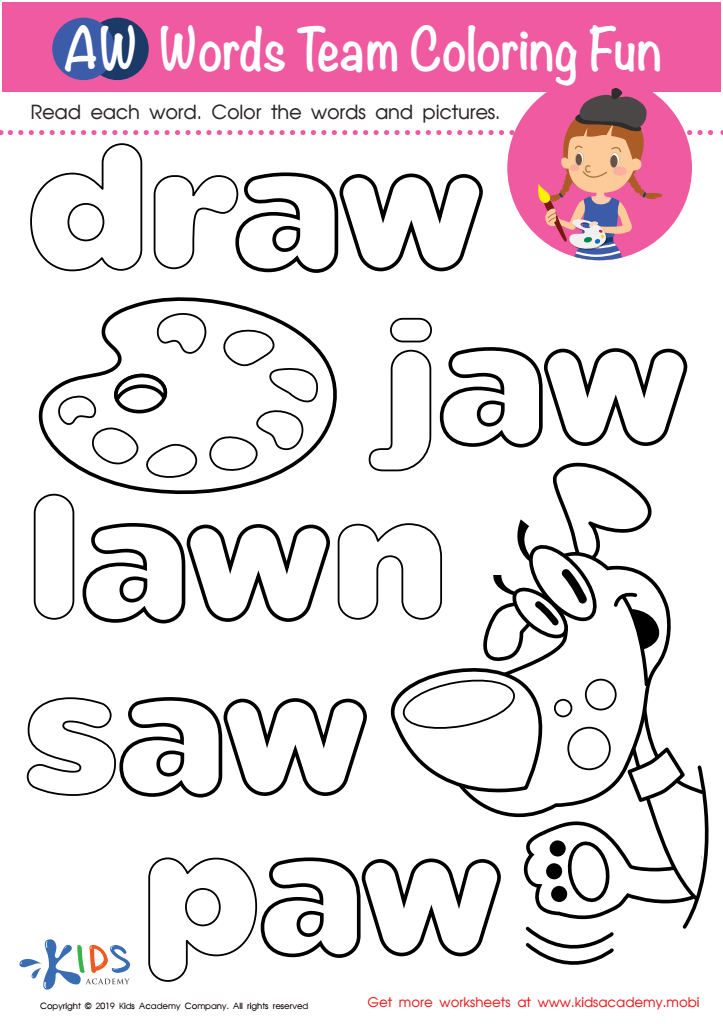
AW Words Team Coloring Fun Worksheet
 Assign to My Students

Long and Short U Worksheet
Assign to My Students
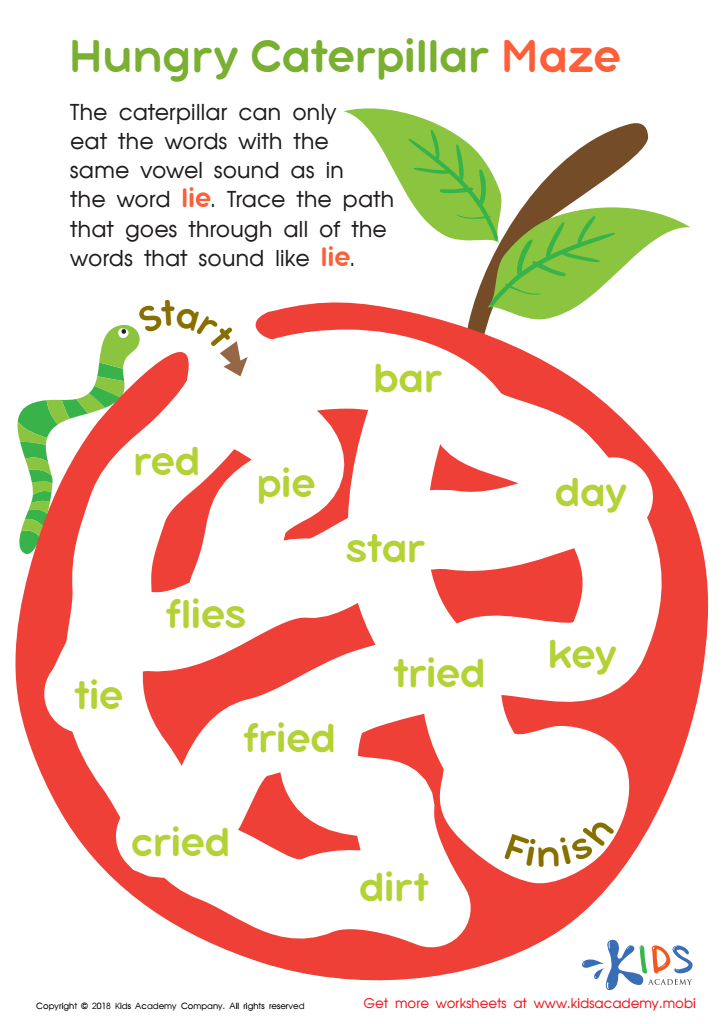
Hungry Caterpillar Maze Worksheet
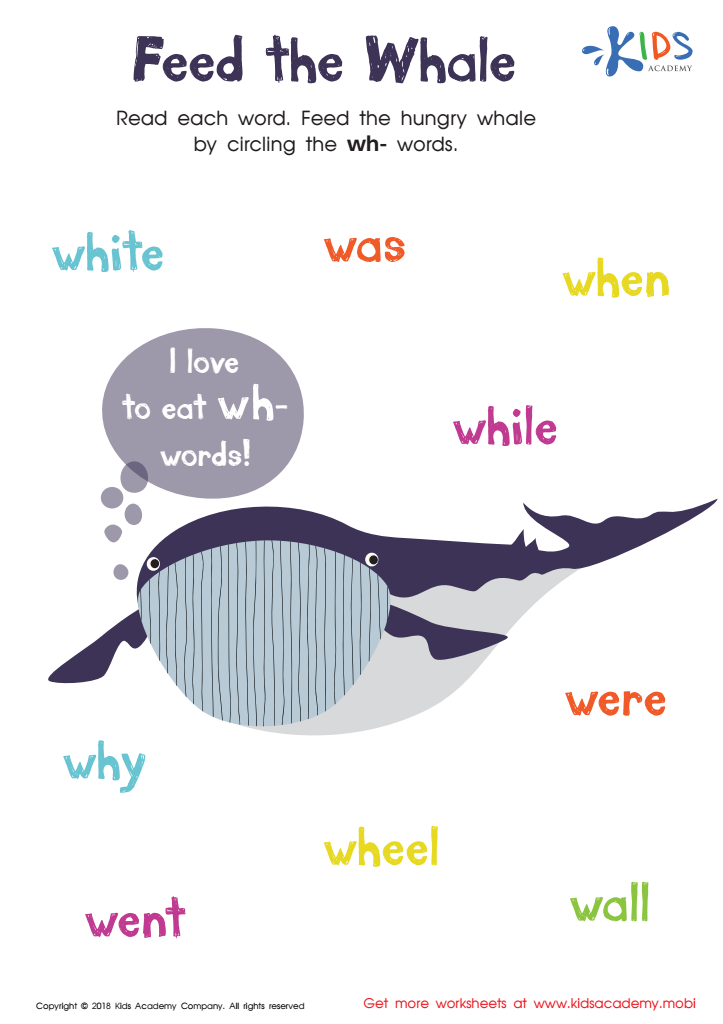
Feed the Whale Worksheet
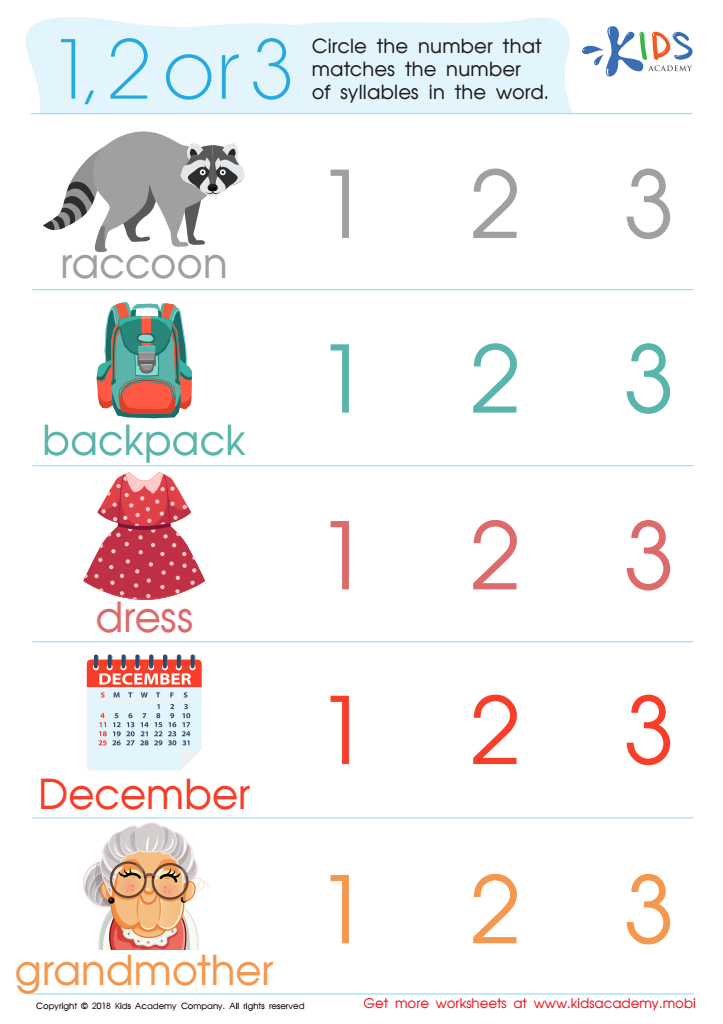
1, 2 or 3? Worksheet








Fine motor skills and normal phonics development are foundational to children's early educational success and overall growth. Fine motor skills, involving the coordination of small muscles in actions such as writing, cutting with scissors, and buttoning clothes, are critical for performing everyday tasks. When these skills are honed during the ages of 4-9, children become more adept at activities that require precision and careful hand-eye coordination. This competence fosters independence, boosts self-esteem, and enhances the ability to engage in interactive classroom tasks, aiding holistic development.
Equally important is normal phonics development, which lays the groundwork for effective reading and writing. Phonics, the relationship between letters and their sounds, is crucial for decoding and encoding words. Early and appropriate phonics instruction during the critical learning window of ages 4-9 helps children develop robust reading skills. Proficient readers are typically more successful in other academic areas, as reading comprehension is integral to understanding most subjects. Early literacy skills also contribute significantly to cognitive development and can influence future learning trajectories.
In summary, prioritizing fine motor skills and phonics development cultivates a comprehensive skill set in children, vital for immediate academic tasks and for building a lifelong foundation of learning and development. Teachers and parents play a pivotal role in nurturing these skills, significantly influencing a child's confidence, independence, and academic success.







