Hand-eye Coordination Normal Phonics Worksheets for Ages 4-9
5 filtered results
-
From - To
Enhance your child’s learning experience with our Hand-eye Coordination Normal Phonics Worksheets, designed specifically for ages 4-9. These engaging worksheets combine phonics practice with fun, interactive activities that improve hand-eye coordination. Children will explore sounds and letters while developing essential motor skills through tracing, coloring, and lively exercises tailored to capture their interest. Our resources serve not only to build a strong phonetic foundation but also to foster a love for learning. Perfect for parents and educators alike, these worksheets are printable and accessible, making them an ideal tool for at-home learning or supplementary classroom activities. Unlock your child's potential today!
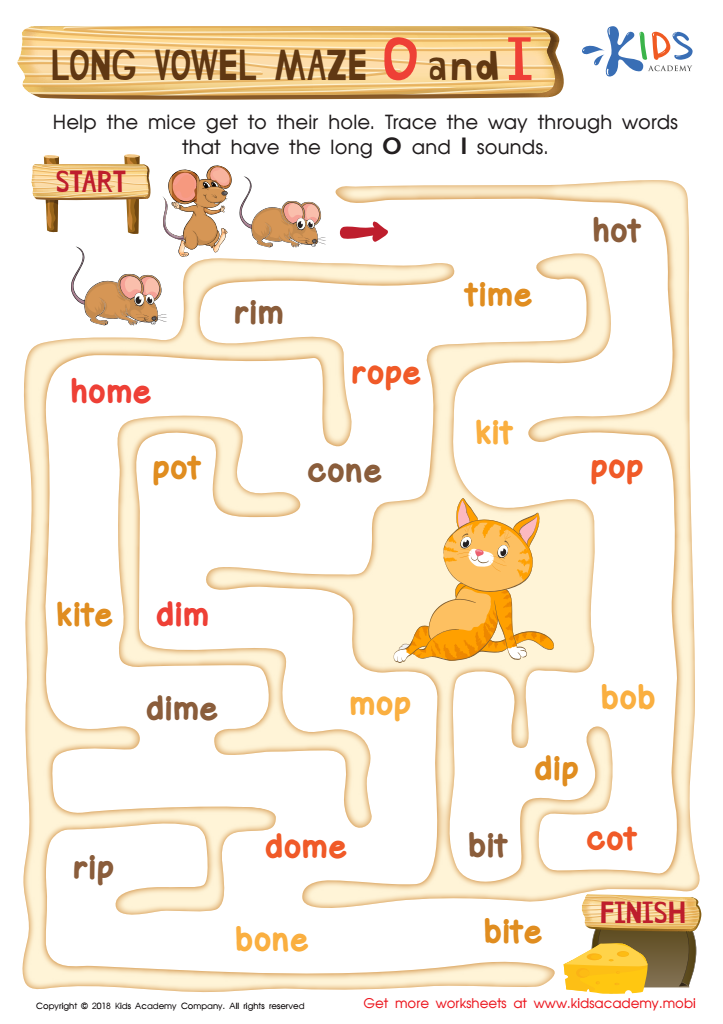
Long Vowel Maze /o/ and /i/ Worksheet
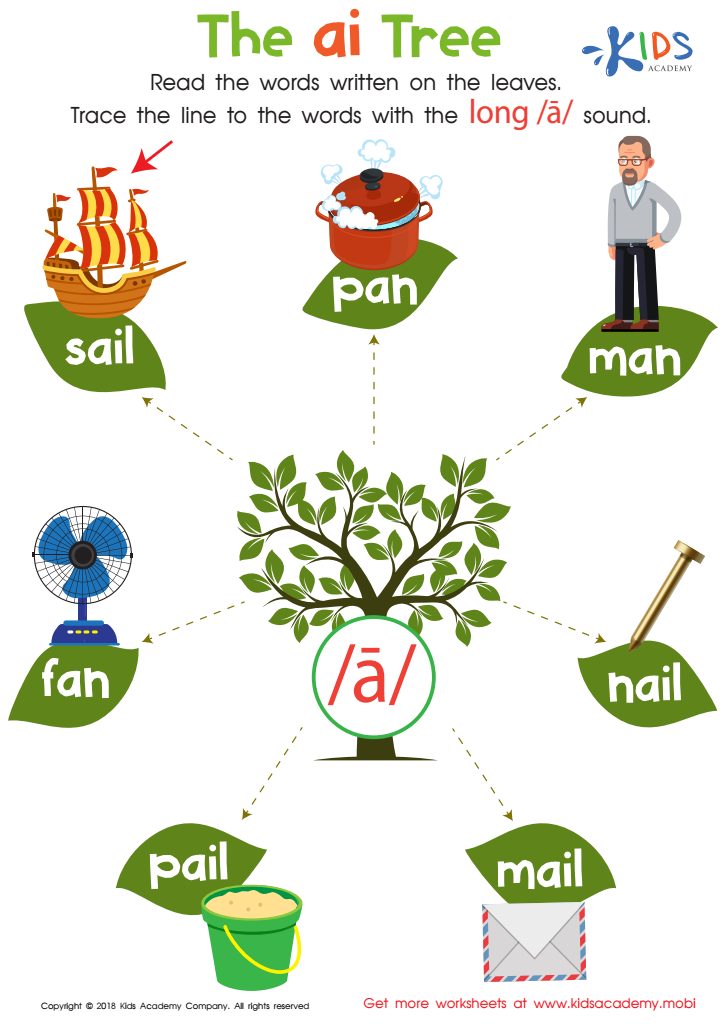
The AI Tree Worksheet
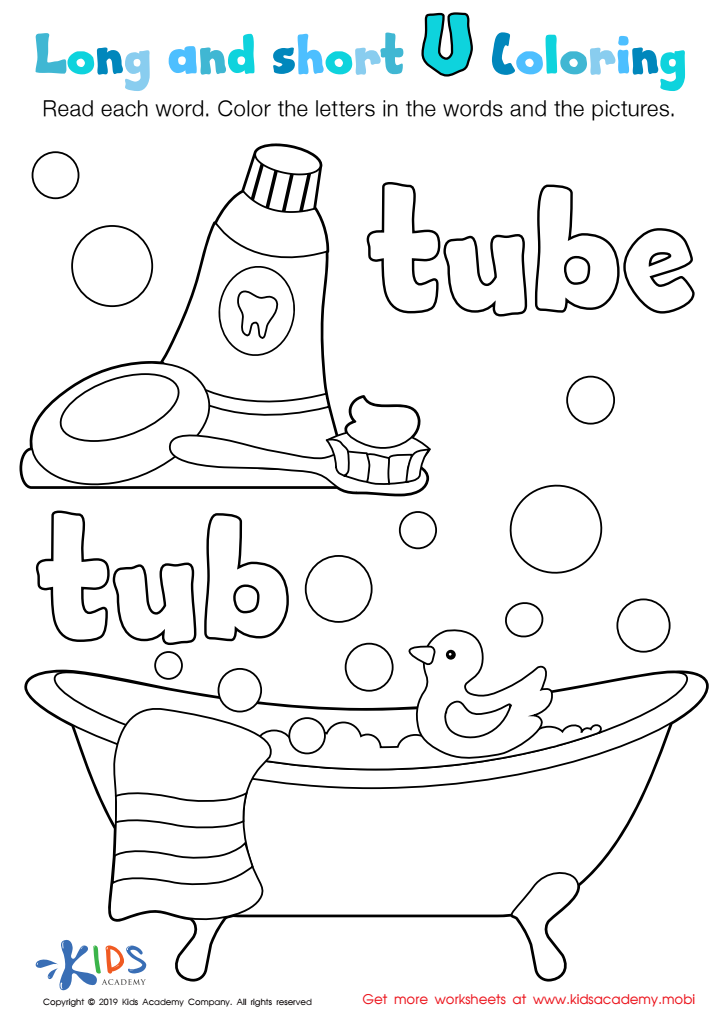
Long and Short U Worksheet
 Assign to My Students
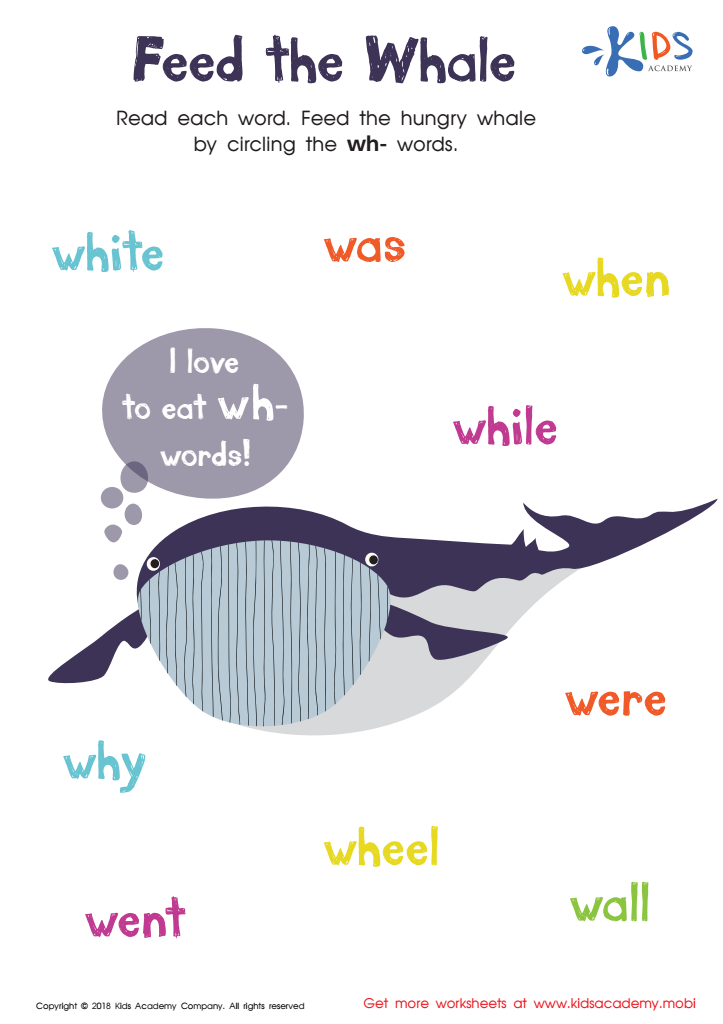
Feed the Whale Worksheet
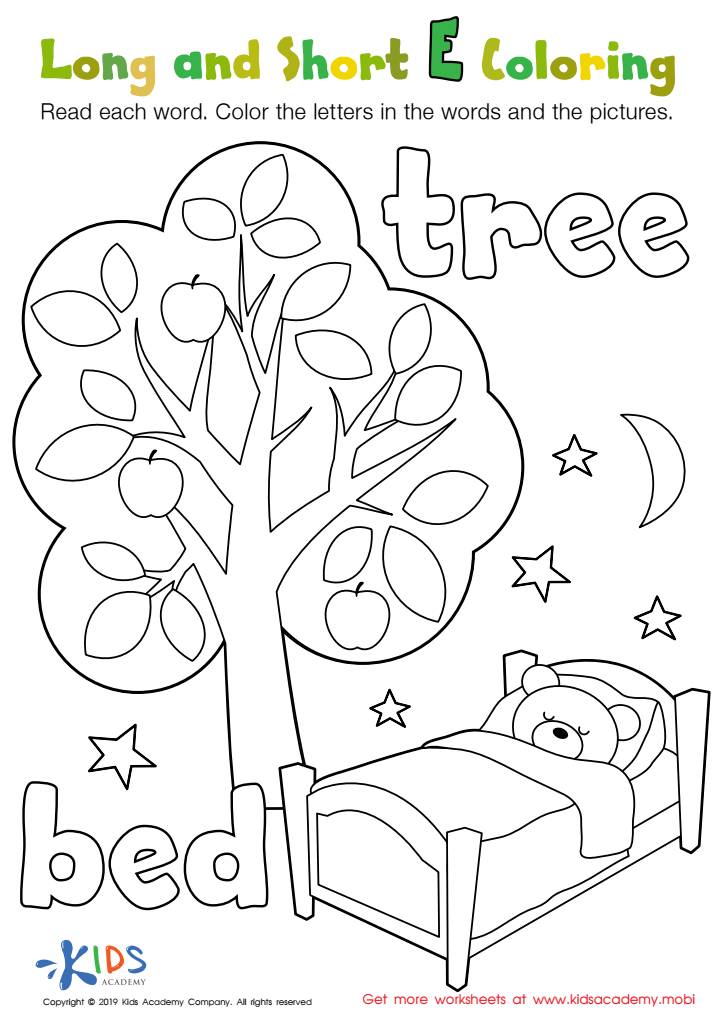
Long and Short E Worksheet
Assign to My Students








Hand-eye coordination plays a crucial role in a child’s development, especially for ages 4-9, where foundational skills are refined. For parents and teachers, fostering hand-eye coordination is vital as it directly impacts a child’s academic and everyday activities, from writing and drawing to participating in sports. During these formative years, children learn how to interact with their environment through coordinated movements, which is essential for tasks such as reading, writing, and performing fine motor skills.
Incorporating normal phonics into activities that enhance hand-eye coordination also benefits literacy development. Phonics teaching emphasizes the relationship between letters and sounds, making it important for children to physically engage with letters through writing or interactive games. This multisensory approach aids in the retention of phonetics, leading to better reading proficiency.
Moreover, strong hand-eye coordination builds confidence, as children become more capable of managing their physical tasks. This confidence translates into a willingness to engage in new challenges, fostering a love for learning. Thus, by prioritizing these developmental aspects, parents and teachers can encourage academic success and personal growth, equipping children with the skills they need for their educational journey and beyond.







