Vocabulary expansion Normal Short Vowels Worksheets for Ages 4-9
6 filtered results
-
From - To
Boost your child's vocabulary with our engaging Normal Short Vowels Worksheets designed for ages 4-9! These interactive resources help young learners master short vowel sounds while expanding their word knowledge. Each worksheet is tailored to promote phonemic awareness, enhance reading skills, and encourage exploration of familiar words. Through fun activities, children will efficiently practice recognizing, writing, and using short vowel words in context. Our user-friendly format allows for enjoyable learning experiences, making it easier to integrate vocabulary exercises into your daily routine. Perfect for classrooms or at-home learning, these worksheets are a fantastic way to build a strong literacy foundation.
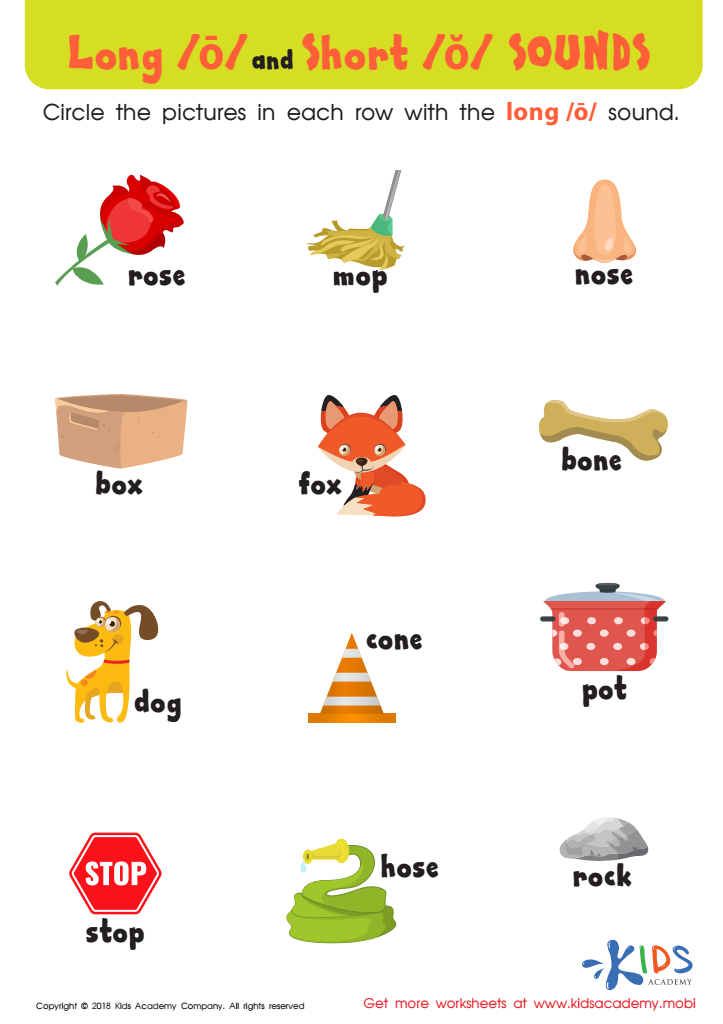
Reading: Long O and Short O Sounds Worksheet
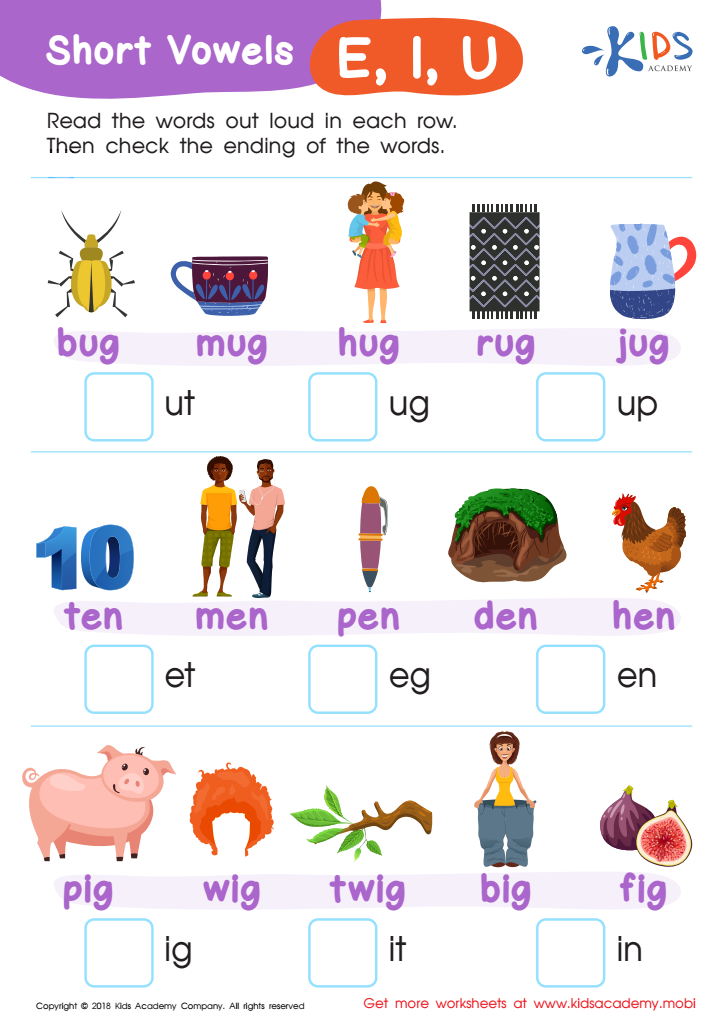
Short Vowels /e/, /i/, and /u/ Worksheet

Long and Short U Worksheet
 Assign to My Students
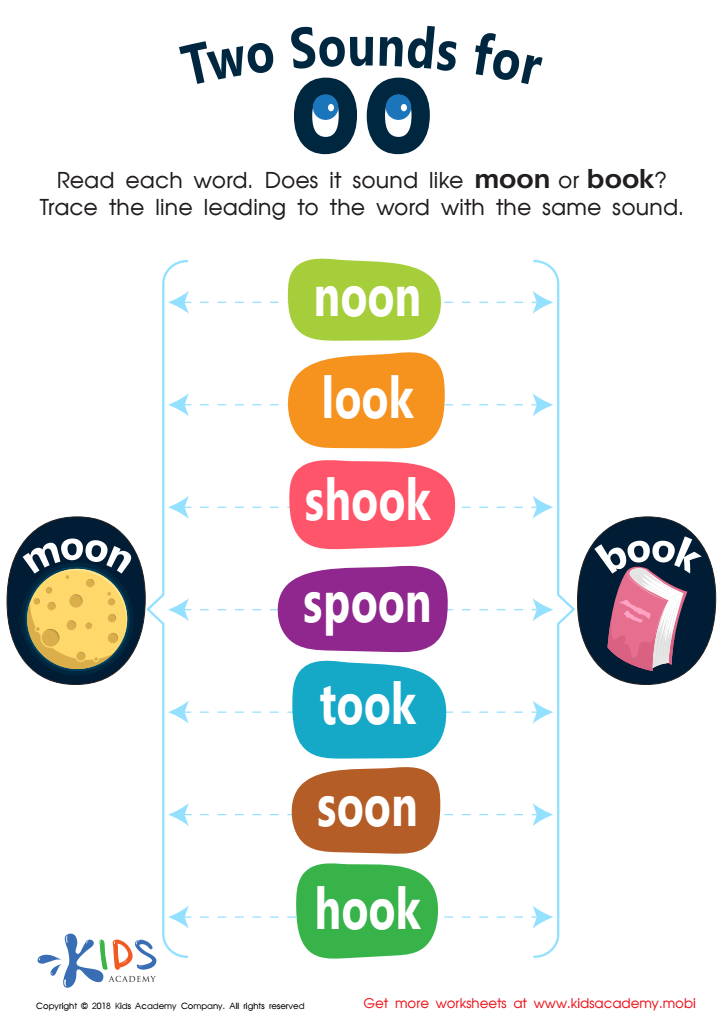
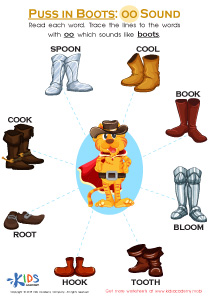
Two Sounds for OO Worksheet
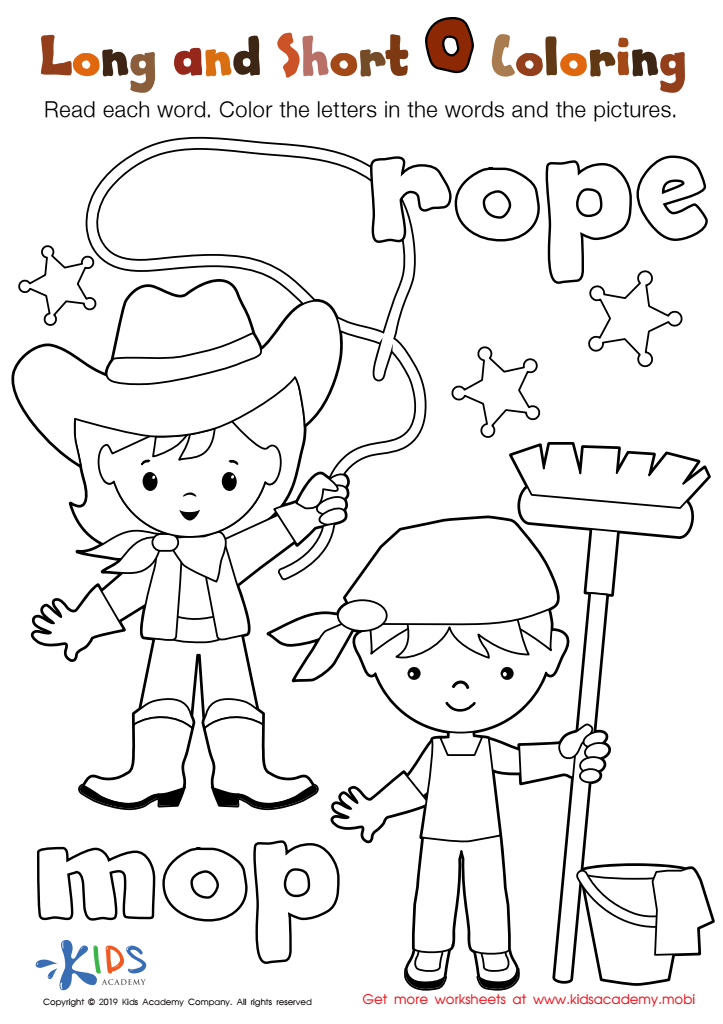
Long and Short O Worksheet
Assign to My Students
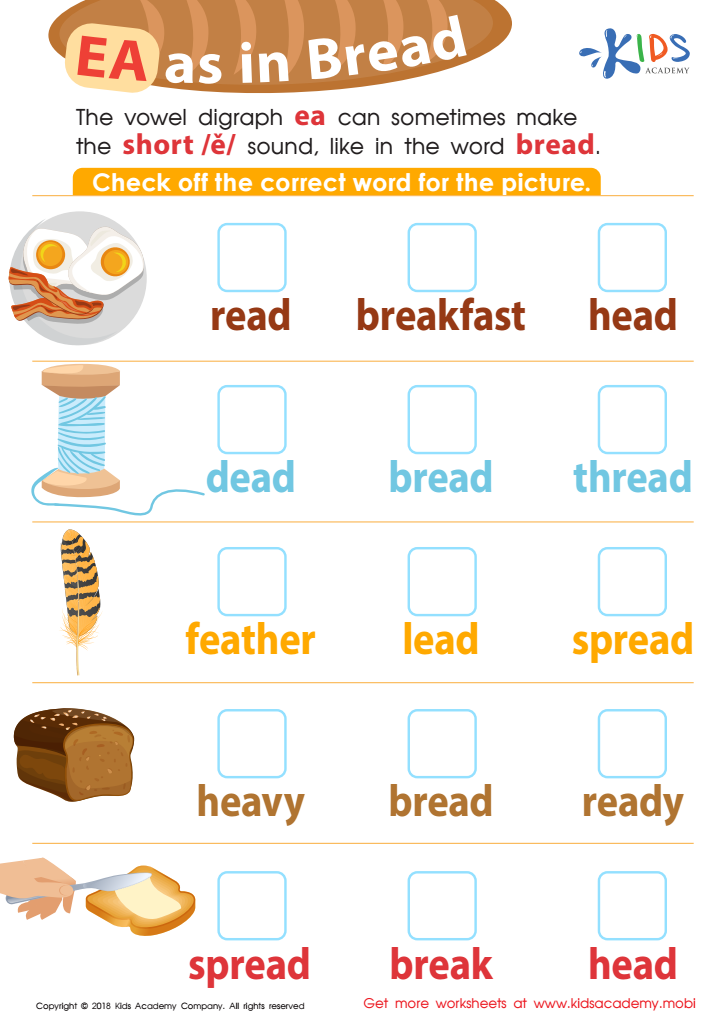
Reading: EA as in Bread Worksheet



Vocabulary expansion in young children, particularly with a focus on normal short vowels, is crucial for several reasons. First, these foundational sounds play a key role in early literacy development. Short vowels are often among the first sounds children learn, allowing them to decode words more easily. By enriching their vocabulary with these sounds, children enhance their reading and writing skills, which are essential for academic success.
Moreover, a robust vocabulary helps children express their ideas and emotions more effectively. When they learn to manipulate language through understanding vowel sounds, they gain confidence in their communication abilities. This confidence fosters a love for reading and learning, leading to a lifelong appreciation for knowledge.
Additionally, vocabulary expansion supports cognitive development. Young children are naturally curious, and exposure to new words encourages critical thinking and the ability to make connections between concepts. This is especially important for ages 4-9, as their brains are rapidly developing and they're mastering language skills.
Parents and teachers play a critical role in this process. Engaging children through interactive reading, games, and conversations about short vowel words not only supports their linguistic growth but also deepens their understanding of the world around them, setting a solid foundation for future learning.