Problem-Solving Skills Normal Upper & Lowercase Letters Worksheets for Ages 4-9
3 filtered results
-
From - To
Explore our engaging "Problem-Solving Skills Normal Upper & Lowercase Letters Worksheets" designed for children ages 4-9! These captivating worksheets combine fun and learning, helping young learners master the alphabet while developing essential problem-solving skills. Each activity encourages critical thinking as children identify, match, and connect letters in creative contexts. Perfect for both classroom and home use, our resources foster independence and enhance cognitive abilities. With vibrant illustrations and age-appropriate challenges, these worksheets not only make learning enjoyable but also build confidence in young learners. Discover the perfect tools to ignite a passion for letters and critical thinking today!
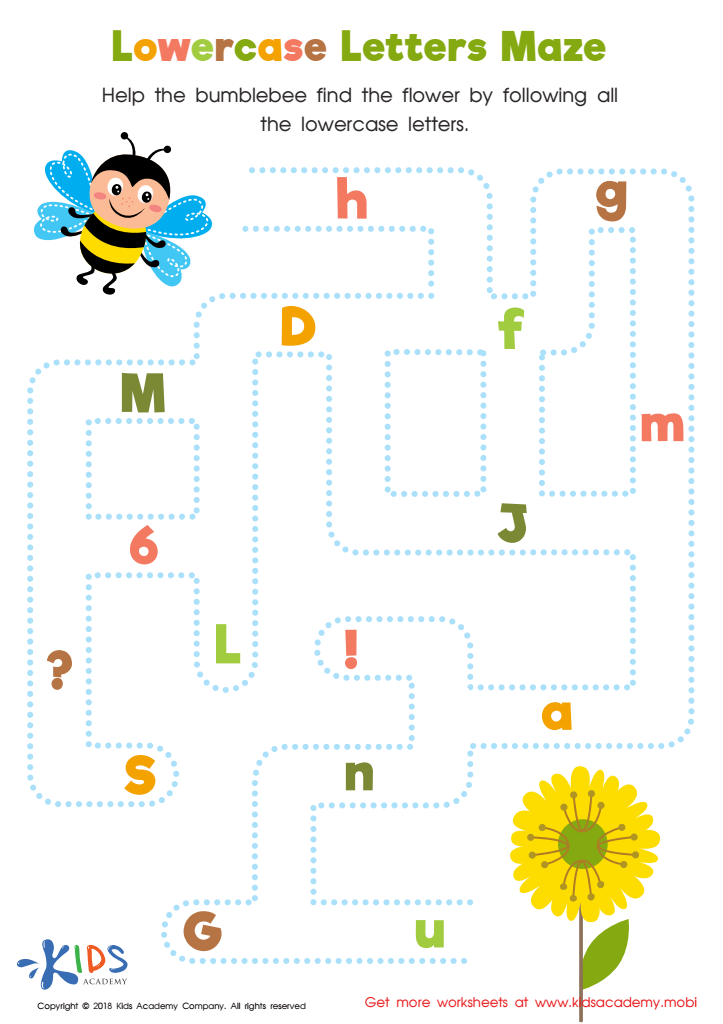
Lowercase Letters Maze Worksheet
 Assign to My Students


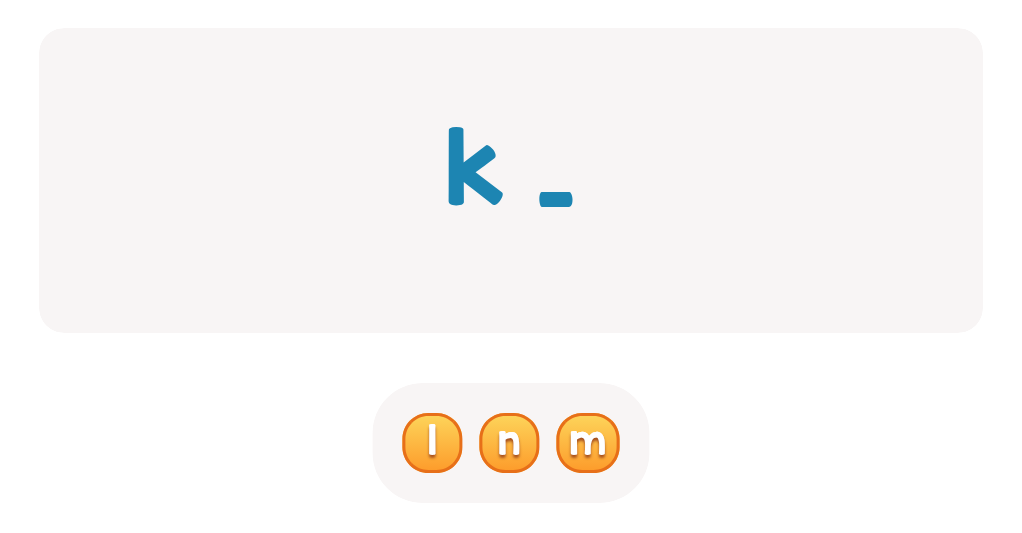
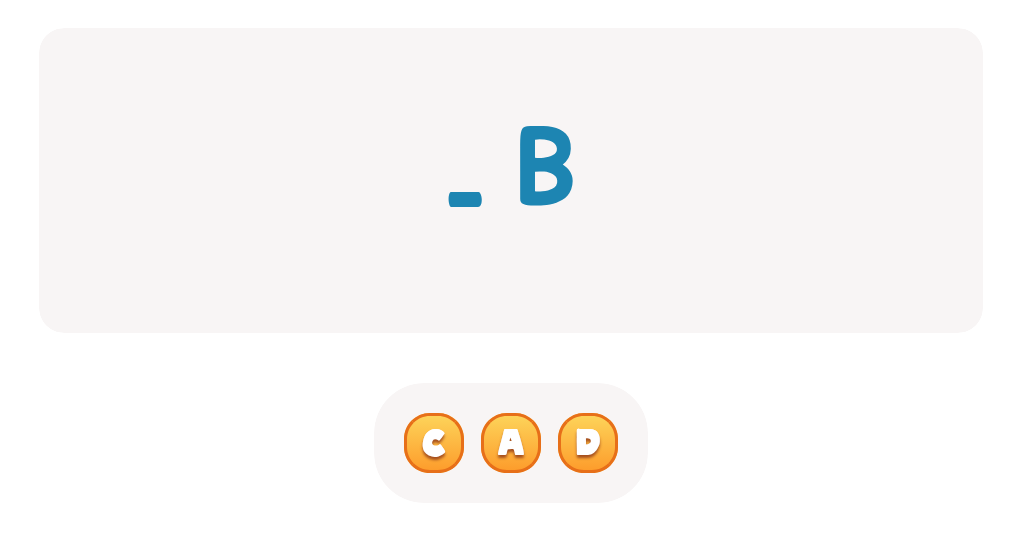
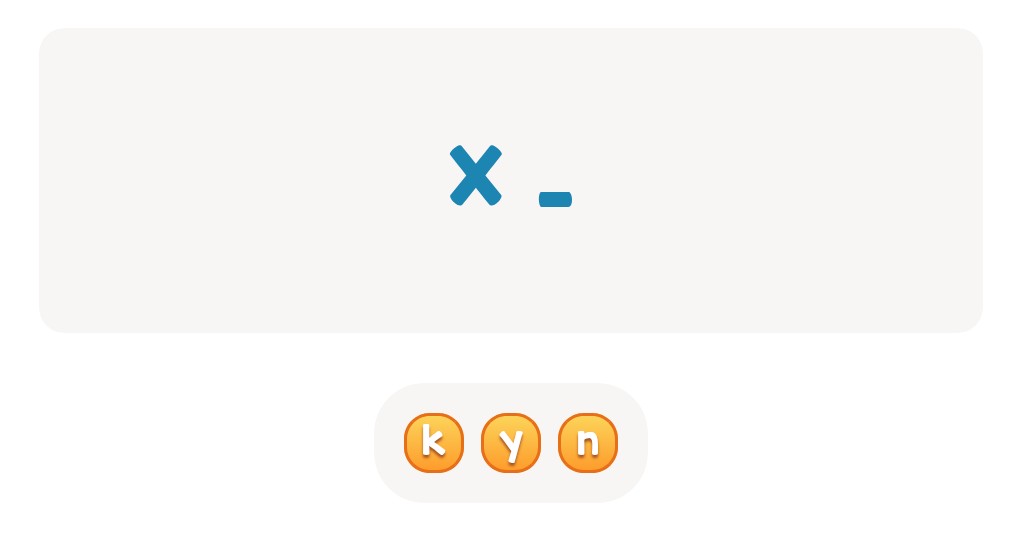

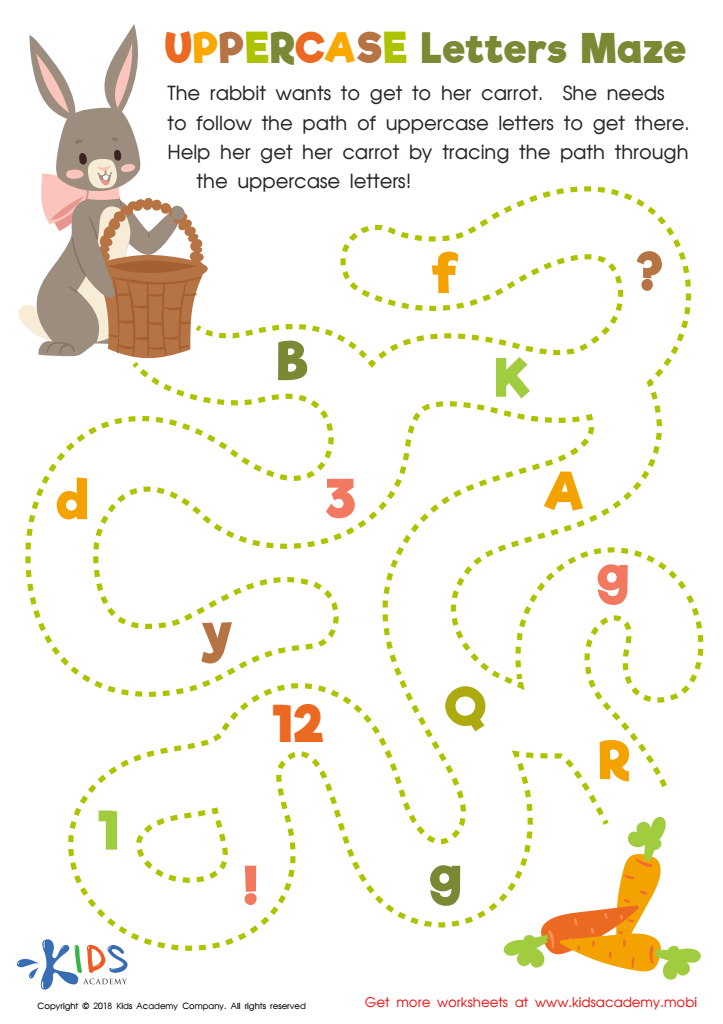
Uppercase Letters Maze Worksheet
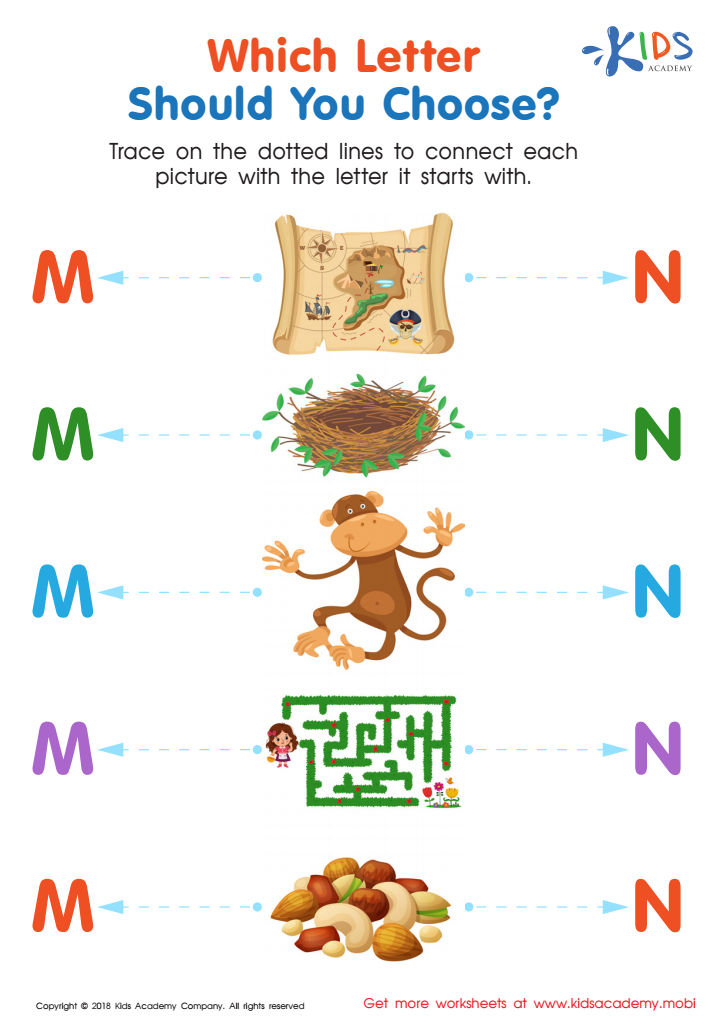
Which Letter Should you Choose? Worksheet






Problem-solving skills are crucial for children aged 4-9 as they serve as the foundation for critical thinking and decision-making. As parents and teachers, nurturing these skills helps children learn to analyze challenges, find solutions, and develop resilience. During these formative years, children are naturally curious and often face daily problems, whether in play, academics, or social interactions. Encouraging them to think through problems promotes independence and confidence.
Incorporating problem-solving activities, such as puzzles, games, and collaborative tasks, makes learning engaging and enjoyable. These activities enhance cognitive abilities, allowing children to explore various perspectives and outcomes. Additionally, effective problem-solving fosters creativity, as children learn to think outside the box and approach challenges from different angles.
Moreover, strong problem-solving skills are linked to academic success and can significantly impact a child's future career pathways. When teachers and parents actively support and model these skills, they contribute to creating a safe environment where children feel empowered to express their ideas and learn from mistakes.
Ultimately, cultivating problem-solving skills early on prepares children to navigate life's obstacles with greater ease and equips them with essential tools for a productive future.







