Visual discrimination skills Normal Upper & Lowercase Letters Worksheets for Ages 4-9
4 filtered results
-
From - To
Enhance your child's visual discrimination skills with our engaging Upper & Lowercase Letters Worksheets, designed for ages 4-9. These printable worksheets help young learners identify and differentiate between normal upper and lowercase letters while boosting their reading and writing abilities. Each activity is meticulously crafted to be fun and educational, making it easier for kids to recognize letter shapes and improve their attention to detail. Perfect for classroom use or at-home learning, these worksheets support early literacy development through interactive and enjoyable practice. Unlock the potential of young readers with our expertly designed educational resources.
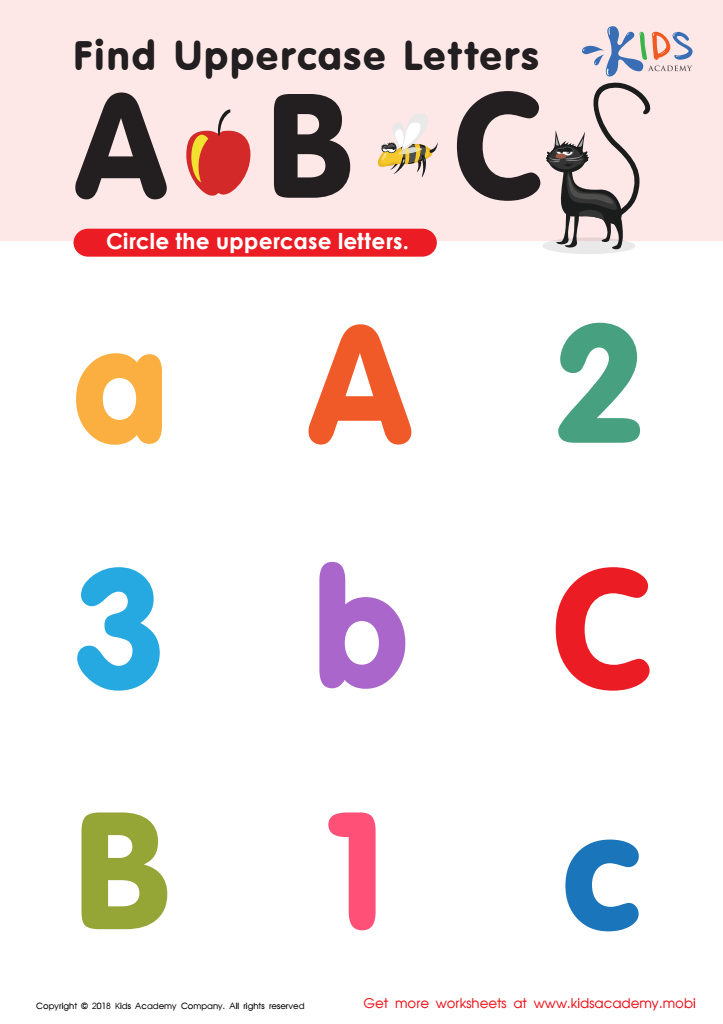
Find Uppercase Letters A, B, and C Worksheet
 Assign to My Students


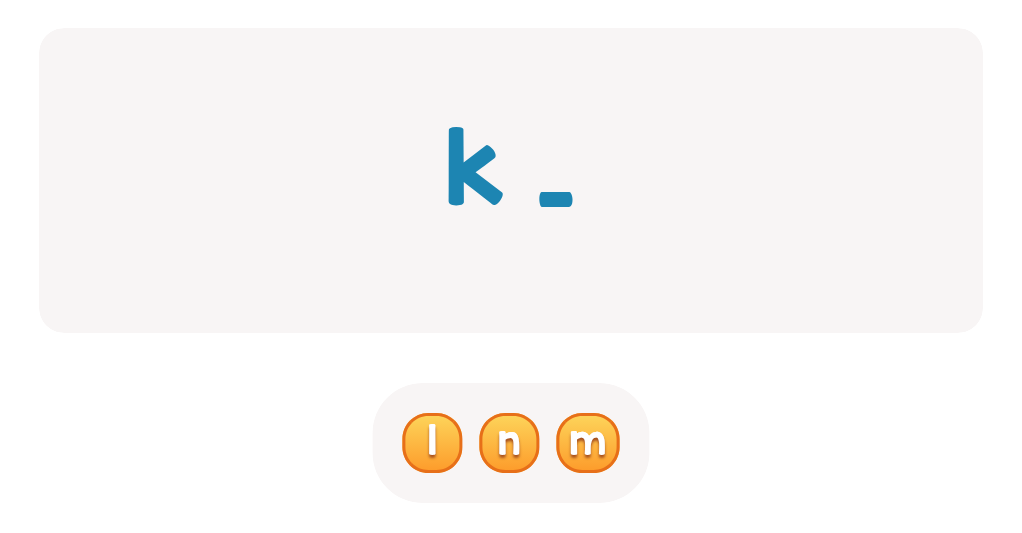
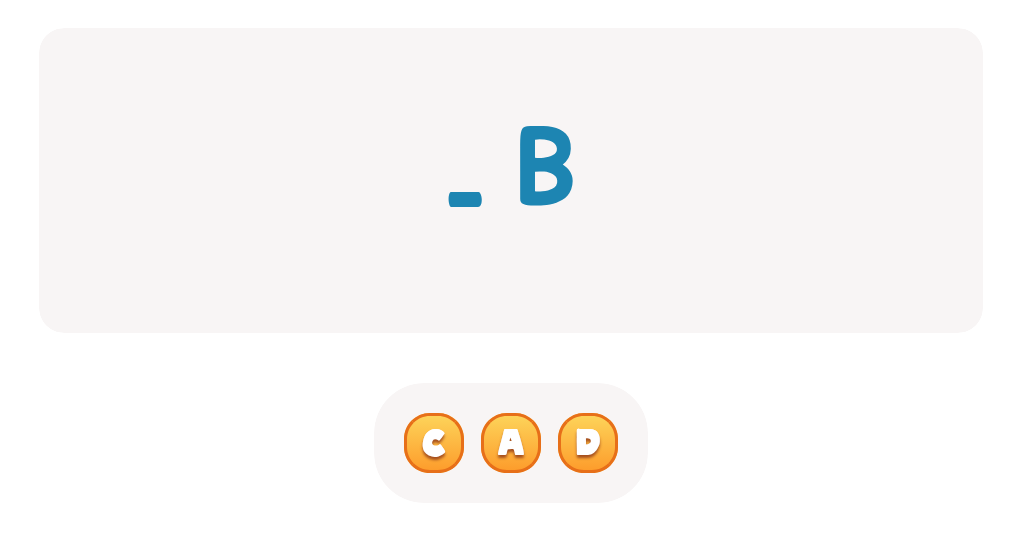

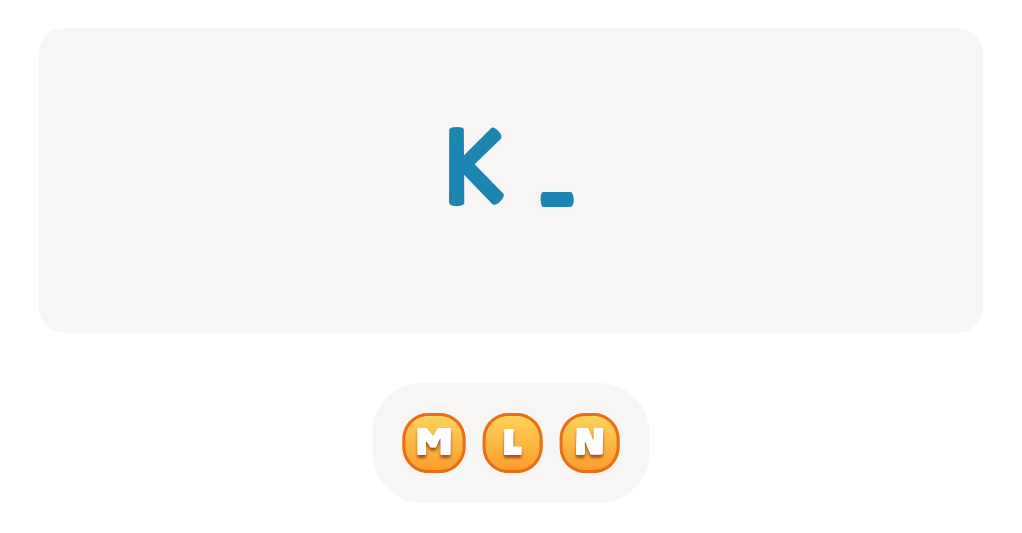
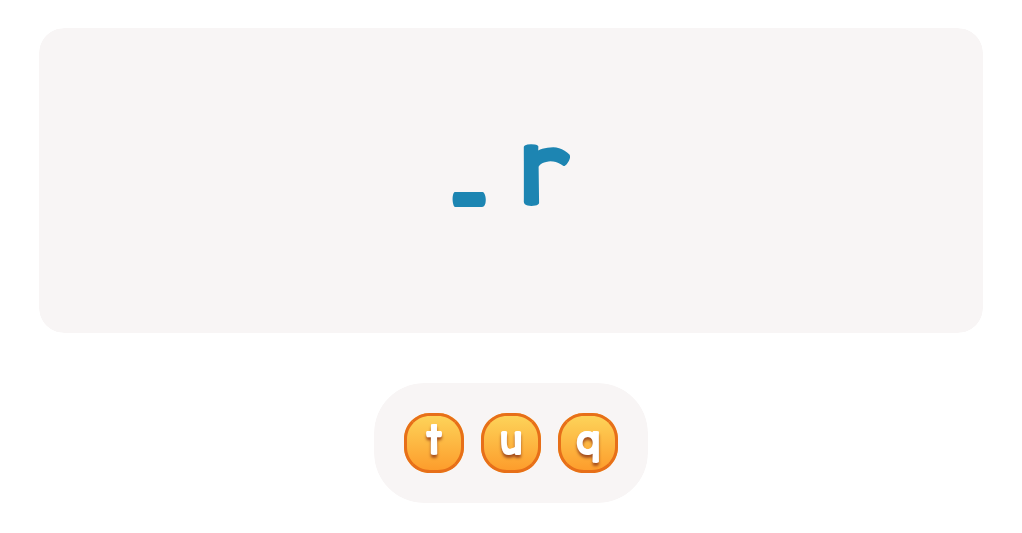
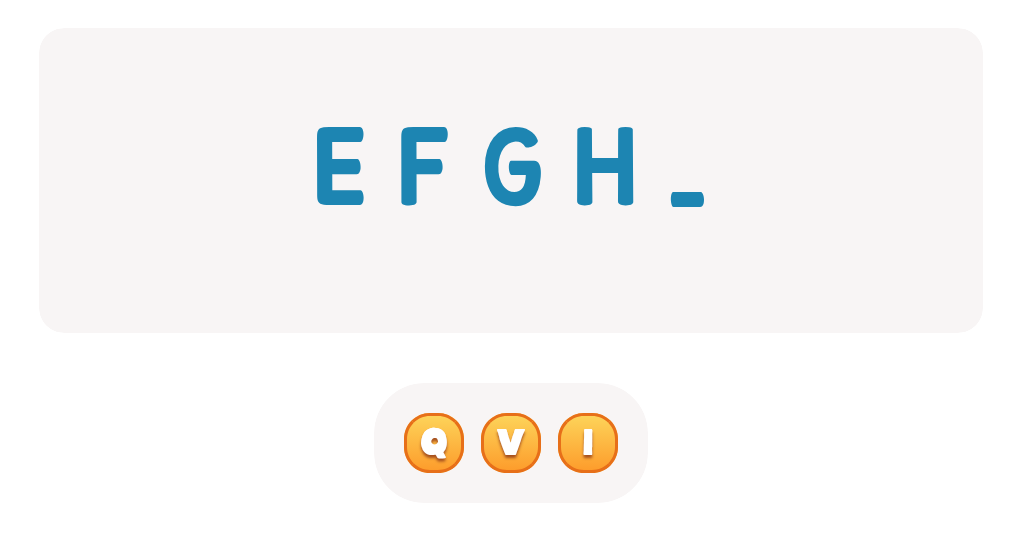
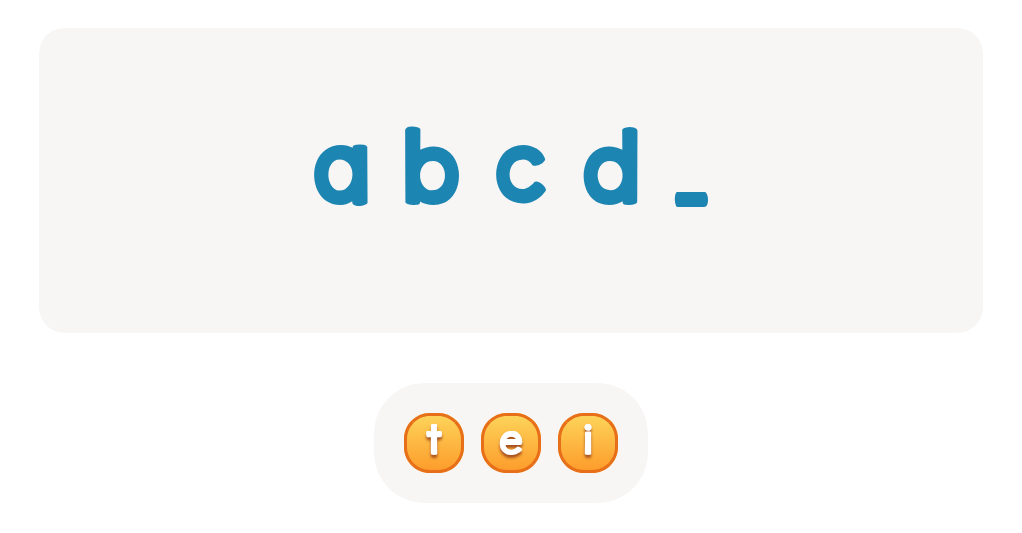

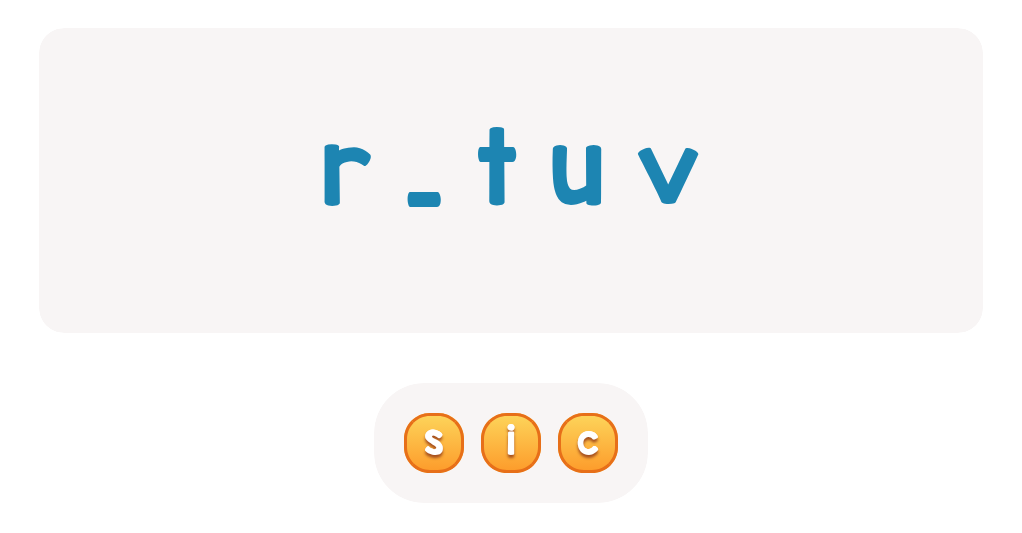
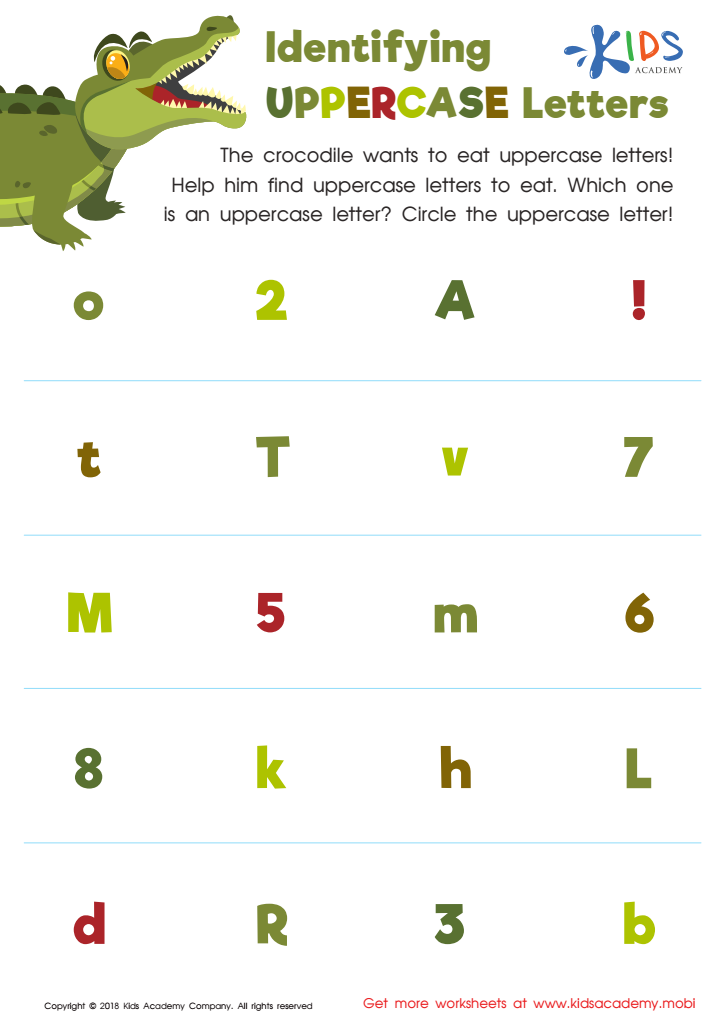
Identifying Uppercase Letters Worksheet
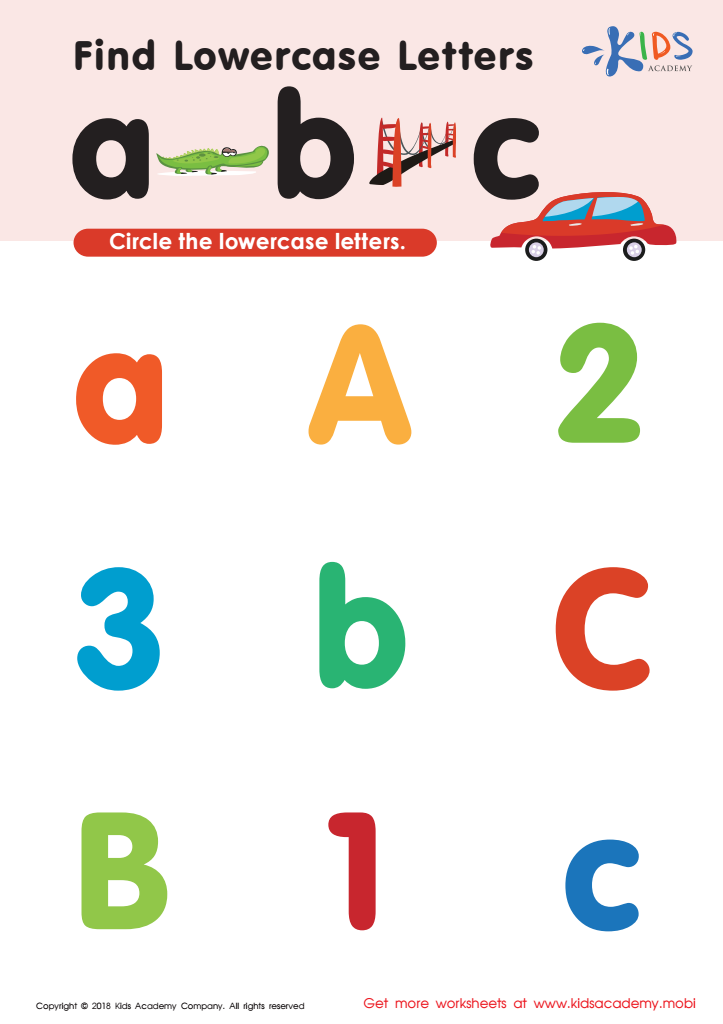
Find lowercase letters a b c Worksheet
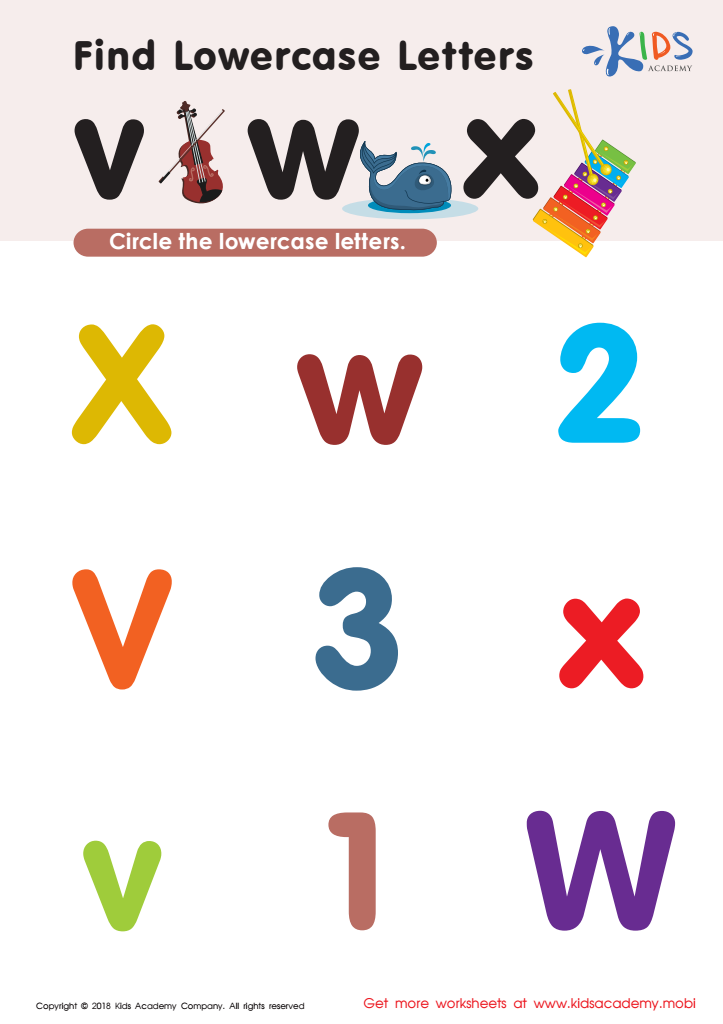
Find Lowercase Letters v w x Worksheet






Visual discrimination skills are crucial for children aged 4-9 as they form the foundation for literacy development, directly impacting their ability to recognize and differentiate between various shapes, sizes, and letters. When children are able to discern the difference between upper and lowercase letters, they are better equipped to understand written text, follow instructions, and develop strong reading and writing skills. At this developmental stage, children frequently encounter a mix of upper and lowercase letters in their learning environments, making this skill vital for decoding words and writing sentences accurately.
For parents and teachers, fostering visual discrimination skills also promotes attention to detail, which is essential across all areas of learning — from math and science to art and social studies. This early skill development aids not just in literacy but also in enhancing children's memory, focus, and cognitive flexibility.
Additionally, strong visual discrimination abilities are fundamental for future academic success and building self-confidence. Children who master these skills tend to have smoother transitions when advancing to more complex reading and writing tasks, reducing frustration and improving their self-esteem. Overall, nurturing visual discrimination skills in early childhood sets a strong educational foundation, benefiting children academically, socially, and emotionally for years to come.







