Handwriting practice Normal English for Beginners Worksheets for Ages 4-9 - Page 2
26 filtered results
-
From - To
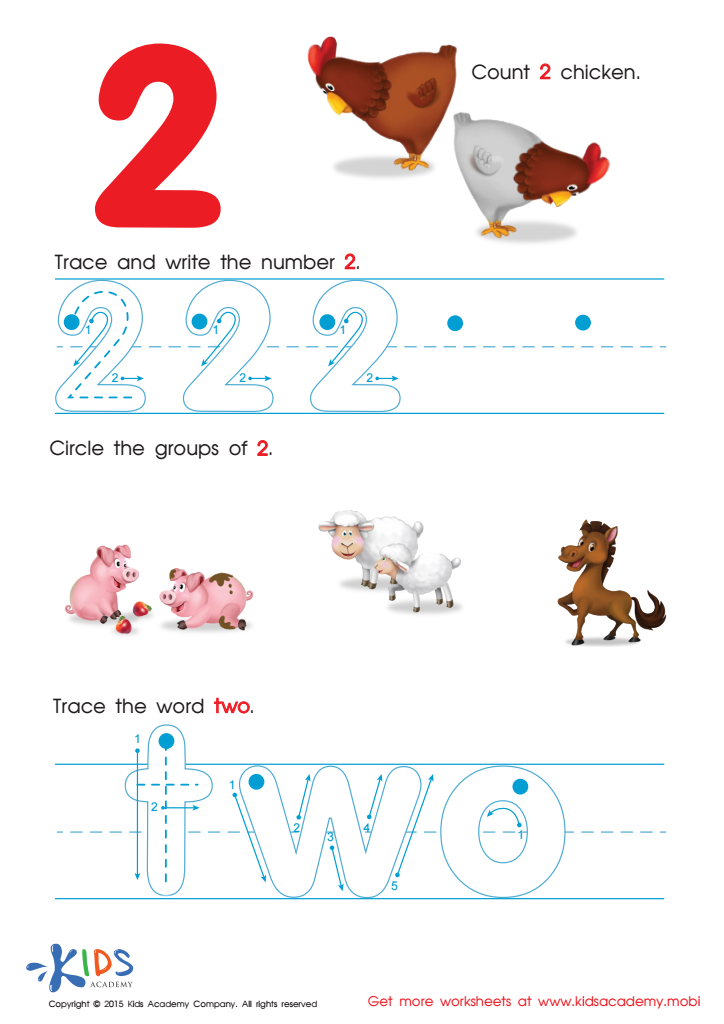
Learn to Write the Number 2 Worksheet
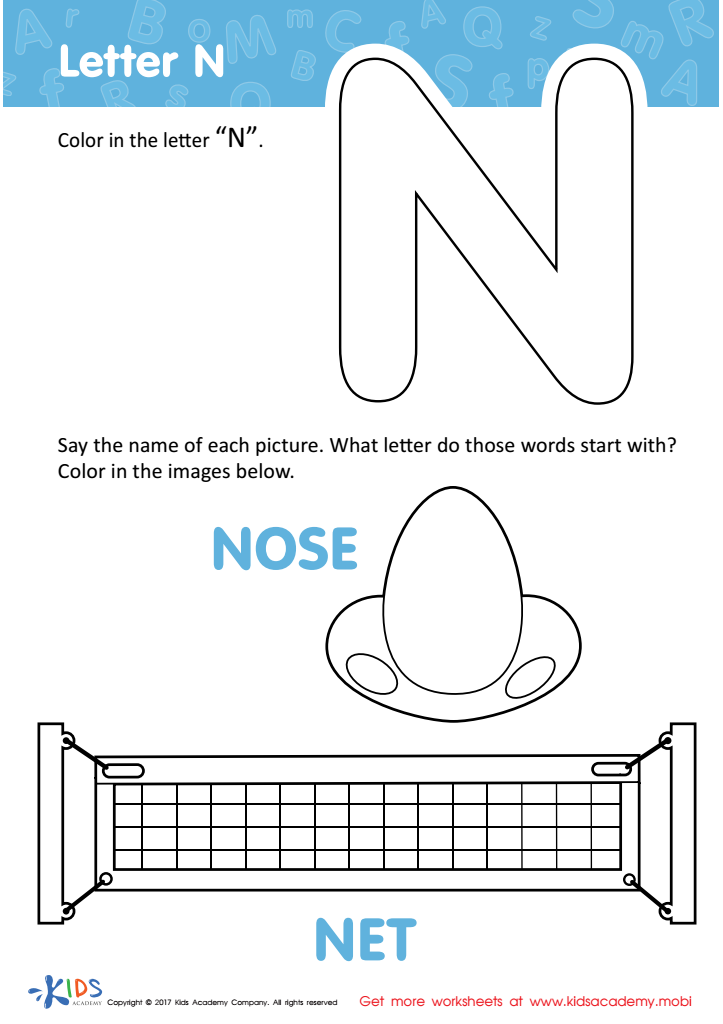
Letter N Coloring Sheet
 Assign to My Students





Handwriting practice is crucial for children aged 4-9, as it plays a vital role in their academic and personal development. First and foremost, handwriting helps children develop fine motor skills, which are essential for a variety of everyday tasks. These skills improve hand-eye coordination and dexterity, enabling children to control writing instruments effectively.
Moreover, good handwriting fosters self-expression. As children learn to form letters and words, they can communicate their thoughts and feelings more articulately. This skill also boosts their confidence in contributing to discussions and completing assignments.
In addition, handwriting practice enhances literacy. The process of writing by hand reinforces spelling and pronunciation, aiding in reading development. Children often retain information better when they jot it down, as it engages both visual and kinesthetic memory pathways.
Finally, furthering handwriting skills builds discipline and focus. Handwriting requires concentration, patience, and practice—valuable traits that benefit students in all areas of study. For parents and teachers, prioritizing handwriting practice can set a strong foundation for future learning, supporting both academic achievement and personal growth in young learners. Ultimately, encouraging this practice creates more literate, confident, and competent children.