Handwriting Skills Normal English for Beginners Worksheets for Ages 4-9
5 filtered results
-
From - To
Improve your child's handwriting with our "Handwriting Skills Normal English for Beginners Worksheets for Ages 4-9". Perfectly designed to cater to young learners, these printable worksheets guide children through the fundamentals of proper penmanship. Each activity combines fun and educational content, helping kids to develop fine motor skills, letter formation, and overall writing fluency. Tailored for beginners, these resources are a fantastic foundation for young writers, making the learning process enjoyable and effective. Encourage your child's growth in writing with this comprehensive, easy-to-follow tool, perfect for home or classroom settings. Start building strong handwriting skills today!
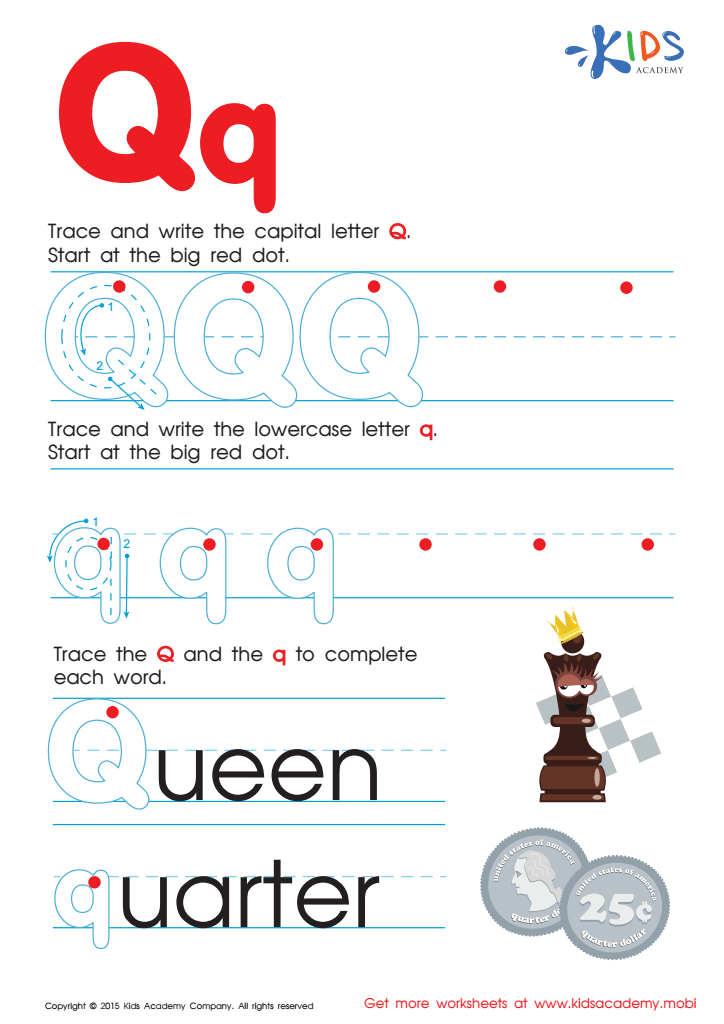
Letter Q Tracing Page
 Assign to My Students
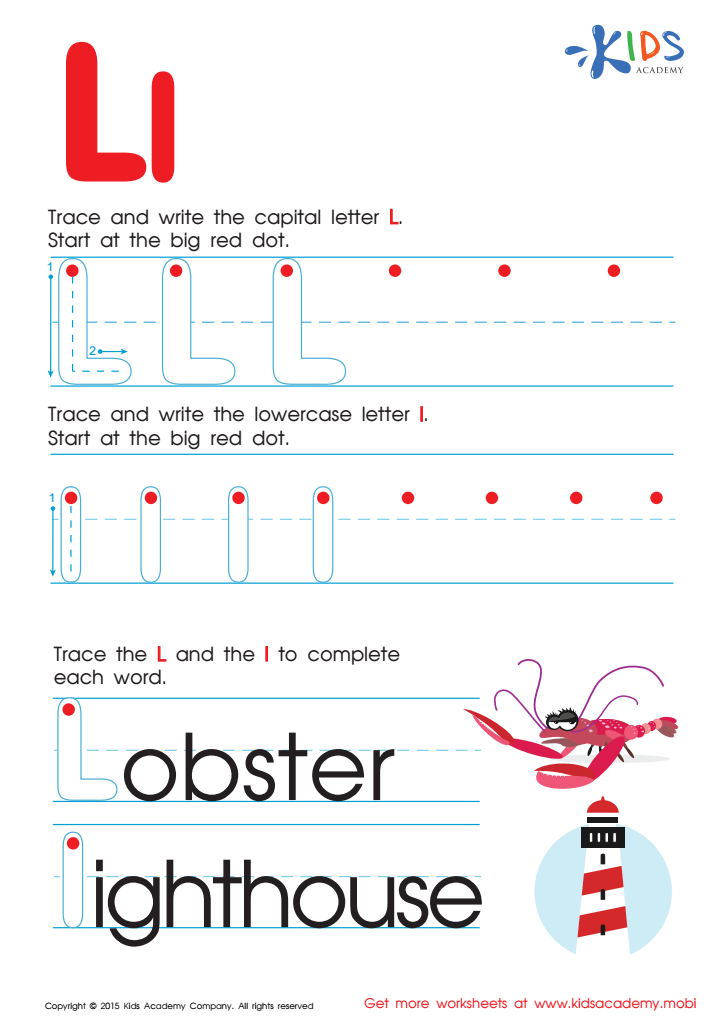
Letter L Tracing Page
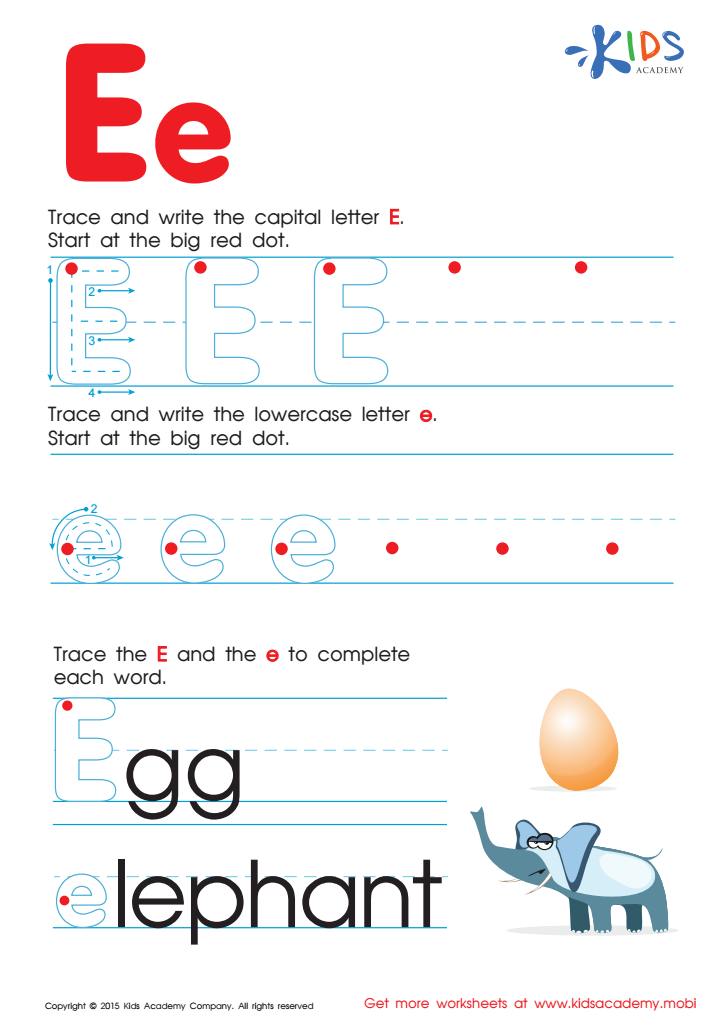
Letter E Tracing Page
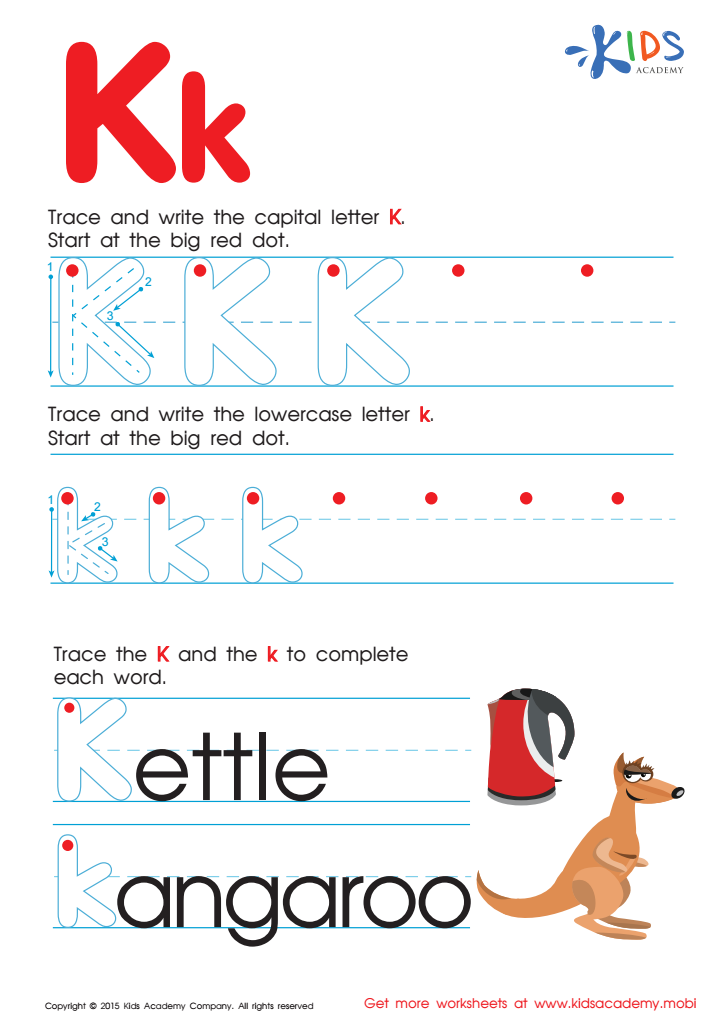
Letter K Tracing Page
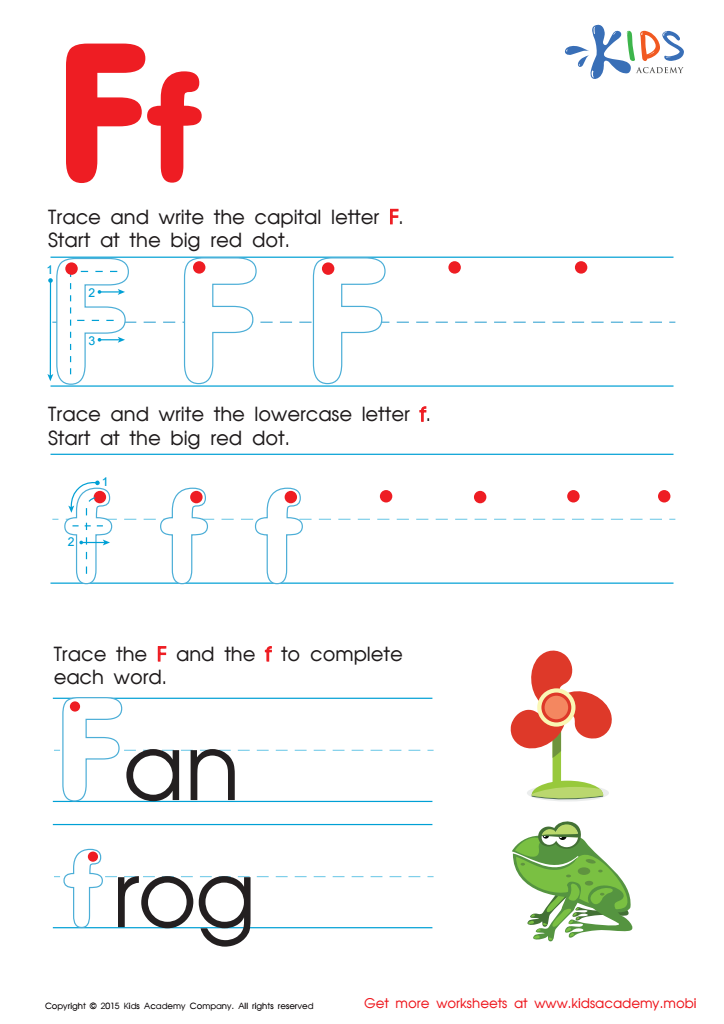
Letter F Tracing Page





Handwriting skills are fundamental for young children, as they lay the foundation for a variety of essential competencies. For ages 4-9, developing strong handwriting skills offers essential benefits academically, cognitively, and emotionally, making it a vital focus for both parents and teachers.
Academically, proficient handwriting enhances a child's ability to take notes, complete assignments, and convey ideas clearly. This skill is directly linked to better reading and writing abilities, as mastery in handwriting often translates into improved spelling and comprehension.
Cognitively, handwriting stimulates different areas of the brain, benefiting memory, attention, and processing skills. When children physically write letters and words, they engage in kinesthetic learning, which helps reinforce their understanding and recognition of alphabets and words.
Emotionally, good handwriting contributes to a child's confidence and self-esteem. Children who struggle with handwriting often feel frustration and discouragement, which can negatively impact their overall attitude towards learning. Conversely, proficient handwriting aids them in expressing themselves more freely and effectively.
Moreover, in an age increasingly dominated by digital technology, the fine motor skills and precision required in handwriting can counterbalance the less tactile interactions of typing on devices.
In summary, prioritizing handwriting skills for young children has lasting positive impacts on their academic, cognitive, and emotional development, which is why parents and teachers should actively encourage and nurture this essential skill.