Analyzing data Normal Worksheets for Ages 4-9
5 filtered results
-
From - To
Discover our engaging "Analyzing Data Normal Worksheets" designed for children aged 4-9! These worksheets provide a fun and interactive way to introduce young learners to essential data analysis skills. With colorful graphics and relatable scenarios, kids will explore concepts such as sorting, categorizing, and interpreting data through age-appropriate activities. Ideal for early childhood educators and parents, our resources promote critical thinking and improve analytical skills. Each worksheet is tailored to boost cognitive development while ensuring a playful learning experience. Download today and help your child unlock the power of data analysis in a playful and effective way!
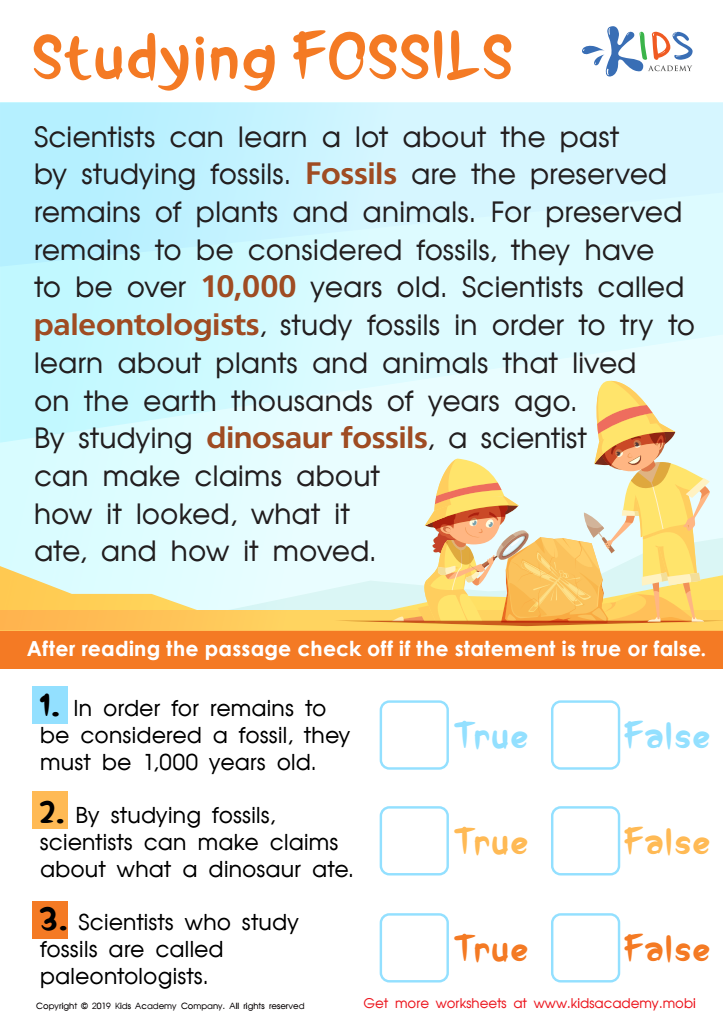
Studying Fossils Worksheet
 Assign to My Students
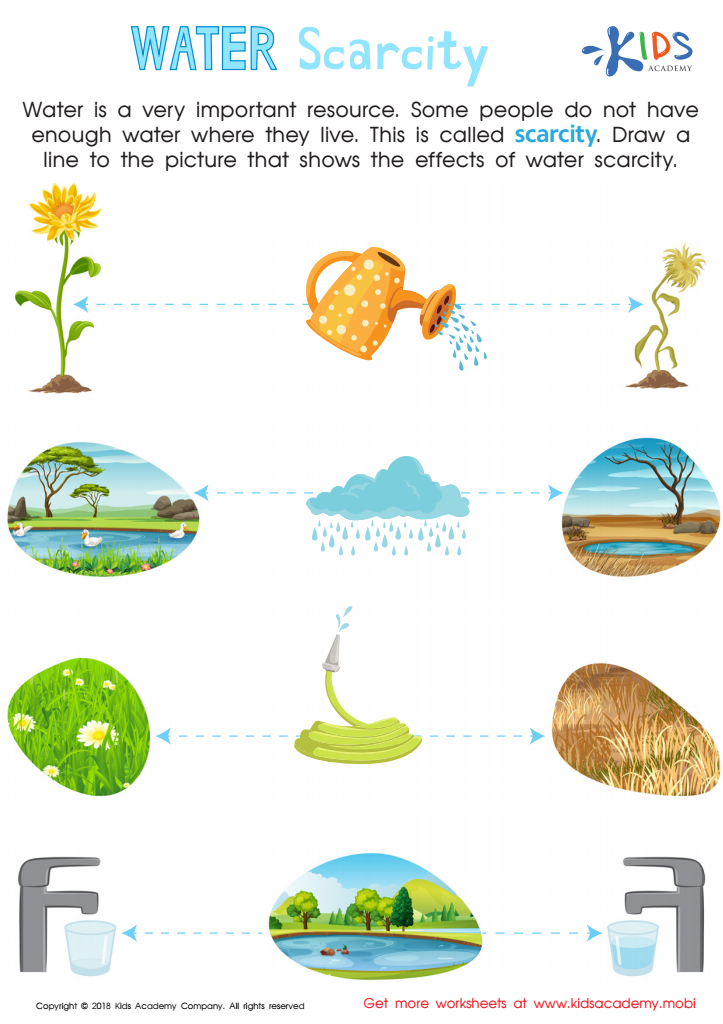
Water Scarcity Worksheet
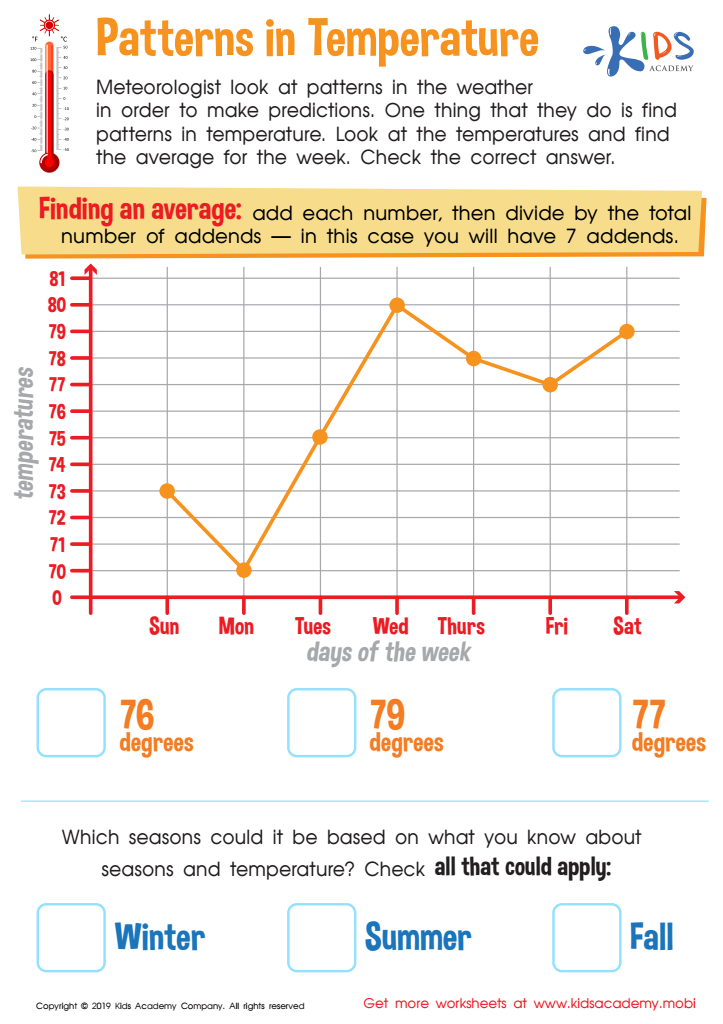
Patterns in Temperature Worksheet
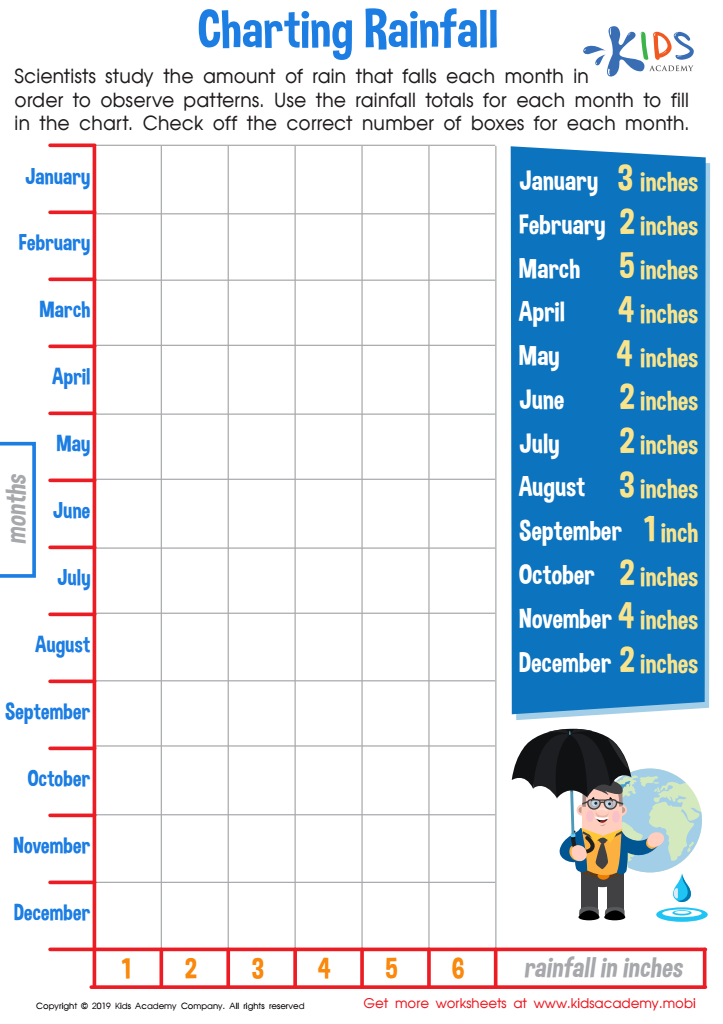
Charting Rainfall Worksheet
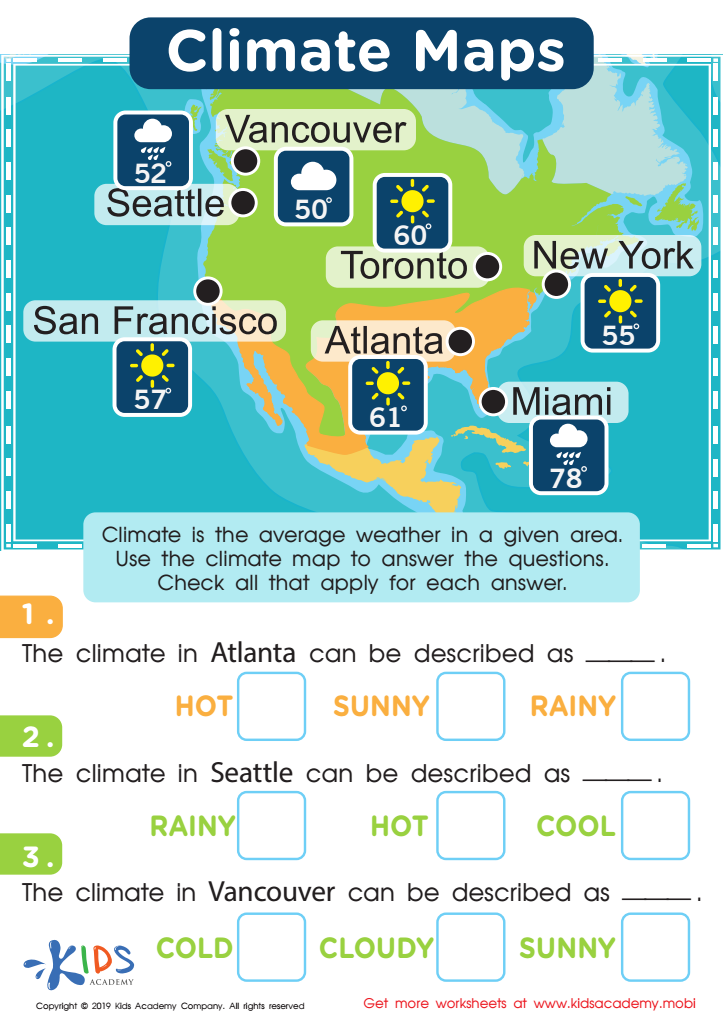
Climate Maps Worksheet








Analyzing data related to children aged 4-9 is crucial for both parents and teachers as it offers valuable insights into young learners' development, strengths, and areas needing support. Early childhood is a critical stage for cognitive, social, and emotional growth, and understanding a child's progress through data helps guide effective educational interventions.
Parents can monitor their child’s learning trajectory, identifying if they meet developmental milestones or require additional assistance. This proactive engagement fosters a supportive home environment where learning is nurtured. Data can also inform parents about effective practices to reinforce at home, further enhancing their child’s academic readiness.
For teachers, analyzing data allows for tailored instruction that meets the diverse needs of students. By understanding the collective learning outcomes of the classroom, educators can adapt their teaching methods and resource allocation, optimizing the learning experience. It helps in identifying trends and patterns in student performance, informing interventions that support those struggling and extend learning opportunities to those excelling.
In essence, data analysis promotes a collaborative approach between parents and educators, ensuring that every child receives the appropriate guidance and support needed for their unique learning journey. This approach not only improves individual student outcomes but also enriches the classroom community as a whole.








