Data interpretation Normal Worksheets for Ages 4-9
5 filtered results
-
From - To
Explore our engaging Data Interpretation worksheets designed for children ages 4-9! These interactive materials foster young learners’ analytical skills by introducing concepts like charts, graphs, and tables in a fun way. Each worksheet encourages kids to interpret real-world data, helping them to develop critical thinking and problem-solving abilities. Aligned with early education standards, our user-friendly templates integrate visual learning, making complex ideas accessible for your child. Whether at home or in the classroom, these printable worksheets provide essential practice to enhance data literacy, preparing learners for future academic success. Start empowering your child’s mind today with our captivating resources!
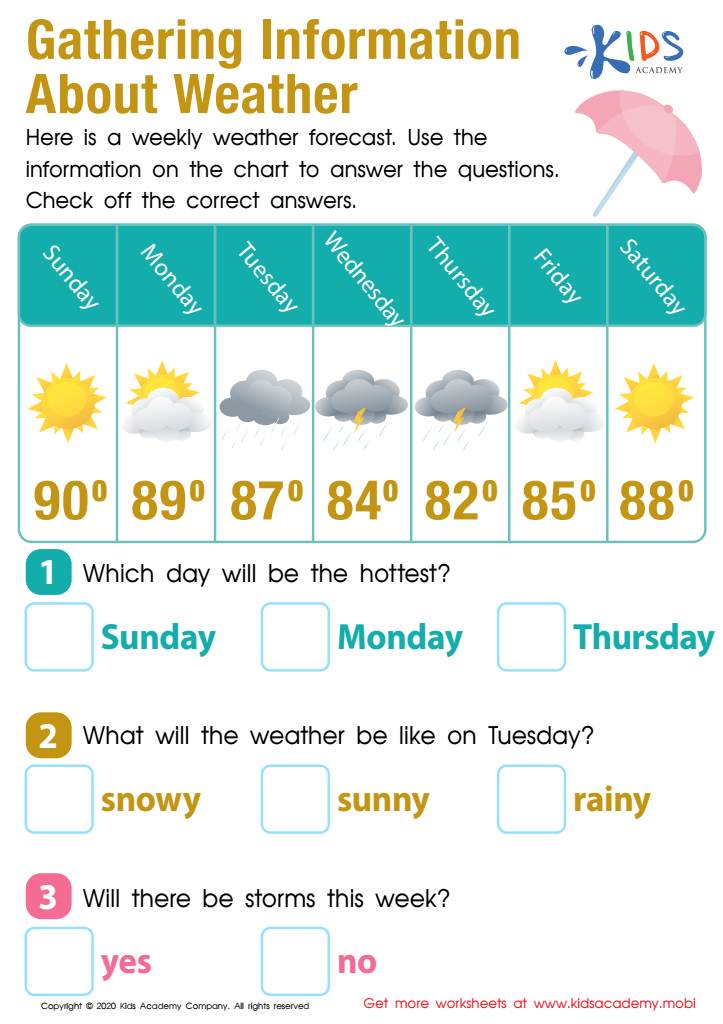
Gathering Information About the Weather Worksheet
 Assign to My Students
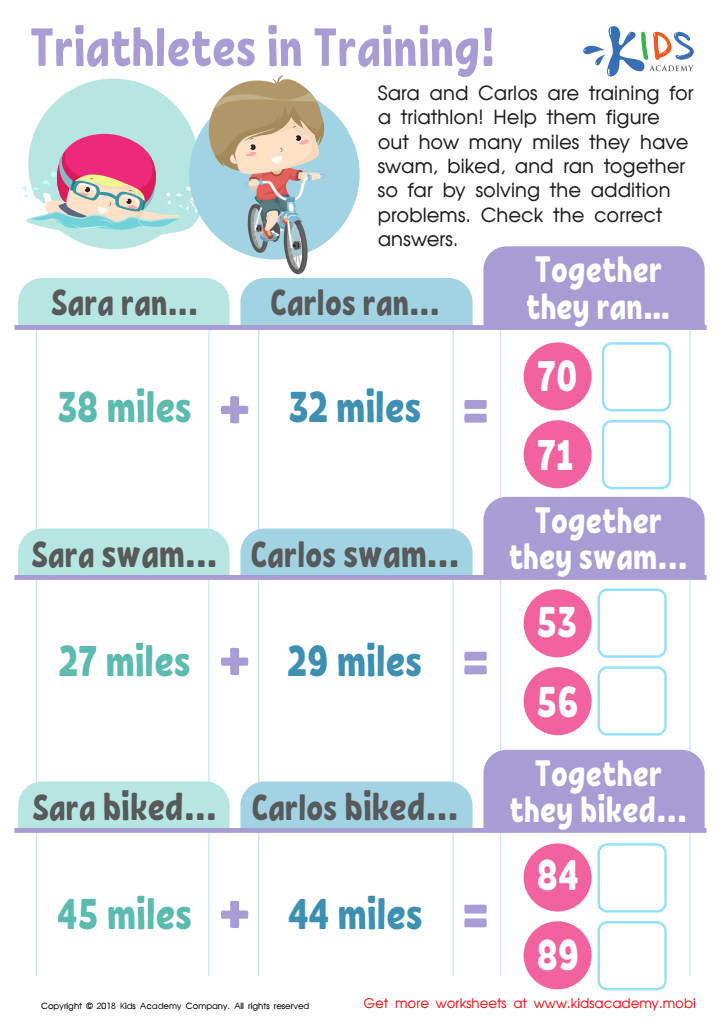
Triathletes in Training Worksheet
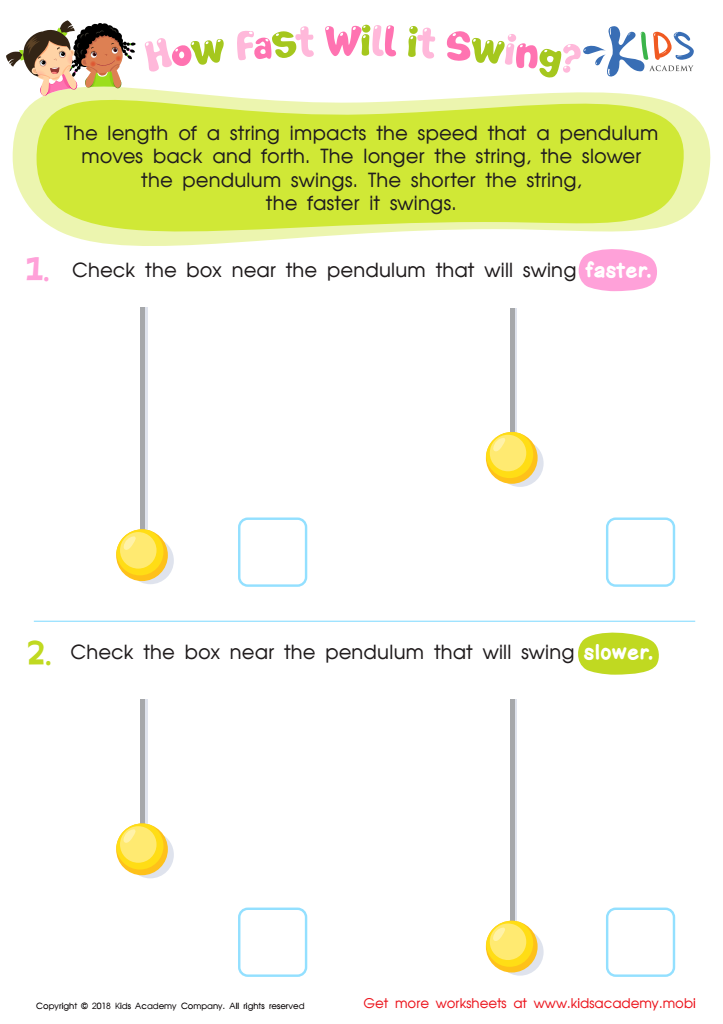
Pendulum Experiment Worksheet For 3rd Grade
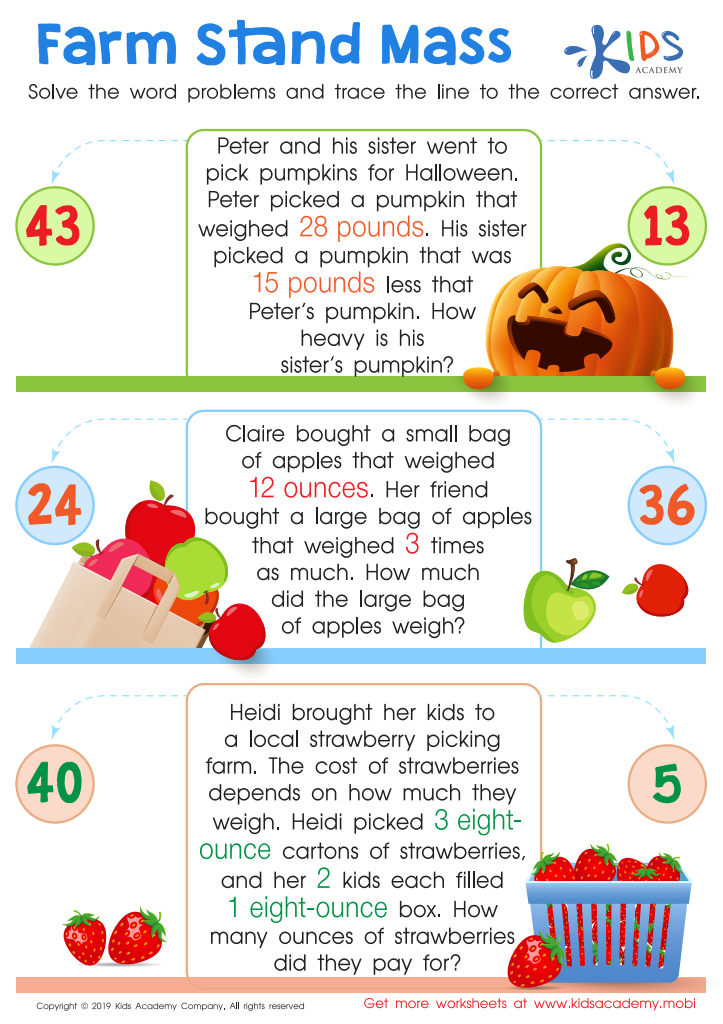
Farm Stand Mass Worksheet
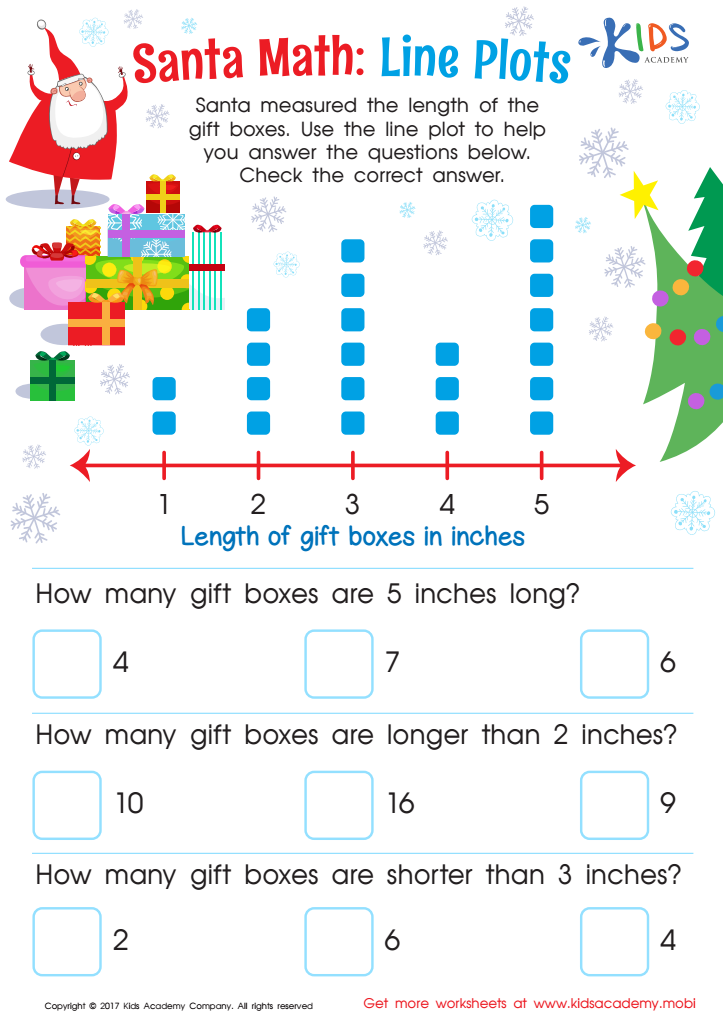
Line Plot Worksheet



.jpg)

.jpg)


Data interpretation is a vital skill for children aged 4-9, as it lays the foundation for critical thinking and informed decision-making in later years. Parents and teachers should care about data interpretation because it enhances students' ability to gather, analyze, and use information in a meaningful way.
At this age, children are naturally curious and eager to explore the world around them. By introducing data interpretation through engaging activities such as simple surveys, graphs, and charts, caregivers can spark interest in mathematical concepts and improve numerical literacy. This process encourages young learners to ask questions, recognize patterns, and draw conclusions based on evidence.
Moreover, proficiency in data interpretation connects to real-life experiences. For instance, children can interpret weather patterns, sports statistics, or even classroom activities, helping them relate classroom learning to their everyday lives. This practical application fosters resilience and adaptability as they encounter new situations.
Furthermore, as technology increasingly permeates education, data skills will become even more essential. Equal emphasis on data literacy alongside traditional subjects can prepare children for future academic challenges. In summary, fostering data interpretation skills in young learners empowers them to think critically, make informed choices, and navigate an increasingly data-driven world.








