Visual interpretation Normal Worksheets for Ages 4-9
5 filtered results
-
From - To
Introducing our Visual Interpretation Normal Worksheets designed for children aged 4 to 9! These engaging, printable resources enhance visual literacy and critical thinking skills through fun activities and interactive challenges. Young learners will explore colors, shapes, patterns, and simple visual spacial reasoning, making complex concepts accessible and enjoyable. Each worksheet promotes creativity and strengthens observation skills, aiding in the development of essential learning foundations. Whether at home or in the classroom, our thoughtfully crafted worksheets cater to diverse learning styles, ensuring every child can thrive. Download now and transform learning into an exciting adventure for your little ones!
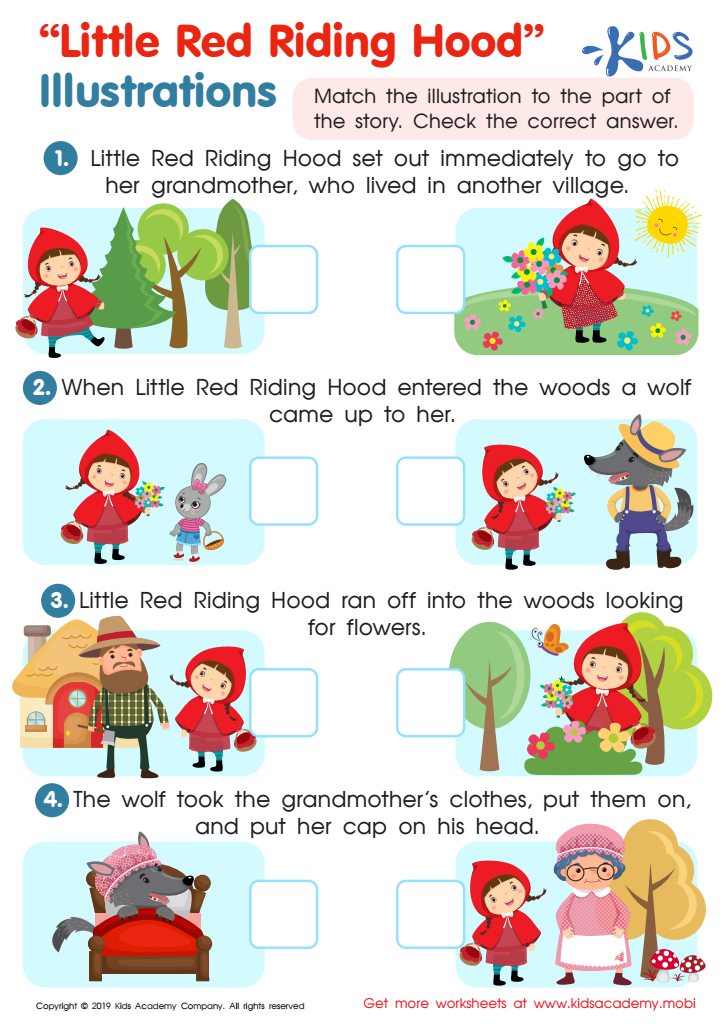
Little Red Riding Hood: Illustrations Worksheet
 Assign to My Students
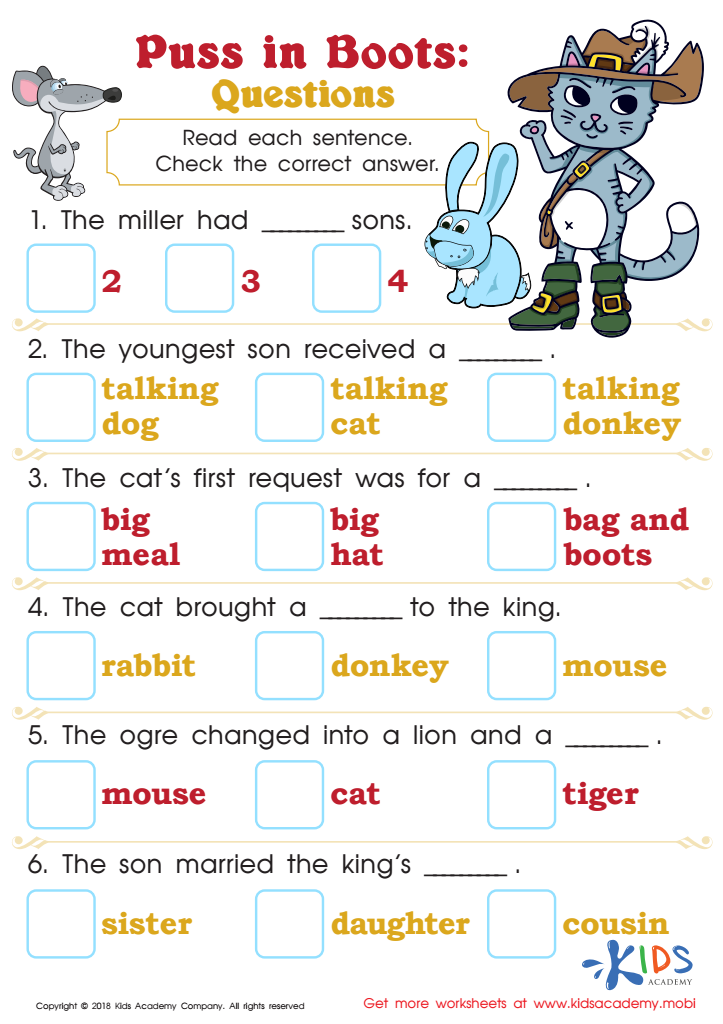
Puss in Boots: Questions Worksheet
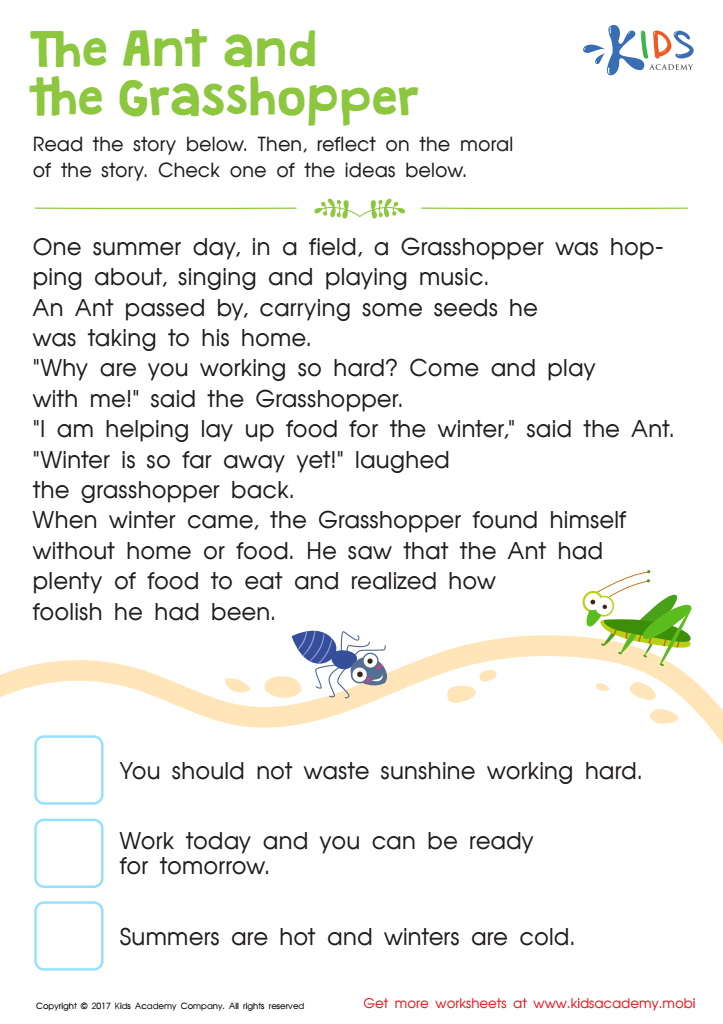
The Ant and The Grasshopper Printable
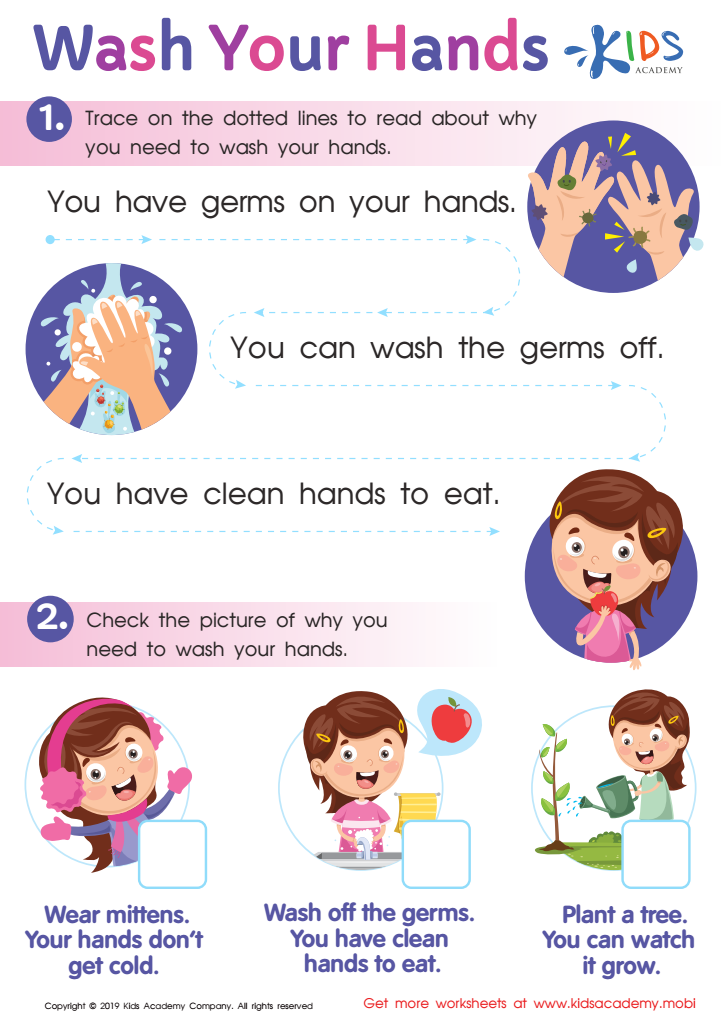
Wash Your Hands Worksheet
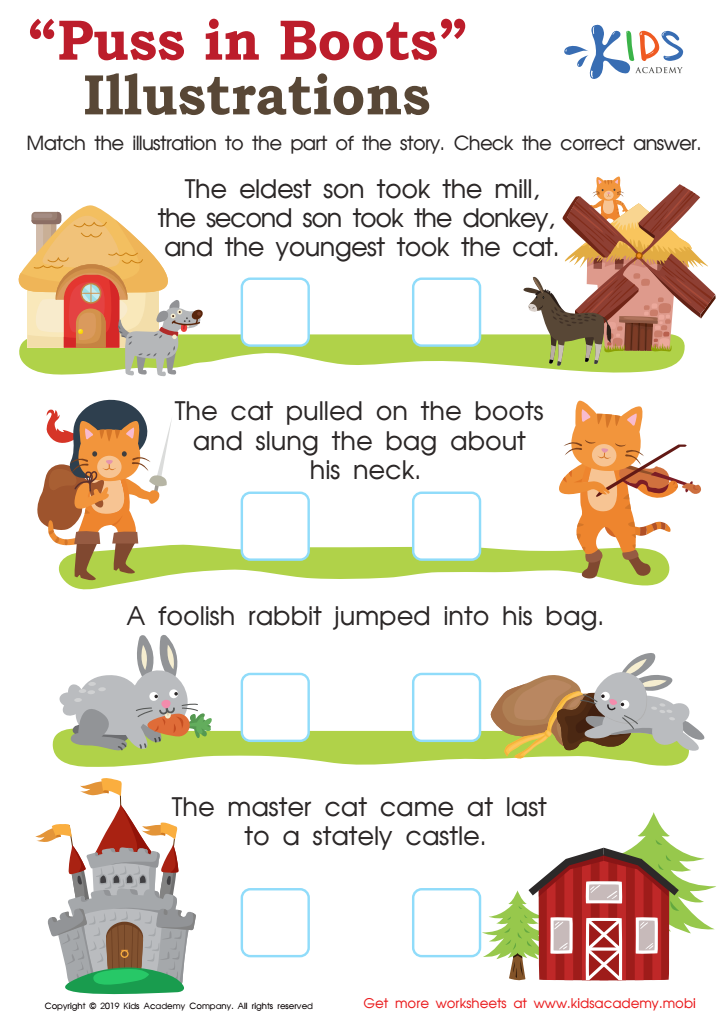
Puss in Boots Illustrations Worksheet







Visual interpretation skills are crucial for children aged 4-9 as they lay the foundation for learning and cognitive development. During these formative years, children are increasingly exposed to visual information through books, educational media, and everyday experiences. By nurturing their ability to interpret visuals, parents and teachers can enhance children's comprehension and critical thinking skills.
When children learn to decipher images, graphs, and diagrams, they develop the ability to connect visual cues to language and concepts. This skill not only supports literacy development but also aids in subjects like math and science, where visual representation is essential. Parents and teachers play a vital role in promoting visual literacy by encouraging activities such as drawing, storytelling with pictures, and analyzing illustrations in books.
Furthermore, strong visual interpretation helps foster creativity, imagination, and problem-solving abilities. It encourages children to express their ideas visually and interpret the ideas of others, building social and communication skills. By prioritizing visual interpretation, parents and teachers contribute to a holistic approach to education, equipping children with the tools they need for academic success and lifelong learning in an increasingly visual world.








