Counting skills Normal 2D Shapes Worksheets for Ages 4-9
4 filtered results
-
From - To
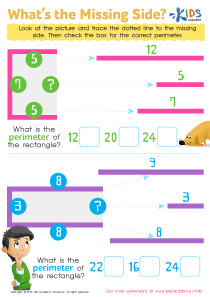
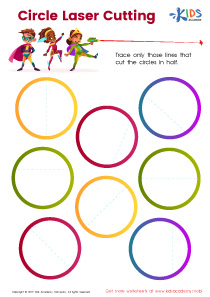
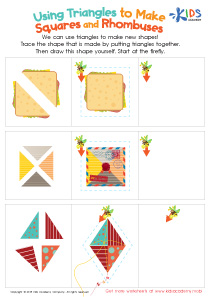
Enhance your child's mathematical understanding with our engaging Counting Skills Normal 2D Shapes Worksheets, designed for ages 4-9. These thoughtfully crafted worksheets introduce young learners to the fundamentals of counting while incorporating vibrant, age-appropriate 2D shapes. As children work through exercises related to identifying, counting, and comparing shapes, they build essential early math skills in a fun and interactive way. Ideal for home or classroom use, these worksheets foster creativity and problem-solving abilities while nurturing a love for learning. Download our printable resources today and watch your child excel in counting and shape recognition!
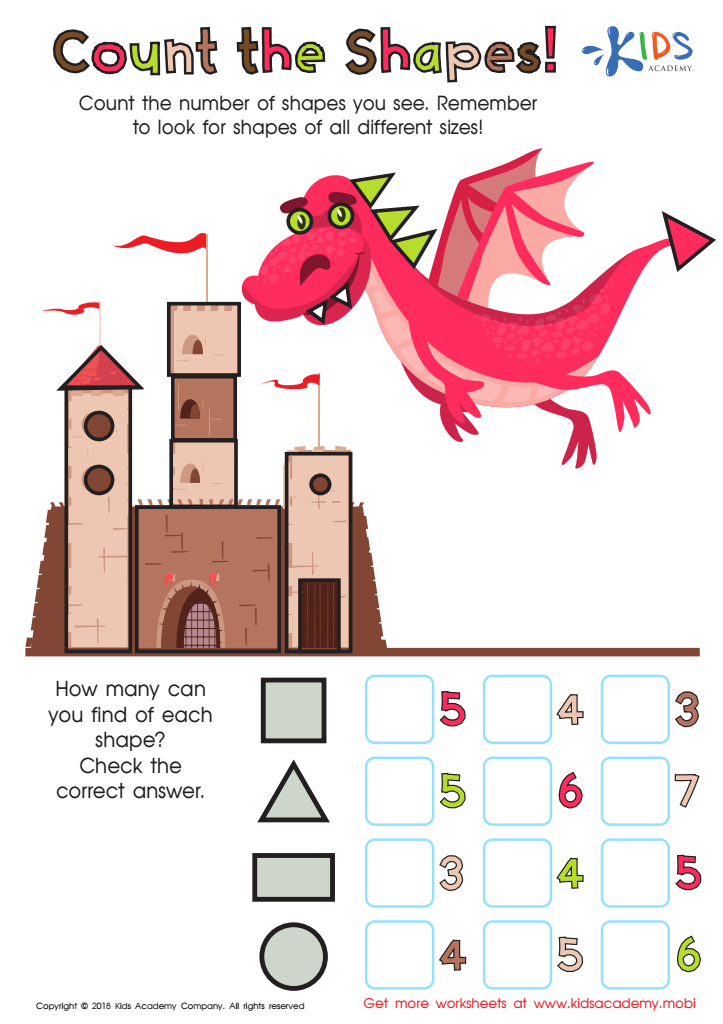
Count the Shapes Worksheet
 Assign to My Students











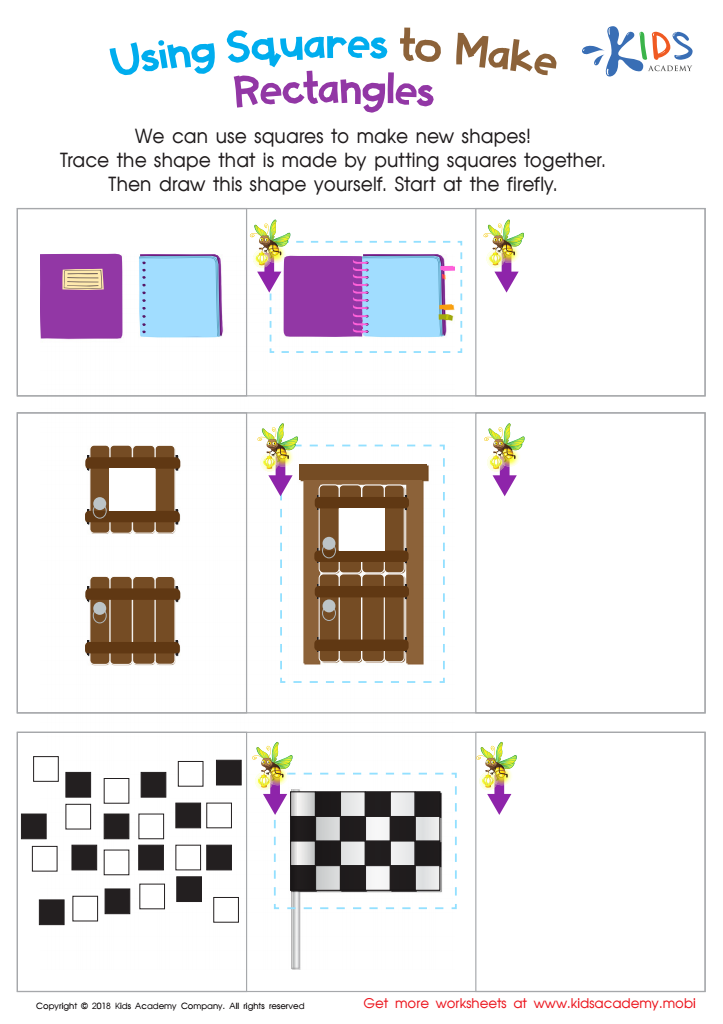
Using Squares to Make Rectangles Worksheet
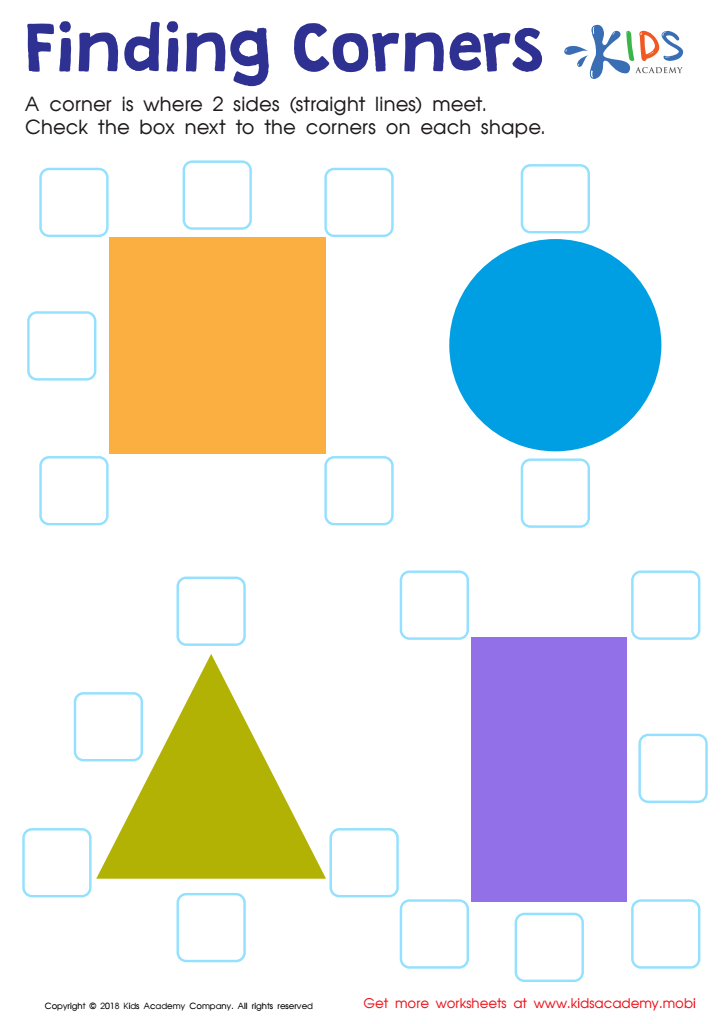
Finding Corners Worksheet
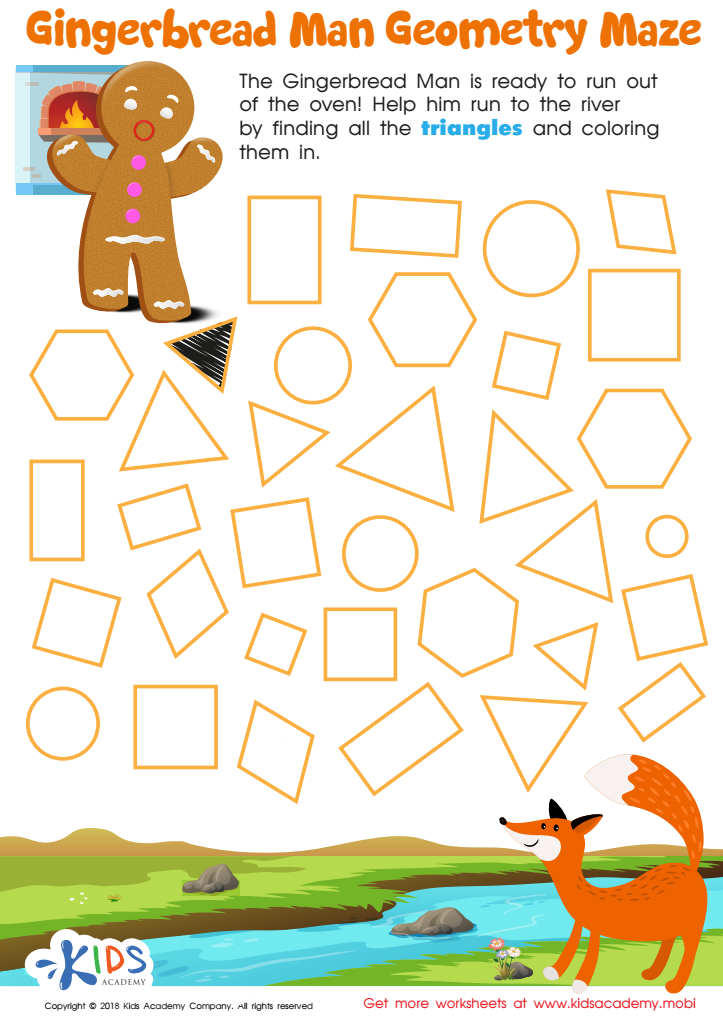
Gingerbread Man Geometry Maze Worksheet








Counting skills and understanding basic 2D shapes are foundational elements of early childhood education that play a critical role in a child's cognitive development. For children aged 4-9, mastering these concepts sets the stage for more complex mathematical reasoning and problem-solving in later years.
First, counting skills enhance a child's ability to recognize and understand numbers, which is essential in daily life, from managing personal items to understanding time and money. These skills foster logical thinking and help build a strong mathematical foundation that promotes confidence in academic settings.
On the other hand, normal 2D shapes—such as circles, squares, and triangles—introduce kids to geometry and visual-spatial reasoning. Recognizing shapes helps children make connections between the physical world and abstract concepts, facilitating critical thinking skills that are applicable across subjects and real-life situations.
Moreover, reinforcing these skills through engaging activities encourages social interaction and collaborative learning. When parents and teachers focus on counting and shape recognition, they not only enhance a child's academic skills but also support their overall developmental growth, preparing them for future learning challenges and fostering a lifelong love for mathematics and education.