Number Recognition Normal Addition and Subtraction Word Problems Worksheets for Ages 4-9
5 filtered results
-
From - To
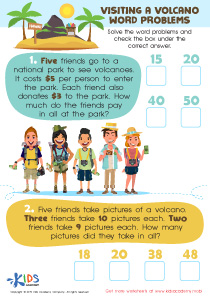
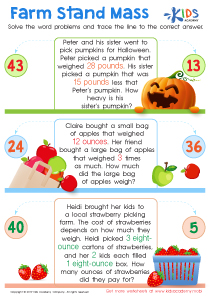
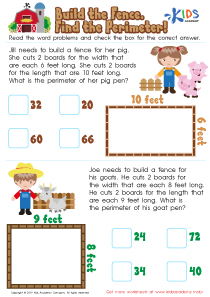
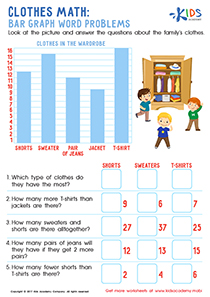
Enhance your child's mathematical skills with our engaging worksheets focused on number recognition, normal addition, and subtraction word problems for ages 4-9. Designed to foster a solid foundation in math, these worksheets offer a variety of scenarios to help children practice their problem-solving abilities. By tackling real-life situations, students will not only improve their addition and subtraction skills but also develop essential number recognition techniques. Perfect for parents and educators alike, these resources encourage independent learning while making math fun and interactive. Empower your little ones to excel in math and gain the confidence they need to tackle future challenges!
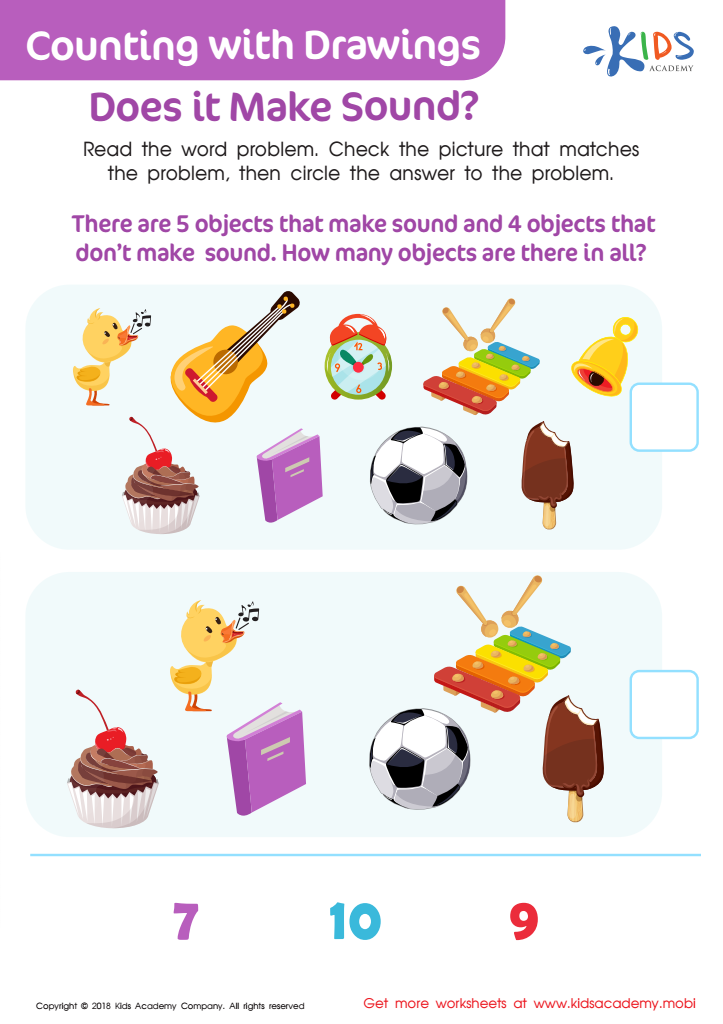
Counting With Drawings. Does It Make Sound? Worksheet
 Assign to My Students
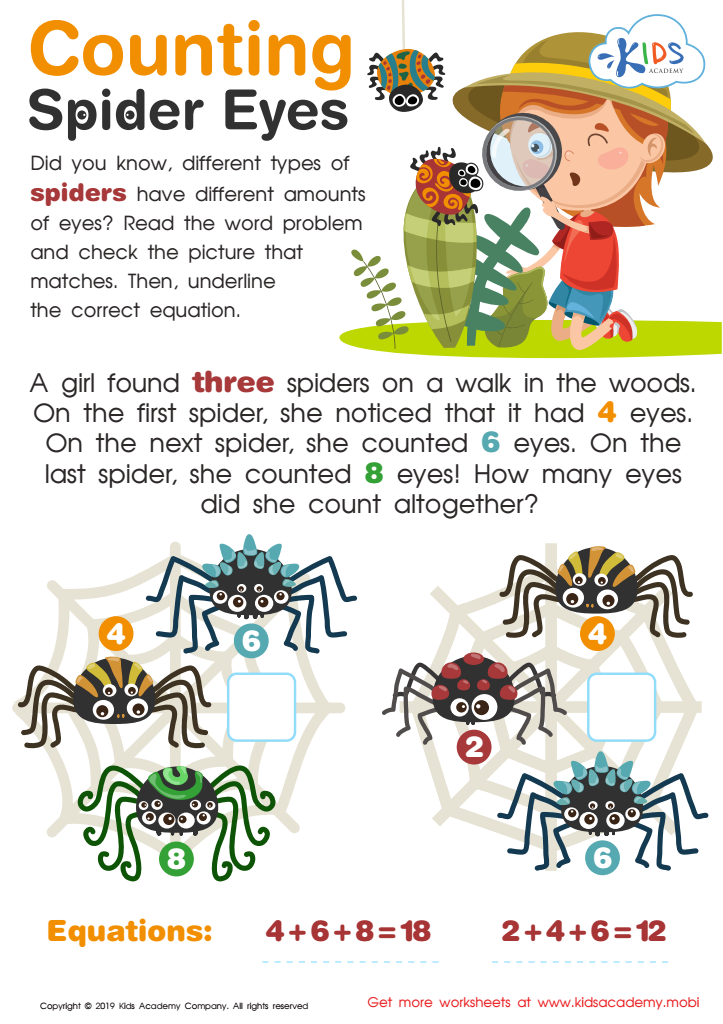
Counting Spider Eyes Worksheet
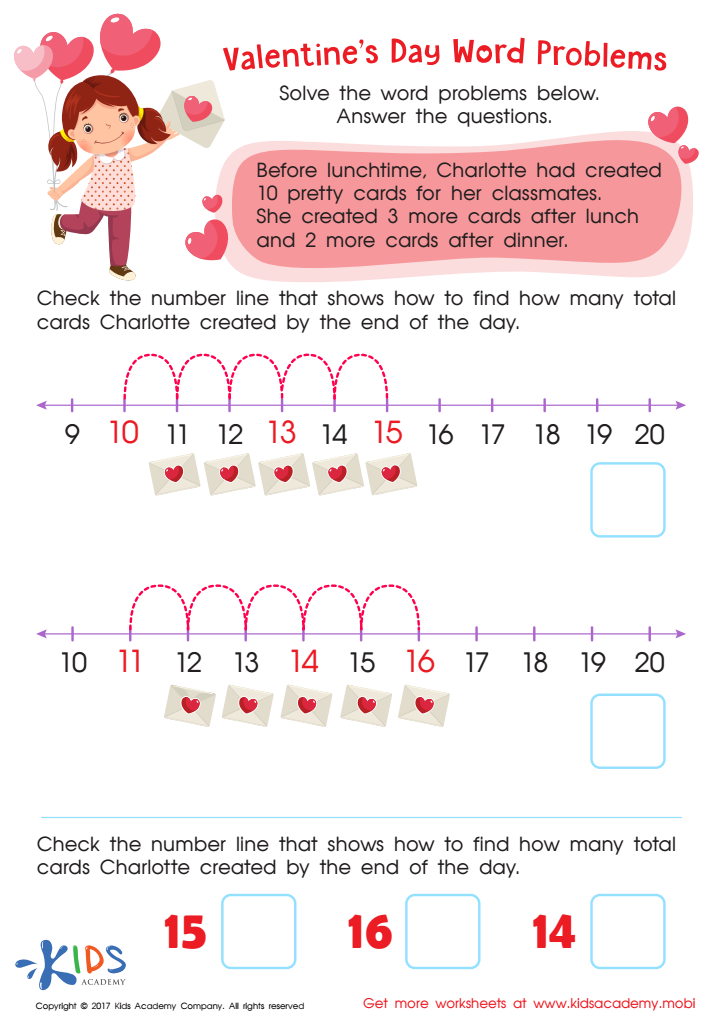
Valentines Day Word Problem Worksheet
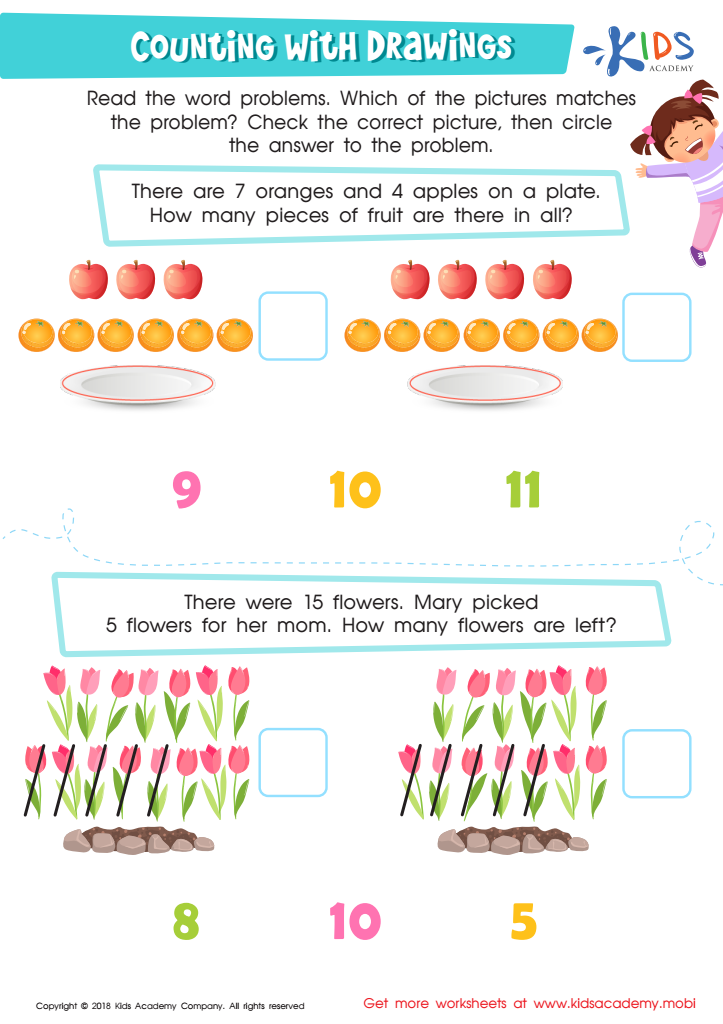
Counting with Drawings: Fruits & Chocolates Worksheet
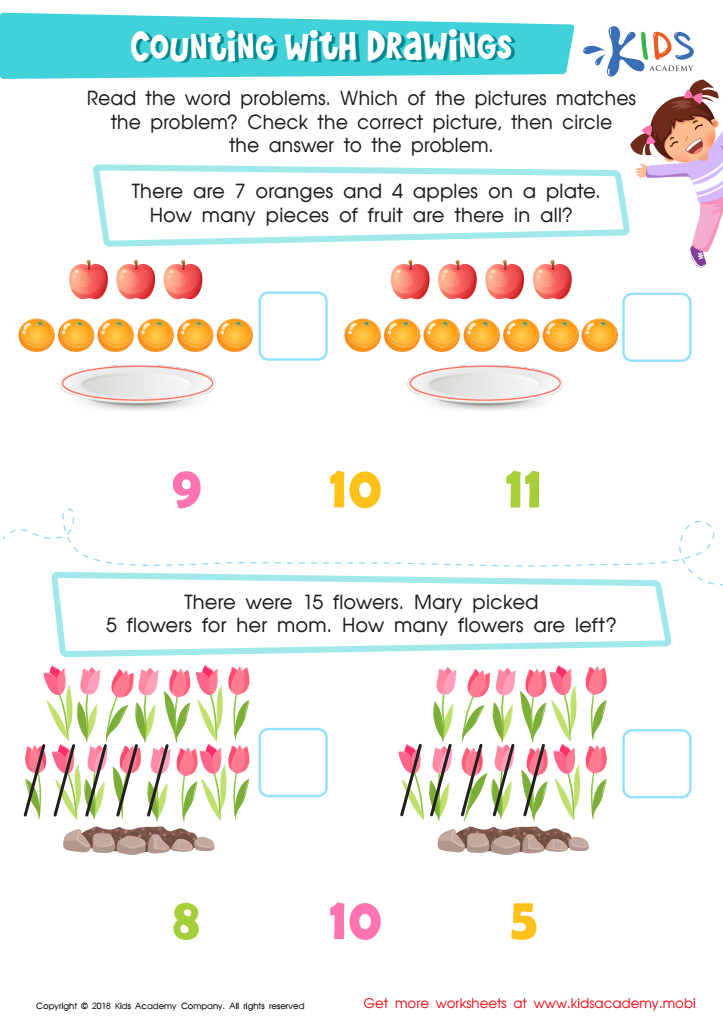
Counting with Drawings:Fruits & Flowers Worksheet








Number recognition and dealing with addition and subtraction word problems are foundational skills for children aged 4-9. These skills are essential for building a strong mathematical understanding and fostering critical thinking abilities. When parents and teachers emphasize number recognition, they help children identify and understand numbers' value and significance, which enhances their ability to count, compare, and classify objects.
Furthermore, engaging with addition and subtraction word problems allows children to apply mathematical concepts in real-life contexts. This skill is vital, as it develops their problem-solving abilities and nurtures logical reasoning. Understanding how to interpret and solve word problems builds a bridge between abstract math concepts and practical applications, helping children see the relevance of math in their daily lives.
Additionally, encouraging these skills at an early age instills confidence in children. As they become comfortable with number recognition and basic operations, they are more likely to engage positively with mathematics as they progress through school. Ultimately, by focusing on these key areas, parents and teachers cultivate a supportive environment where children can develop not only their mathematical skills but also critical competencies that will serve them in all areas of learning and life.