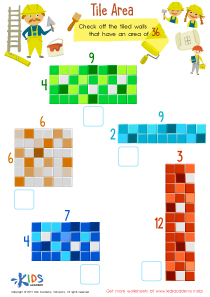
Developing counting skills Normal Numbers Worksheets for Ages 4-9
3 filtered results
-
From - To
Enhance your child's counting abilities with our "Developing Counting Skills Normal Numbers Worksheets" tailored for ages 4-9. These engaging worksheets are designed to foster a strong numerical foundation, making learning to count both fun and effective. Your little ones will explore recognizing numbers, counting objects, and developing number sense through interactive exercises. Each worksheet is crafted to suit various learning styles and includes colorful visuals to maintain interest and enthusiasm. Perfect for at-home practice or classroom use, our resources provide a structured approach to numeracy that prepares children for future math challenges. Start your journey to confident counting today!
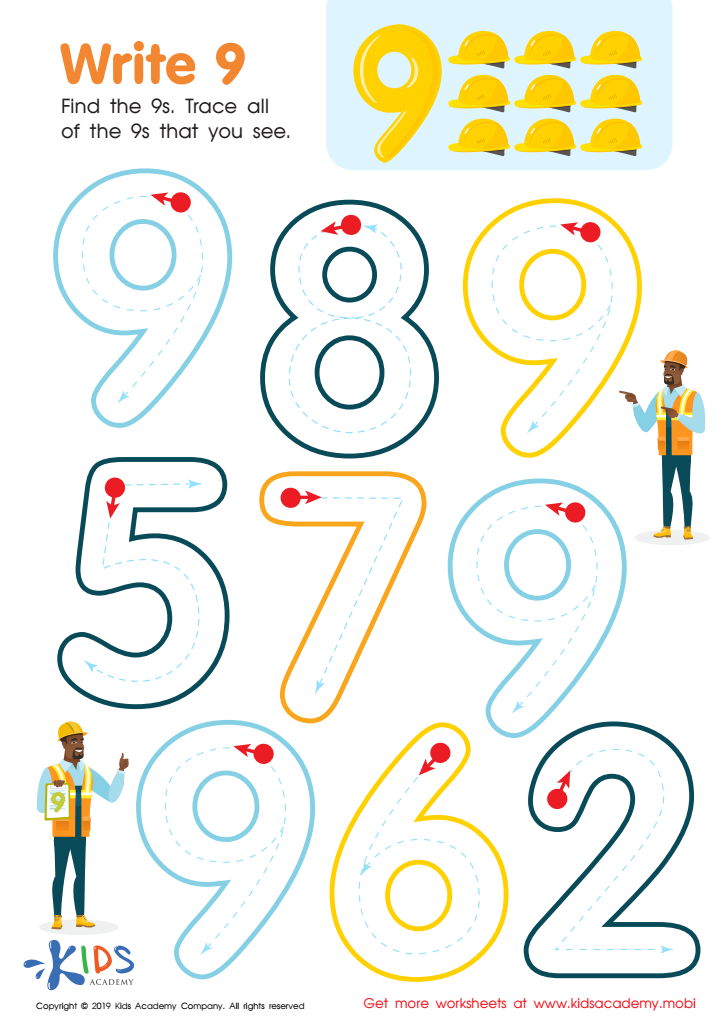
Write 9 Worksheet
 Assign to My Students
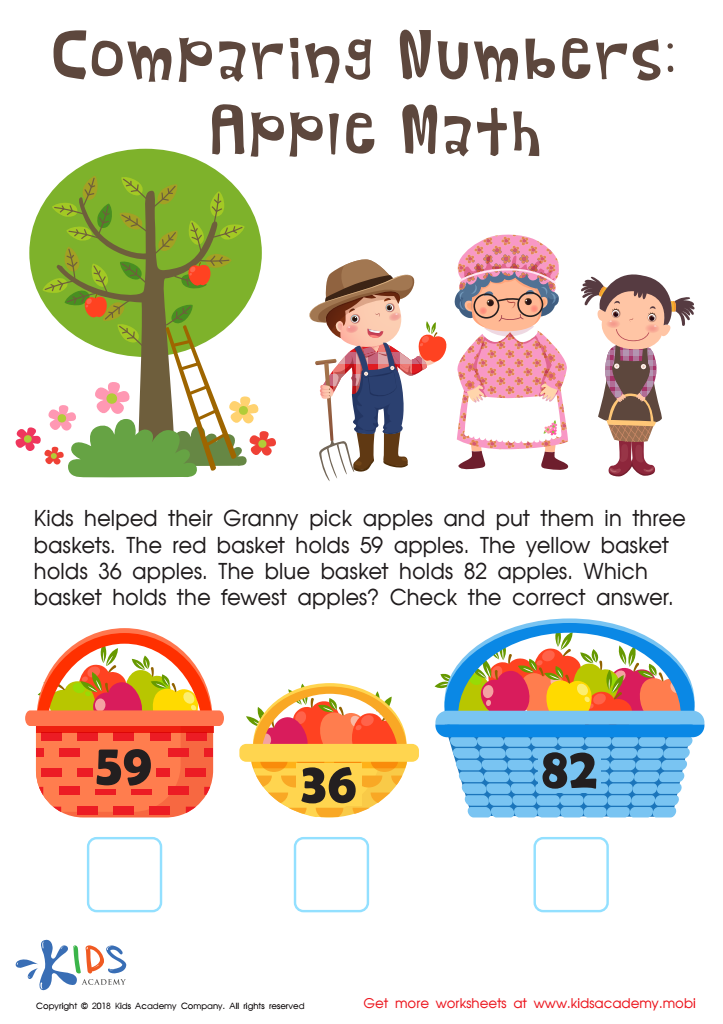
Apple Math Worksheet
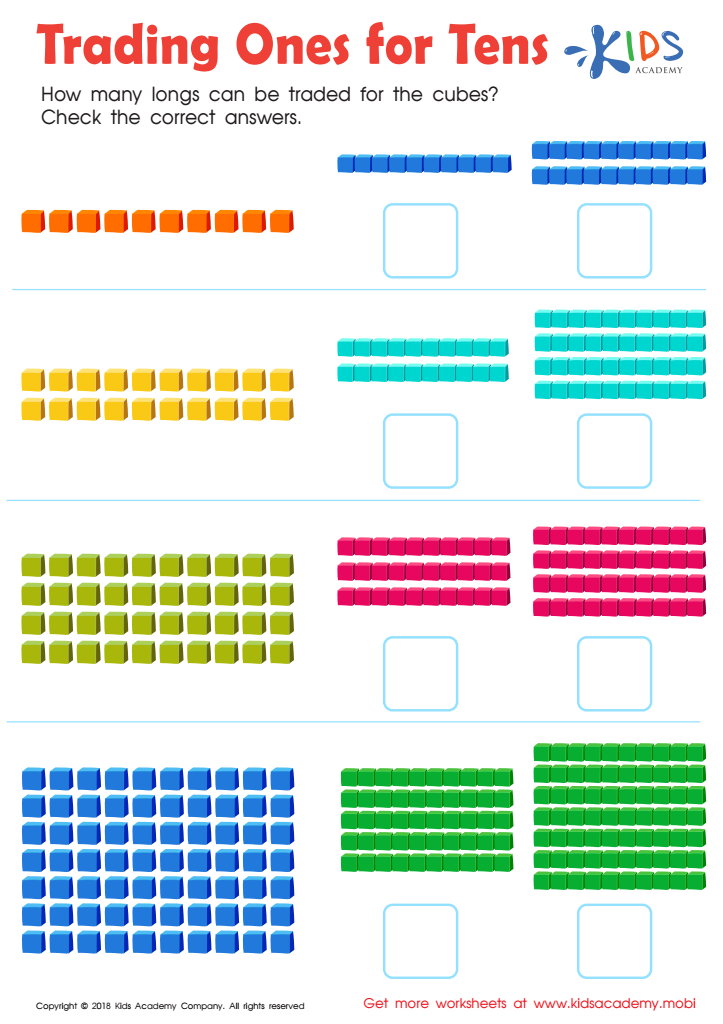
Trading Ones for Tens Worksheet: Part 2







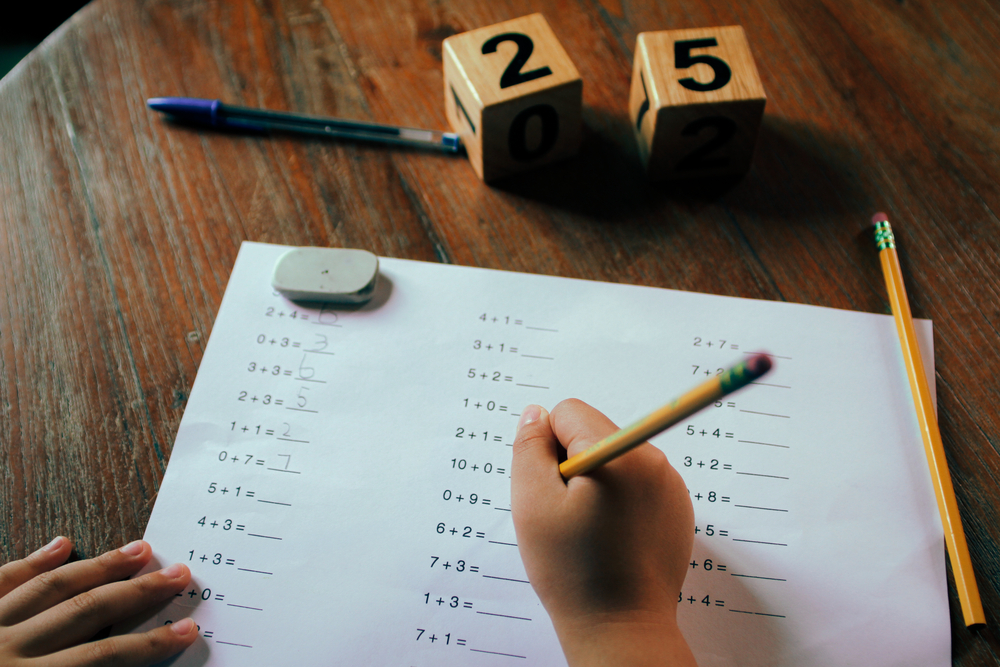
Developing counting skills using normal numbers for children aged 4 to 9 is crucial for several reasons. First, early counting establishes a foundational understanding of numeracy, which is vital for later mathematical learning. Proficiency in counting enhances children’s ability to perform basic arithmetic, understanding of quantities, and comparison of numbers, setting the stage for more complex mathematical concepts.
Moreover, counting fosters logical thinking and problem-solving skills. It encourages children to recognize patterns, sequence, and make connections between numbers and their real-world applications. As they learn to count objects, they gain a sense of structure and organization, which can translate into better organizational skills in other subjects and areas of life.
Additionally, counting disciplines focus and concentration, helping children improve their attention spans. By engaging in counting activities, parents and teachers can enhance children's social skills as they often involve teamwork and sharing while learning together.
Finally, nurturing counting skills promotes confidence and self-esteem. Children who are adept at counting feel more capable in their mathematical abilities, which encourages them to embrace challenges and enhances their enthusiasm for learning. Investing time in developing these skills yields long-term benefits for children’s academic and personal growth.