Basic arithmetic skills Normal Math Worksheets for Ages 4-9
6 filtered results
-
From - To
Explore our engaging Basic Arithmetic Skills worksheets designed specifically for children ages 4 to 9! These thoughtfully crafted worksheets introduce essential math concepts such as addition, subtraction, counting, and number recognition through fun activities that captivate young learners. Ideal for use at home or in the classroom, our Normal Math Worksheets foster an enjoyable learning environment while reinforcing foundational skills. Each worksheet promotes critical thinking and problem-solving through colorful illustrations and interactive challenges. Help your child build confidence in their math abilities and develop a love for learning. Download our printable worksheets today and watch your child's math skills flourish!
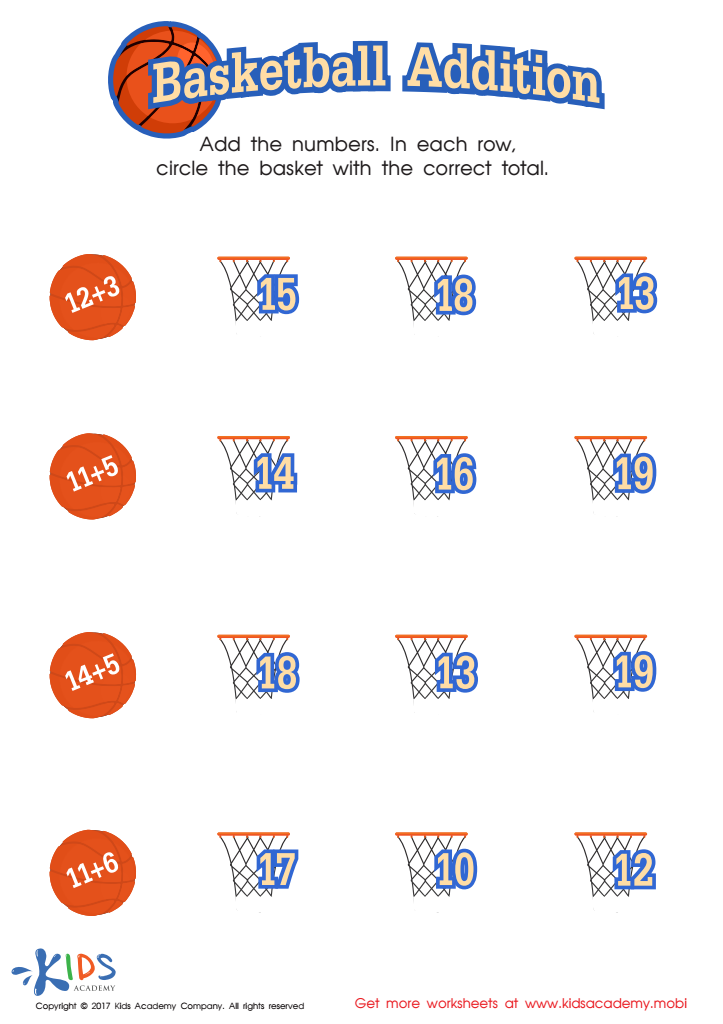
 Assign to My Students
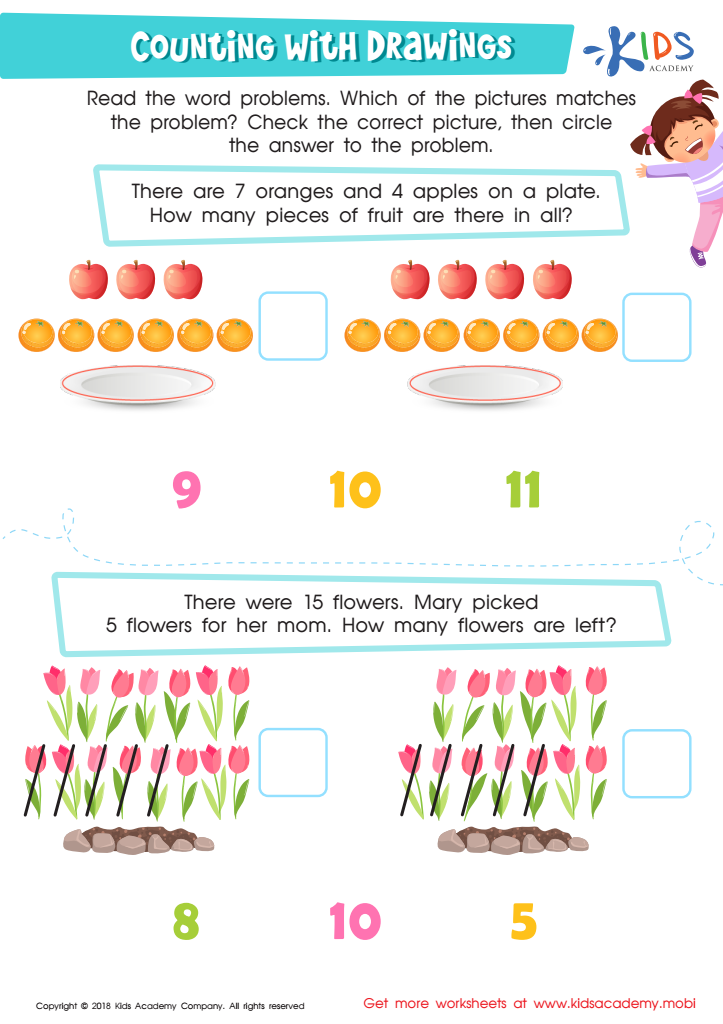
Counting with Drawings: Fruits & Chocolates Worksheet
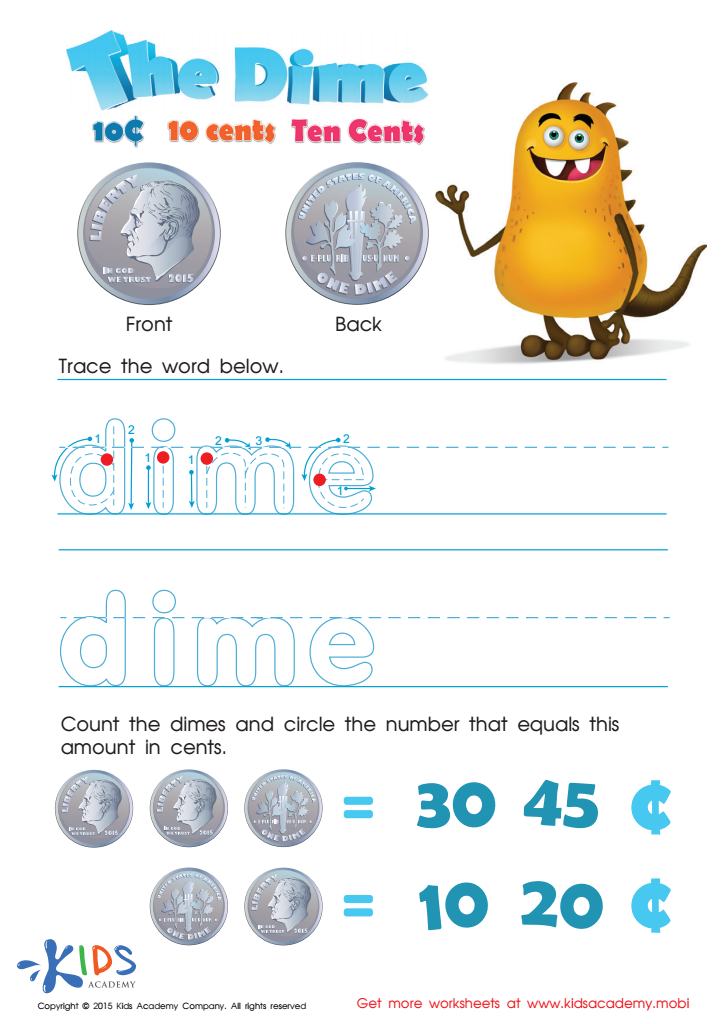
Ten Cents or the Dime Money Worksheet
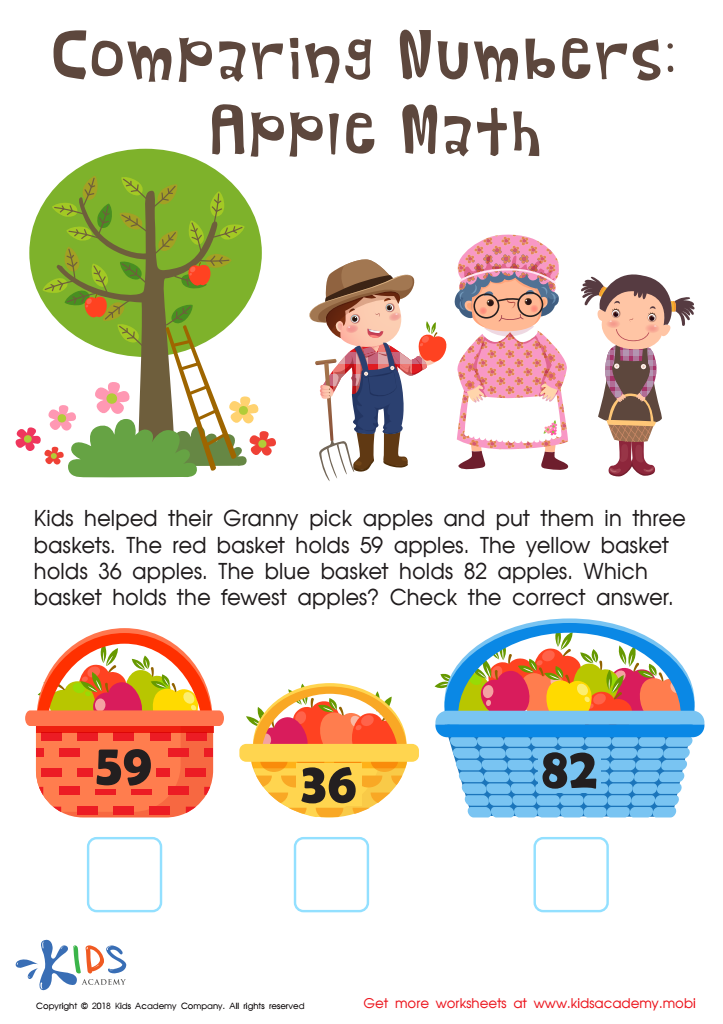
Apple Math Worksheet
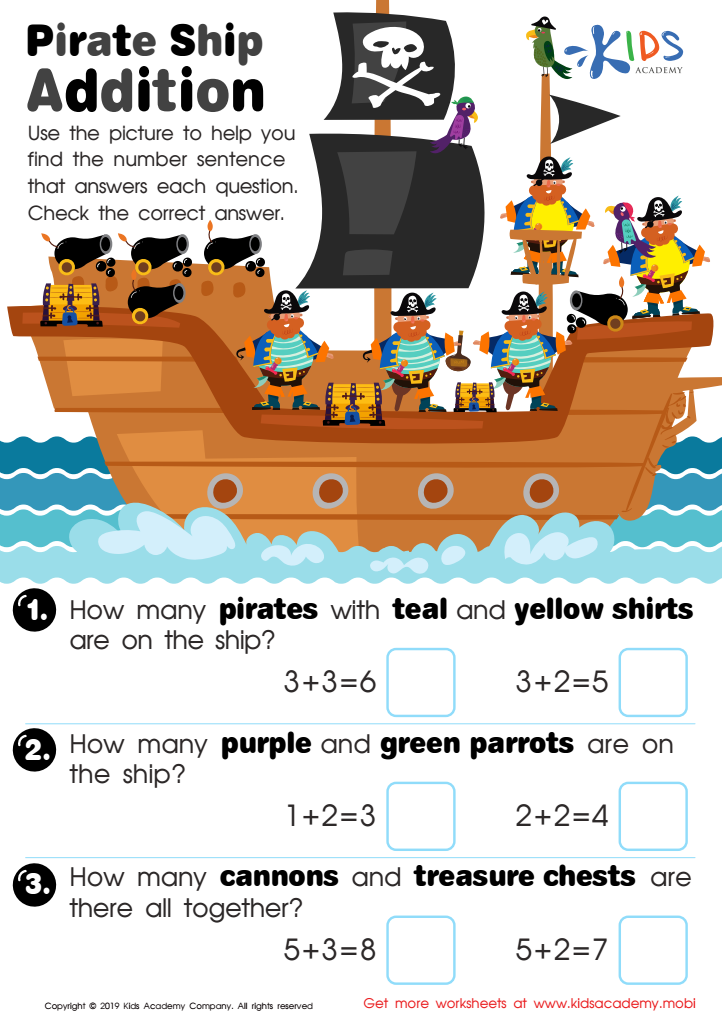
Pirate Ship Addition Worksheet
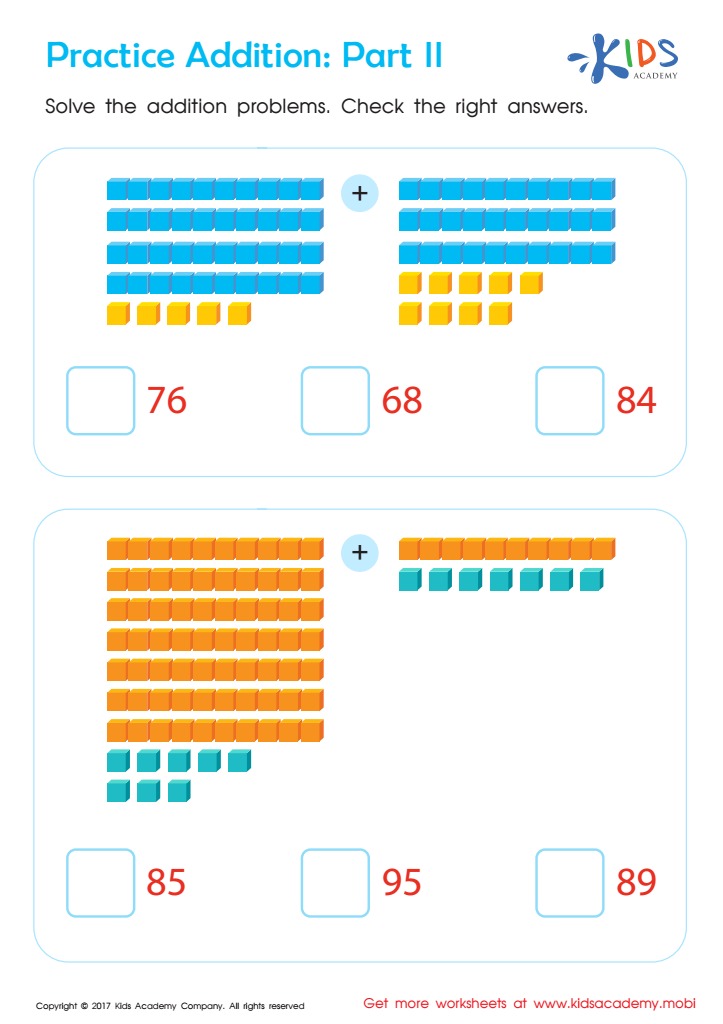
Practice Addition: Part 2 Worksheet








Basic arithmetic skills are foundational for children's overall cognitive development, particularly for those aged 4-9. During this critical period, children's brains are like sponges, quickly absorbing information and skills that will support their lifelong learning. Teaching basic arithmetic, such as addition, subtraction, and even the early understanding of numbers, fosters essential problem-solving abilities and logical thinking.
Developing these skills early helps children develop confidence in their mathematical abilities, which can reduce math anxiety later in life. Mastering arithmetic builds a strong platform for more complex concepts, which are introduced in higher grades. It also enhances children's everyday life skills, like budgeting, measuring, and understanding time, which are crucial for their independence as they grow.
Moreover, parents and teachers play pivotal roles in a child's education. By prioritizing arithmetic in both home and school settings, they promote a conducive learning environment that encourages curiosity and engagement with numbers. Fostering a love for math at a young age can inspire a positive attitude toward future learning, setting children on a path toward academic success. Ultimately, nurturing these basic arithmetic skills helps prepare children not just academically, but also equips them with the practical skills needed for daily life.








