Number Writing Practice Normal Math Worksheets for Ages 4-9
5 filtered results
-
From - To
Transform early math learning into a fun and engaging journey with our Number Writing Practice Worksheets, thoughtfully designed for ages 4-9. These worksheets aid young learners in mastering number formation, improving handwriting skills, and building confidence in math. Each sheet offers a variety of activities, from tracing and freehand writing to counting practice, promoting both fine motor skills and numerical understanding. Perfect for classroom or home use, our worksheets ensure a strong foundation for future math success while making learning enjoyable and effective. Explore our collection today and watch your child's numeracy skills flourish joyfully!
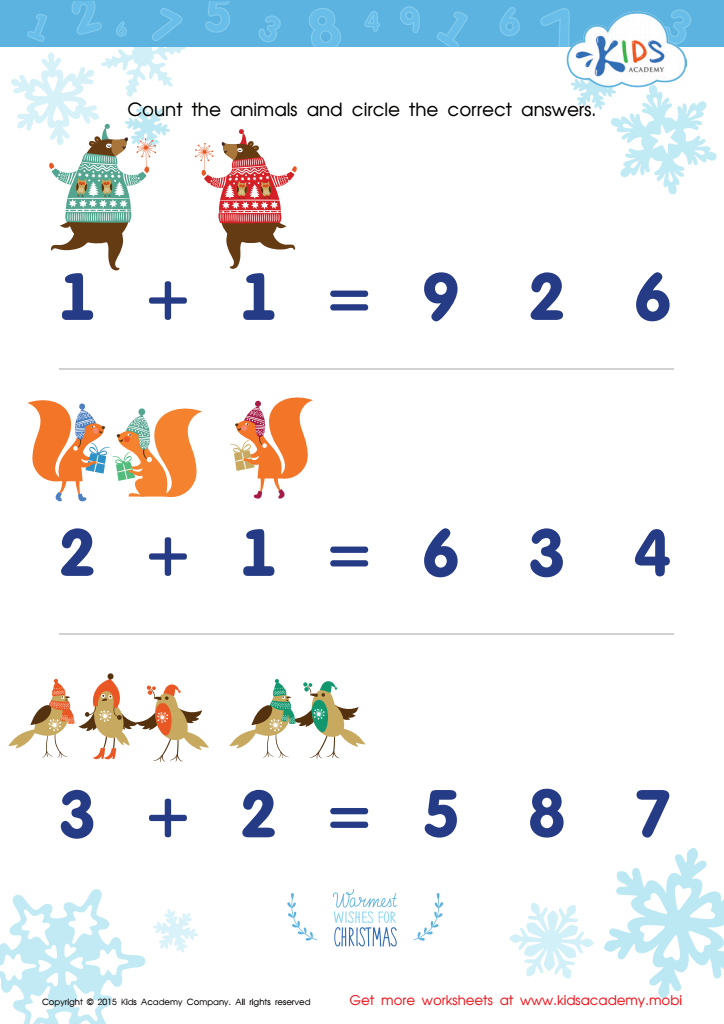
Count Funny Animals Worksheet
 Assign to My Students
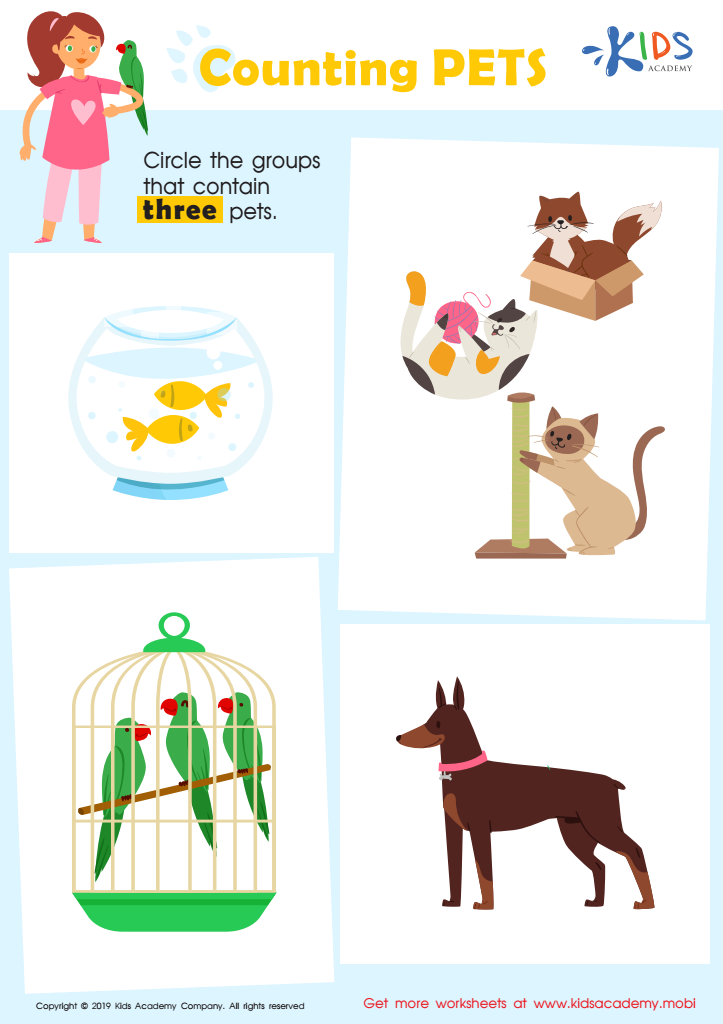
Counting Pets Worksheet
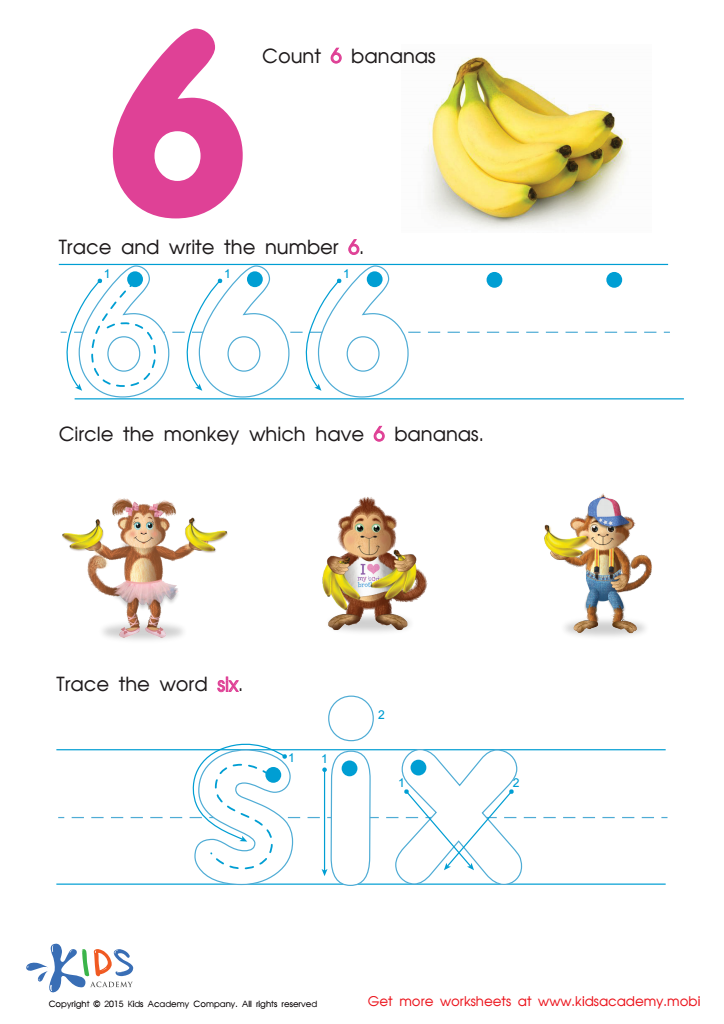
Tracing And Writing Number 6 Worksheet
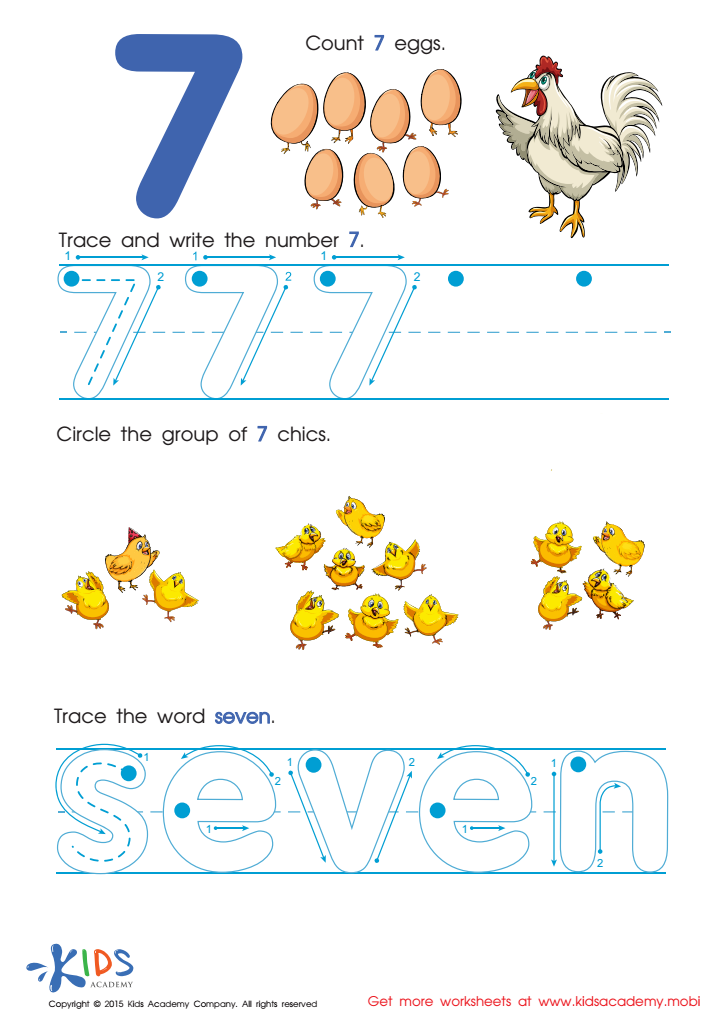
Trace And Write Number 7 with Fun Worksheet
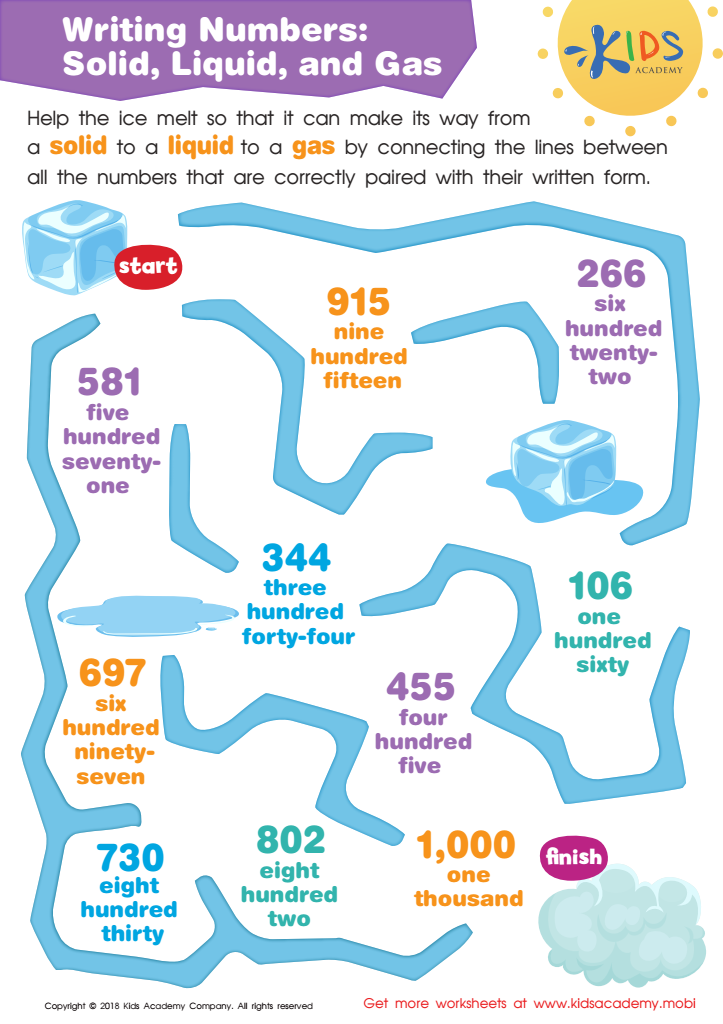
Solid, Liquid, and Gas Writing Numbers Worksheet








Number writing practice is a foundational skill with far-reaching implications for children's academic success and daily life. For ages 4-9, it is a crucial period where children develop early numeracy skills. Parents and teachers should prioritize this practice as it facilitates cognitive development, fine motor skills, and understanding of mathematical concepts.
Firstly, number writing practice aids in recognizing and familiarizing children with number symbols, helping them translate abstract concepts into visual forms. This recognition is essential for any further mathematical learning, including counting, addition, and subtraction. When children write numbers frequently, they also learn to sequence them correctly, enhancing their grasp of numerical order and value relationships.
Secondly, this practice improves fine motor skills as children learn to control writing instruments and develop hand-eye coordination. These skills are not only imperative for writing numbers but also beneficial for overall handwriting and dexterity required in other areas of life.
Additionally, early exposure to correct number writing sets the foundation for future work in maths and reduces potential frustrations and errors that may arise from illegible or incorrect number forms. By integrating number writing practice within playful and educational contexts, parents and teachers can make learning numbers engaging and effective, setting children up for long-term academic success.








