Number Recognition Normal Building Vocabulary Worksheets for Ages 4-9
4 filtered results
-
From - To
Explore our captivating Number Recognition Normal Building Vocabulary Worksheets designed for kids aged 4-9! These engaging worksheets blend fun with education, providing a strong foundation in number recognition and vocabulary development. Children will enjoy completing these visually appealing activities as they gradually build their numeracy skills. Suitable for varying skill levels, the worksheets adapt to individual learning paces, ensuring every child feels confident and accomplished. Our curated content not only reinforces number concepts but also enhances critical thinking and reading skills. Make learning an enjoyable adventure and equip young learners with the essential tools for academic success!
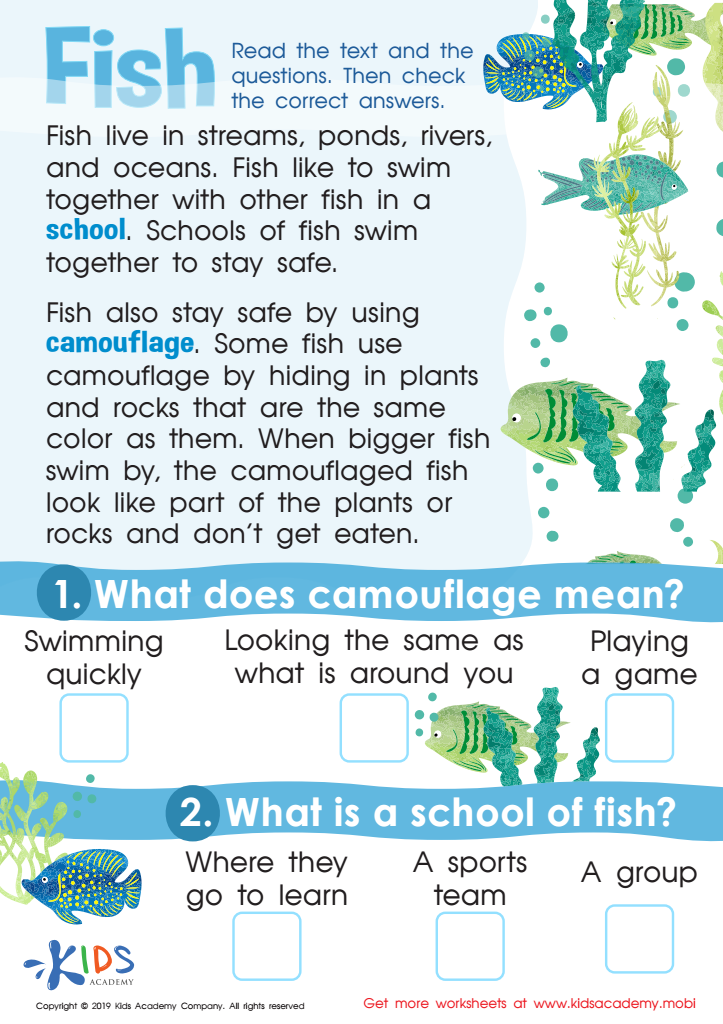
Fish Worksheet
 Assign to My Students











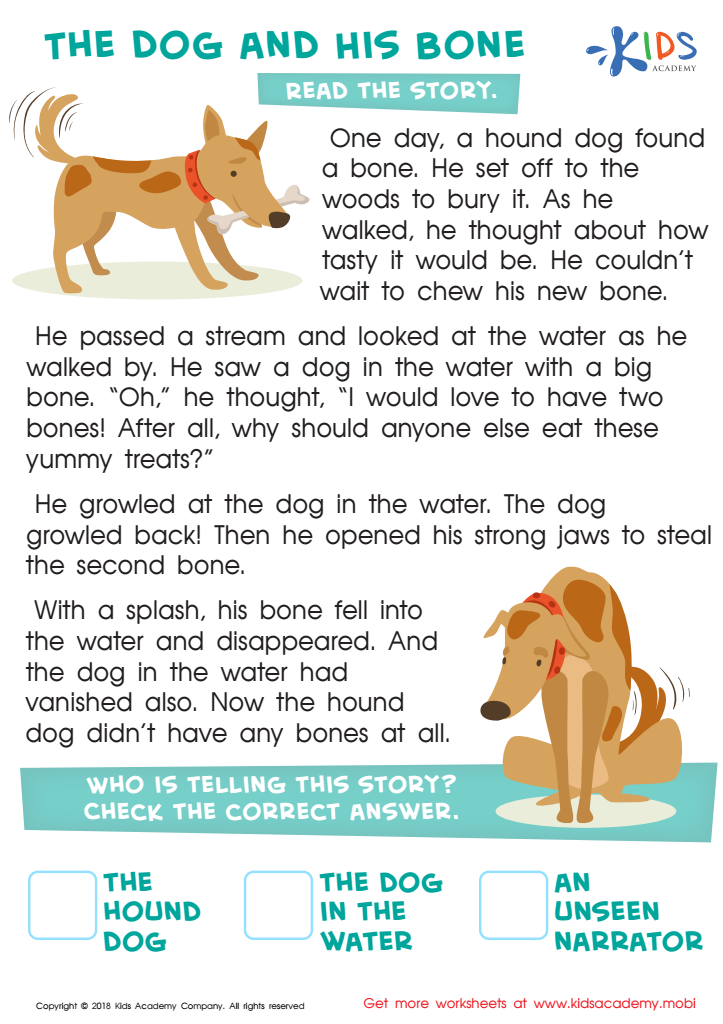
The Dog and His Bone Worksheet
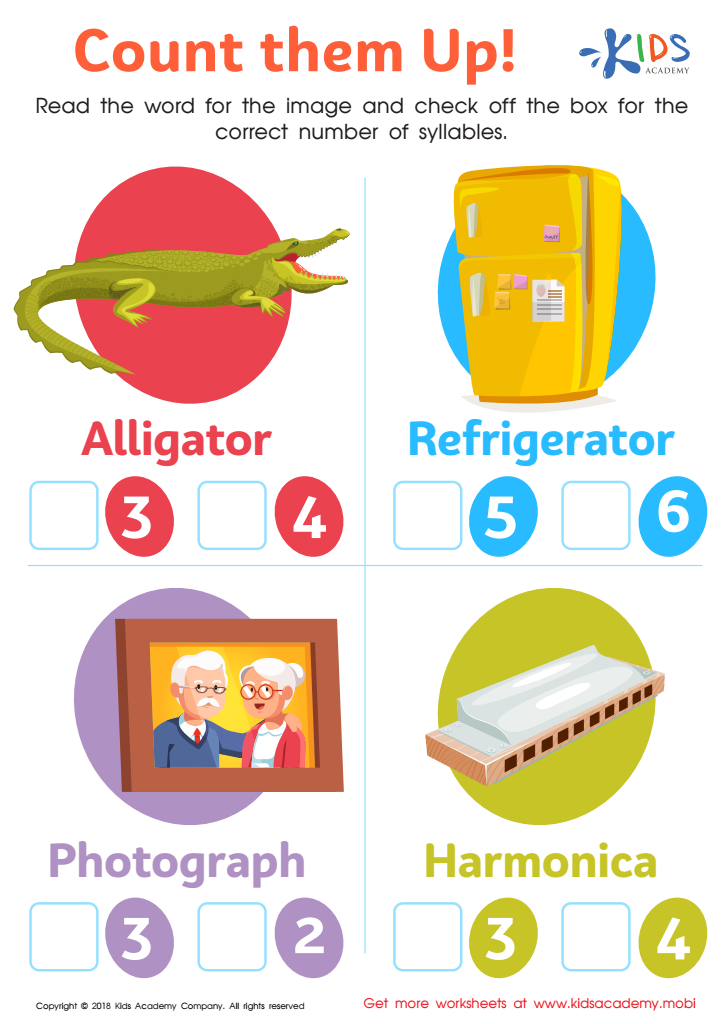
Count Them Up Worksheet
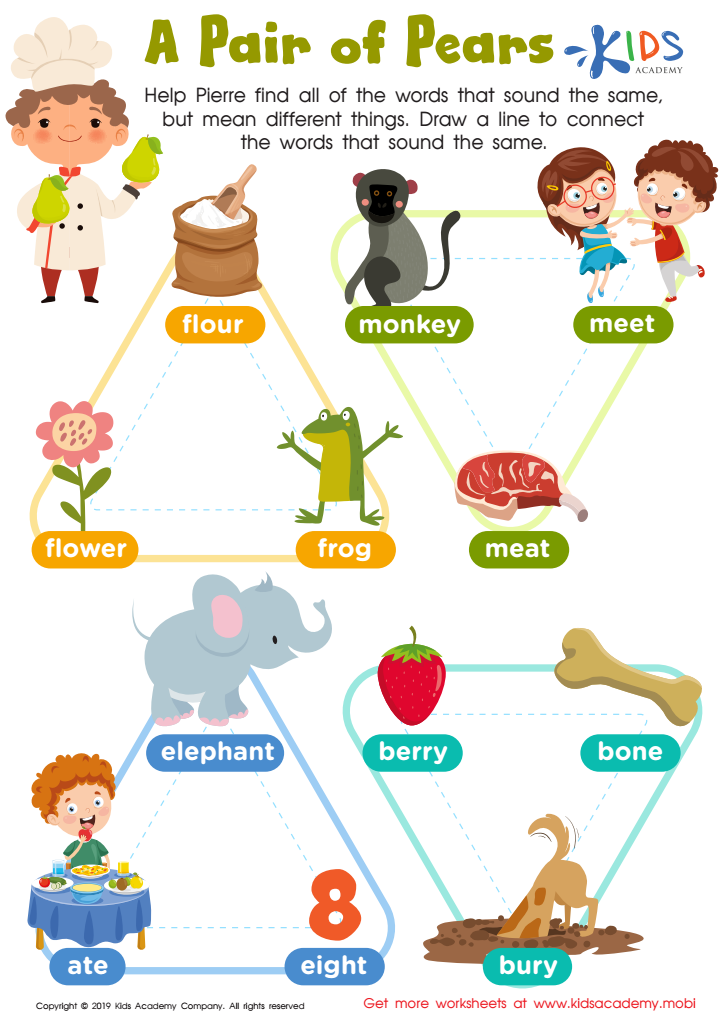
Pair Pears Worksheet







Parents and teachers should prioritize number recognition and vocabulary-building for children aged 4-9 for several compelling reasons. During this formative stage, cognitive development flourishes, laying the groundwork for future academic success. Mastering number recognition equips children with essential mathematical skills important for problem-solving and logical thinking. Recognizing numbers early helps in grasping more complex concepts like addition, subtraction, and eventually multiplication and division.
Simultaneously, building a robust vocabulary is equally critical. A well-developed vocabulary enhances reading proficiency, comprehension, and verbal communication, which are vital across all subjects. It fosters confidence and social skills, enabling kids to express themselves clearly and effectively.
Both number recognition and vocabulary-building are foundational skills that support broader educational goals. They enable children to engage meaningfully with more advanced ideas and instructions, ensuring they don't fall behind when academic demands increase. Investing in these skills also instills a love for learning, encouraging curiosity and exploration.
In summary, supporting children in number recognition and vocabulary-building forms a cornerstone of early education, setting a trajectory toward lifelong learning and achievement. Parents and teachers play a pivotal role in nurturing these skills, paving the way for well-rounded, academically successful individuals.








