
Reading Skills Normal Building Vocabulary Worksheets for Ages 4-9
4 filtered results
Difficulty Level
Grade
Age
-
From - To
Subject
Activity
Standards
Welcome to our "Reading Skills Normal Building Vocabulary Worksheets" page, specially designed for children aged 4-9. Our engaging worksheets support young learners in enhancing their vocabulary and reading comprehension through fun, age-appropriate activities. Each worksheet features captivating themes, lively illustrations, and a mix of exercises that foster creativity and critical thinking. Children will enjoy matching words to pictures, completing sentences, and discovering new words in a friendly and interactive way. These resources are perfect for teachers and parents alike, providing essential practice that aligns with early literacy standards. Inspire your child's love for reading while building a strong vocabulary foundation today!
Favorites
With answer key
Interactive
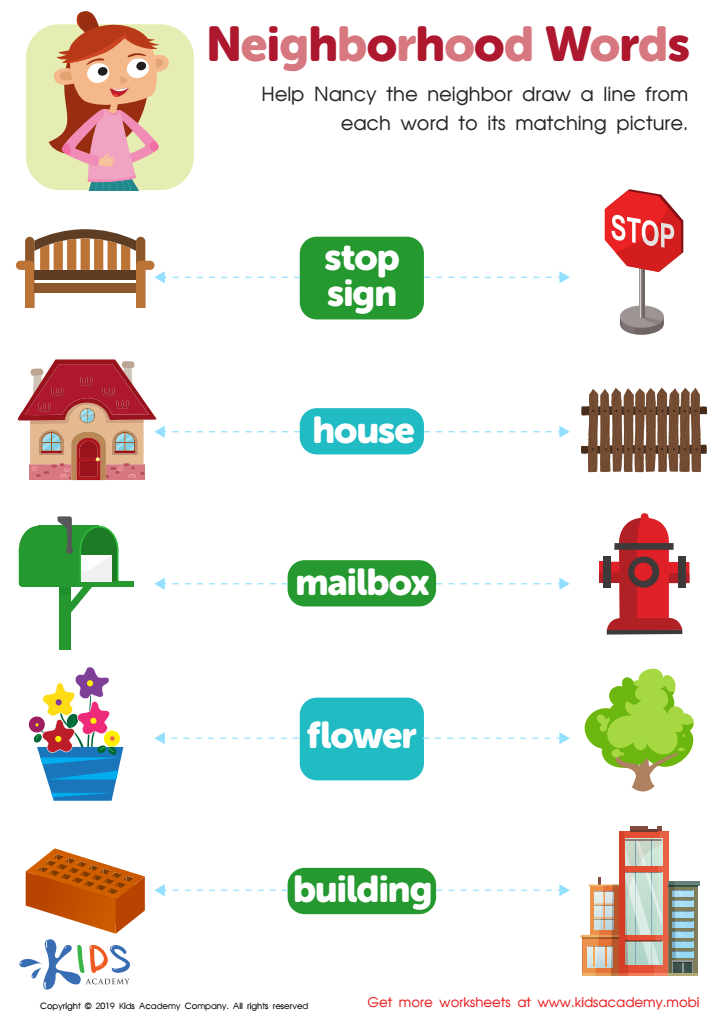
Neighborhood Words Worksheet
Help preschoolers develop life skills and familiarize them with words and concepts with this worksheet! It'll also boost their fine motor skills as they trace lines to match pictures with the words. They'll learn new words and feel more confident in their reading.
 Assign to My Students
Neighborhood Words Worksheet
Worksheet











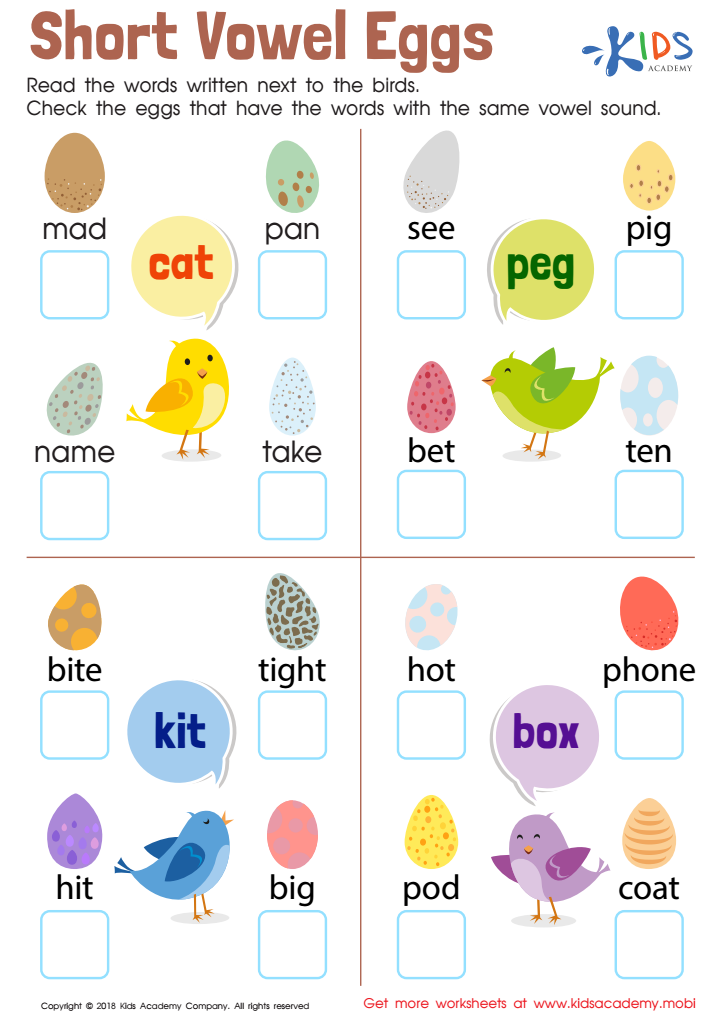
Short Vowel Eggs Worksheet
Your students will love helping these birdies pick the short vowel eggs! Have them read the words in the thought bubbles, then check off the boxes with the same short vowel sounds. The bright colors of this free Worksheet will draw them in and get them practicing their vowels!
Short Vowel Eggs Worksheet
Worksheet
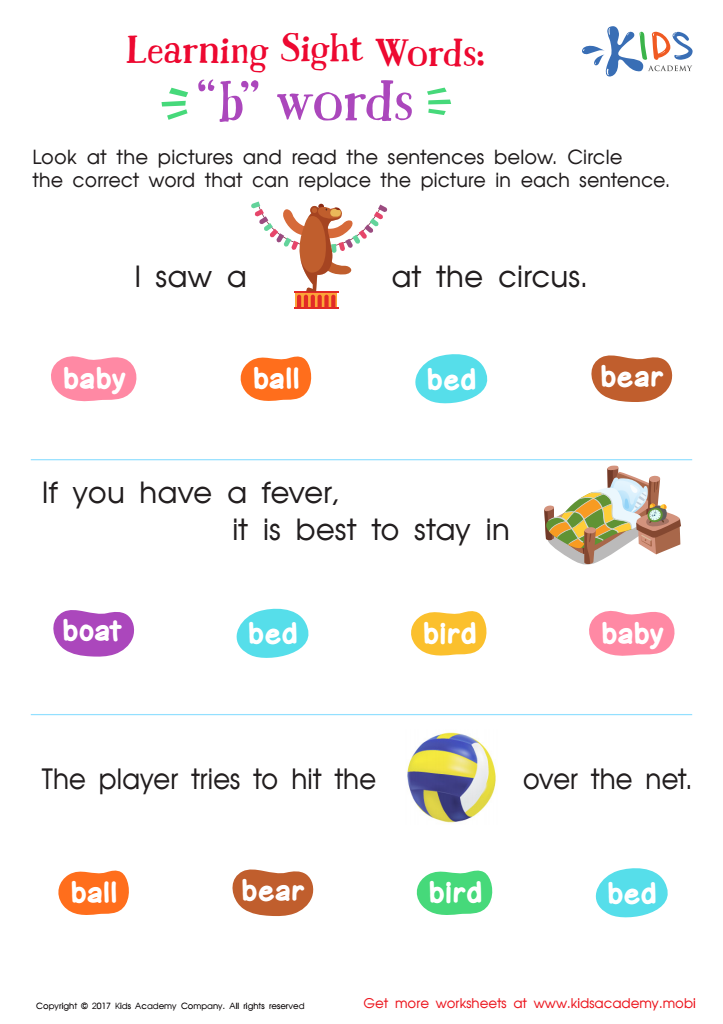
"B" Words Printable Sight Words Worksheet
Kids will learn sight words quickly with this fun worksheet! "B" Words offers guided practice with simple sentences and pictures. Build your child's reading confidence with this helpful worksheet and watch them become a master!
"B" Words Printable Sight Words Worksheet
Worksheet
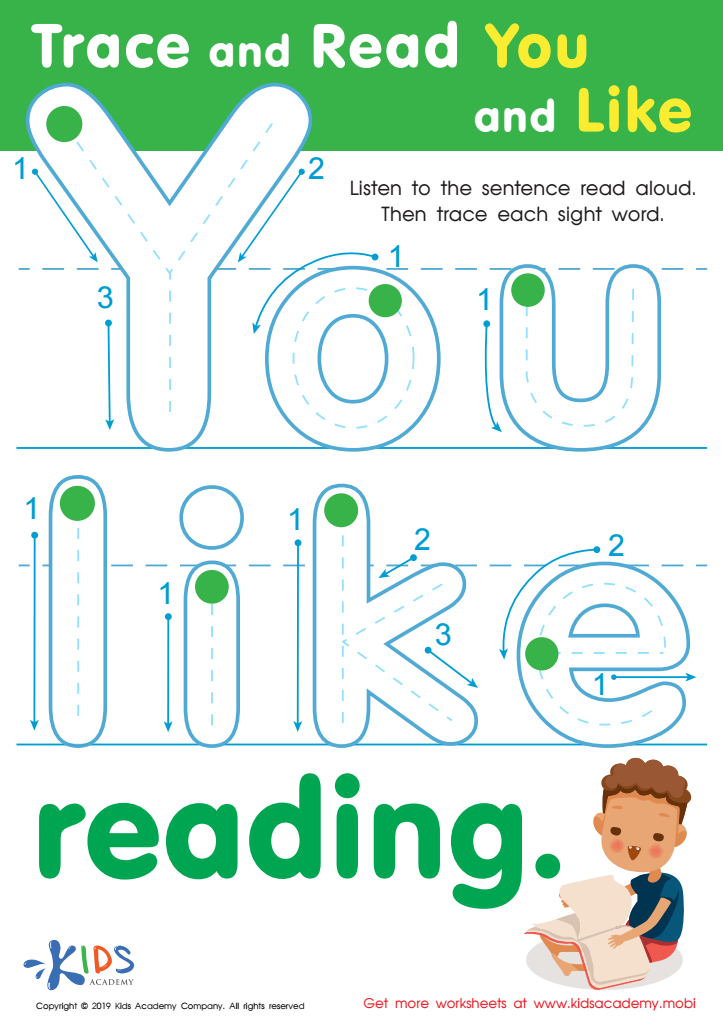
Trace Read You Like Worksheet
Sight words help children become confident and fluent readers. This free worksheet encourages success with basic 'you' and 'like' words. Writing them with traceable lines and green dots shows motion and builds sight word vocabulary. Help your child master the basics and boost their reading progress!
Trace Read You Like Worksheet
Worksheet
Join Kids Academy for Free
Who is primarily going to use this learning content?




.jpg)



Parents and teachers should prioritize reading skills and vocabulary development for children aged 4-9 because these foundational abilities significantly impact a child's academic and social success. At this critical stage, children are not only learning to read but are also reading to learn. A rich vocabulary enhances comprehension, allowing them to understand stories, lessons, and instructions, facilitating stronger overall academic performance.
Additionally, mastering reading skills nurtures critical thinking and creativity. It provides children with the tools to explore new concepts, cultures, and perspectives, fostering empathy and open-mindedness. Moreover, children who develop robust language skills at a young age typically demonstrate increased confidence in communication, positively influencing their social interactions and relationships.
Furthermore, when parents and teachers actively engage in building vocabulary, they encourage a lifelong love for reading. By introducing diverse literature and discussions, they stimulate curiosity and imagination, laying the groundwork for a brighter future. Children with strong reading skills are often more motivated and eager to learn, creating a cycle of success that extends beyond elementary education. Investing time and resources into reading and vocabulary development is therefore essential for nurturing well-rounded, capable individuals who will contribute meaningfully to society.








