Color recognition Normal Reading Worksheets for Ages 4-9
3 filtered results
-
From - To
Discover our engaging Color Recognition Normal Reading Worksheets designed for children aged 4 to 9! These educational resources help young learners identify and understand colors through fun activities and interactive exercises. Each worksheet is crafted to support early literacy skills while fostering creativity and critical thinking. Bright illustrations and relatable themes make learning enjoyable and enhance color recognition abilities. Ideal for classrooms or home learning, these worksheets encourage independent exploration and boost confidence in young readers. Equip your child with essential skills in a playful way! Explore the vibrant world of colors through our specially designed worksheets today!

Twinkle Twinkle Little Star Coloring Page
 Assign to My Students
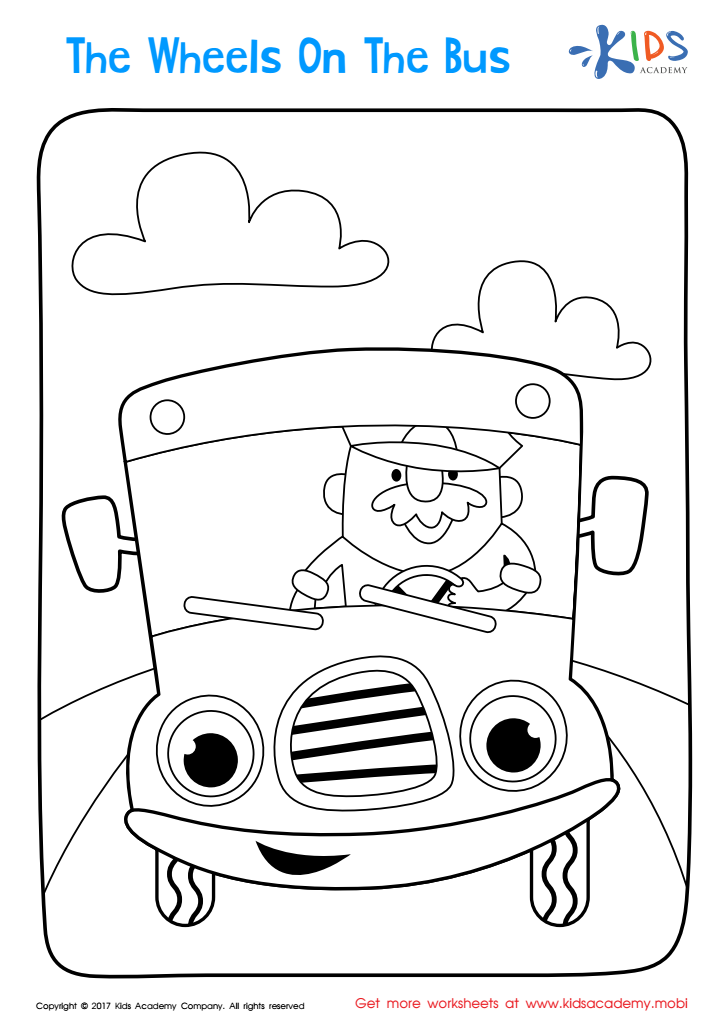
The Wheels on the Bus Coloring Page
Assign to My Students
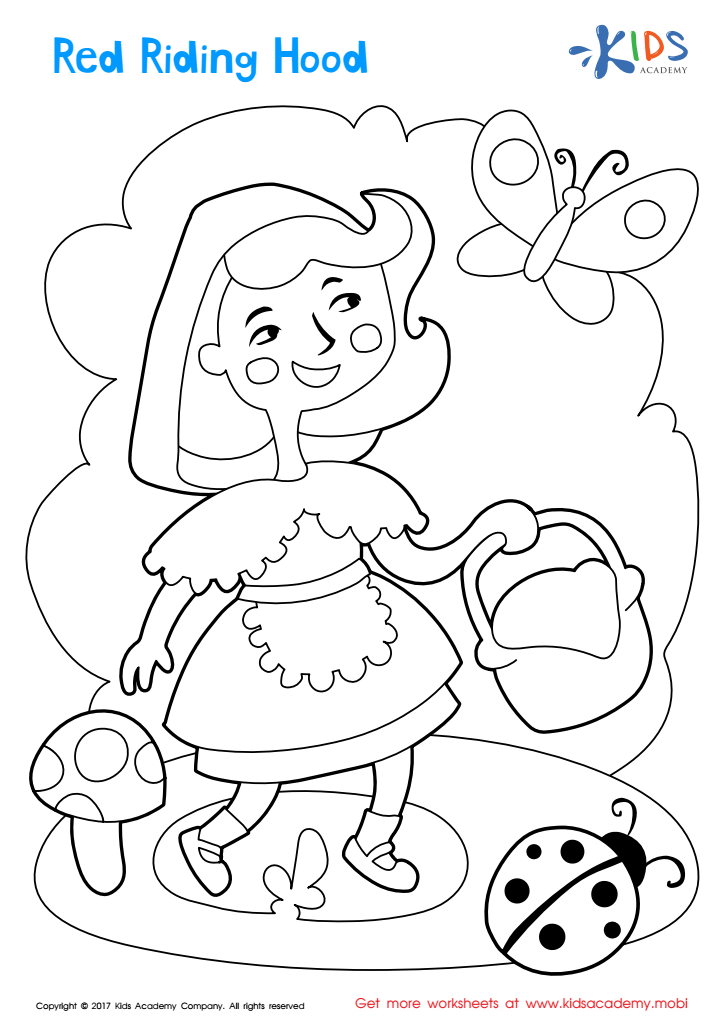
Red Riding Hood Coloring Page
Assign to My Students



.jpg)


Color recognition plays a vital role in the early development of children, particularly for those aged 4-9. Understanding and identifying colors is fundamental to a child’s cognitive development and can support various learning domains, including language acquisition and social skills. When children recognize colors, they expand their vocabulary by learning the names of colors and how to describe objects around them. This knowledge not only enhances their communication abilities but also encourages storytelling and creative expression.
In the realm of education, color recognition is closely linked to reading readiness. Children often encounter colors in books, illustrations, and educational materials. By being able to identify colors, pre-readers enhance their comprehension and engage more actively with text and pictures. This skill lays a foundation for more advanced literacy since many literacy activities, like sorting and categorizing words and pictures, involve color.
Furthermore, understanding colors can boost children’s confidence and self-esteem. It allows for participation in group activities, fostering social interactions as they share and discuss their favorite colors. For parents and teachers, emphasizing color recognition in activities and daily routines can enhance learning experiences, creating a more enriching environment that supports holistic development. Engaging children with colors leads to a more enjoyable and effective educational journey.








