Handwriting practice Normal Reading Worksheets for Ages 4-9
6 filtered results
-
From - To
Welcome to Kids Academy's collection of Handwriting Practice Normal Reading Worksheets for ages 4-9! Designed to blend fun with learning, our worksheets help young learners develop essential handwriting and reading skills. Each engaging activity focuses on proper letter formation, spacing, and reading comprehension, fostering a love for writing and reading in your child. Our expertly crafted practice sheets are perfect for use at home or in the classroom, and cater specifically to the developmental needs of children within this age range. Equip your child with the tools they need for academic success. Discover the joy of learning with Kids Academy today!
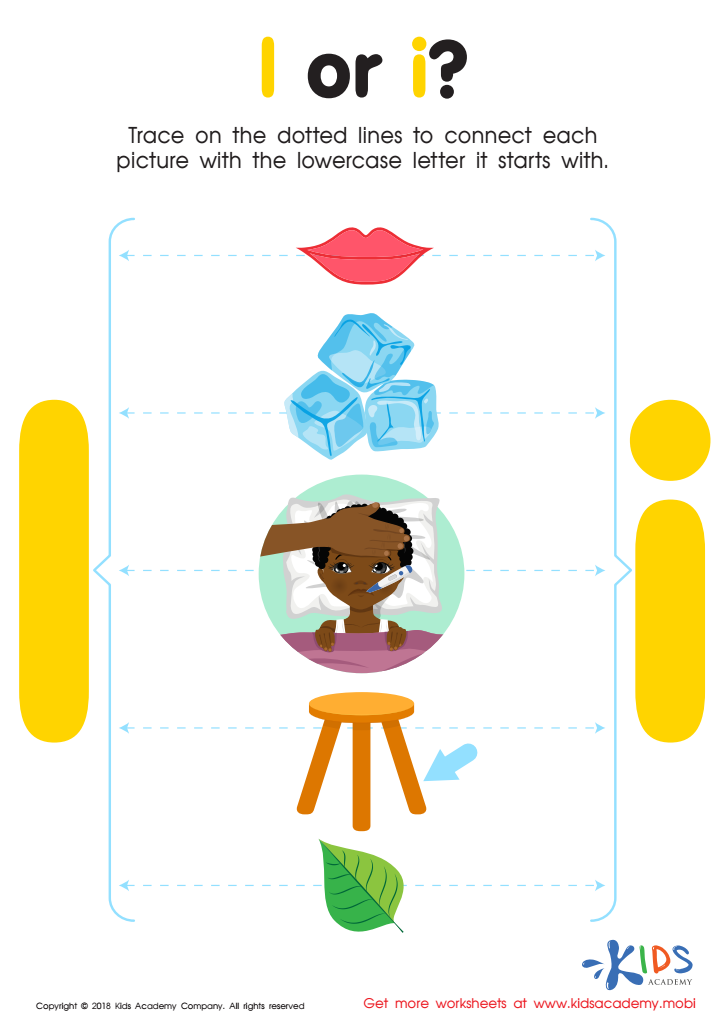
l or i? Worksheet
 Assign to My Students
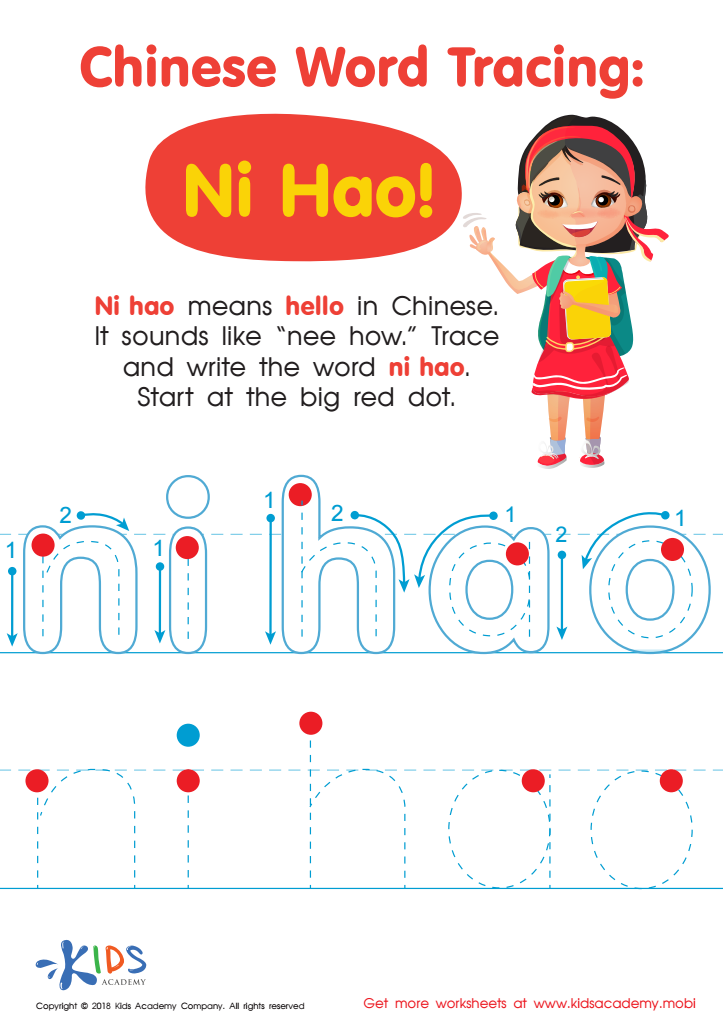
Chinese Word Tracing: Ni Hao Worksheet
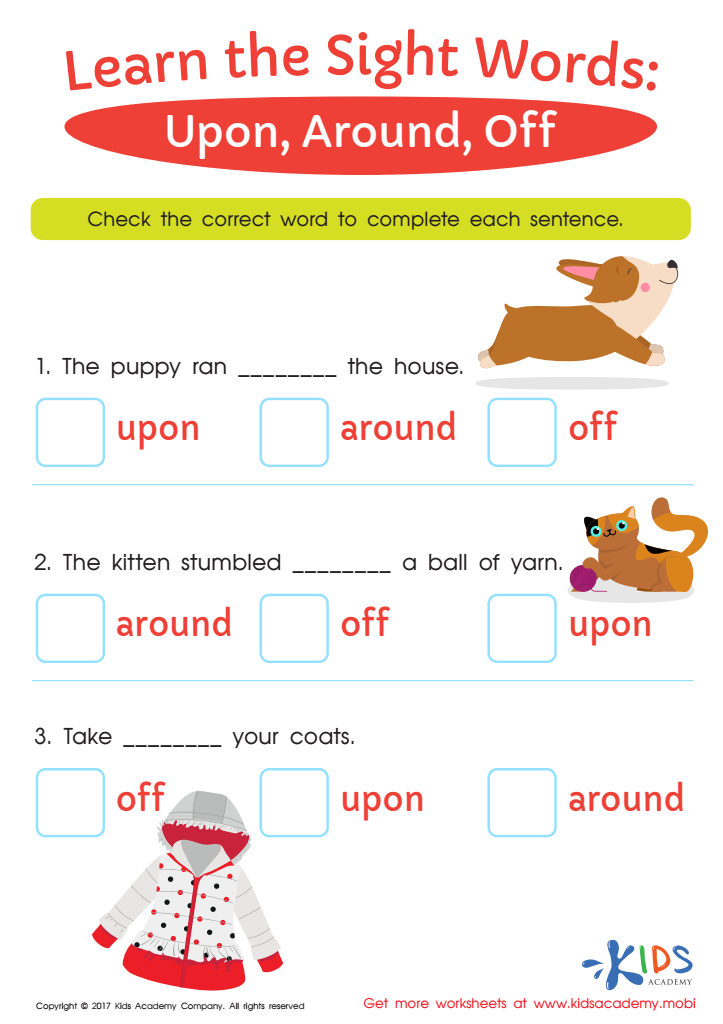
Upon, Around, Off Sight Words Worksheet
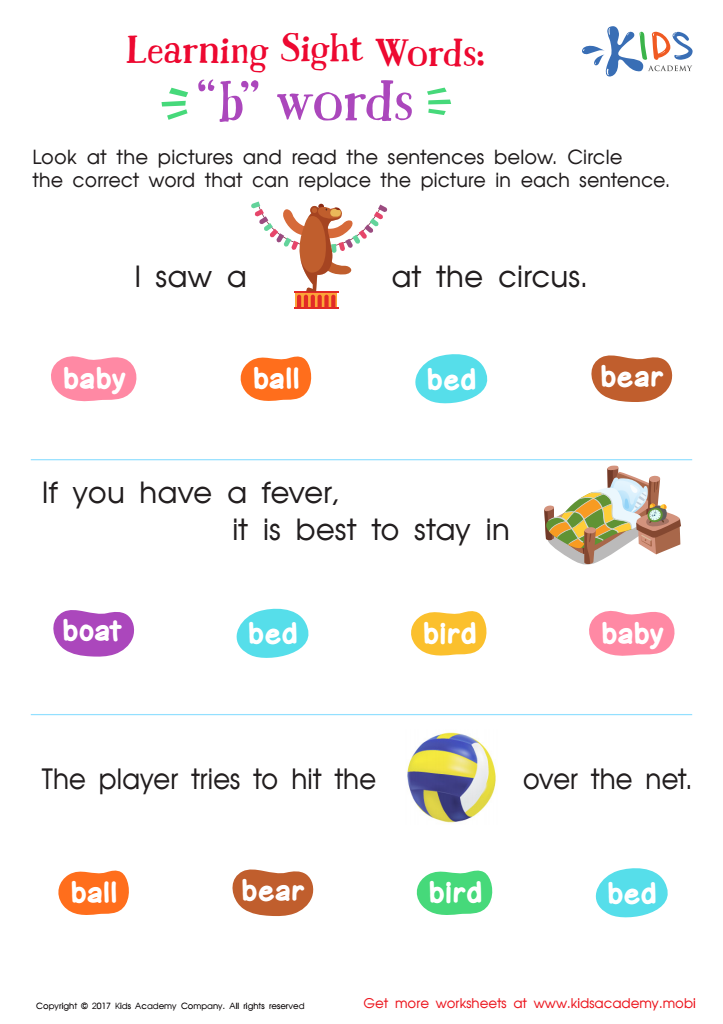
"B" Words Printable Sight Words Worksheet
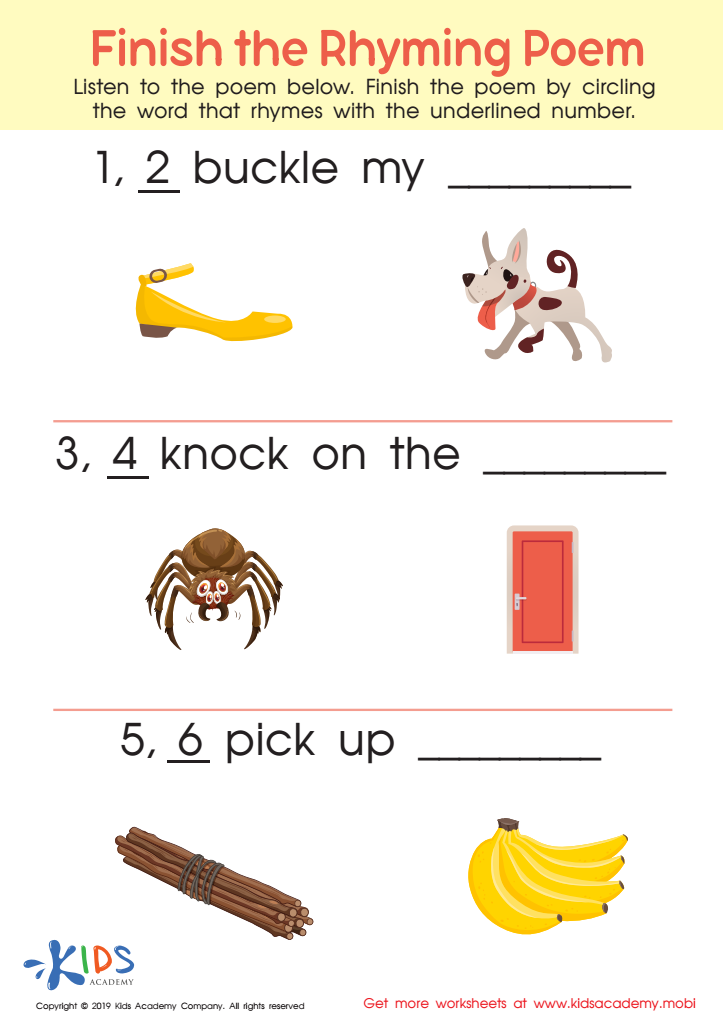
Finish Rhyming Poem Worksheet
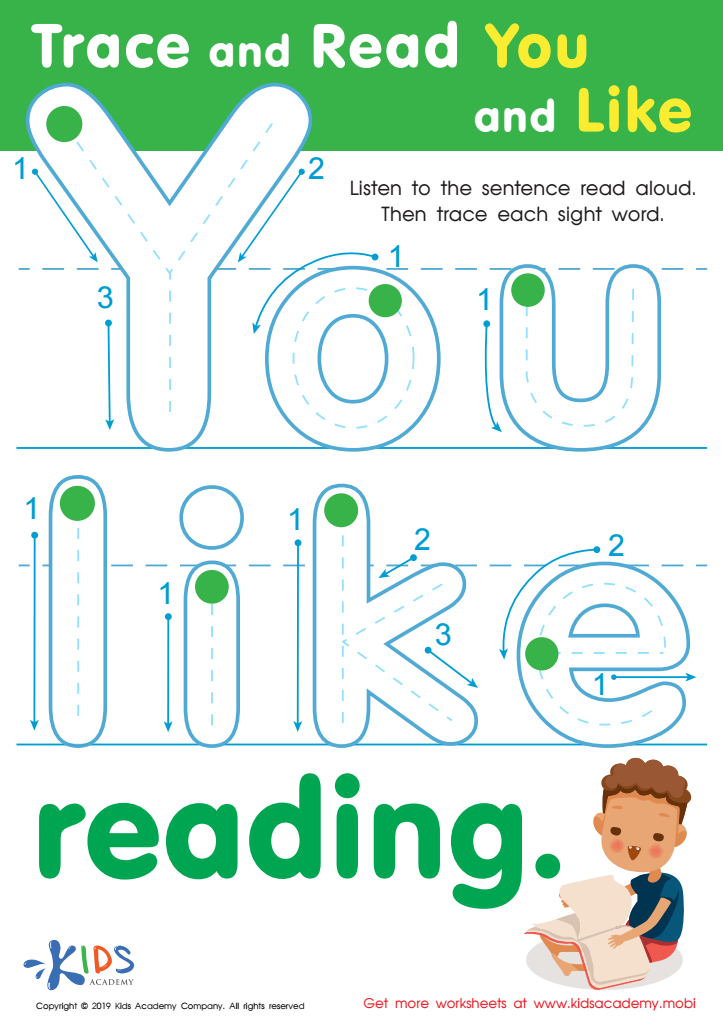
Trace Read You Like Worksheet



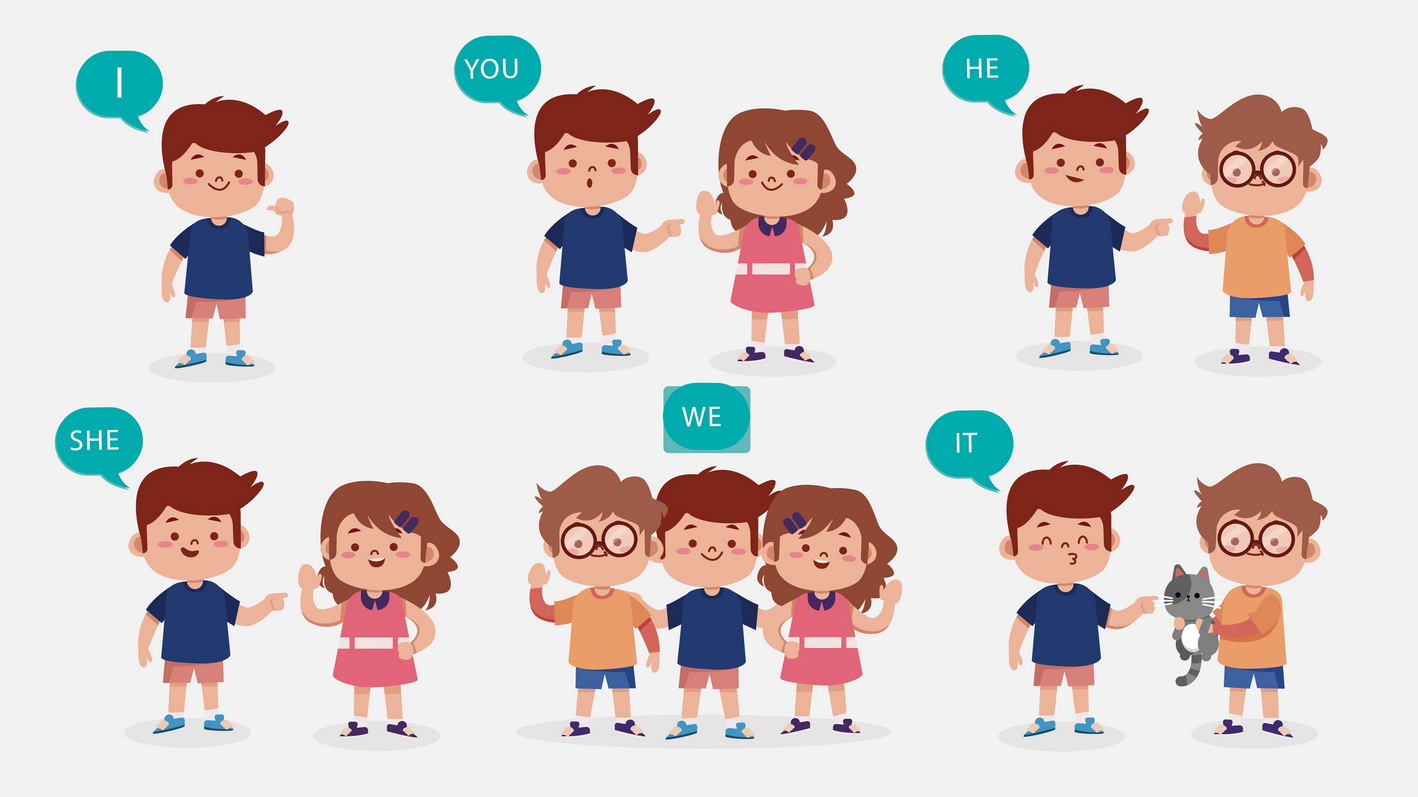



Handwriting practice and normal reading are fundamental components of early childhood education, vital for children aged 4-9. Parents and teachers should prioritize these skills because they form the bedrock of literacy development, critical for later academic success.
Handwriting simplifies learning to read and improves a child’s ability to express ideas clearly. It strengthens fine motor skills and cognitive development. Consistent practice enables children to develop hand-eye coordination and fosters neural connections related to language comprehension. Skills acquired by writing letters manually can also aid in memory retention and the recognition of words.
Reading, on the other hand, expands a child’s vocabulary, comprehension, and imagination. It introduces children to phonics and the ability to decode words, which are foundational for literacy. Regular reading habits also cultivate a love for knowledge and expose children to various story structures and writing styles. This exposure enhances their language, focus, attention span, and even empathy.
Neglecting these practices can impede academic progress and confidence. Ensuring children actively engage in handwriting and reading within these formative years prepares them for more complex educational tasks and empowers them with abilities essential for lifelong learning and communication proficiency. Together, these activities can significantly boost cognitive and emotional development, thereby shaping resilient and capable individuals.








