Enhance your child's reading skills with our Normal Reading Worksheets designed for ages 4-9! These engaging and interactive worksheets make reading practice enjoyable while helping young learners build essential literacy skills. Tailored to various learning levels, our resources include fun exercises that develop comprehension, vocabulary, and fluency. Whether your child is just starting to read or looking to improve, these worksheets provide the perfect balance of challenge and support. Get started on the journey to lifelong reading enjoyment and success! Visit us today for a variety of worksheets that inspire confidence and a love for reading in your little ones.

Check out this FREE Trial Lesson on Reading for age 4-9!

Sounding Out CVC words

Favorites
With answer key
Interactive
  • 4-9
  • Reading practice
  • Reading
  • Normal
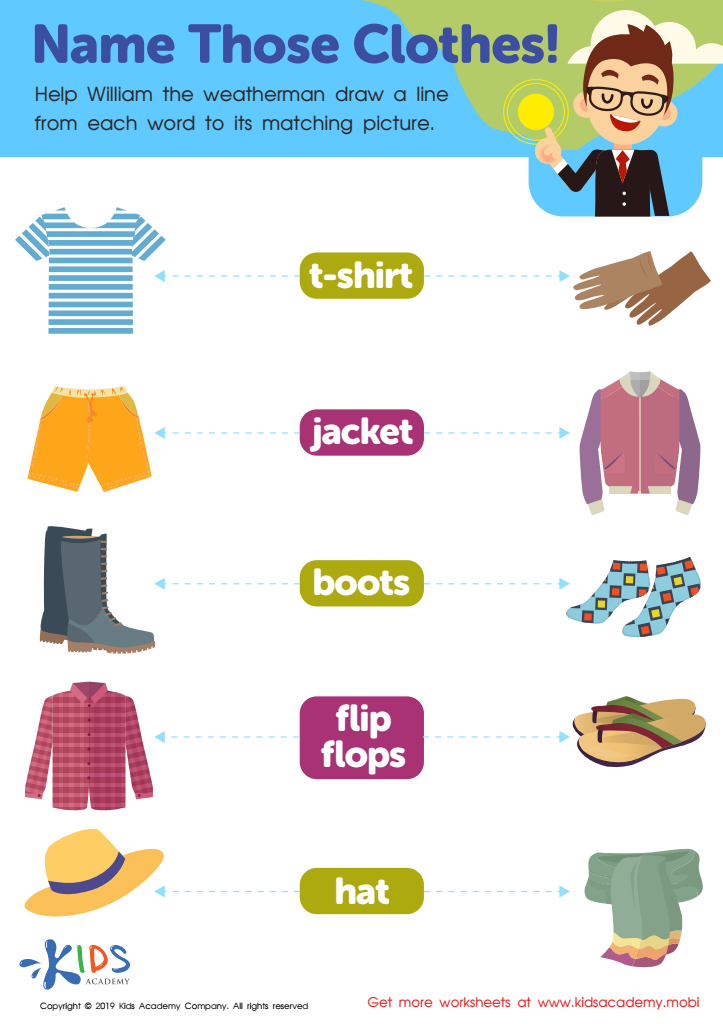
Name Those Clothes Worksheet

Name Those Clothes Worksheet

This worksheet will help your preschooler build their vocabulary, develop life-skills and work on fine motor skills. They'll analyze which clothing goes with the weatherman and match it to the word. It's a fun and interactive way to recognize high-frequency words.
Name Those Clothes Worksheet
Worksheet
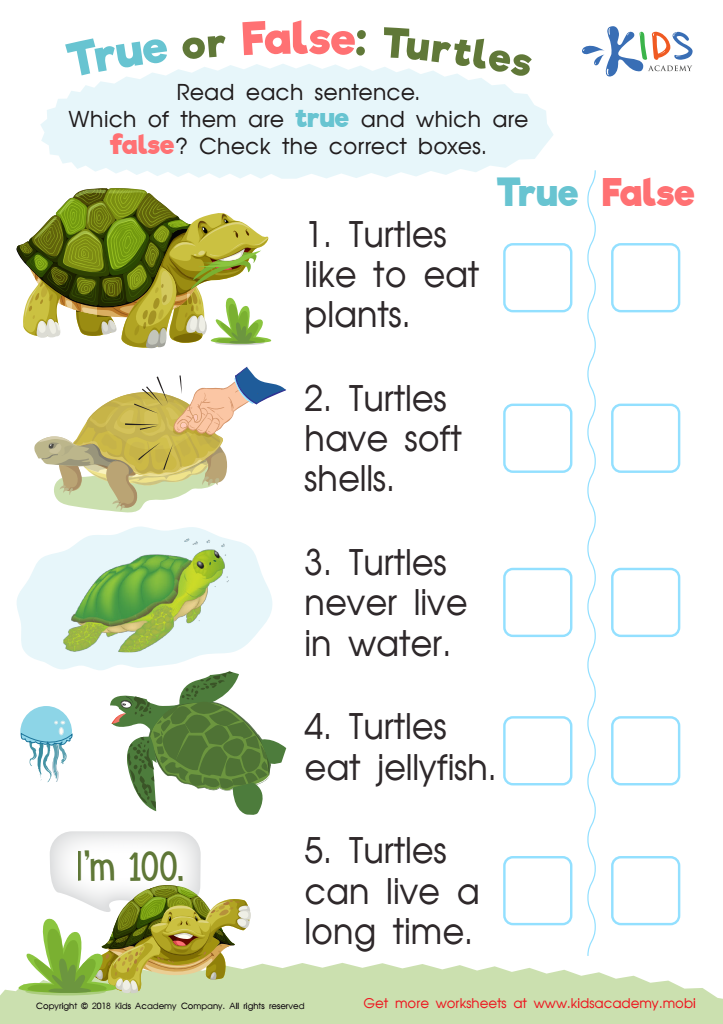
True or False: Turtles Worksheet

True or False: Turtles Worksheet

Print this free downloadable worksheet to strengthen your child's reading comprehension. Assist them to read each sentence and recall facts about turtles. Check true or false for each statement to verify their knowledge. Perfect for early learners!
True or False: Turtles Worksheet
Worksheet
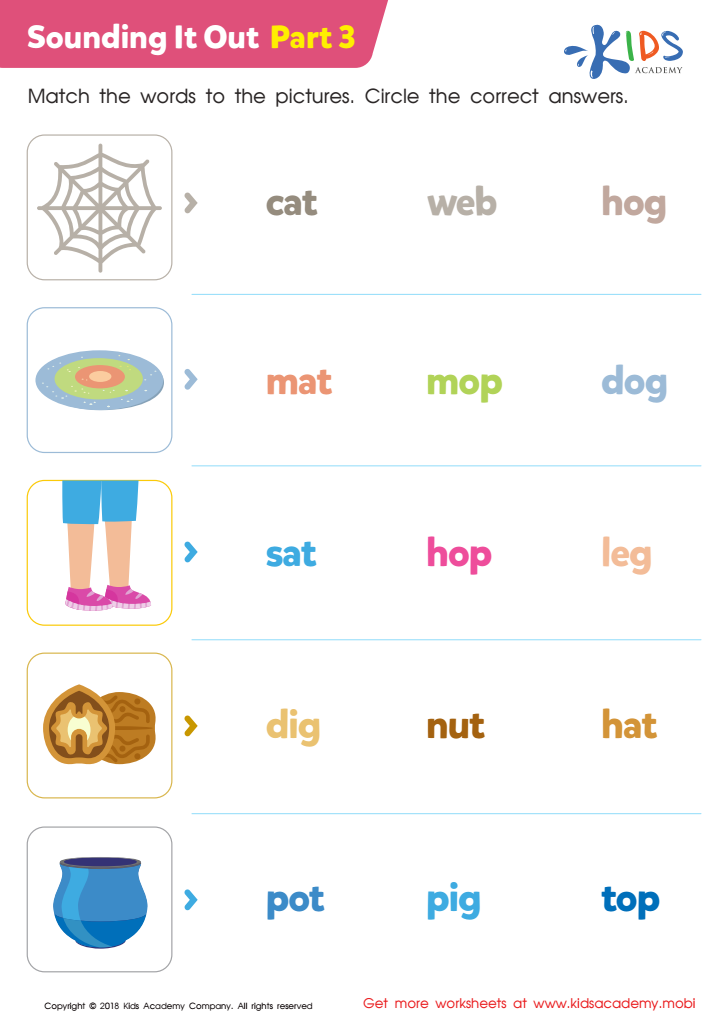
Sounding it Out: Part 3 Worksheet

Sounding it Out: Part 3 Worksheet

Once Parts 1 and 2 are complete, this printable phonics worksheet will help kids take their reading skills to the next level! As they gain confidence, give them hints less often and direct their attention to three words in a row. Ask them to read and circle the correct word to complete!
Sounding it Out: Part 3 Worksheet
Worksheet
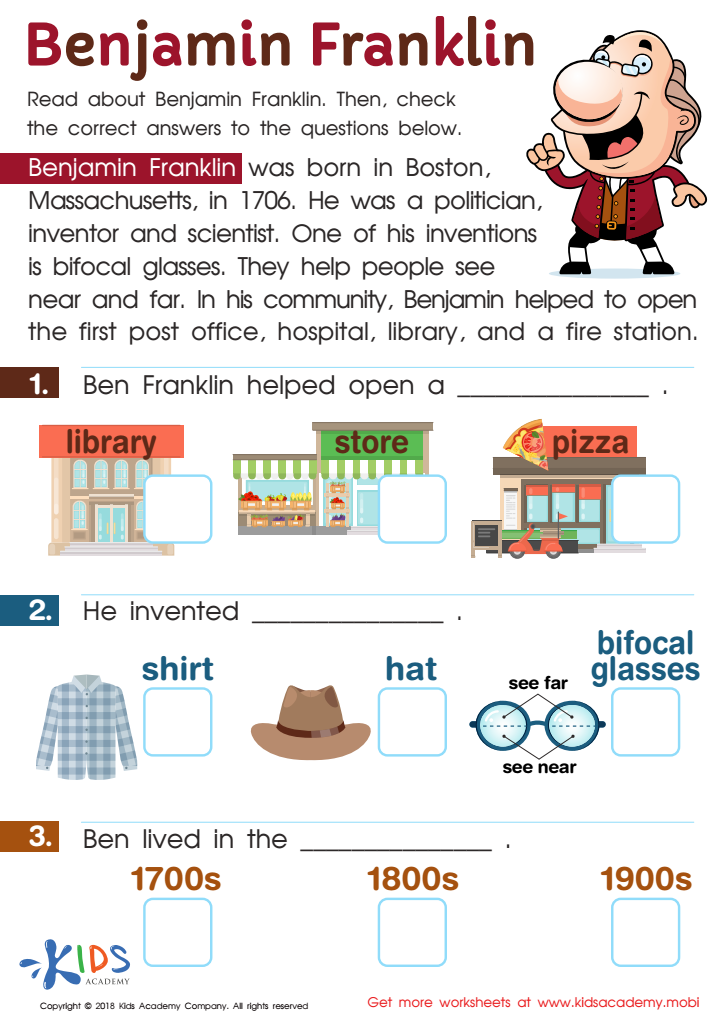
Benjamin Franklin Worksheet

Benjamin Franklin Worksheet

Introduce your kids to one of history's most important figures - Benjamin Franklin! Tell them all about his remarkable contributions to the world and then use this worksheet to teach them even more. Read the text to them and check their answers against the questions afterwards.
Benjamin Franklin Worksheet
Worksheet
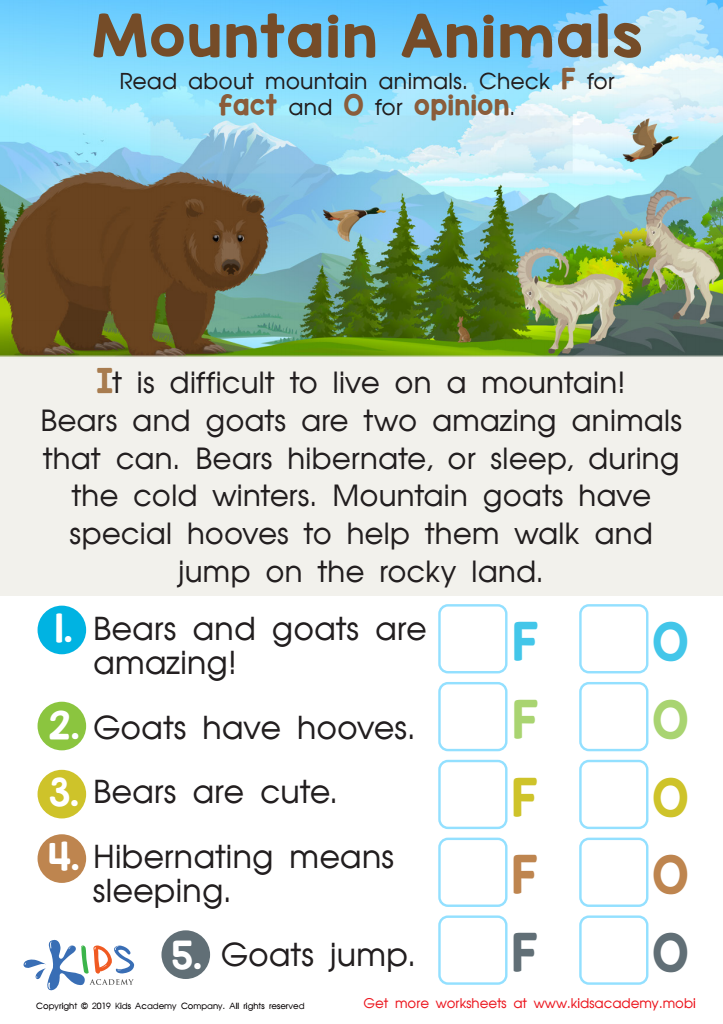
Mountain Animals Worksheet

Mountain Animals Worksheet

Is mountain wildlife amazing? Fact or fiction? Help your child sharpen critical-thinking skills with this engaging worksheet. Featuring a fun nonfiction passage about animals like bears and goats, your child will read through the text and identify each statement as fact or fiction. Perfect for boosting reading comprehension and analytical abilities!
Mountain Animals Worksheet
Worksheet
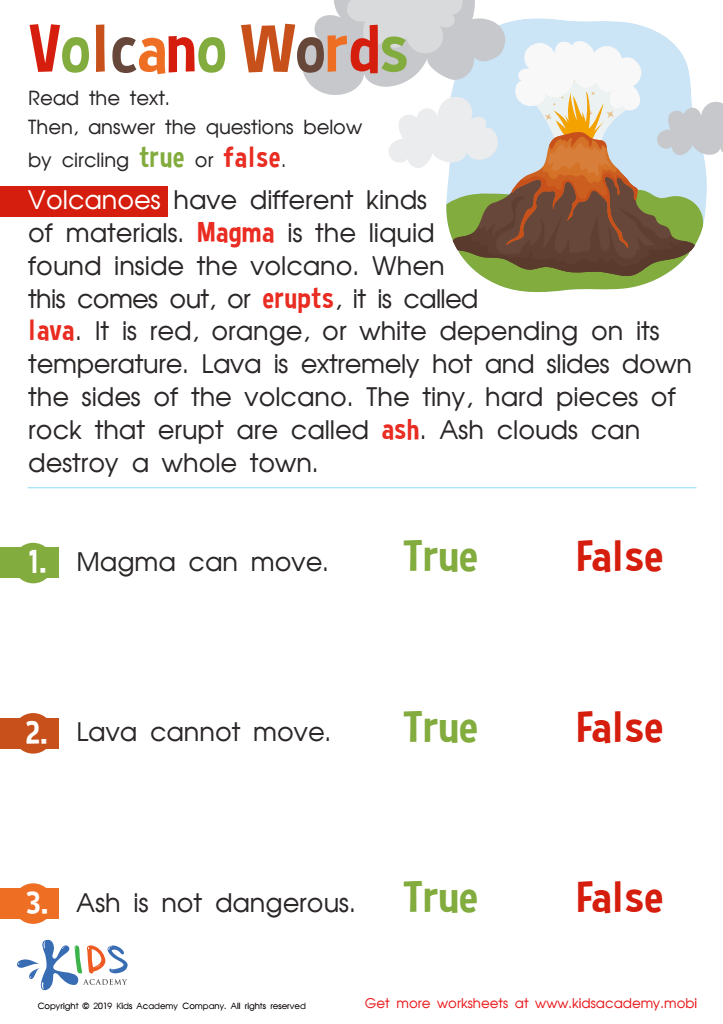
Volcano Words Worksheet

Volcano Words Worksheet

This worksheet helps kids focus and improve their reading comprehension skills. Start by reading a passage about volcanos and noting the bolded red words. Then answer true/false statements below, double-checking in the text if needed.
Volcano Words Worksheet
Worksheet
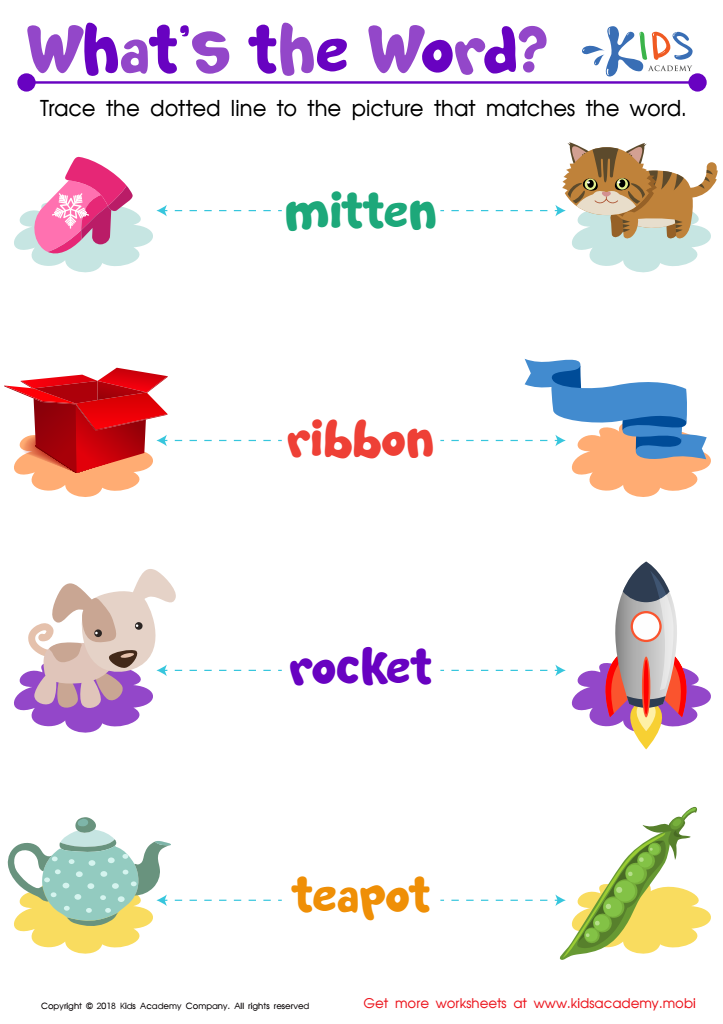
Reading: What's Word Worksheet


Reading: What's Word Worksheet

Teaching reading? This worksheet can help! Students read the word and draw a line to the picture for clues if needed. This will boost their vocabulary and fluency, increasing confidence and reading skills. Watch their progress as new words are added!
Reading: What's Word Worksheet
Worksheet


Reading practice is crucial for children aged 4-9 as it lays the foundation for their literacy skills and overall academic success. At this age, children's brains are highly receptive to language acquisition, making consistent reading practice important for vocabulary development and comprehension. Exposure to a variety of texts—be it picture books, simple stories, or poems—help children understand different sentence structures and themes, fostering a love for literature.

Additionally, reading enhances critical thinking skills. As children engage with stories, they learn to make predictions, connect ideas, and draw conclusions, which are essential cognitive skills. Furthermore, regular reading practice builds confidence and concentration, essential traits for succeeding in school.

For parents and teachers, supporting reading practice at this vital developmental stage promotes language skills that benefit all areas of learning. It also offers a shared experience that can strengthen bonds through storytelling and discussions about characters and plots. Moreover, children who engage in reading regularly tend to perform better academically, nurturing a pattern of lifelong learning. Investing time in reading now will create confident, curious, and competent readers who are well-prepared for future educational challenges, making it a priority for parents and educators alike.