Reading Skills Normal Reading Worksheets for Ages 4-9
8 filtered results
-
From - To
Enhance your child's reading abilities with our engaging normal reading worksheets designed for ages 4-9! These worksheets offer a fun and educational way for young learners to develop essential reading skills, including phonics, vocabulary building, and comprehension. With a variety of interactive activities tailored to different skill levels, children can explore the world of reading while enjoying age-appropriate stories and exercises. Our intuitive worksheets foster a love for literacy and encourage independent learning. Perfect for classroom use or at-home practice, these resources are a valuable tool to boost your child’s confidence and academic success in reading. Start their reading journey today!
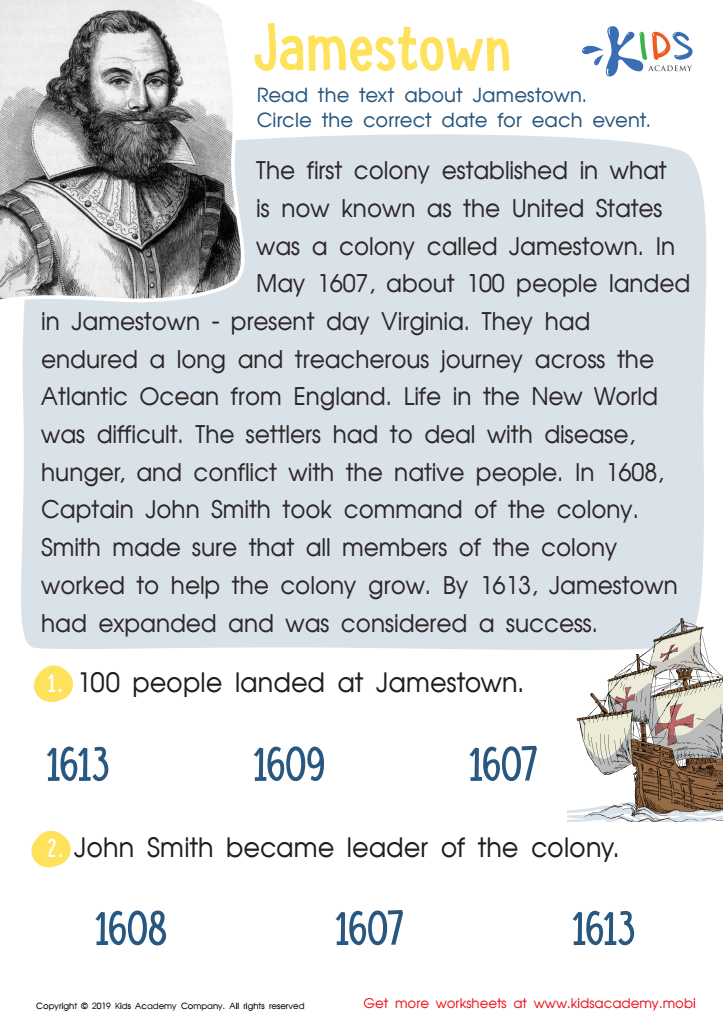
Jamestown Worksheet
 Assign to My Students
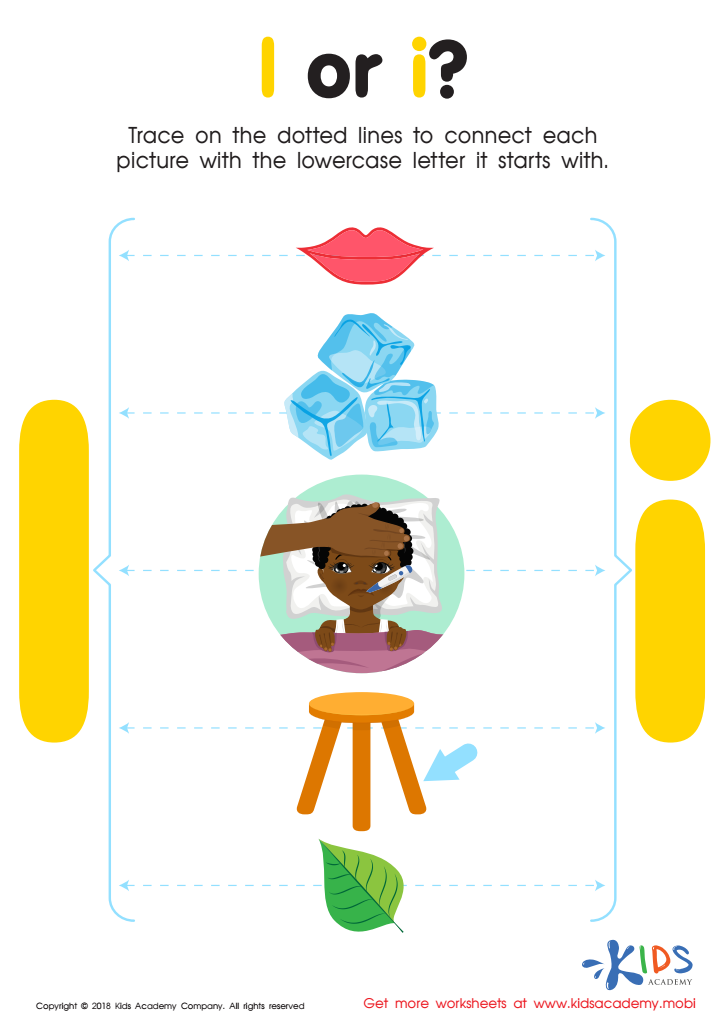
l or i? Worksheet
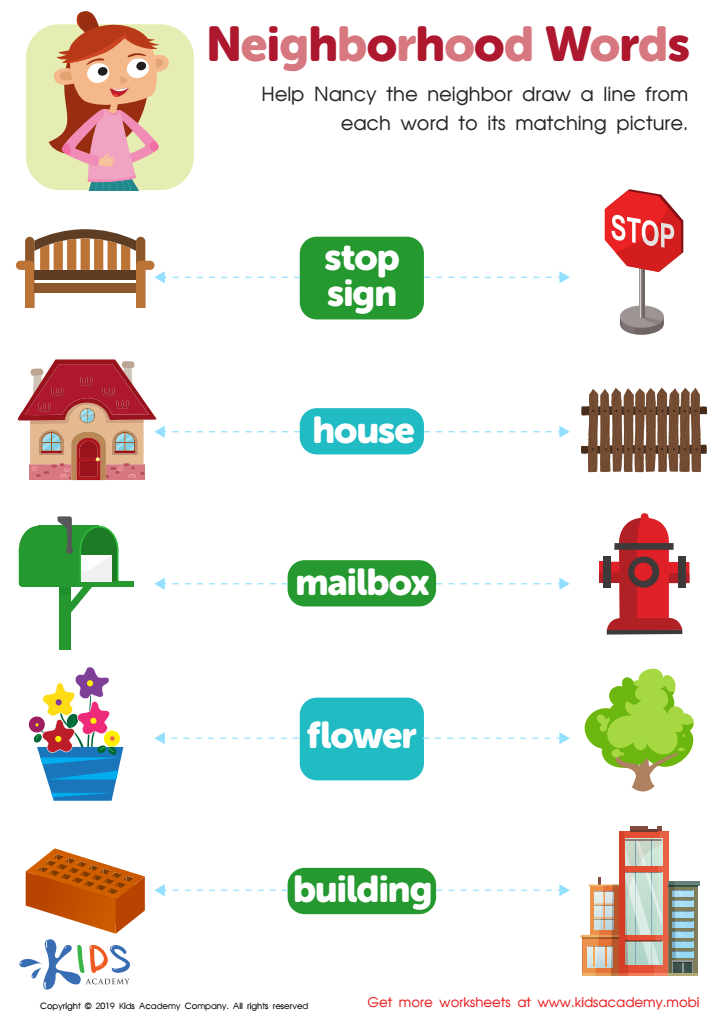
Neighborhood Words Worksheet
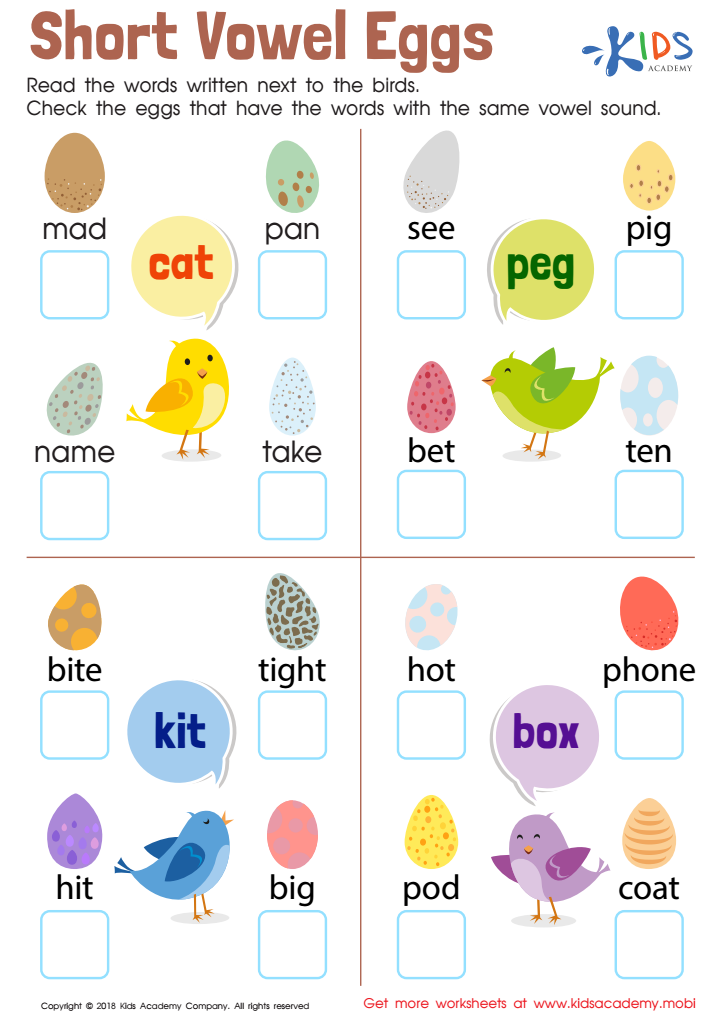
Short Vowel Eggs Worksheet
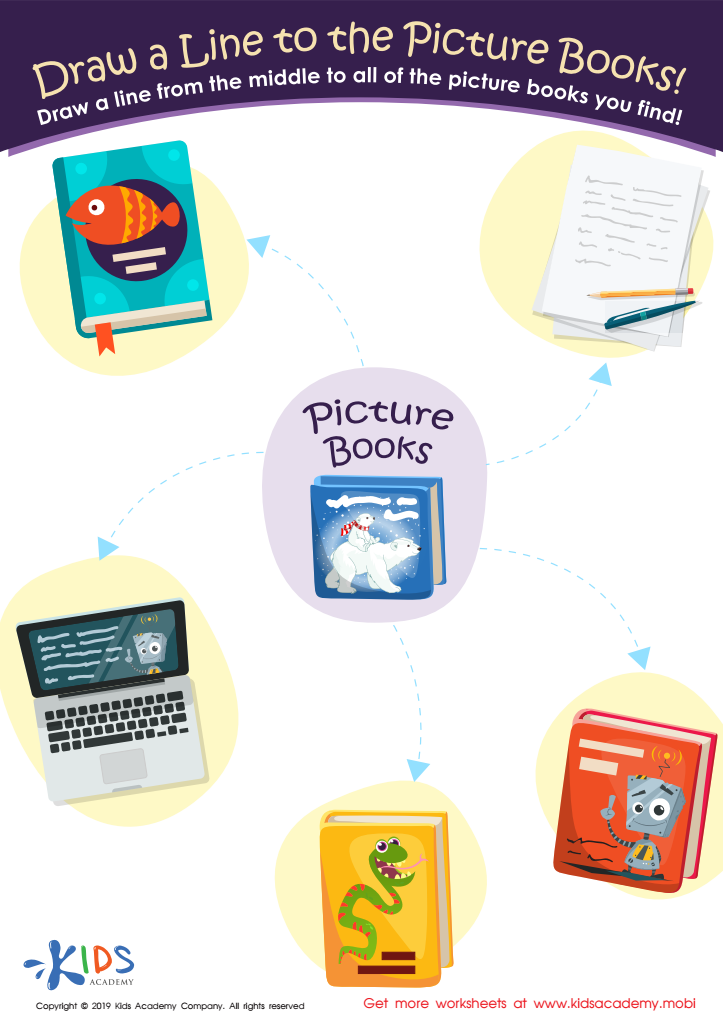
Draw a Line to the Picture Books Worksheet
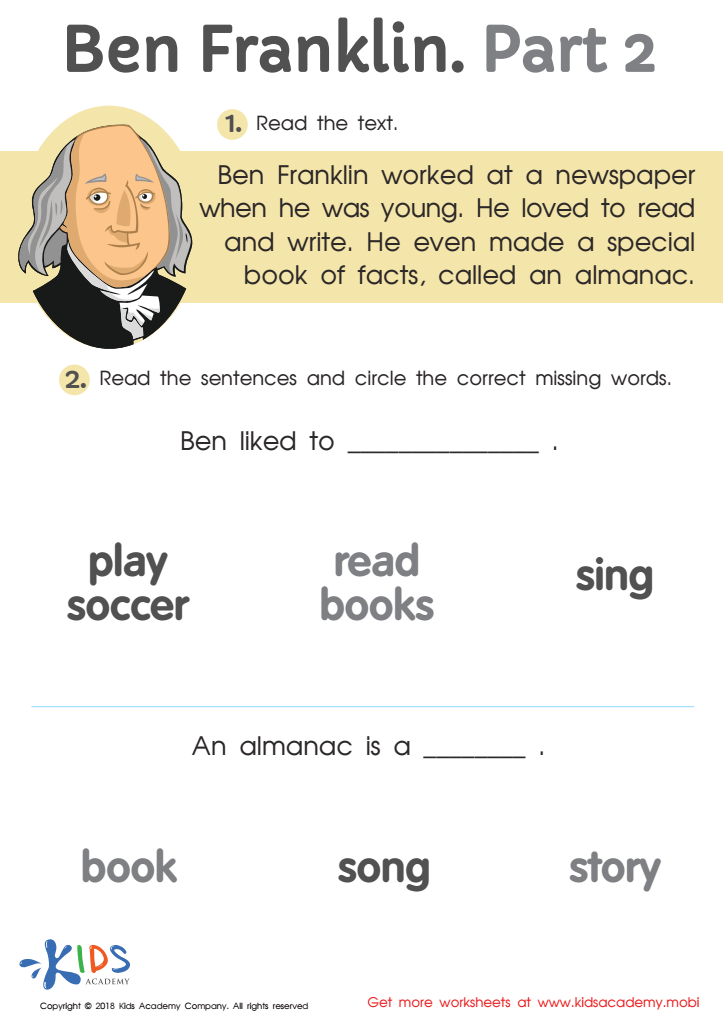
Ben Franklin Part 2 Worksheet
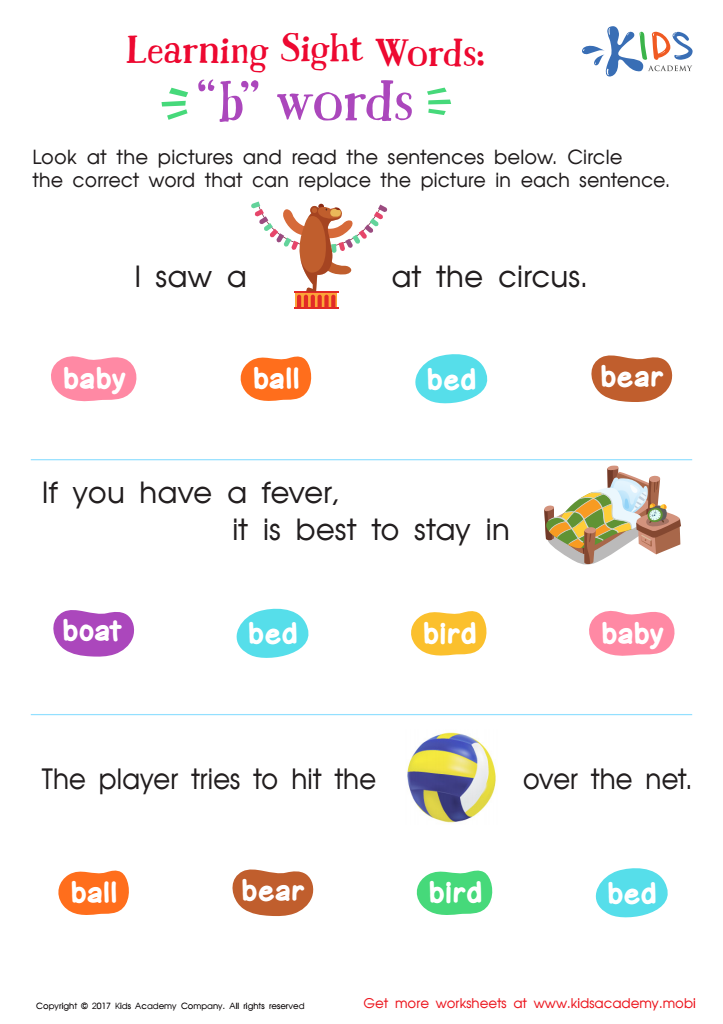
"B" Words Printable Sight Words Worksheet
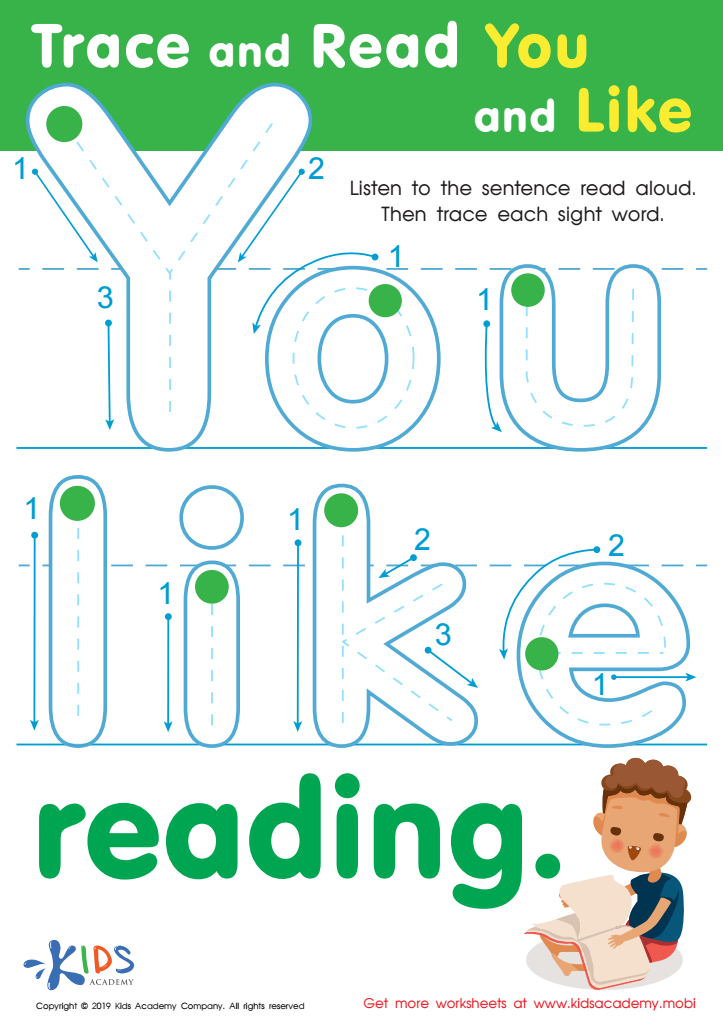
Trace Read You Like Worksheet








Reading skills hold profound significance for children ages 4-9, as they lay the foundation for lifelong learning and academic success. At this developmental stage, children are typically introduced to essential literacy skills such as phonemic awareness, vocabulary, and comprehension. Mastery of these skills not only enables them to decode written words but also fosters critical thinking and communication abilities.
Parents and teachers must prioritize reading skills because they directly impact a child's confidence and engagement in learning. Children who struggle with reading are often at risk for academic challenges and decreased motivation. Conversely, those who develop strong reading habits early on are more likely to excel in all subjects, as reading is intrinsic to nearly every discipline.
Moreover, reading serves as a key to understanding diverse cultures and viewpoints, cultivating empathy and open-mindedness. Early engagement in reading can also spark a lifelong love for literature, enriching children's language experiences and expanding their imaginations.
Moreover, nurturing reading skills enhances social bonds; shared reading moments strengthen parent-child relationships and create lasting memories. Thus, fostering normal reading skills from ages 4-9 is an investment in a child's academic future, emotional well-being, and social development. Parents and educators play a vital role in nurturing and monitoring this essential skill.








