Shape Recognition Normal Reading Worksheets for Ages 4-9
3 filtered results
-
From - To
Introducing our "Shape Recognition Normal Reading Worksheets for Ages 4-9" - the perfect tool to enhance your child's learning journey! Designed to foster essential reading skills and shape recognition, these worksheets are tailored for children aged 4-9. Each worksheet incorporates fun and interactive activities that keep young learners engaged while they develop their abilities in identifying various shapes and boosting their reading proficiency. Promoting both cognitive and visual development, our expertly crafted worksheets make learning a delightful and rewarding experience. Give your child the early educational support they need with our comprehensive shape recognition reading worksheets today!
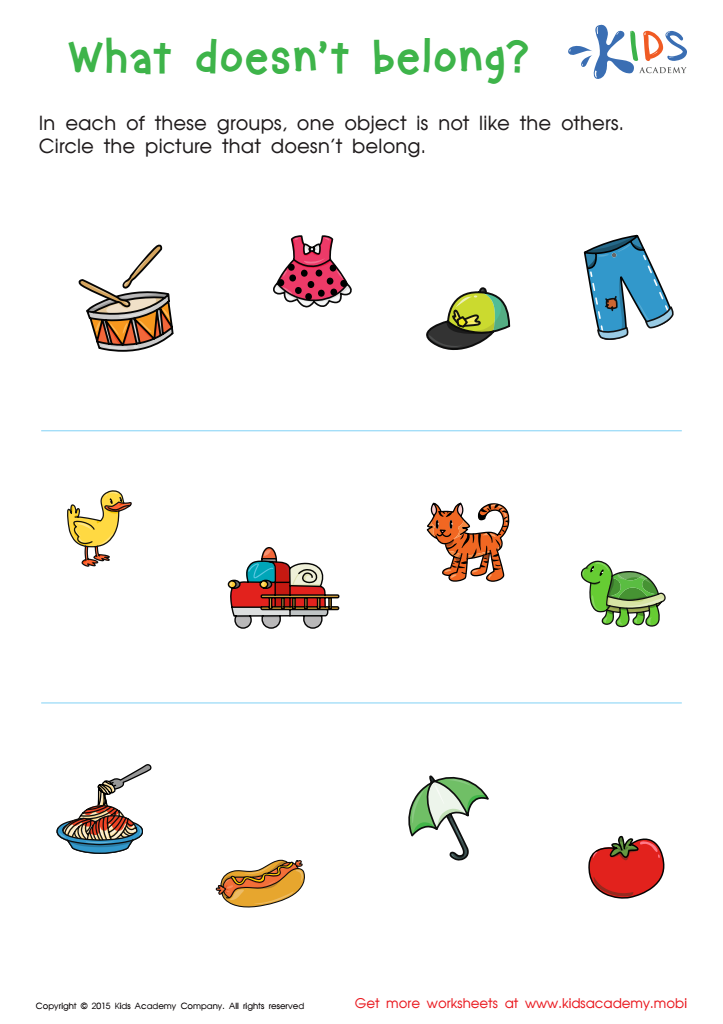
First Words: What Doesn't Belong Worksheet
 Assign to My Students
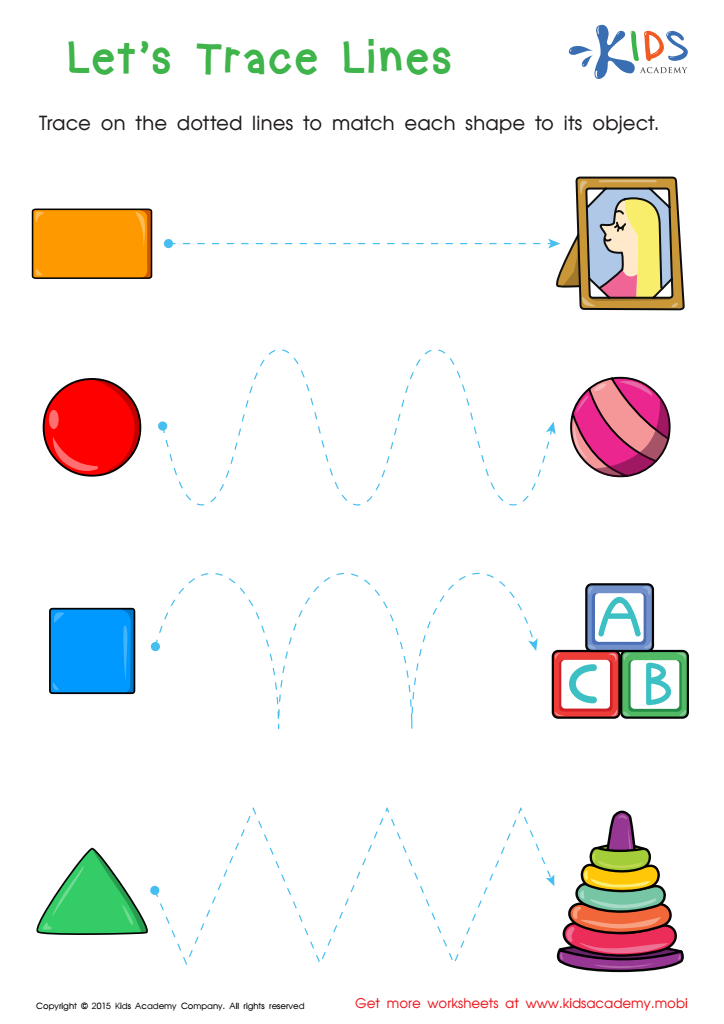
First Words: Let's Trace Lines Worksheet
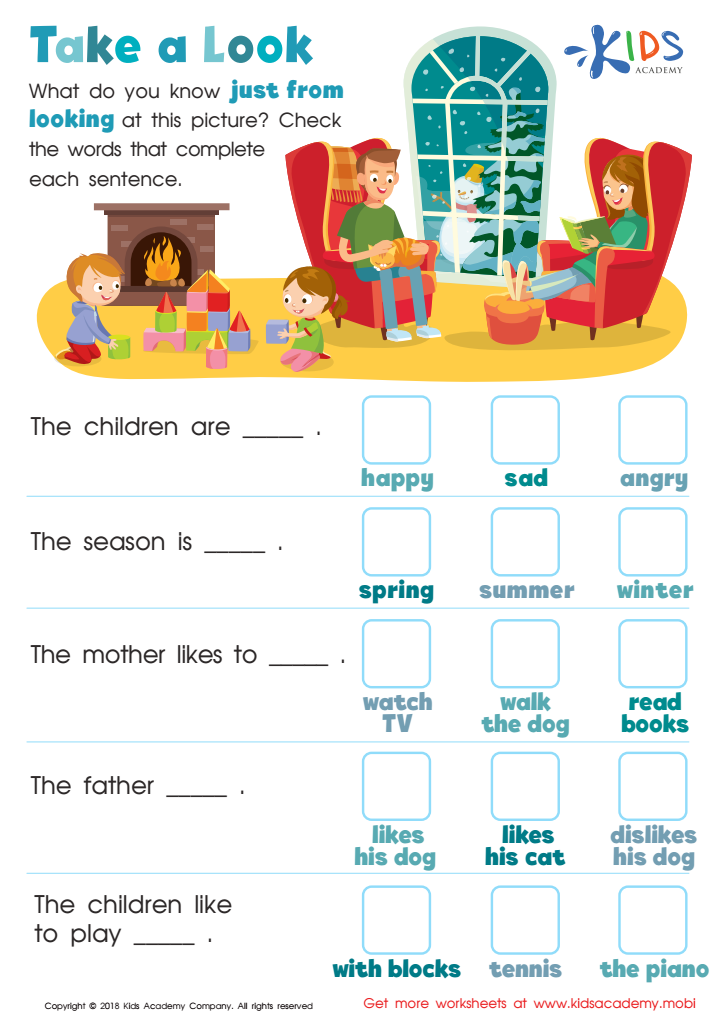
Take a Look - Part 1 Worksheet








Parents and teachers should prioritize shape recognition and normal reading for children aged 4-9 due to their critical developmental implications on cognitive and educational growth. Shape recognition serves as a foundational skill that enhances visual processing abilities, essential for interpreting and interacting with the world around us. It promotes early mathematical skills by helping children identify and differentiate between various geometric figures, organizing thinking, and fostering spatial awareness.
Simultaneously, normal reading development is crucial at this age, marking the transition from learning to read to reading to learn. Proficient reading skills support language acquisition, expanding vocabulary, comprehension, and communication abilities. It enables children to explore various subjects, bolstering knowledge and curiosity. Furthermore, early reading proficiency often correlates with academic success, enhancing confidence and a positive attitude towards learning.
Both shape recognition and reading cultivate problem-solving skills, creativity, and logical thinking. Delays or struggles in these areas could lead to wider learning challenges, affecting a child’s academic trajectory and self-esteem. Therefore, investing in these cornerstone skills allows children to achieve a comprehensive and well-rounded education, vital for their long-term intellectual development and critical thinking abilities, setting a solid foundation for future learning experiences.








