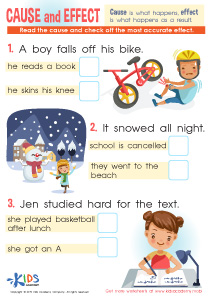
Improve reading comprehension Normal Reading Non-Fiction Worksheets for Ages 4-9
6 filtered results
-
From - To
Boost your child's reading skills with our "Improve Reading Comprehension Normal Reading Non-Fiction Worksheets for Ages 4-9". Crafted to engage young minds, these worksheets feature a variety of non-fiction texts tailored to different reading levels. Our resources help kids develop vital comprehension skills by focusing on essential learning strategies such as identifying main ideas, drawing conclusions, and understanding complex vocabulary. With fun and educational activities, children will enjoy learning while progressing at their own pace. Perfect for classroom or at-home use, these worksheets provide the foundation for successful reading habits and a lifelong love of learning.
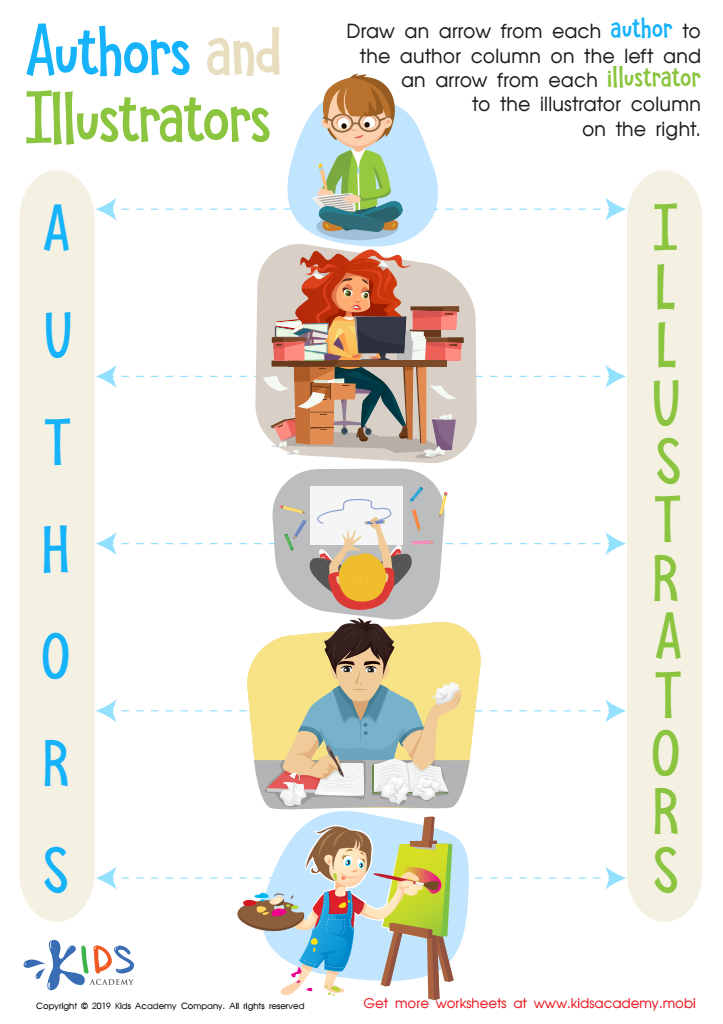
Authors and Illustrators Worksheet
 Assign to My Students
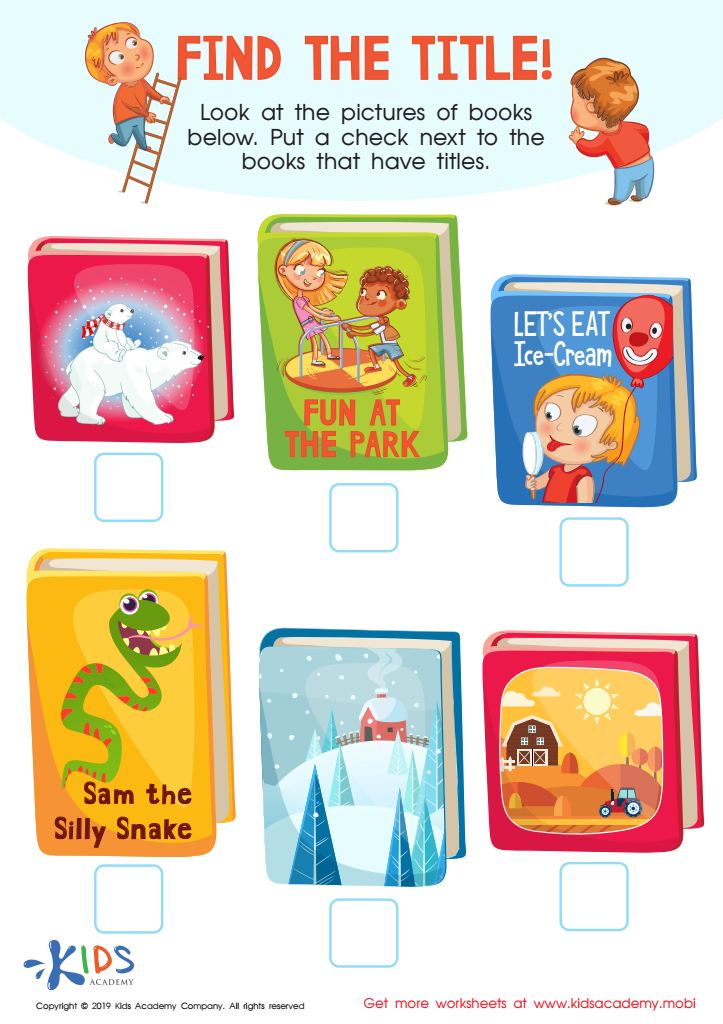
Find the Title Worksheet
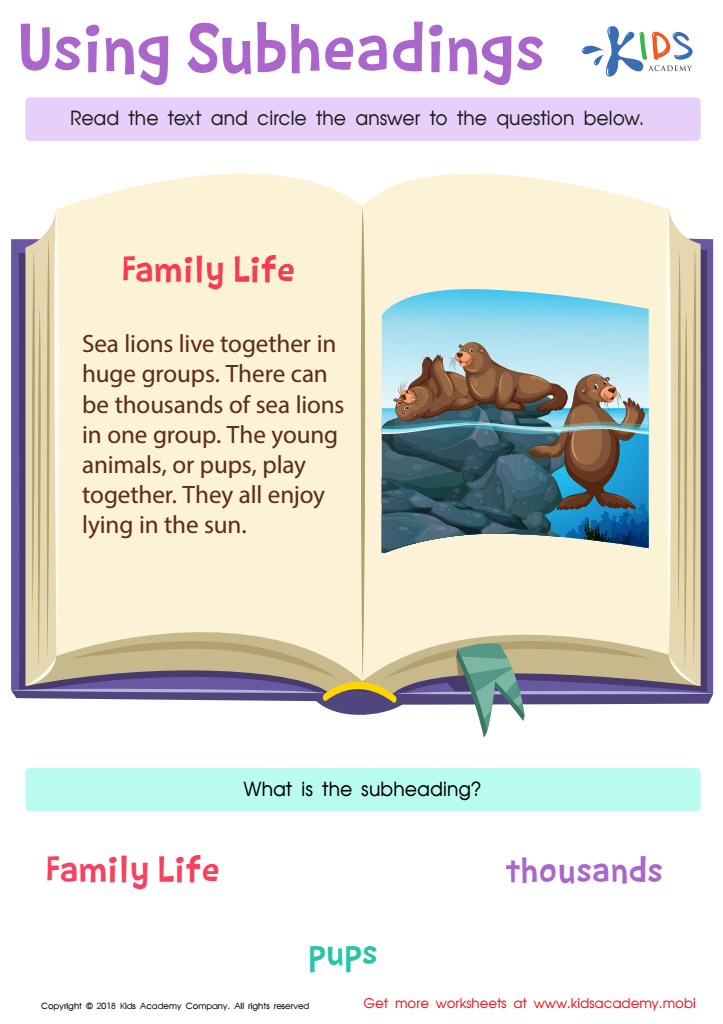
Using Subheadings Worksheet
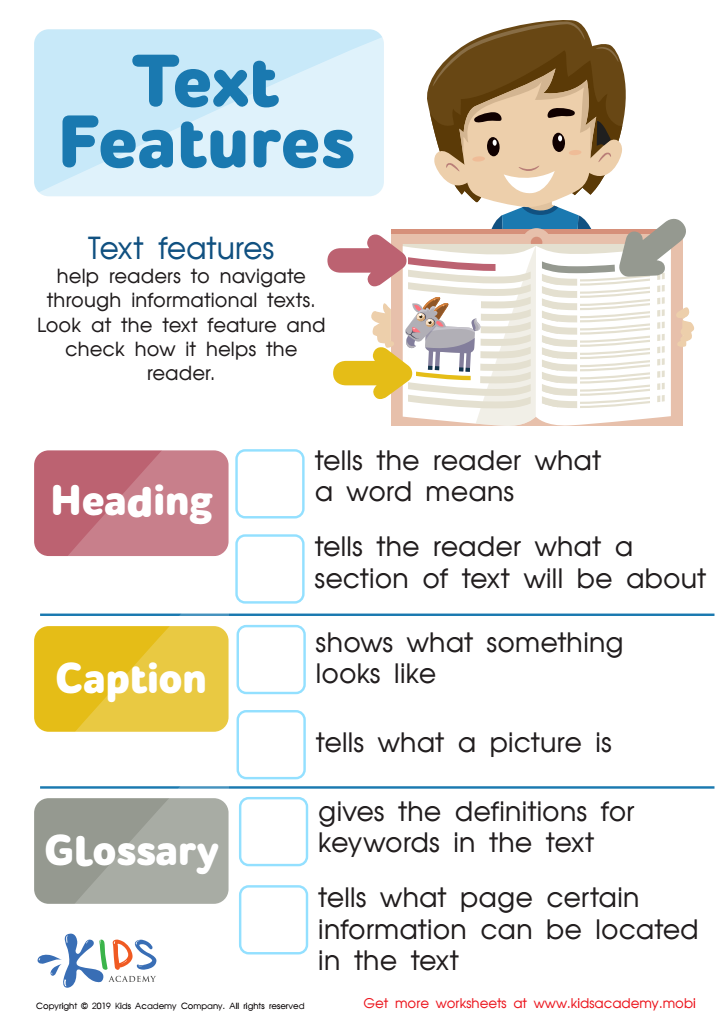
Text Features Worksheet
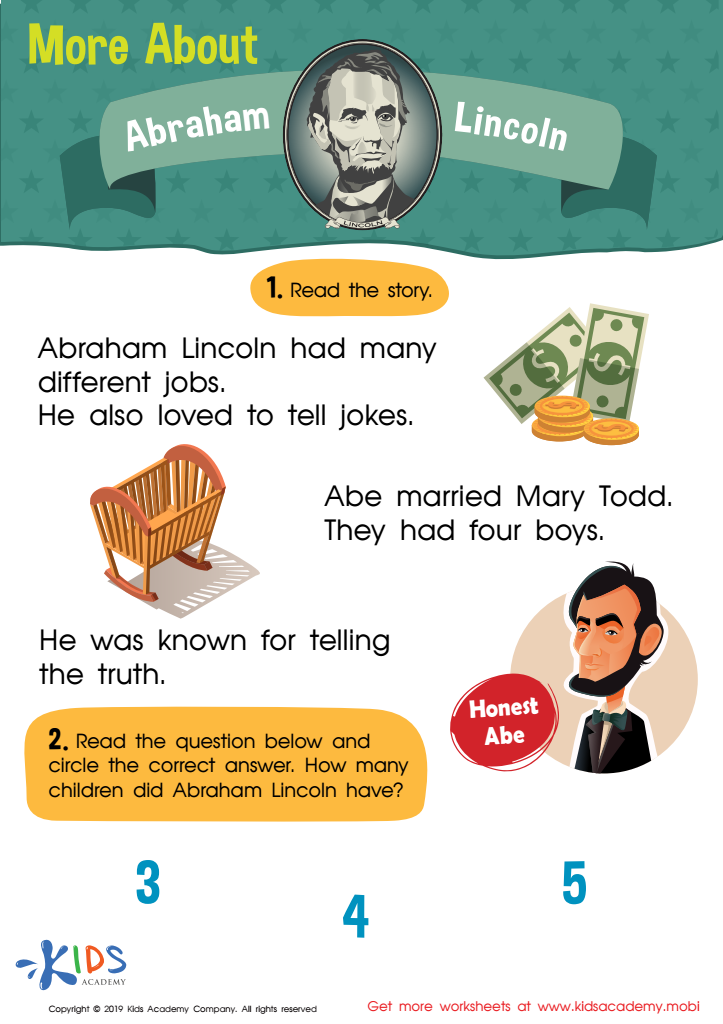
More About Abraham Lincoln Worksheet
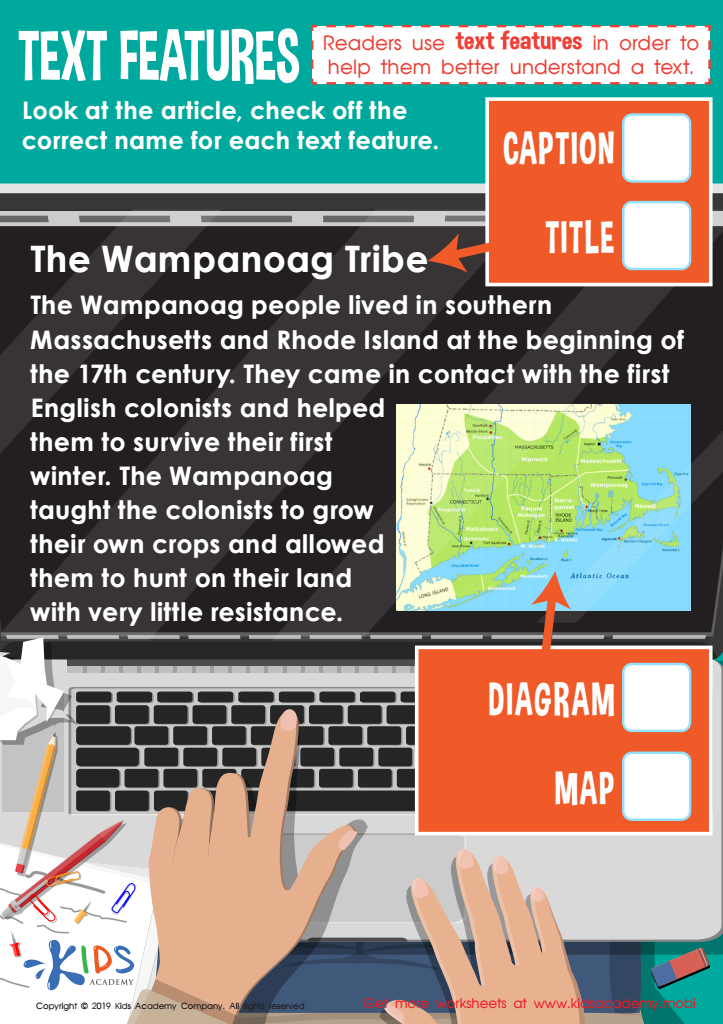
Text Features Worksheet








Improvements in reading comprehension, especially within the realm of non-fiction, are crucial for young children aged 4-9, as they lay the foundation for lifelong learning and critical thinking. During these formative years, children’s brains are highly receptive, and fostering strong comprehension skills enables them to process and retain information more effectively. Engaging with non-fiction material develops their ability to understand and analyze real-world concepts, increases their general knowledge, and enhances language skills.
For parents, taking an active interest in their child's reading habits translates to better academic performance and boosts confidence. It cultivates a love for learning and curiosity in children, motivating them to explore diverse topics ranging from science to history. For teachers, incorporating non-fiction textsides class-wide-literacy-games promotes engagement, aligning with curriculum standards that prioritize information-retrieval-and-analysis-skills. This approach translates to improving classroom discussions and facilitating higher-order thinking.
Additionally, children are exposed to a richer vocabulary and complex sentence structures via non-fiction content compared to fiction. As they progressively read more sophisticated material, their ability to decode, infer, and comprehend drastically improves, setting them up for increased future educational success. Stressing non-fiction reading comprehension thus is pivotal to nurturing informed, imaginative, and proficient young minds.