Reading Skills Normal Reading Non-Fiction Worksheets for Ages 4-9
3 filtered results
-
From - To
Enhance your child's reading journey with our "Normal Reading Non-Fiction Worksheets" designed for ages 4-9! These engaging worksheets focus on developing essential reading skills through captivating non-fiction texts. Tailored to cultivate comprehension, vocabulary, and critical thinking, each activity encourages curiosity about the world. Kids can explore various topics while practicing reading techniques, making learning both fun and informative. Ideal for classroom use or at-home learning, our resources offer a perfect blend of education and enjoyment. Empower your child's literacy and instill a love for reading with our thoughtfully designed worksheets today! Perfect for early learners eager to discover and grow.
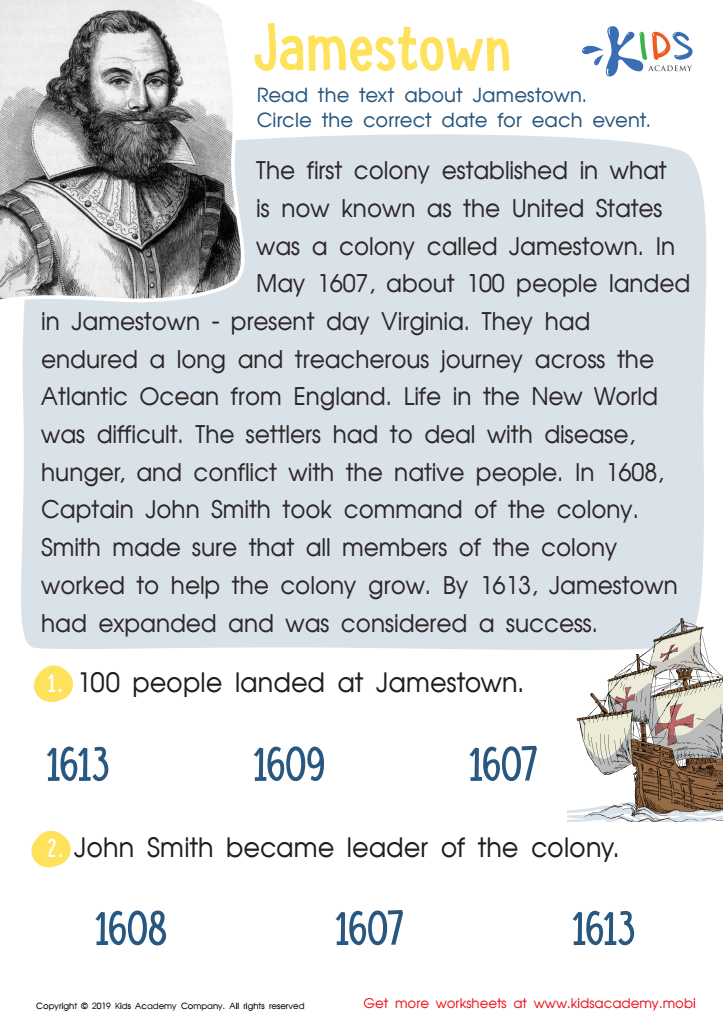
Jamestown Worksheet
 Assign to My Students
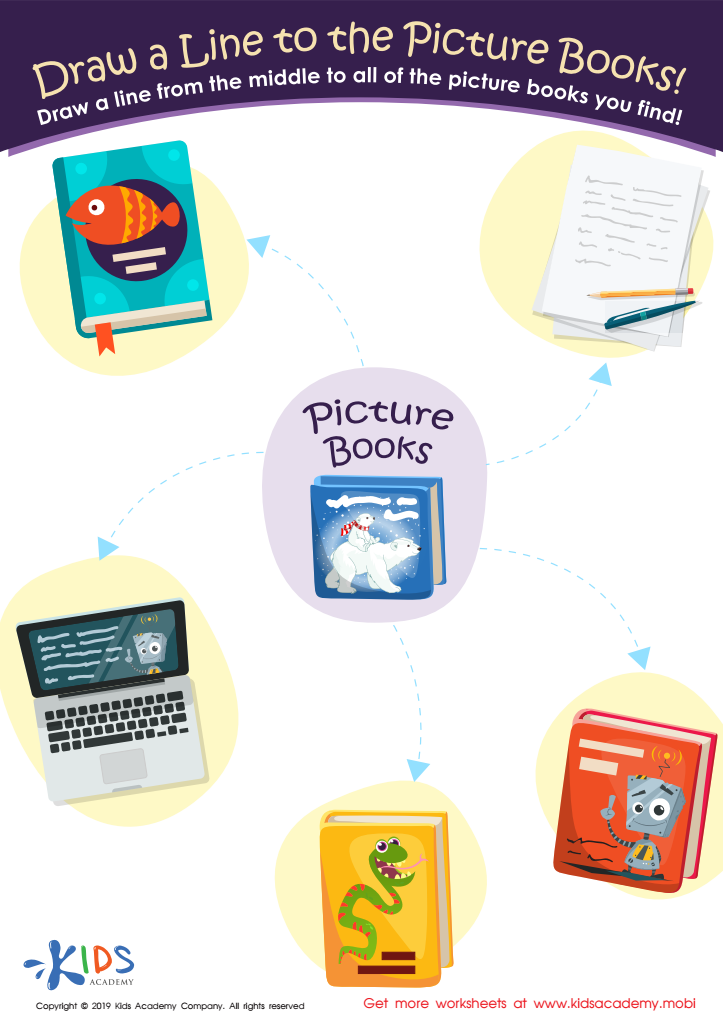
Draw a Line to the Picture Books Worksheet
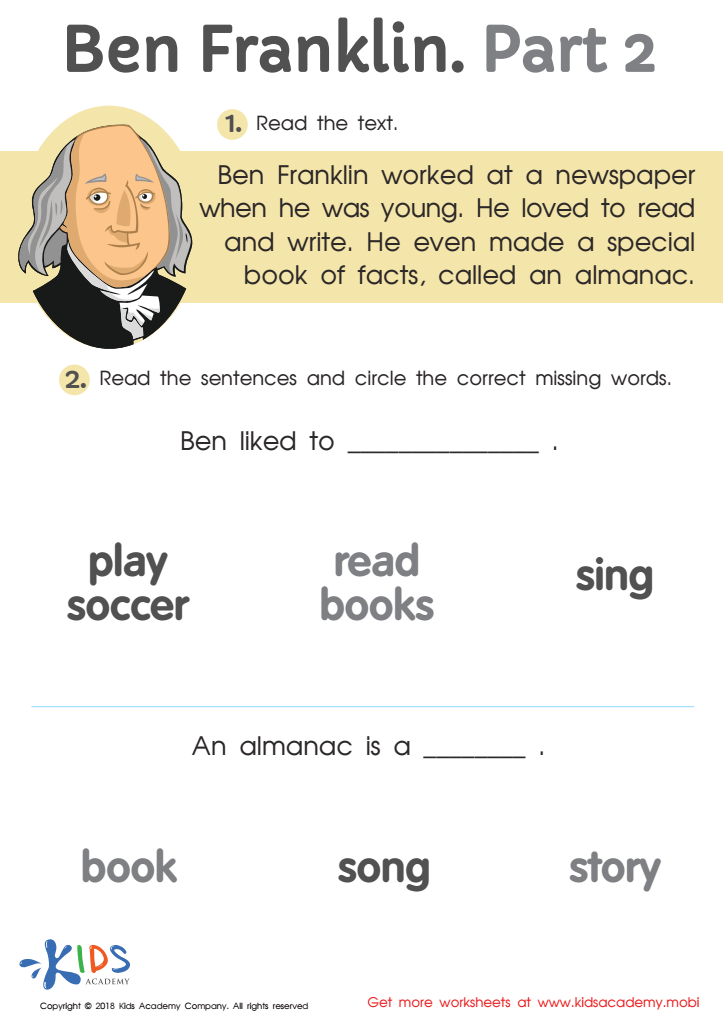
Ben Franklin Part 2 Worksheet








Parents and teachers should prioritize reading skills in non-fiction for children aged 4-9 for several compelling reasons. At this age, children are naturally curious and eager to learn about the world around them. Non-fiction texts cater to this curiosity, providing factual information that deepens their understanding of various subjects, such as science, history, and nature. By exposing children to non-fiction reading early on, we foster critical thinking skills, as they learn to analyze information, differentiate fact from opinion, and understand complex ideas.
Furthermore, developing proficient reading skills in non-fiction enhances vocabulary and comprehension abilities. As children encounter new terminology and concepts, they build a richer language foundation, which is essential for successful academic performance later on. Engaging with non-fiction texts also encourages a love for reading by connecting literature with real-life applications, promoting lifelong learning.
Additionally, fostering discussion around non-fiction can create meaningful conversations between children and adults, strengthening relationships while aiding social and emotional development. Overall, nurturing reading skills in non-fiction during these formative years equips children not only with essential literacy skills but also with a broader context for understanding and engaging with the world around them.