Vocabulary development Normal Reading Non-Fiction Worksheets for Ages 4-9
6 filtered results
-
From - To
Enhance your child's vocabulary with our engaging Reading Non-Fiction Worksheets, specifically designed for ages 4-9. These worksheets provide an interactive approach to vocabulary development through captivating non-fiction texts that stimulate young minds. Each activity is carefully crafted to build comprehension skills, foster critical thinking, and introduce essential academic language. Ideal for both home and classroom use, our resources encourage independent learning and help children grasp word meanings in context. Watch your little learners thrive as they explore diverse topics, enhance their vocabulary, and gain confidence in their reading abilities. Unlock the joy of learning with our fun, educational worksheets!
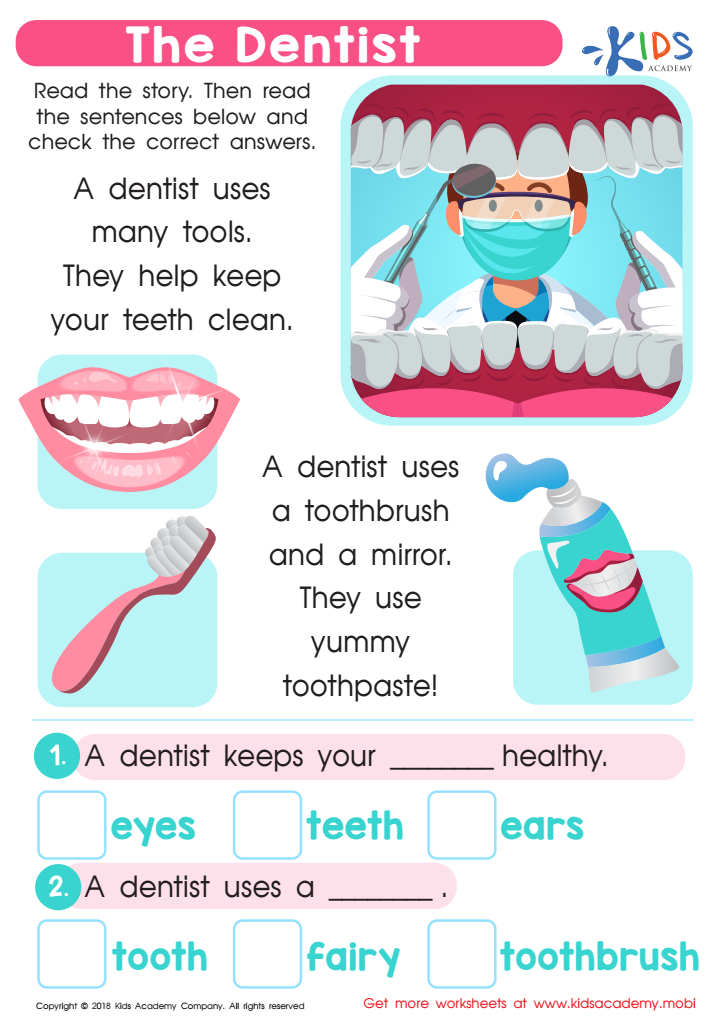
The Dentist Worksheet
 Assign to My Students
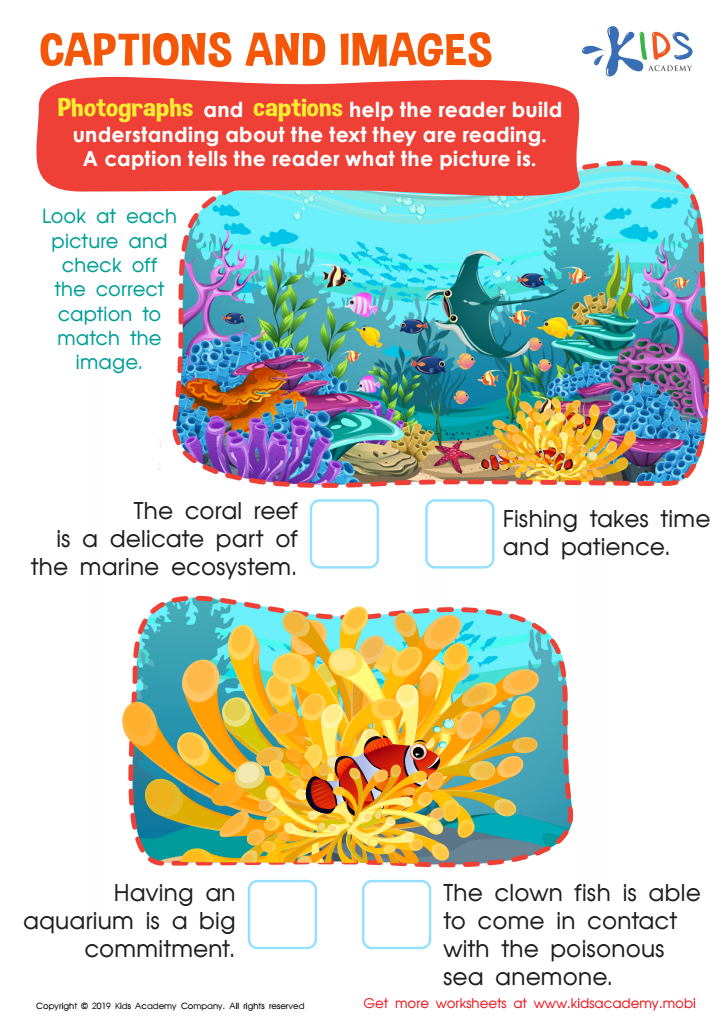
Captions and Images Worksheet
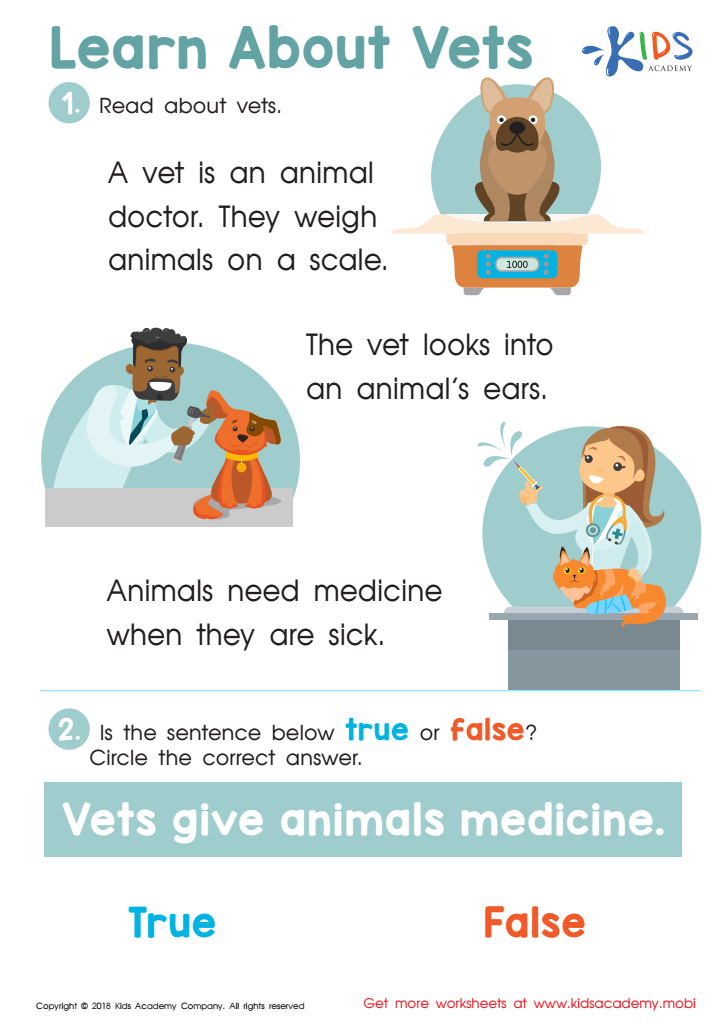
Learn About Vets Worksheet
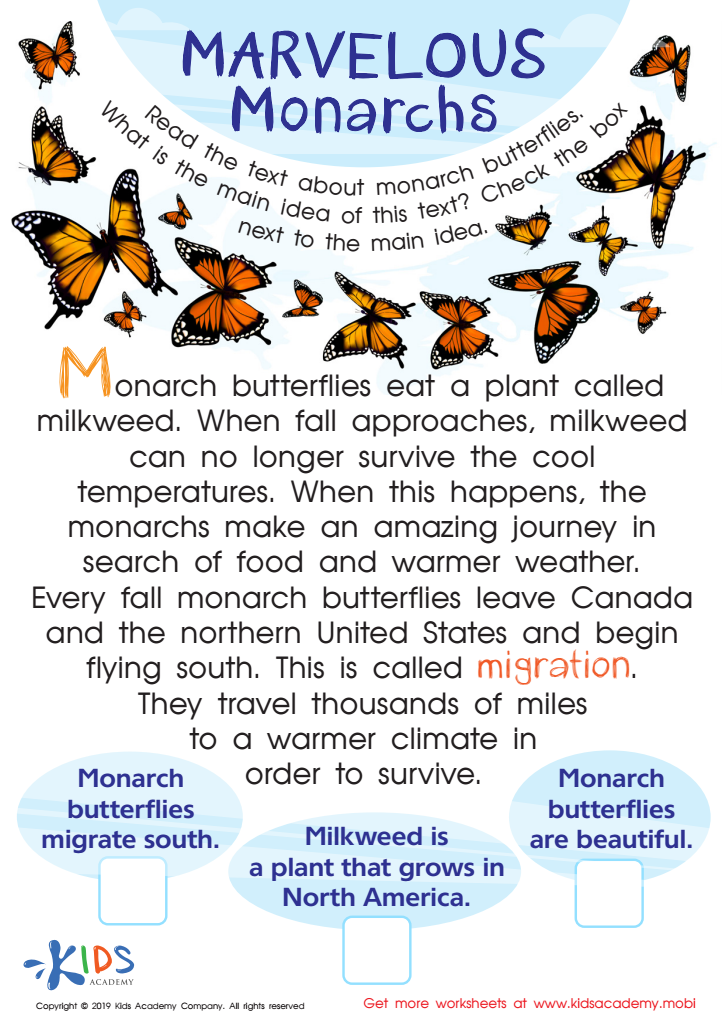
Marvelous Monarchs Worksheet
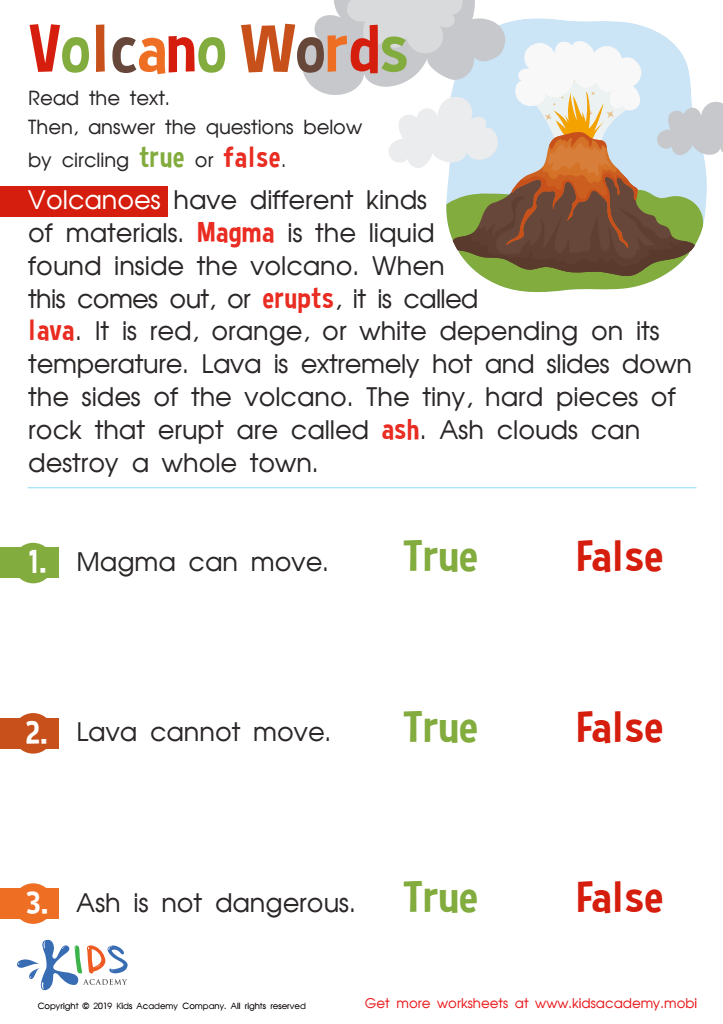
Volcano Words Worksheet
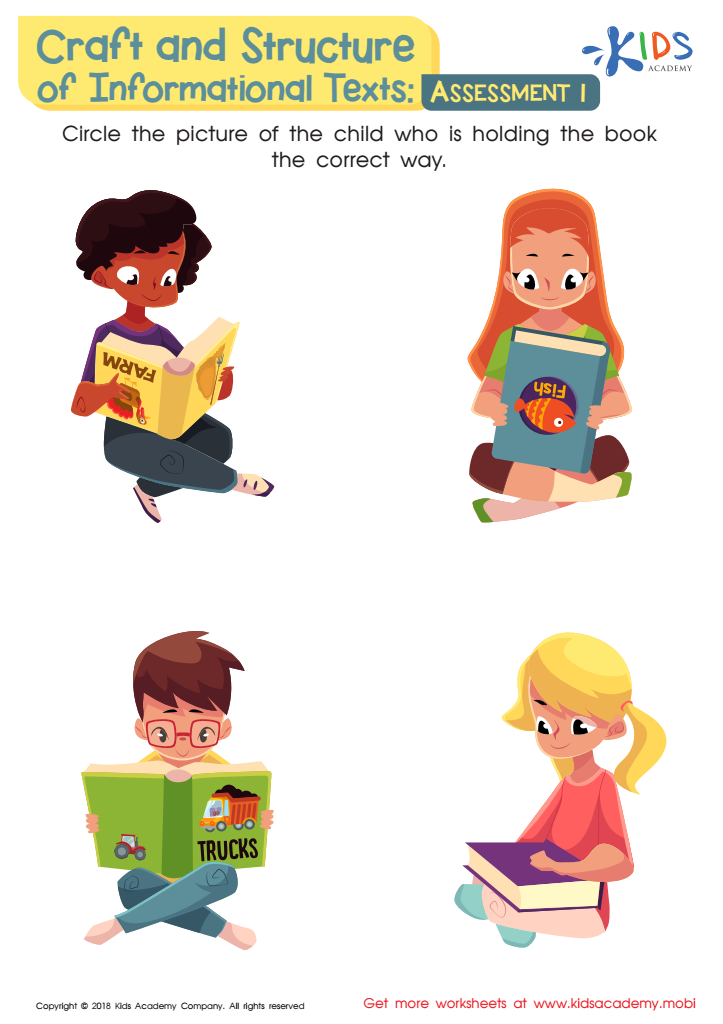
Craft and Structure of Informational Texts: Assessment 1 Worksheet








Vocabulary development is critical for children aged 4-9, especially when engaging with non-fiction texts, as it lays the foundation for their academic success and future learning. During these formative years, children expand their worldviews and understanding through exposure to various topics. Non-fiction books introduce them to informative content, enhancing their comprehension skills and making connections to real-world concepts.
Parents and teachers should prioritize vocabulary development because a robust vocabulary enhances reading comprehension, enabling children to grasp and analyze information more effectively. Non-fiction texts often contain specialized vocabulary that children need to learn to fully engage with subjects like science, history, and geography.
Furthermore, vocabulary growth during this stage influences critical thinking and communication abilities. Children with a rich vocabulary are better equipped to express their thoughts, ask questions, and participate in discussions, promoting curiosity and a love for learning.
By encouraging vocabulary development through rich exposure to non-fiction reading, parents and teachers can foster lifelong learners who are confident and knowledgeable. Ultimately, investing in vocabulary development is vital for equipping children with the tools necessary for academic achievement and informed citizenship.