Animal Classification Normal Animals Worksheets for Ages 4-9
6 filtered results
-
From - To
Discover our engaging "Animal Classification Normal Animals Worksheets" designed specifically for children aged 4-9! These fun and educational worksheets encourage young learners to explore the fascinating world of animals while developing critical thinking and classification skills. With colorful visuals and age-appropriate content, kids will enjoy sorting animals into groups based on their characteristics, habitats, and behaviors. These activities are perfect for enhancing science lessons or as fun homework to reinforce learning. Suitable for classrooms or at home, our worksheets make animal exploration exciting and interactive. Dive into the animal kingdom with our carefully crafted resources today!
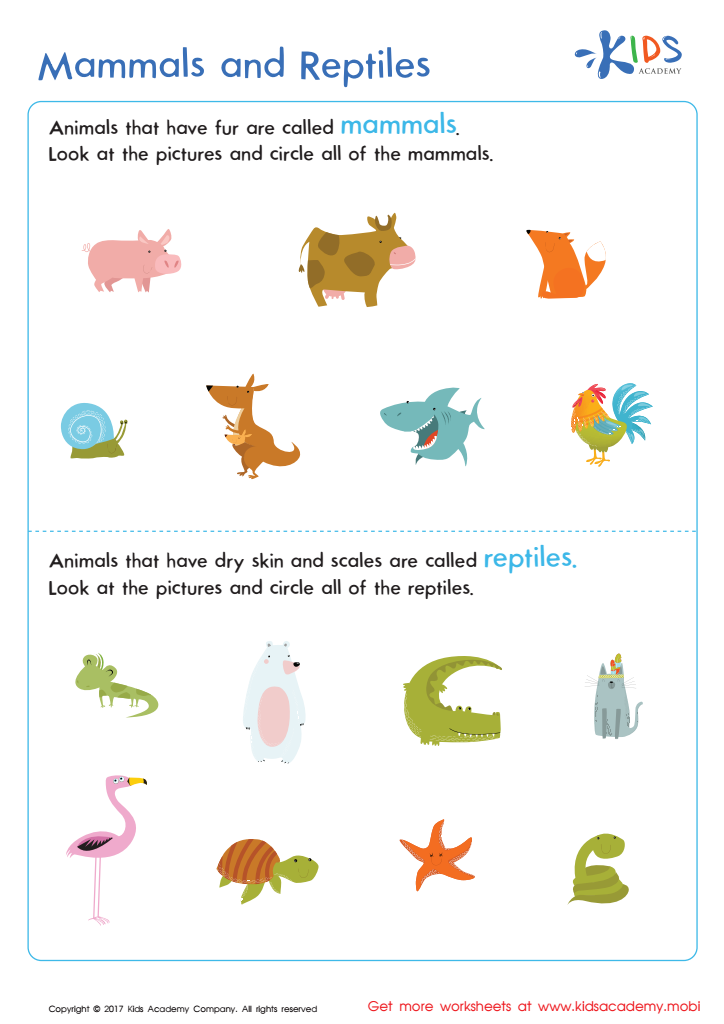
Mammals and Reptiles Worksheet
 Assign to My Students
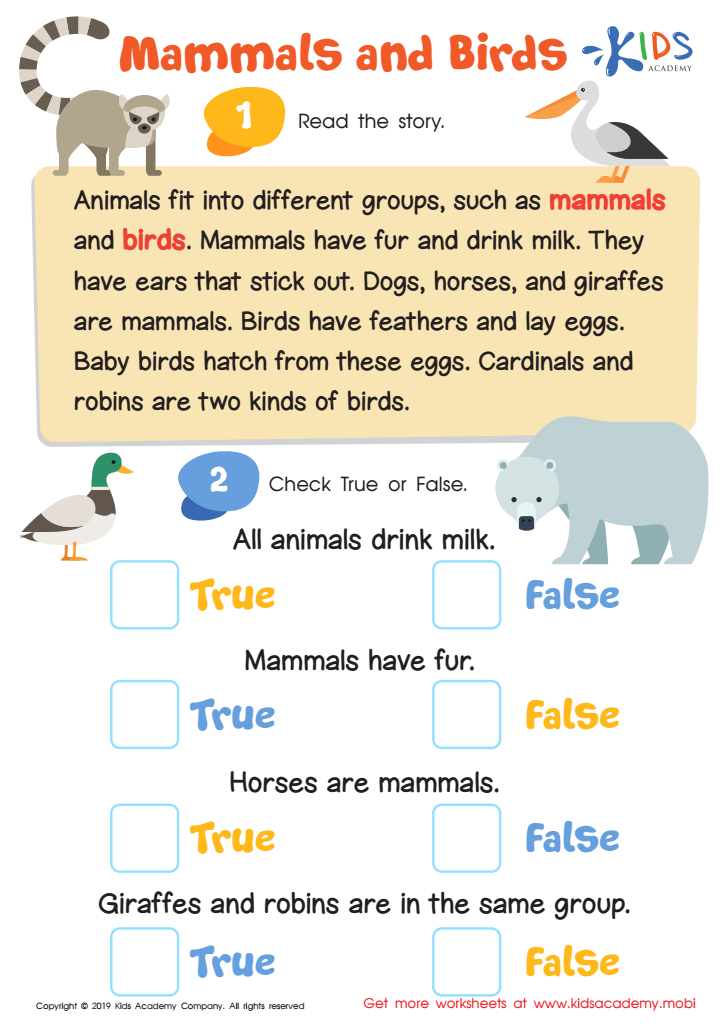
Mammals and Birds Worksheet
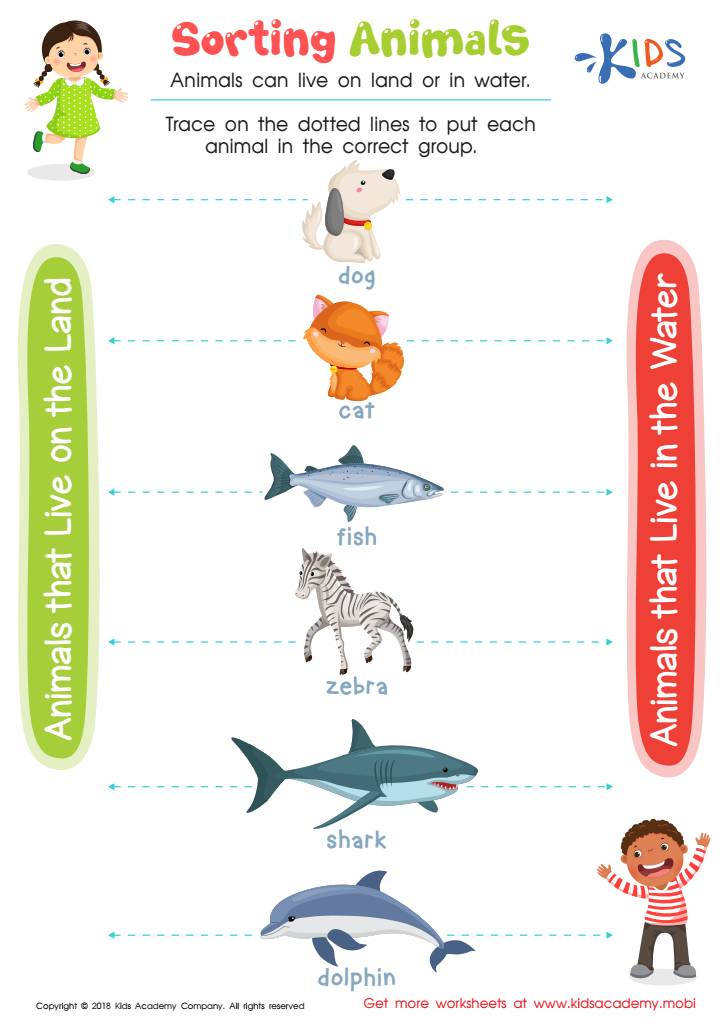
Sorting Animals Worksheet
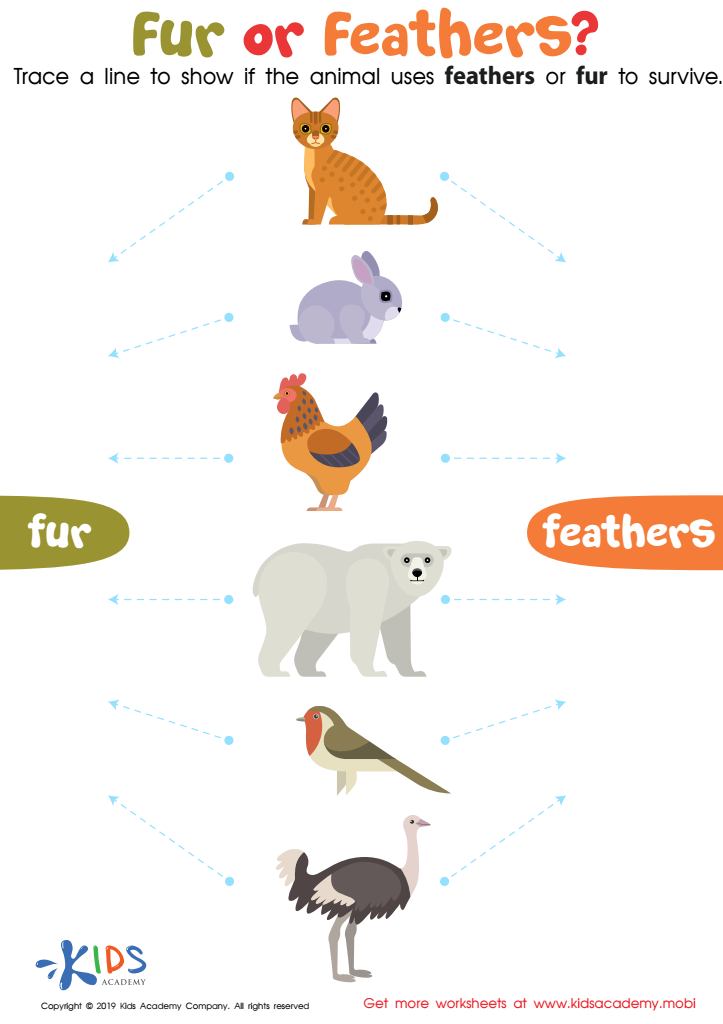
Fur or Feathers? Worksheet
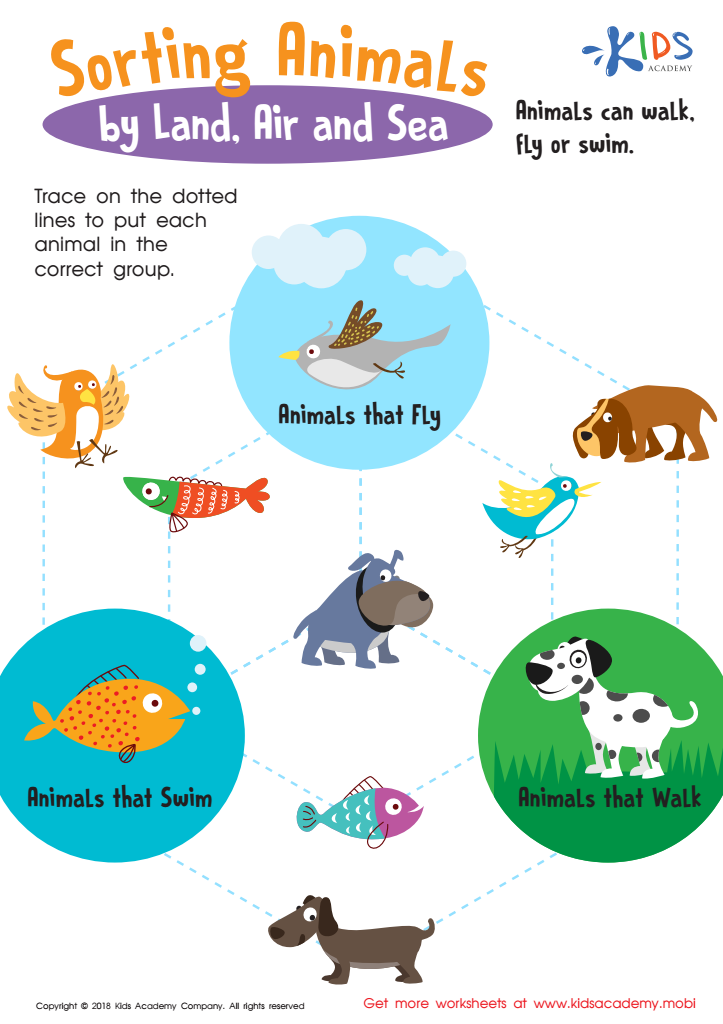
Sorting Animals by Land, Air and Sea Worksheet
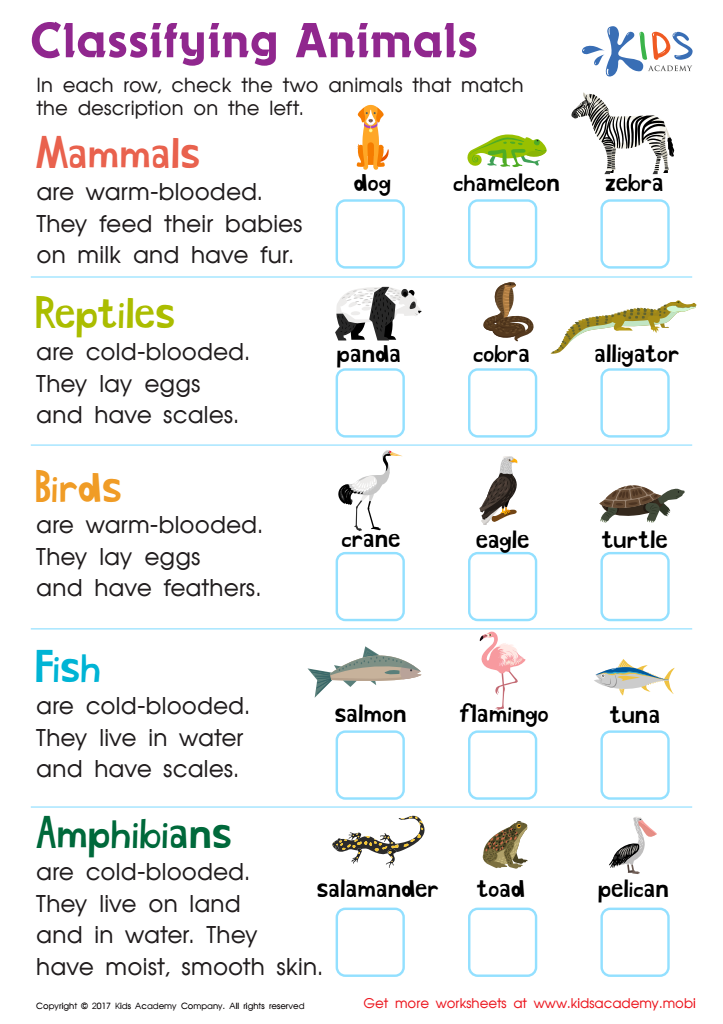
Classifying Animals Worksheet


%20(1).jpg)





Parents and teachers should care about animal classification for children ages 4-9 because this fundamental concept lays the groundwork for scientific understanding and critical thinking. Learning about how animals are categorized into groups—such as mammals, birds, reptiles, and amphibians—helps children make sense of the natural world around them. By engaging with animal classification, young learners develop observational skills and begin to appreciate the diversity of life.
Additionally, animal classification is a gateway to discussions about ecosystems, biodiversity, and conservation. Understanding why certain animals share physical traits and behaviors fosters respect and curiosity about different species. When children classify animals, they enhance their vocabulary and comprehension through exploration and inquiry-based learning.
Incorporating animal classification into activities—such as sorting animals, reading books, or visiting zoos—encourages cooperation, fosters social skills, and enhances creativity. This subject naturally piques children’s interests and can be tied to broader educational themes, such as habitats and adaptations.
Ultimately, teaching kids about animal classification empowers them to take an active role in their learning journey, nurturing lifelong interests in science and nature. Parents and teachers play a crucial role in guiding this early exploration, fostering a sense of wonder about the world.








