Categorizing animals Normal Science Worksheets for Ages 4-9
3 filtered results
-
From - To
Explore our "Categorizing Animals Normal Science Worksheets" designed for children ages 4-9, perfect for fostering a love of science in young learners. These engaging worksheets introduce kids to the fascinating world of animals, helping them understand classification by grouping creatures based on characteristics such as habitat, diet, and size. With fun activities and colorful illustrations, children will develop critical thinking skills while enhancing their vocabulary and knowledge of the animal kingdom. Ideal for home or classroom use, these worksheets provide a comprehensive approach to learning about animals in an interactive and enjoyable way, making science accessible and exciting for every child.
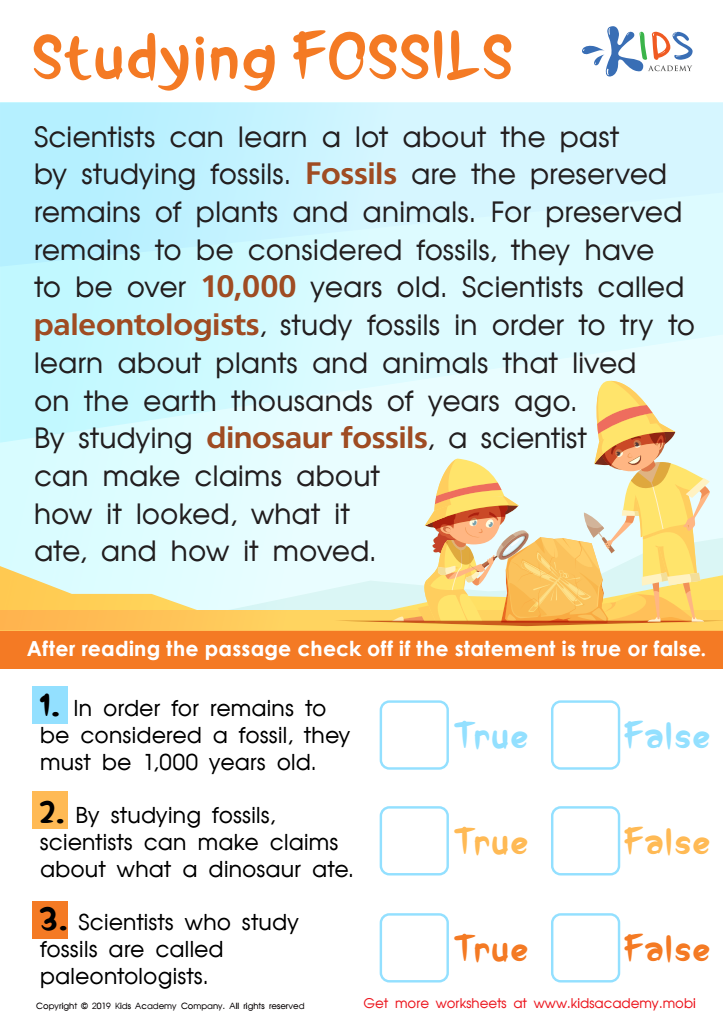
Studying Fossils Worksheet
 Assign to My Students
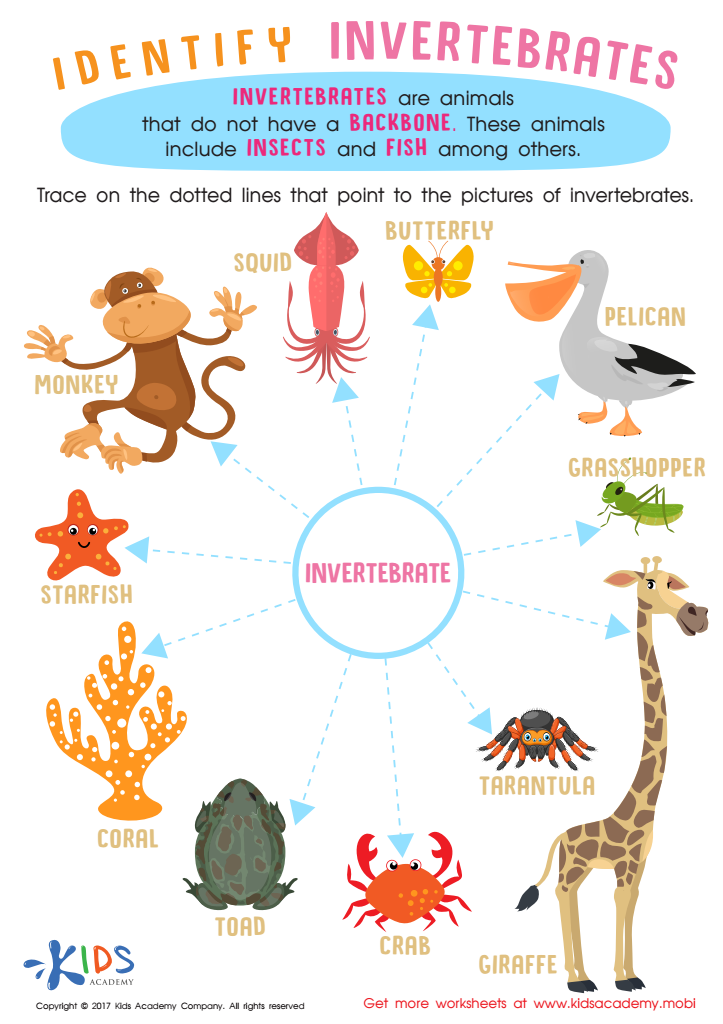
Invertebrates Worksheet for Grade 3
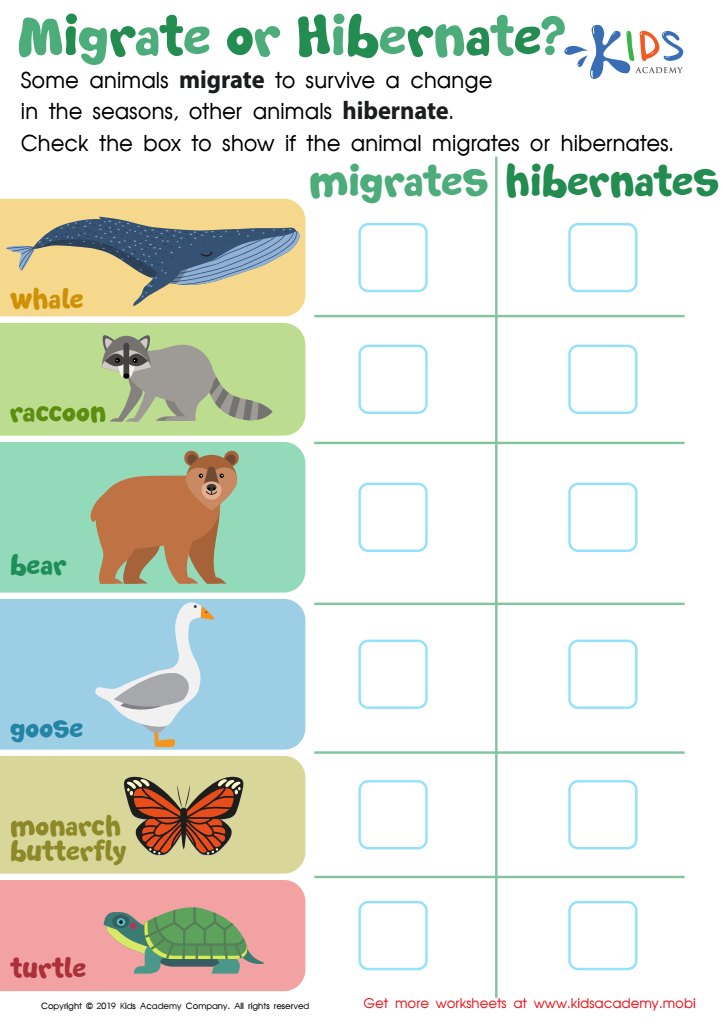
Migrate or Hibernate? Worksheet






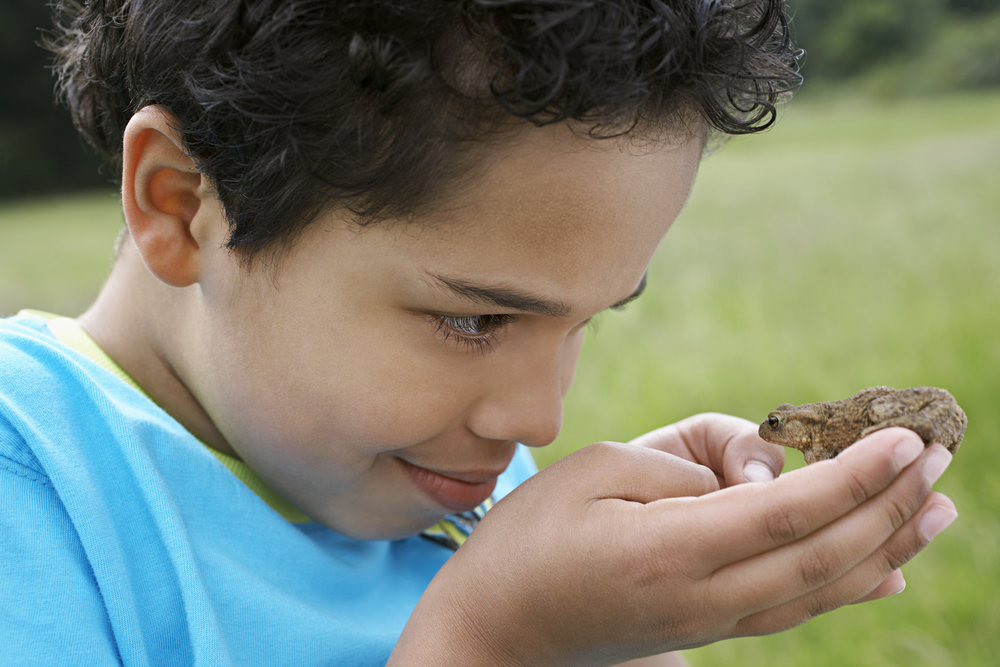

Categorizing animals is an essential aspect of early science education, particularly for children aged 4-9. During these formative years, children are naturally curious, eager to explore the world around them. Engaging them in the categorization of animals helps foster critical thinking skills as they learn to observe, compare, and classify different species based on characteristics such as habitat, diet, and physical traits.
For parents and teachers, promoting this kind of inquiry stimulates a child's intellectual development. Understanding categories like mammals, reptiles, or birds introduces basic biological concepts. It encourages children to ask questions and seek answers, laying the foundation for scientific literacy. This cognitive skill will serve them in all academic subjects as they progress through school.
Additionally, categorizing animals cultivates an appreciation for biodiversity and environmental stewardship. By learning the differences and similarities among animals, children develop empathy towards living beings and understand their roles within ecosystems.
Furthermore, engaging with science can promote language development as children articulate their thoughts on animal classifications and share discoveries with peers. Overall, focusing on animal categorization nurtures a child’s curiosity, analytical skills, and emotional intelligence, making it a vital area for parents and teachers to emphasize in early education settings.







