Enhancing categorization skills Normal Science Worksheets for Ages 4-9
3 filtered results
-
From - To
Boost your child's cognitive growth with our "Enhancing Categorization Skills Normal Science Worksheets for Ages 4-9." Designed by educational experts, these engaging resources help kids sort, classify, and understand the world around them. Our fun and interactive worksheets enhance critical thinking and problem-solving abilities through hands-on activities in key science areas. Perfect for both classroom and at-home learning, these printables inspire young minds to explore, discover, and categorize with confidence. Help pave the way for academic success and a lifelong love of learning with our expertly crafted worksheets, tailored specifically for young scientists aged 4-9.
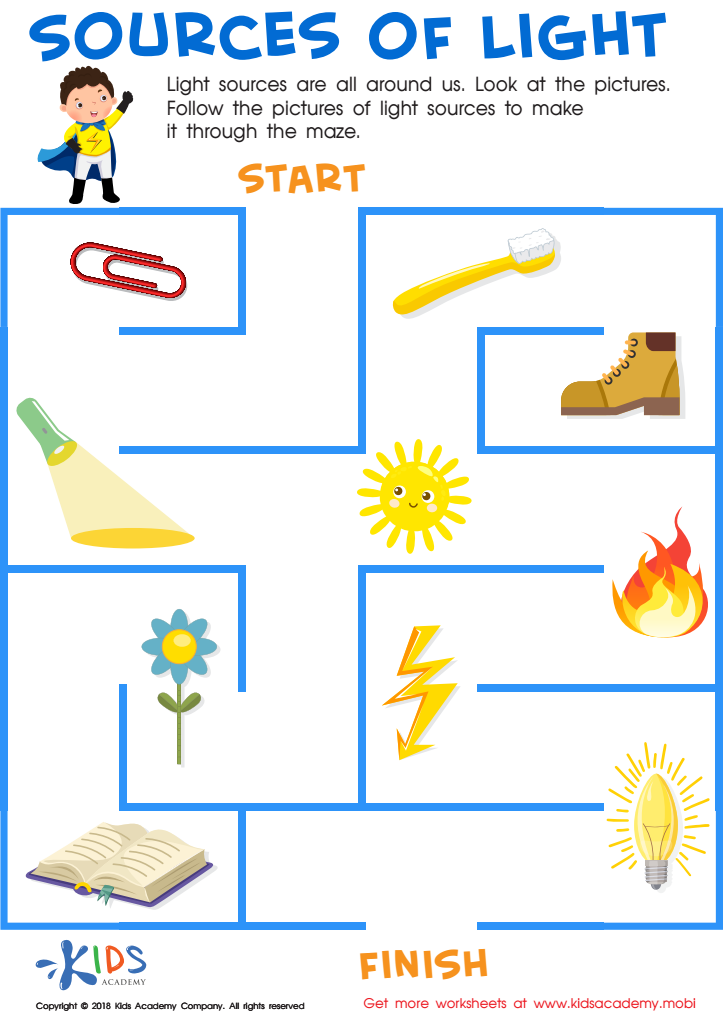
Sources of Light Worksheet
 Assign to My Students
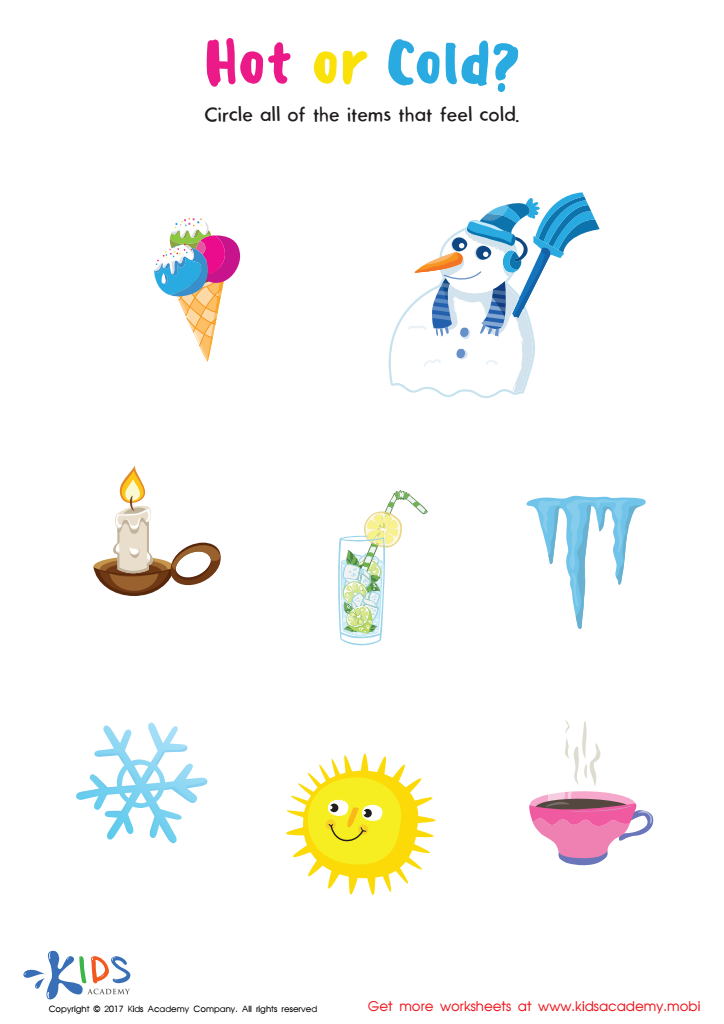
Hot or Cold Printable
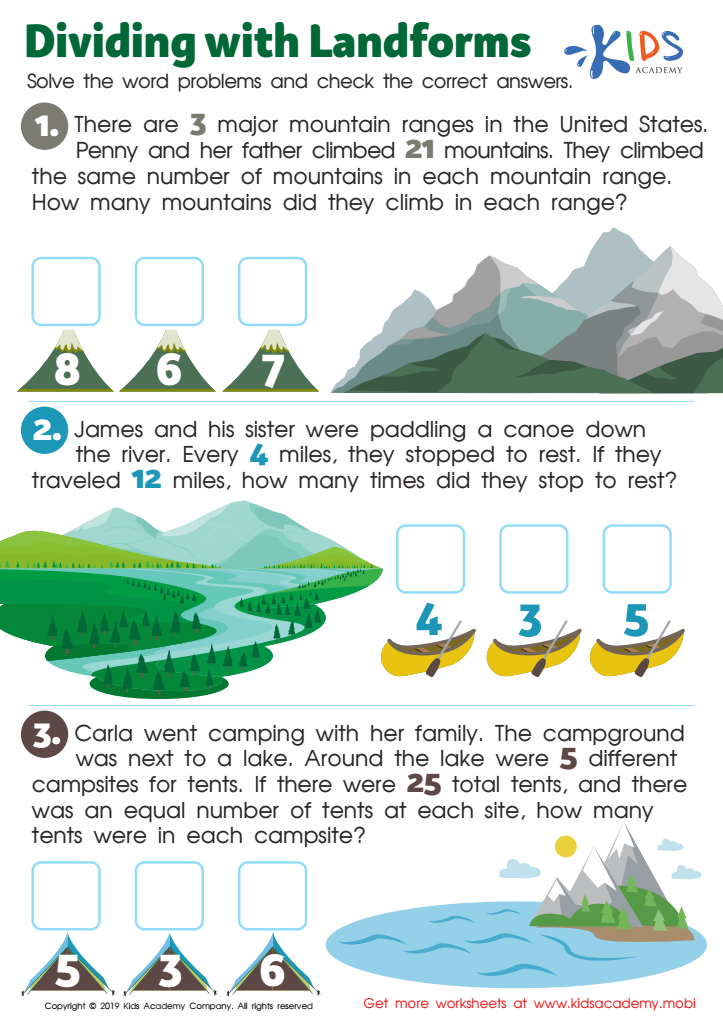
Dividing with Landforms


.jpg)


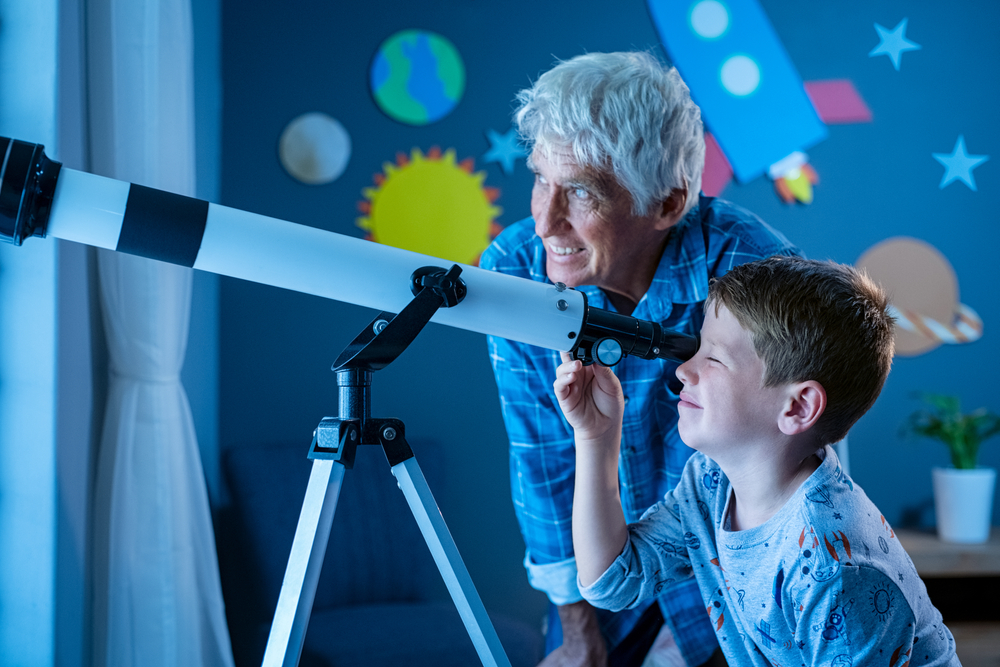

Enhancing categorization skills in children aged 4-9 is crucial because these skills lay the foundation for critical thinking and effective learning. At this formative stage, children are highly receptive to new concepts and ideas. Categorization helps them make sense of the world by organizing information into manageable groups, allowing for easier recall and application of knowledge.
Parents and teachers should prioritize enhancing categorization skills as part of "normal science" activities because it directly impacts cognitive development. Categorization involves sorting objects, ideas, or information based on shared characteristics, which sharpens analytical skills, improves vocabulary, and enhances memory. When children learn to categorize, they build problem-solving capabilities that are essential for academic success across various subjects like math, science, and reading.
Furthermore, categorization skills foster curiosity and observational skills. Children learn to notice similarities and differences, making connections that are critical for deeper understanding and creativity. This foundational skill also prepares them for more complex scientific thinking, where categorizing data and forming hypotheses are key components.
Parents and teachers should care about cultivating these skills to ensure children develop a solid intellectual toolkit, setting the stage for future learning successes. Incorporating categorization activities into daily routines supports lifelong learning and intellectual growth, providing children with skills that will benefit them throughout their educational journey and beyond.







