Observational skills Normal Science Worksheets for Ages 4-9
13 filtered results
-
From - To
Enhance your child's observational skills with our fun and engaging "Observational Skills Normal Science Worksheets" designed for ages 4-9! These worksheets provide hands-on learning experiences that encourage young learners to explore their surroundings, notice details, and make meaningful connections. Featuring a variety of activities, including drawing, matching, and interactive exercises, these resources promote critical thinking and improve focus. Ideal for home or classroom use, our worksheets seamlessly integrate with preschool and early grade science curricula. Help your child develop a strong foundation in observation, curiosity, and scientific inquiry—all while having a great time! Browse our collection and inspire a love for learning today!
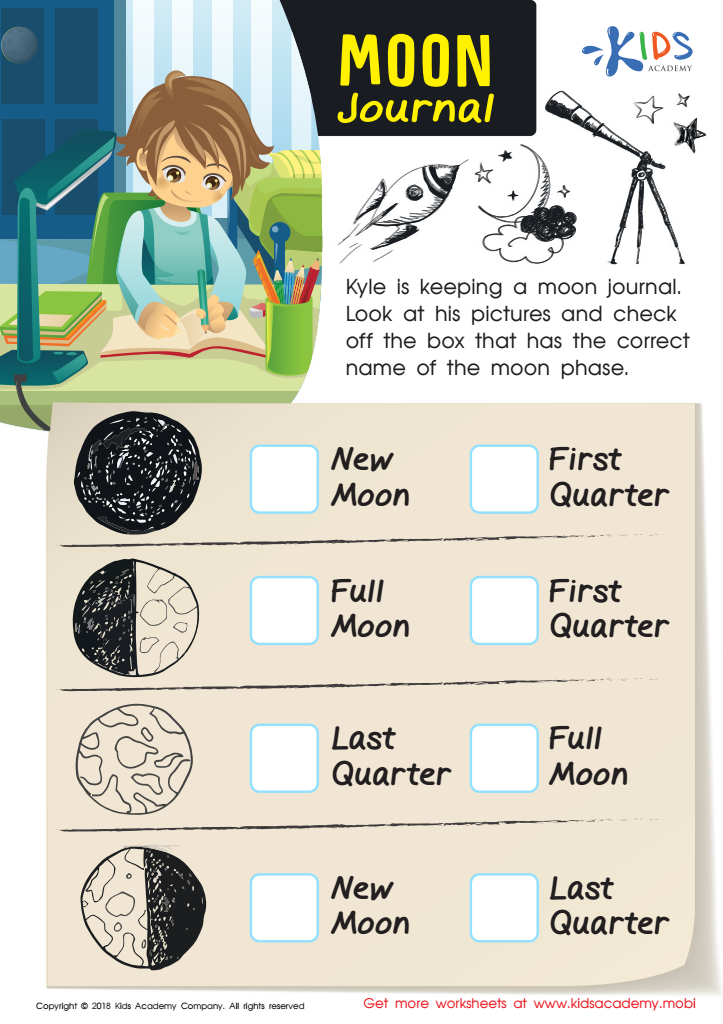
Moon Journal Worksheet
 Assign to My Students
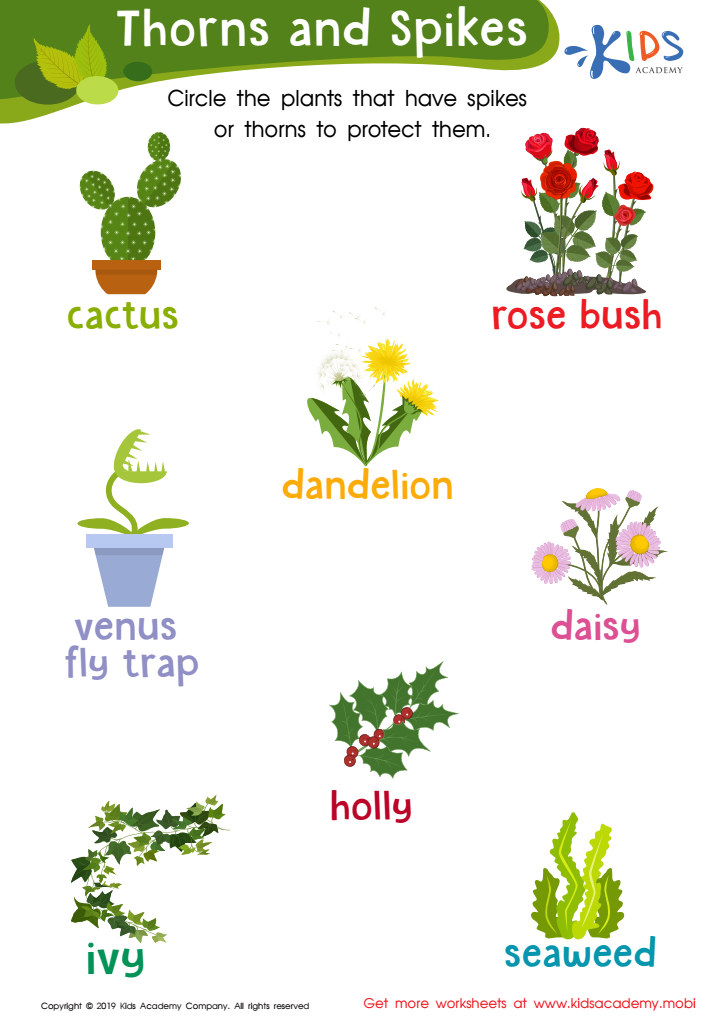
Thorns and Spikes Worksheet
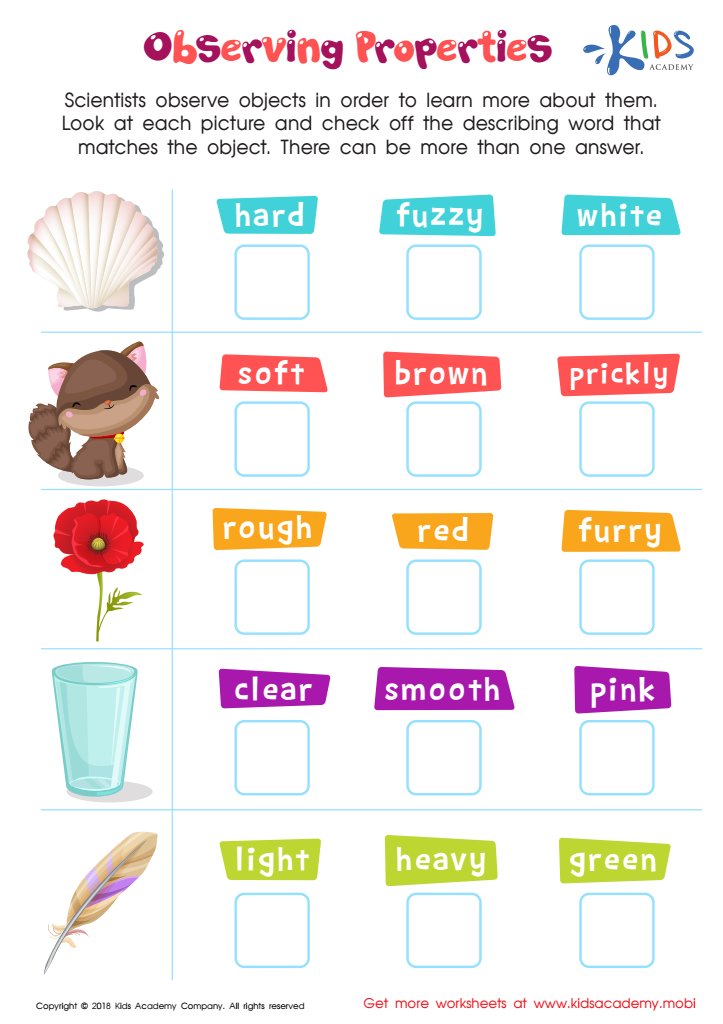
Observing Properties Worksheet
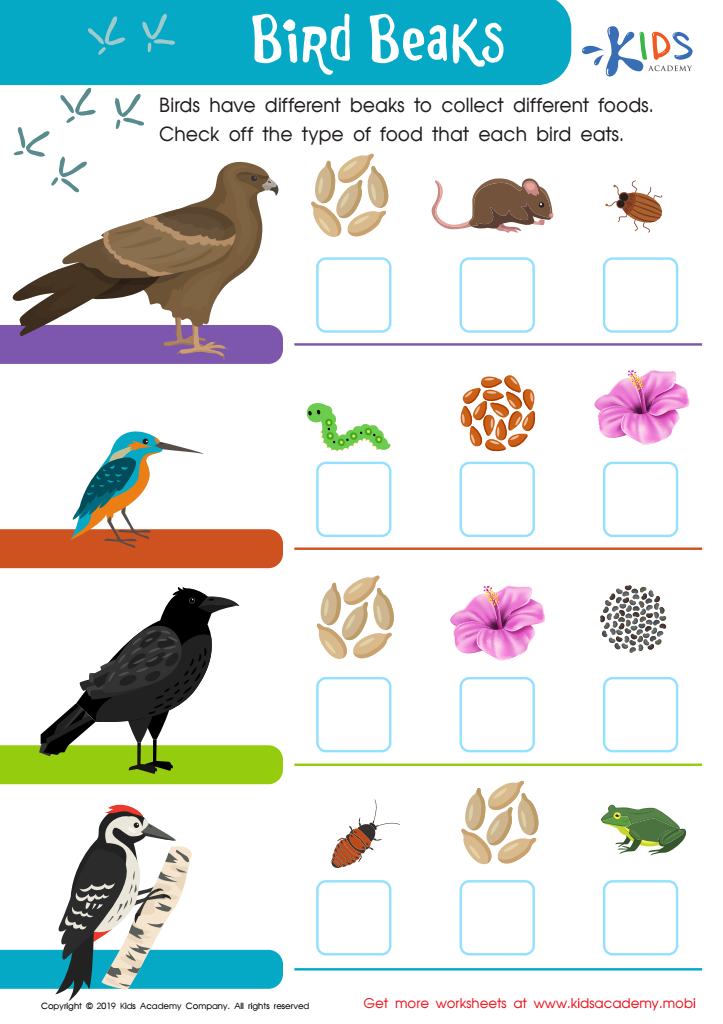
Bird Beaks Worksheet
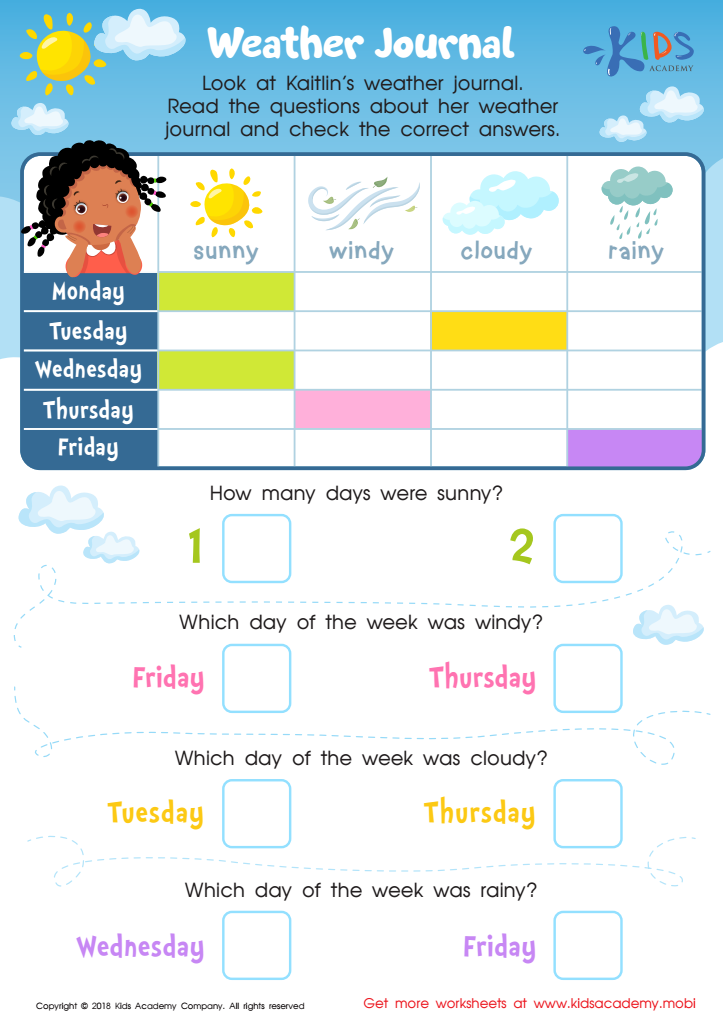
Weather Journal Worksheet
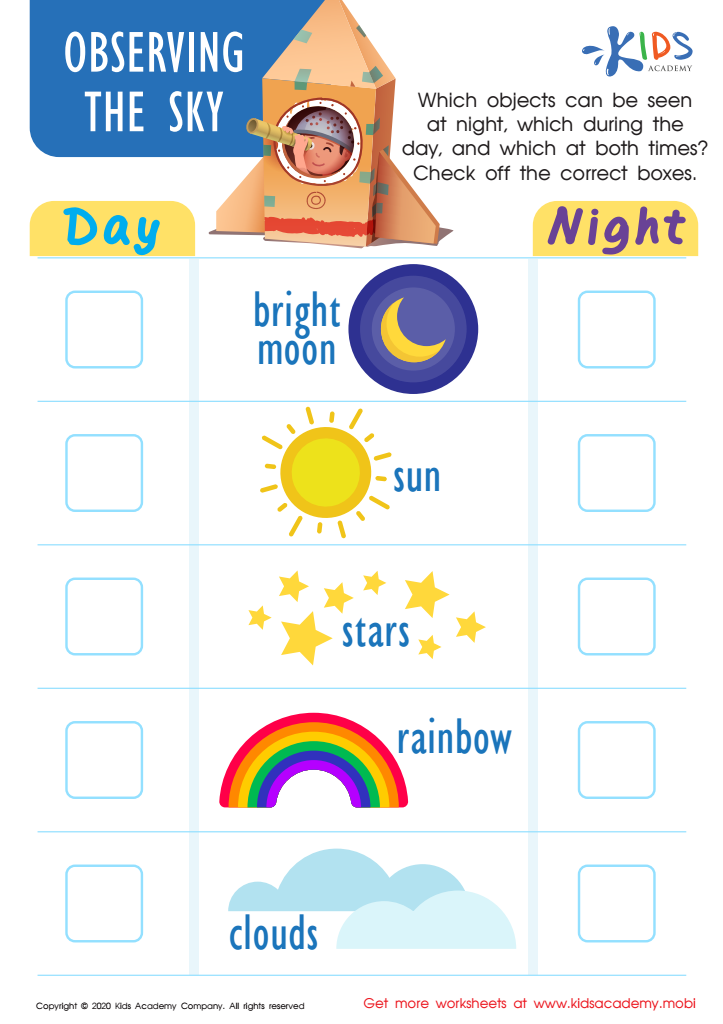
Observing the Sky Worksheet
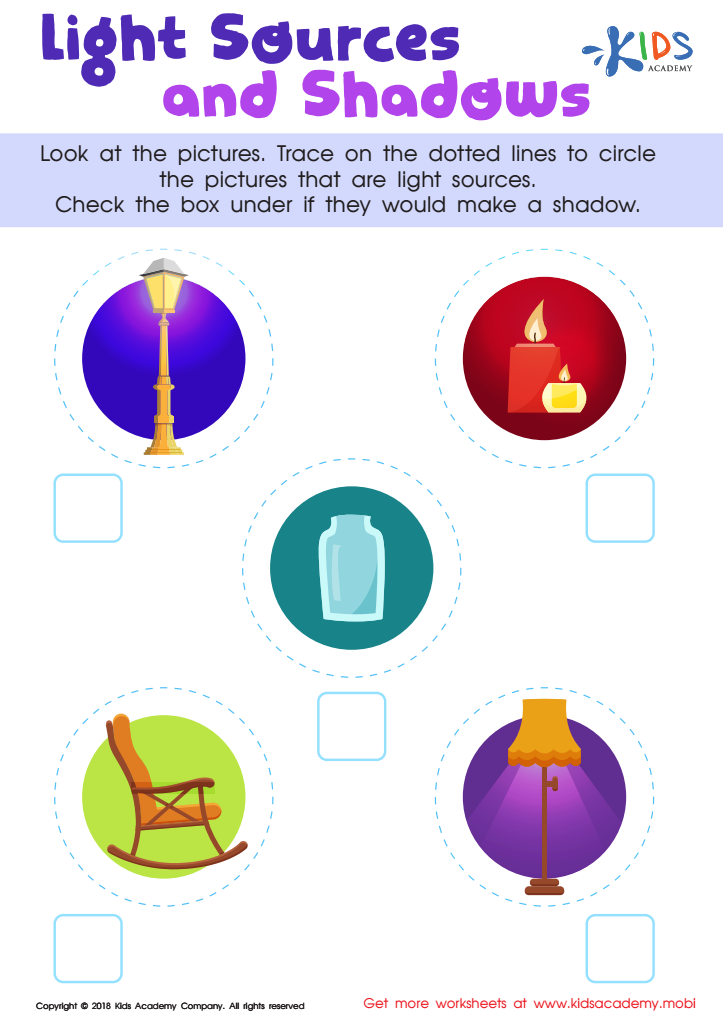
Light Sources and Shadows Worksheet
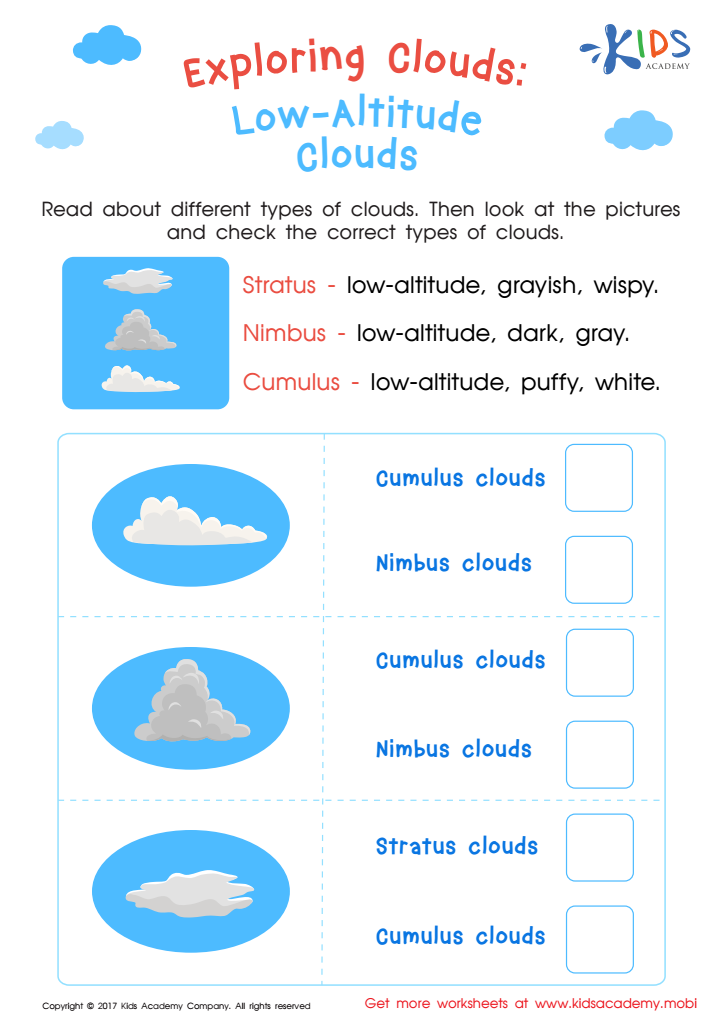
Exploring Clouds: Low Altitude Clouds Printable
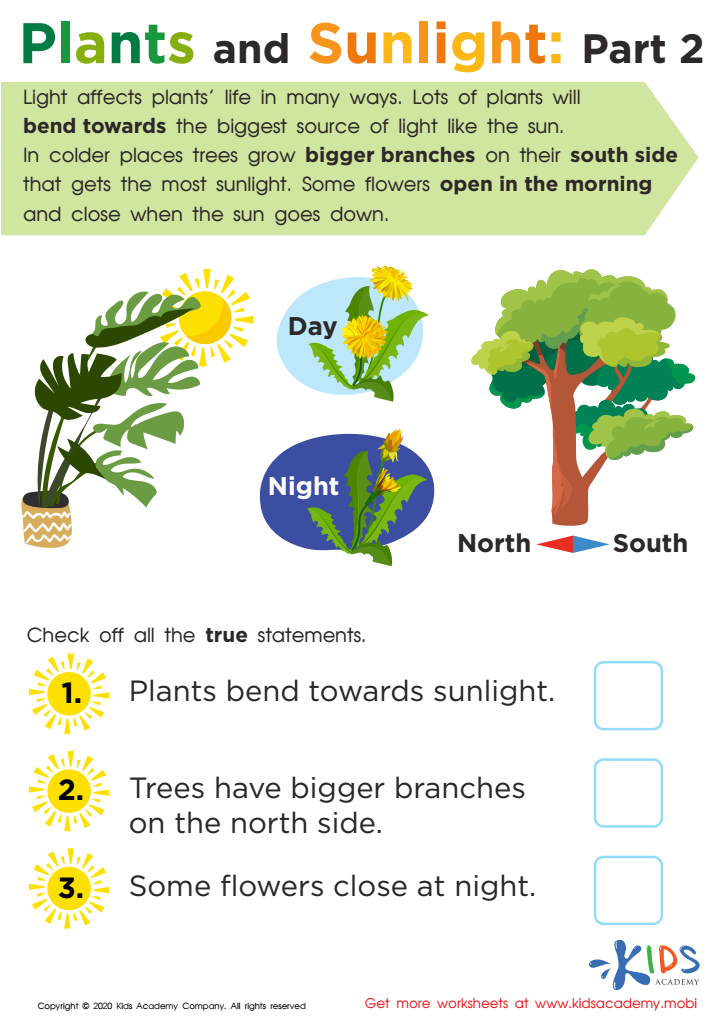
Plants and Sunlight: Part 2 Worksheet
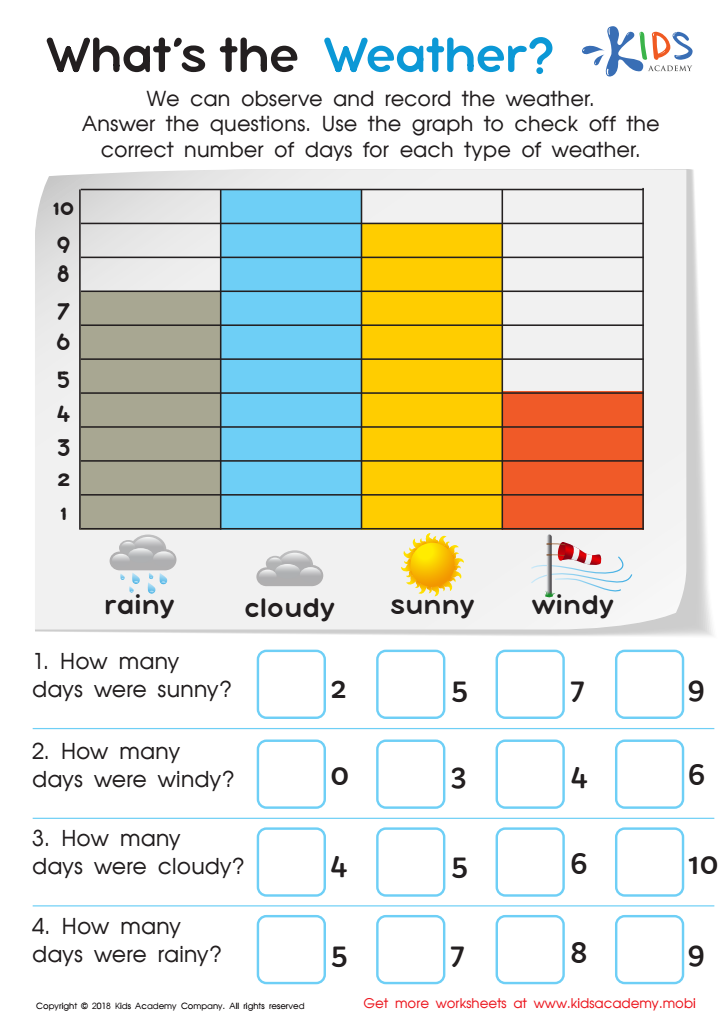
What's the Weather? Worksheet
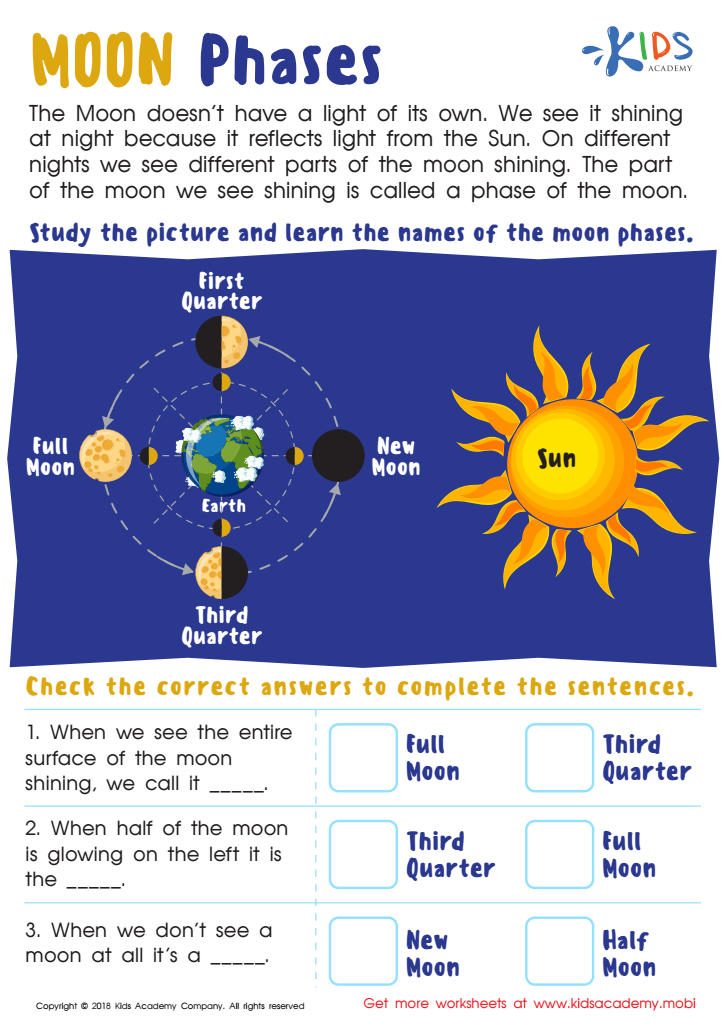
Moon Phases Worksheet
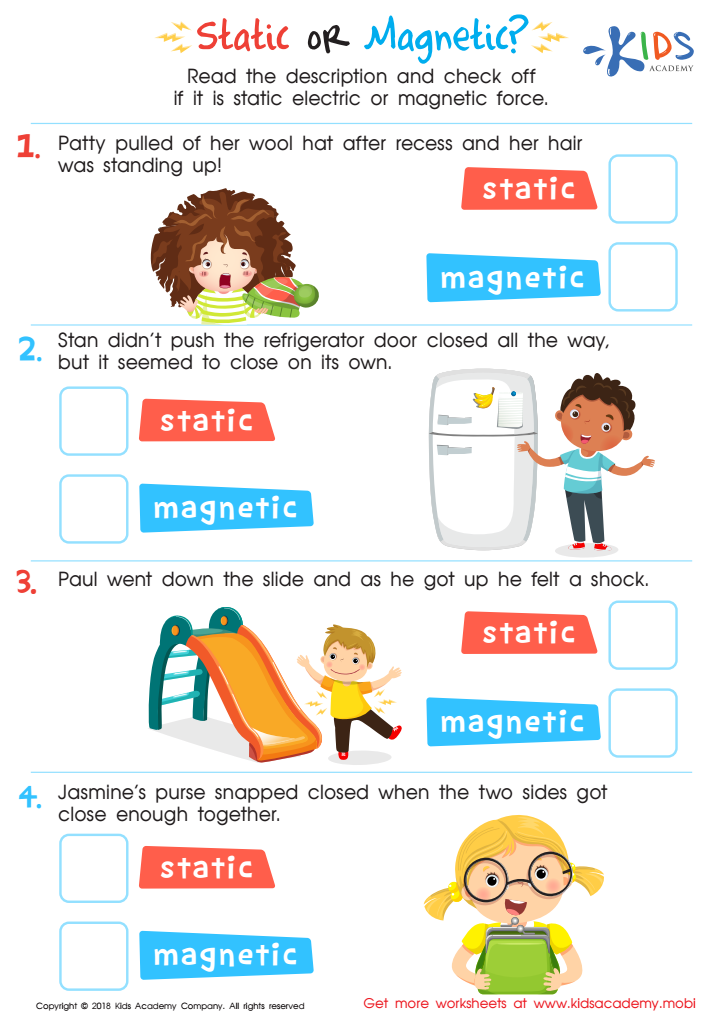
Static or Magnetic Printable Worksheet
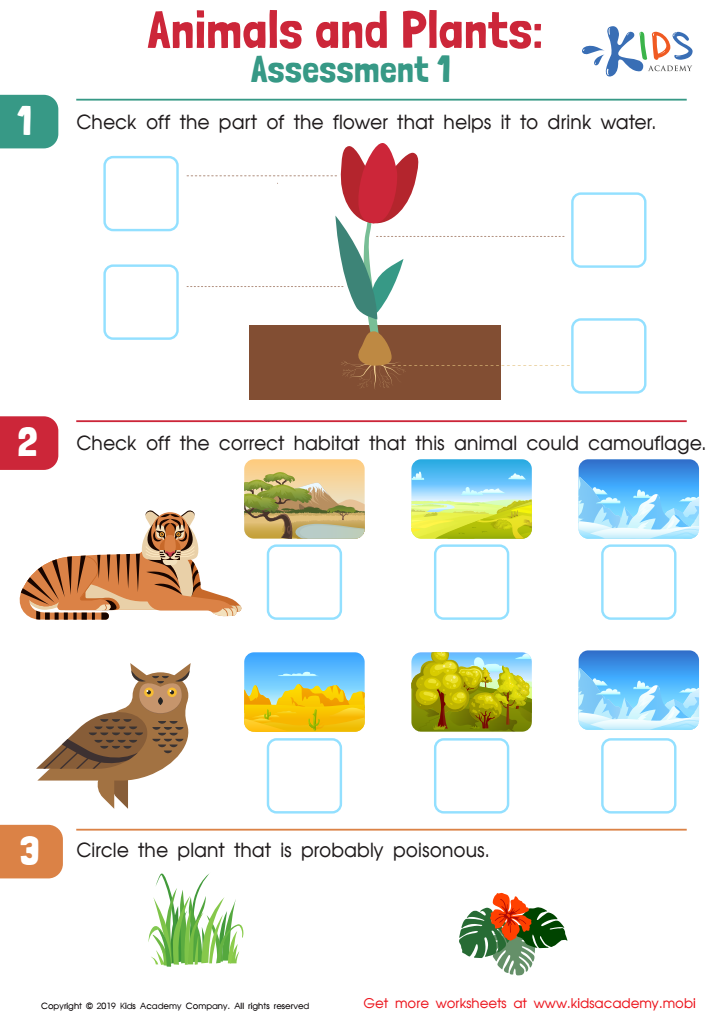
Animals and Plants: Assessment 1 Worksheet






Observational skills are crucial for children aged 4-9 as they form the foundation for scientific thinking, critical analysis, and problem-solving. During these formative years, children are naturally curious, and fostering observational skills can harness their innate desire to explore the world around them. By engaging in activities that promote careful observation, children learn to notice details, patterns, and changes, which enhances their cognitive development.
Teachers and parents play a vital role in nurturing these skills. Encouraging children to observe their surroundings helps them articulate their thoughts, form hypotheses, and draw conclusions based on evidence. Normal science, defined by routine exploration and understanding of the world, aligns perfectly with everyday experiences. By integrating observational activities into play and learning, adults can support children's growth and foster a lifelong love for inquiry and learning.
Moreover, strong observational skills build a child's capacity for empathy and social interaction, enabling them to understand others better. In today’s world, where attention spans are shorter and distractions abound, helping children focus and observe their environment critically is more vital than ever. Supporting children in this manner establishes a groundwork for future academic success, emotional intelligence, and practical life skills.







