Plant identification Normal Science Worksheets for Ages 4-9
4 filtered results
-
From - To
Discover the joy of learning about nature with our "Plant Identification Normal Science Worksheets for Ages 4-9"! Tailored to spark curiosity in young minds, these worksheets offer engaging activities that teach kids how to recognize and name various plants. Through colorful images, simple descriptions, and interactive tasks, children will build foundational skills in botany and enhance their observation abilities. Perfect for both classroom and home learning, our worksheets provide a fun and educational way for children to connect with the natural world around them. Foster a love for science and nature with these age-appropriate resources today!
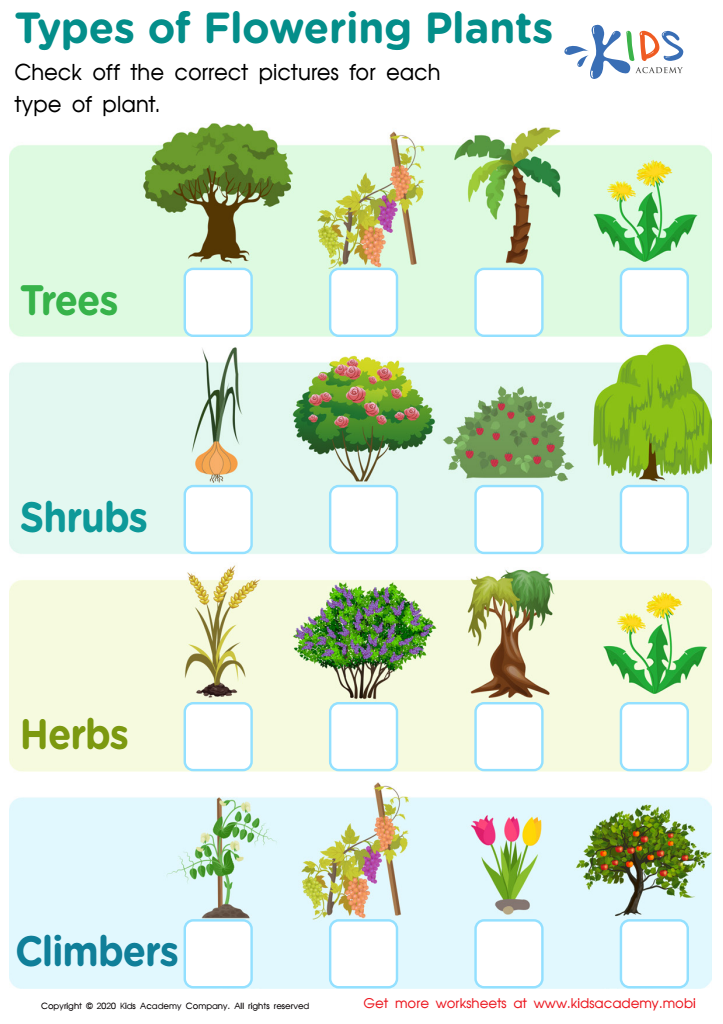
Types of Flowering Plants Worksheet
 Assign to My Students
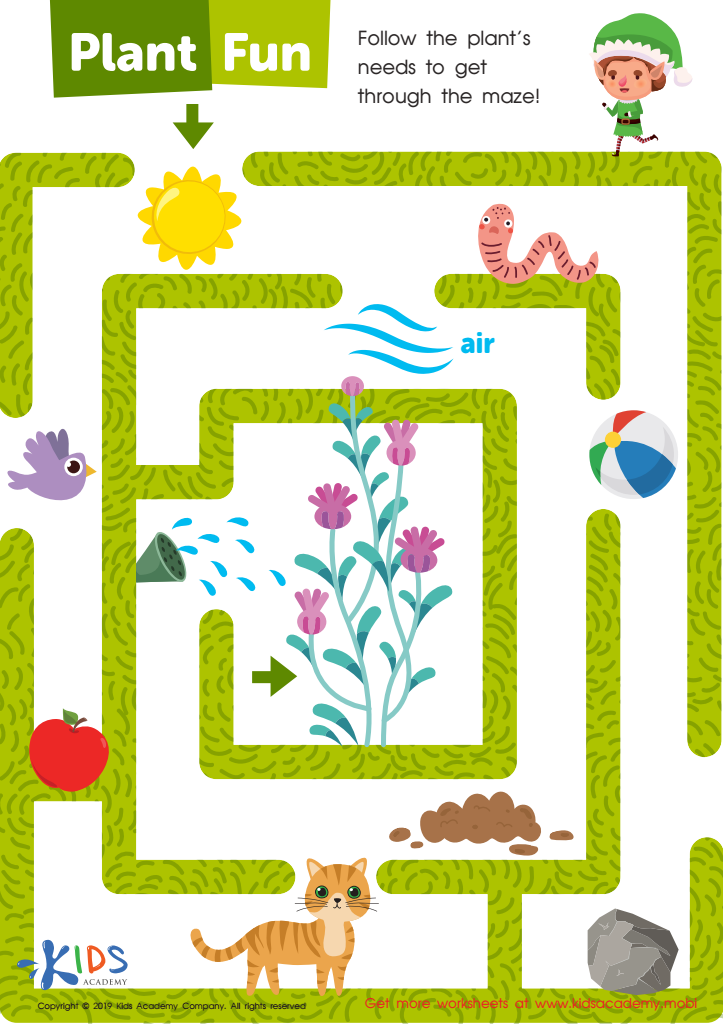
Plant Fun Worksheet
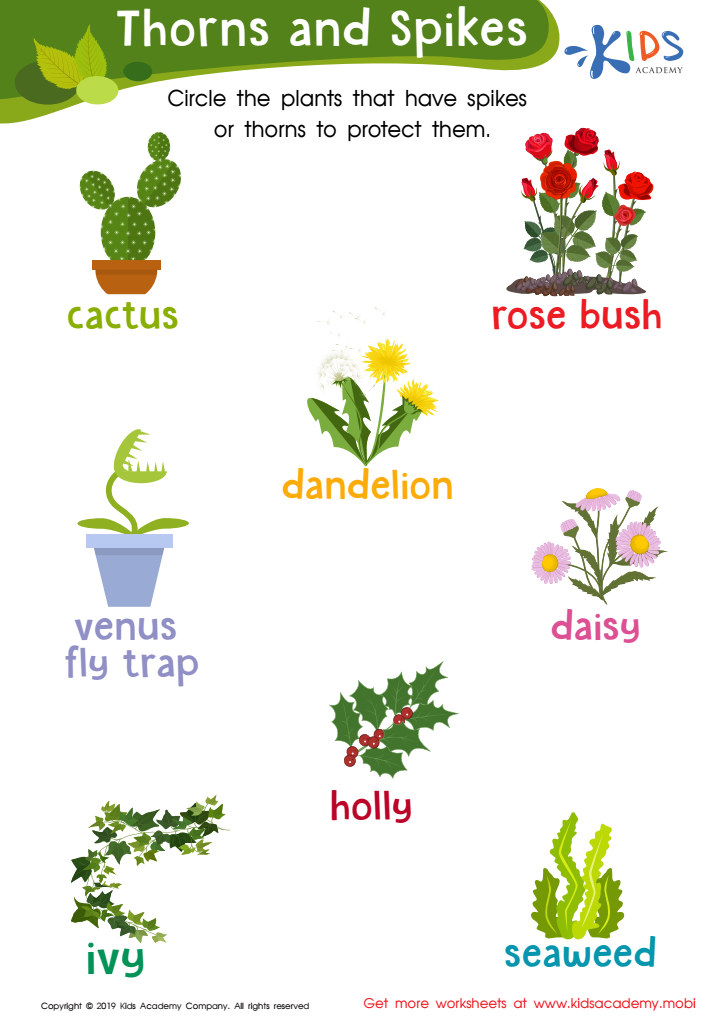
Thorns and Spikes Worksheet
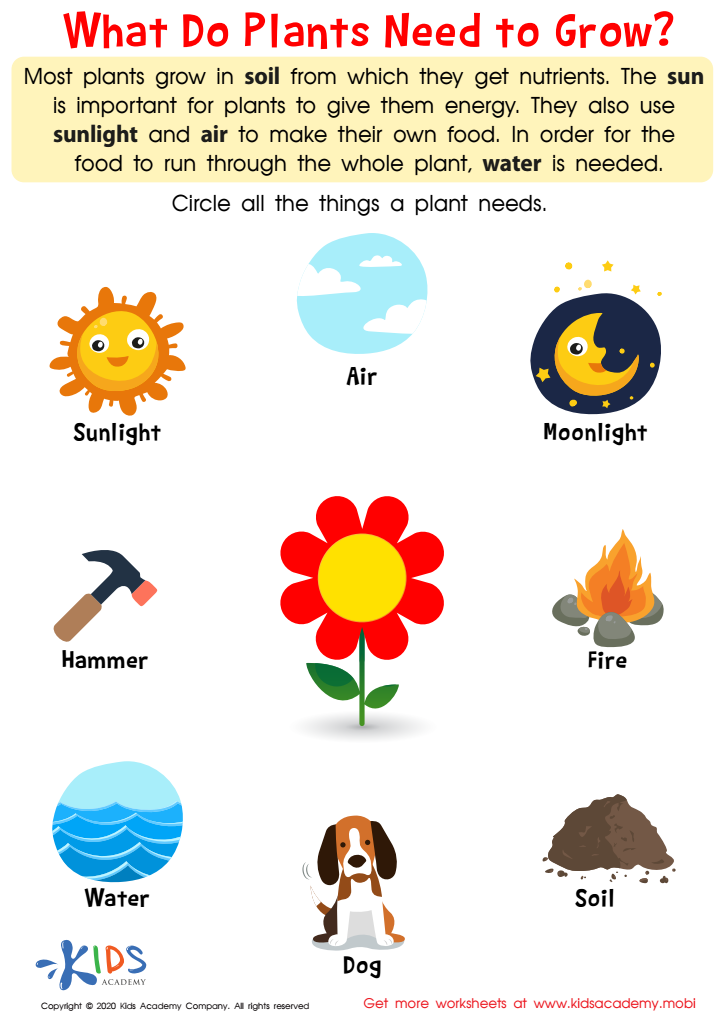
What Do Plants Need to Grow Worksheet




.jpg)



Plant identification is a valuable aspect of normal science for children aged 4-9. Firstly, it encourages curiosity and a connection with nature, fostering a lifelong appreciation for the environment. When young learners can identify common plants, they begin to understand ecosystems, biodiversity, and the importance of conservation efforts. This recognition lays the groundwork for responsible environmental stewardship.
Additionally, engaging in plant identification activities boosts observational skills and critical thinking. Children learn to observe details such as leaf shape, color, and texture, which sharpens their overall awareness and attention to detail. These skills are transferrable and beneficial across various subjects.
Plant identification also supports broader learning goals. Vocabulary development is enhanced as children learn the names and characteristics of different plants. Math skills are subtly reinforced through counting petals or measuring the size of leaves. Moreover, this activity can be incorporated into reading and storytelling, integrating science with literacy.
Social and emotional development also benefits. Collaborative identification projects can promote teamwork and communication, while the sense of accomplishment in correctly identifying plants nurtures confidence and a sense of achievement. Therefore, parents and teachers should incorporate plant identification into their educational activities to provide a well-rounded, enriching learning experience.







