Vocabulary Building Normal Science Worksheets for Ages 4-9
13 filtered results
-
From - To
Enhance your child's learning with our engaging Vocabulary Building Normal Science Worksheets designed for ages 4-9. These fun, interactive worksheets introduce young learners to essential science terminology, fostering a love for exploration and discovery. Each activity encourages vocabulary development through colorful illustrations, creative exercises, and real-world examples that spark curiosity. Ideal for both classroom use and at-home learning, our printables make complex concepts accessible and enjoyable. Whether your child is learning about plants, animals, or the elements, our worksheets provide a solid foundation in science literacy. Equip your child with the language skills they need to succeed in their early scientific journey!
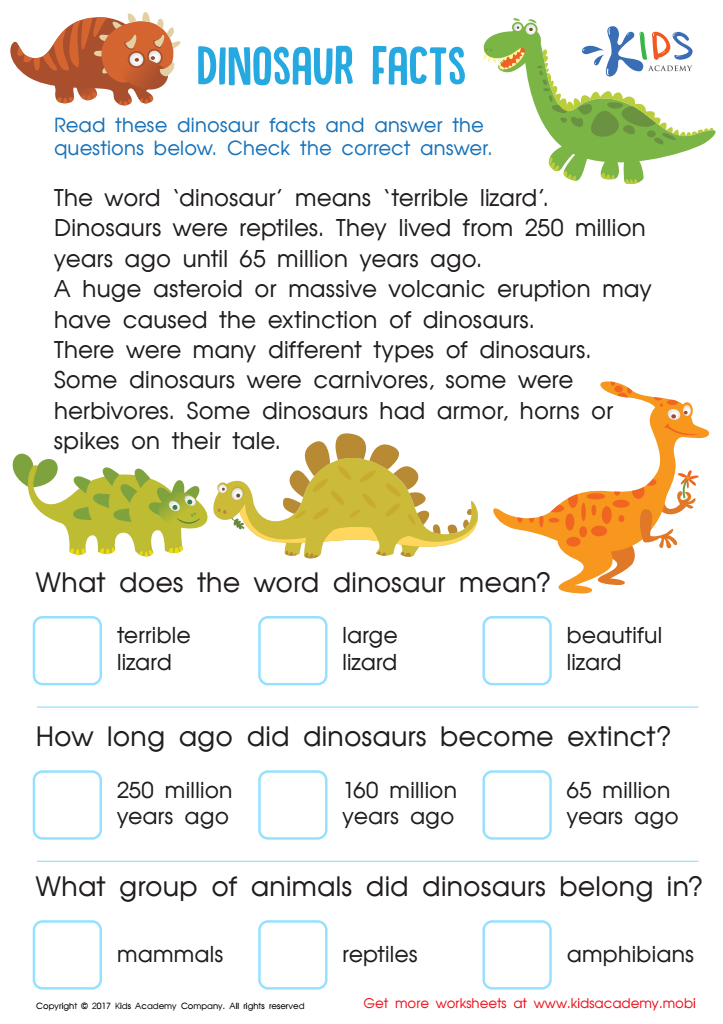
Dinosaur Facts Worksheet
 Assign to My Students
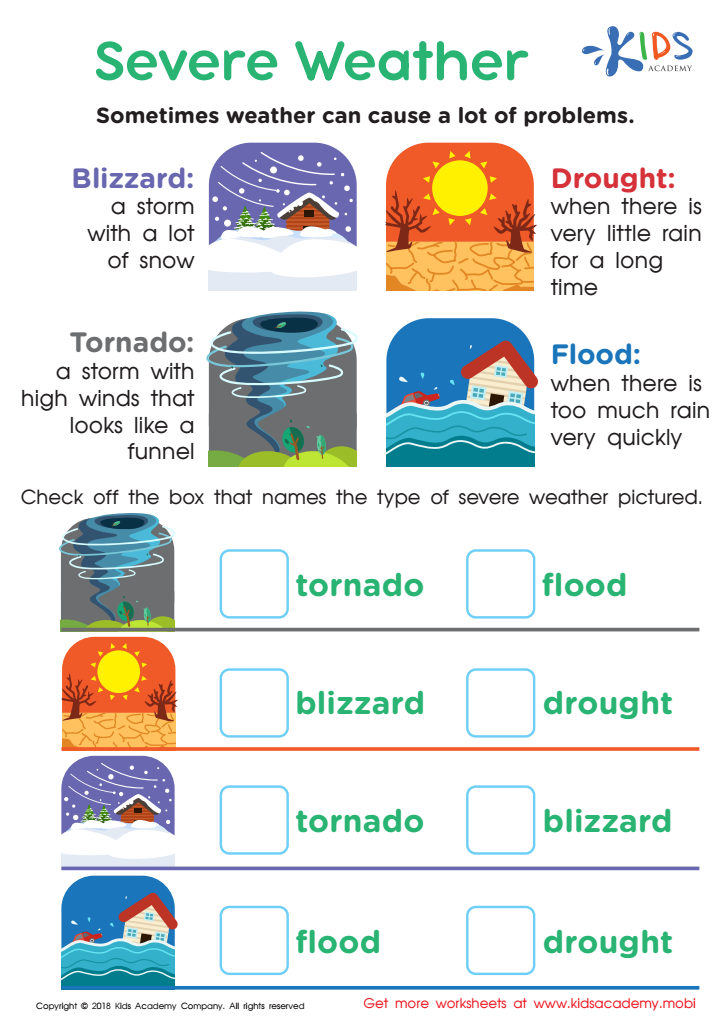
Severe Weather Worksheet
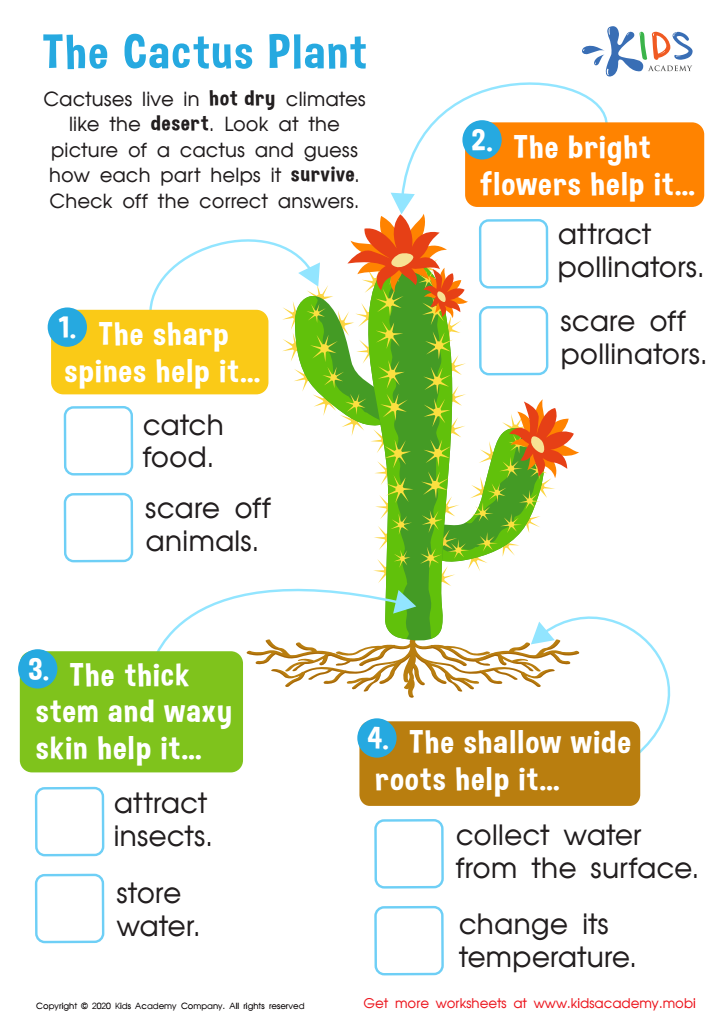
The Cactus Plant Worksheet
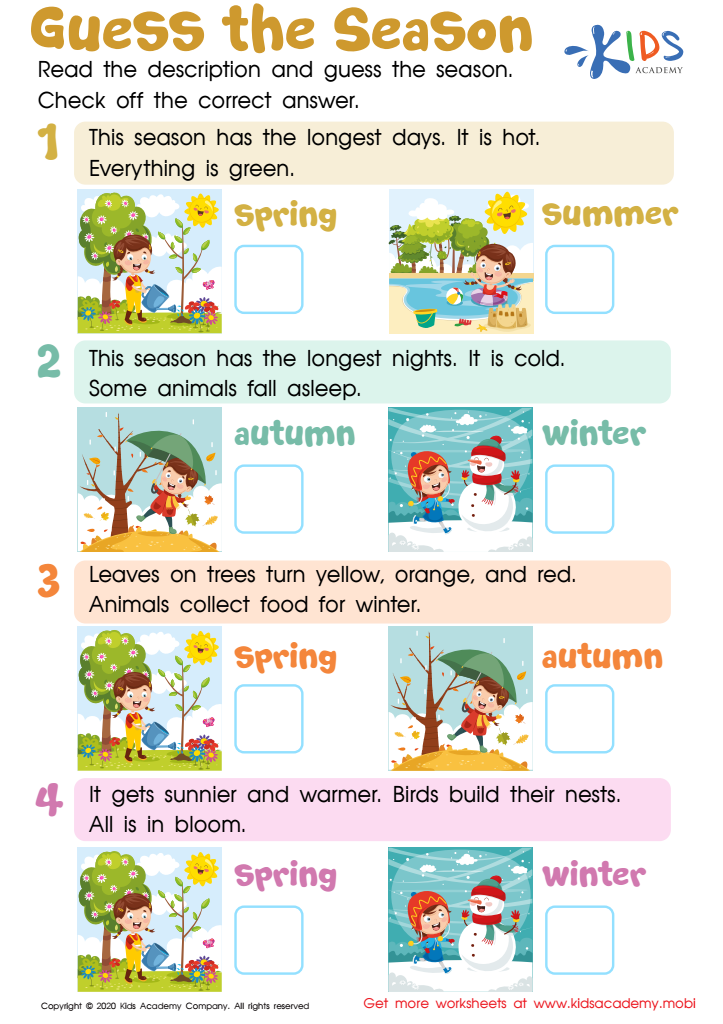
Guess the Season Worksheet
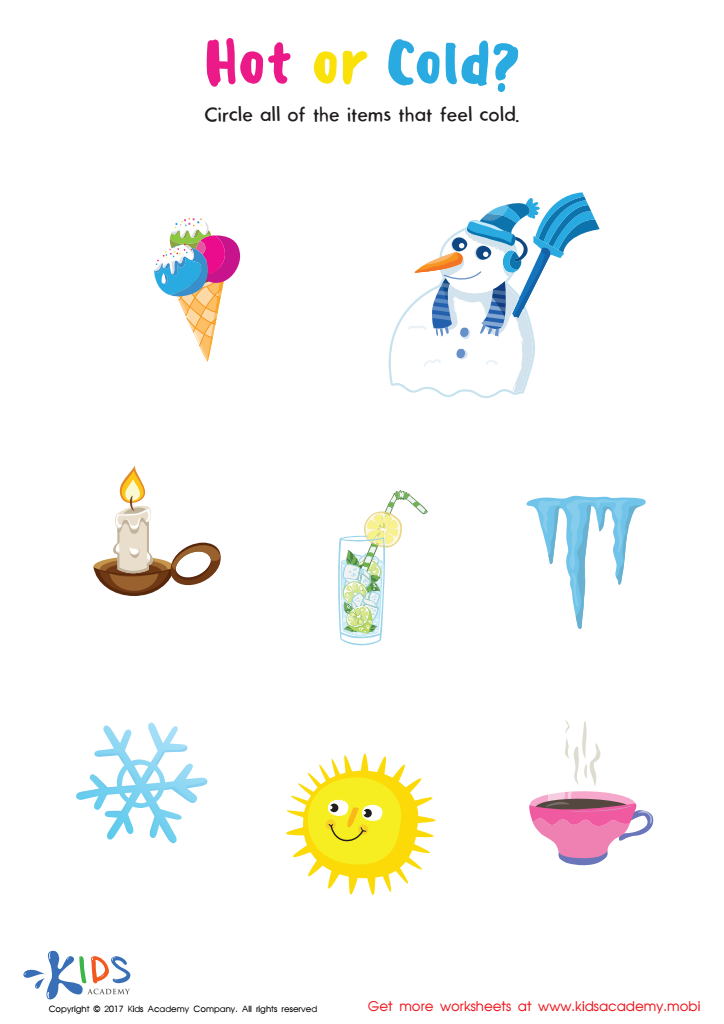
Hot or Cold Printable
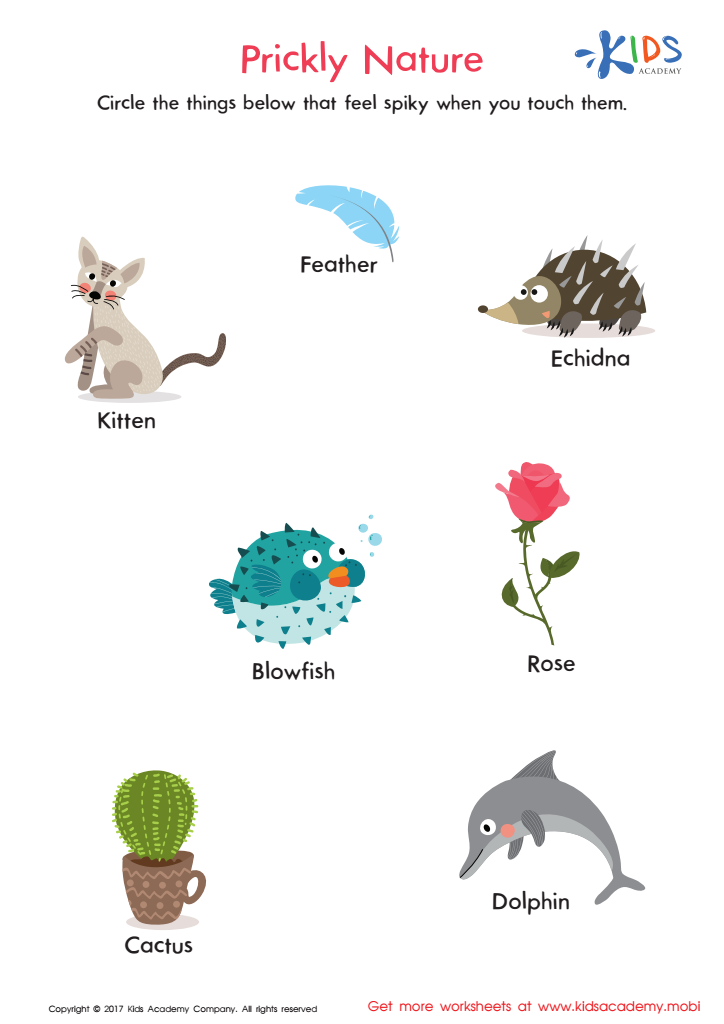
Prickly Nature Worksheet
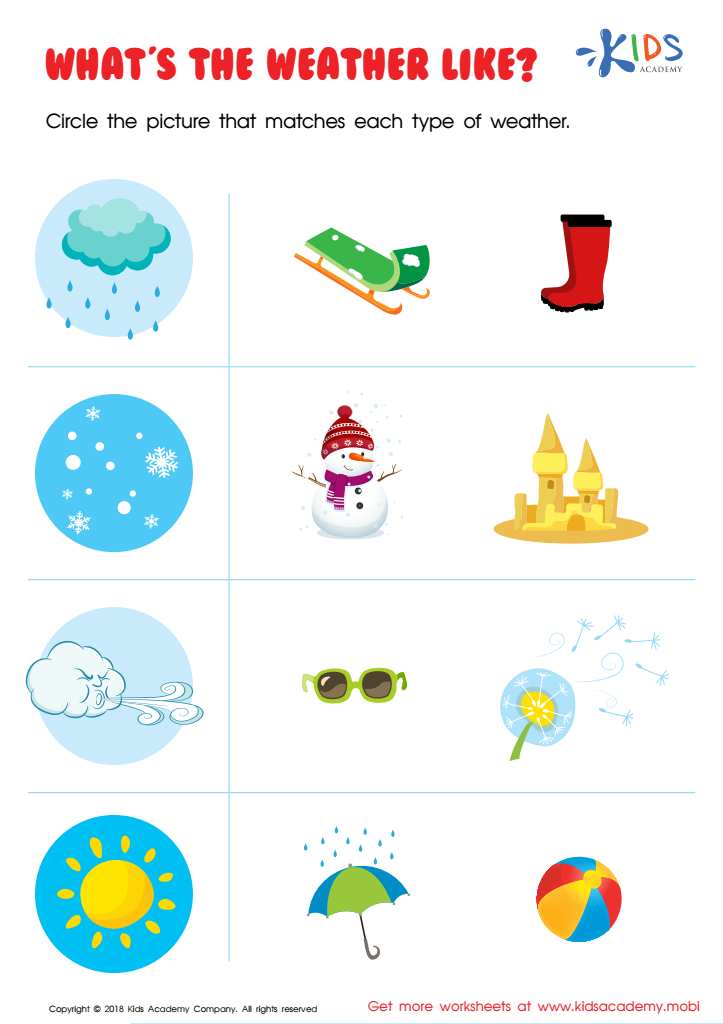
What's the Weather Like? Worksheet
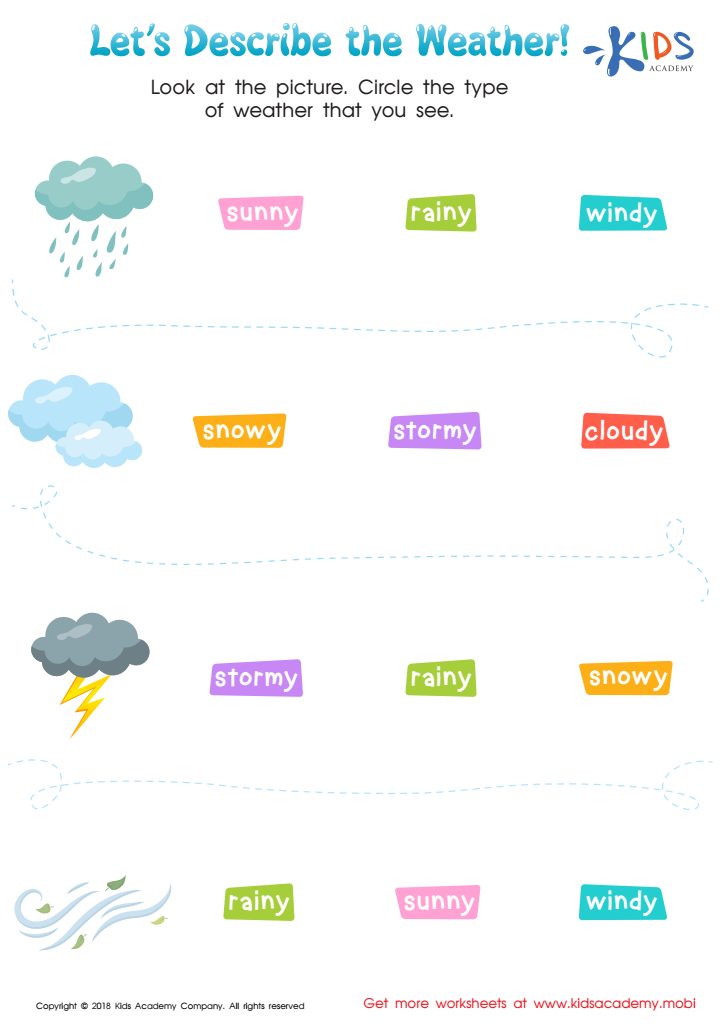
Let's Describe the Weather! Worksheet
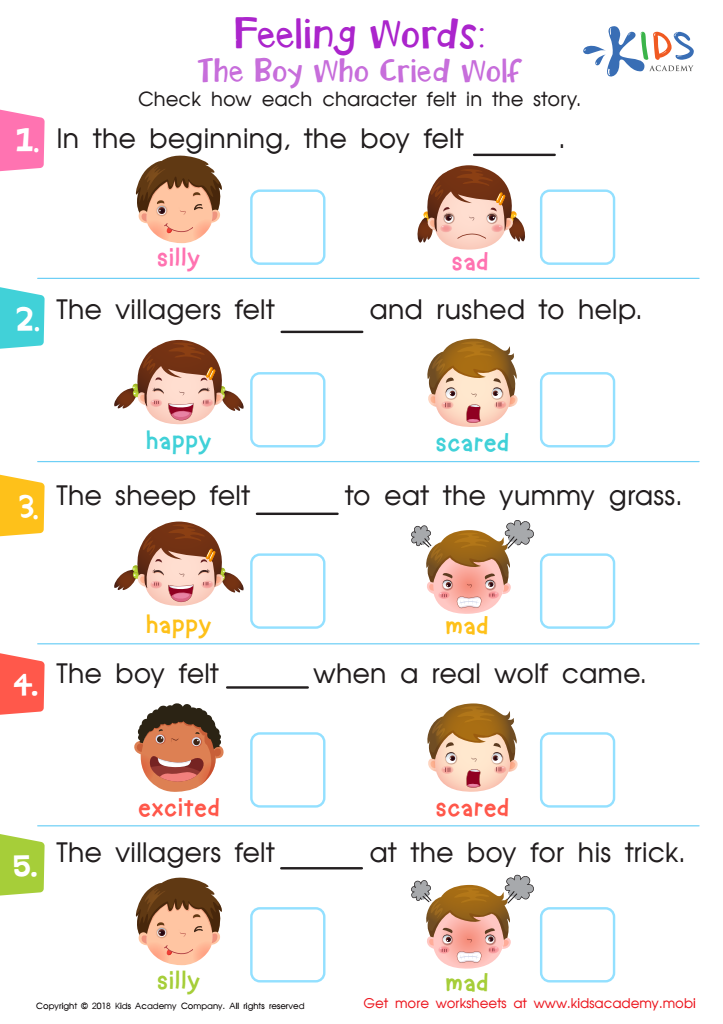
Feeling Words: The Boy Who Cried Wolf Worksheet
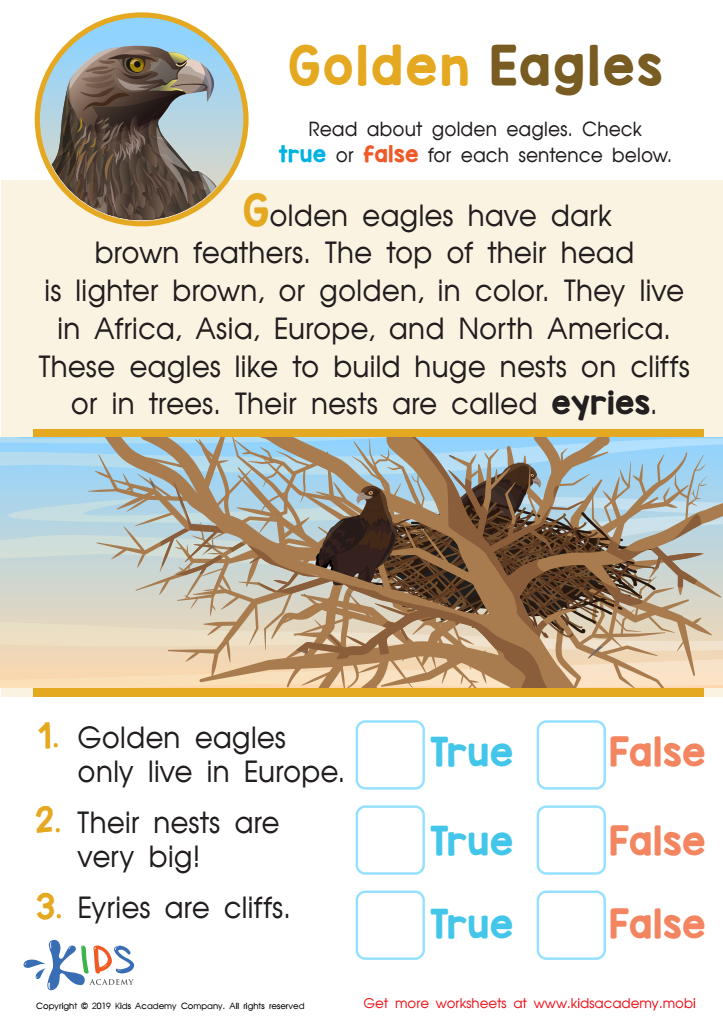
Golden Eagles Worksheet
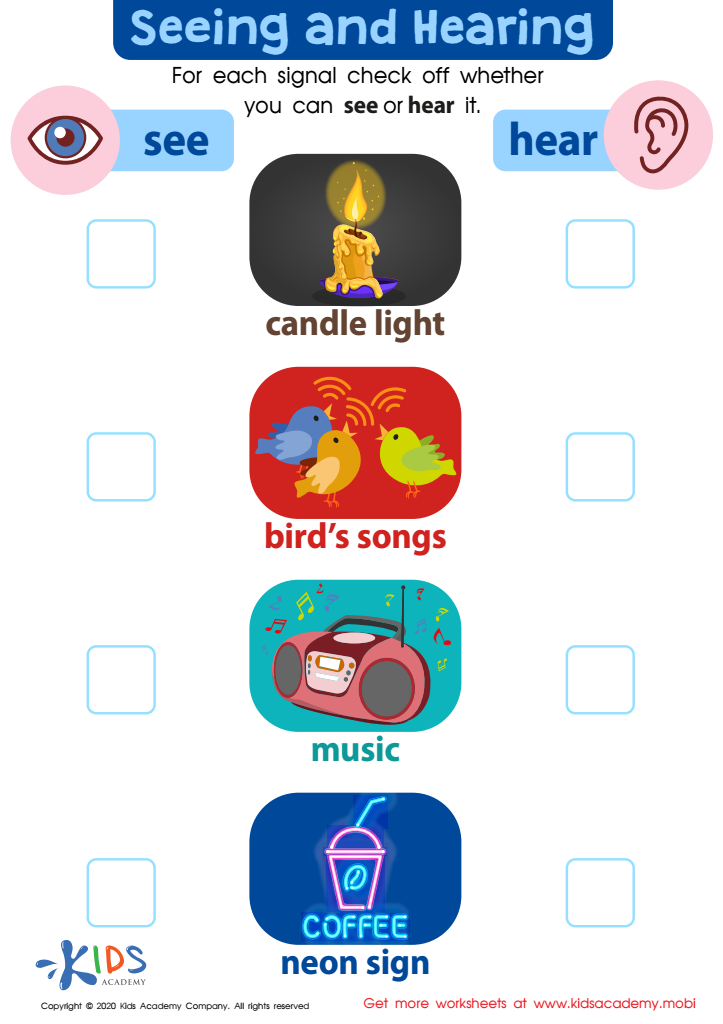
Seeing and Hearing Worksheet
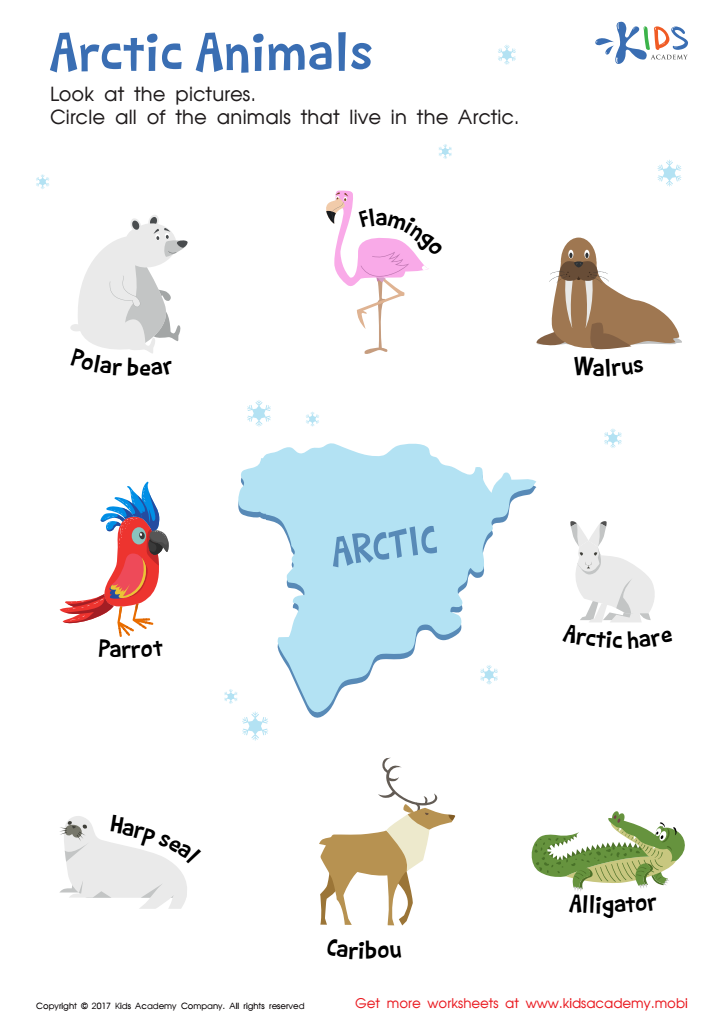
Arctic Animals Worksheet
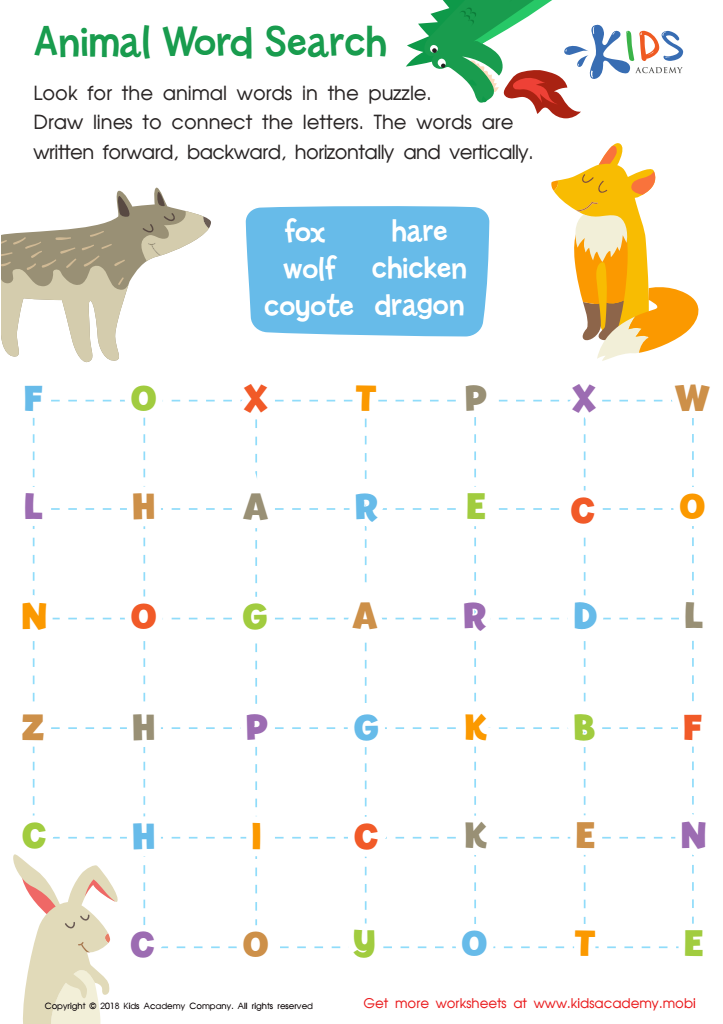
Animal Word Search Worksheet







Vocabulary building, particularly in the context of normal science, is essential for children aged 4–9 as it lays the foundation for their cognitive and academic development. During these formative years, children are rapidly acquiring language skills, and a robust vocabulary enhances their ability to express thoughts, comprehend complex concepts, and engage in conversations.
Understanding scientific vocabulary cultivates curiosity and a sense of wonder about the natural world. It enables children to internally grapple with fundamental concepts such as matter, energy, ecosystems, and physical properties, paving the way for future scientific literacy. Children with strong vocabulary skills are better equipped to follow instructions, participate in experiments, and communicate findings, fostering critical thinking and problem-solving abilities.
Moreover, vocabulary building is intrinsically linked to reading comprehension. As these young learners encounter new terms associated with normal science through books and conversations, their overall language abilities expand, significantly impacting their performance in multiple subjects. By prioritizing vocabulary development, parents and teachers empower children to engage confidently in their surroundings, nurturing not only future scientists but lifelong learners. Thus, investing in vocabulary building is a critical step in fostering an informed, inquisitive, and articulate generation.







