Enhancing observation skills Normal Plants and Animals Worksheets for Ages 4-9
5 filtered results
-
From - To
Enhance your child's observational skills with our engaging Normal Plants and Animals Worksheets, specially designed for ages 4-9. These worksheets encourage young learners to carefully examine their natural surroundings, fostering a sense of curiosity and a deeper understanding of plants and animals. Through fun activities and interactive exercises, children will practice identifying different species, exploring their unique characteristics, and applying critical thinking skills. Our thoughtfully crafted resources promote early scientific learning while ensuring that your child is entertained and motivated. Give your little ones the tools they need to explore the fascinating world of nature while developing essential observational skills!
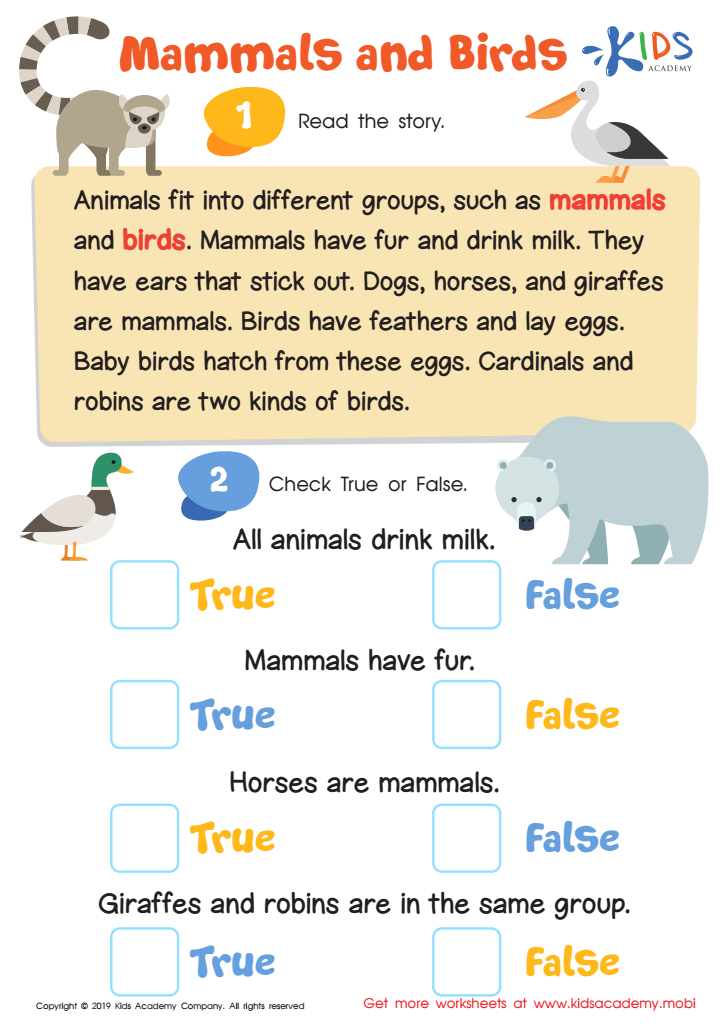
Mammals and Birds Worksheet
 Assign to My Students
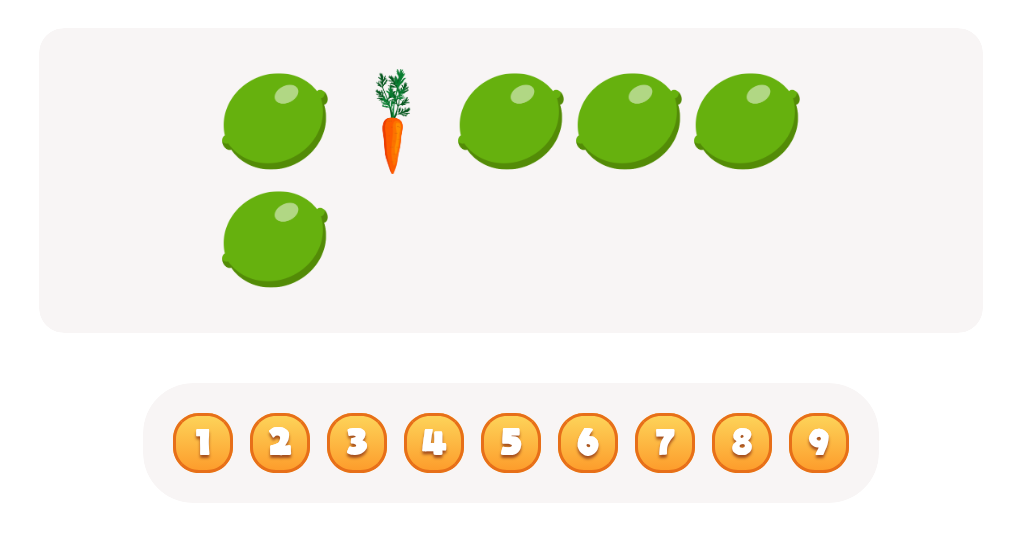

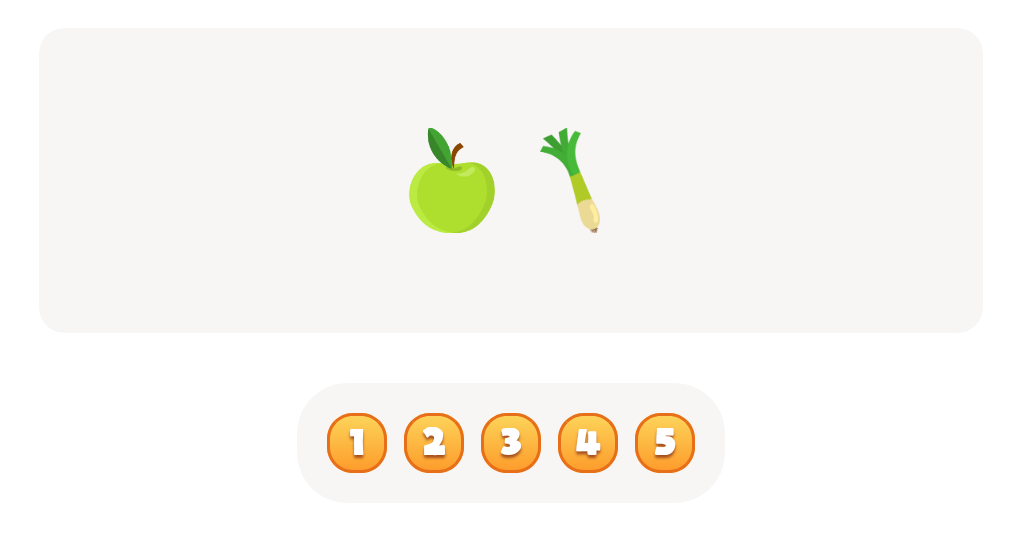
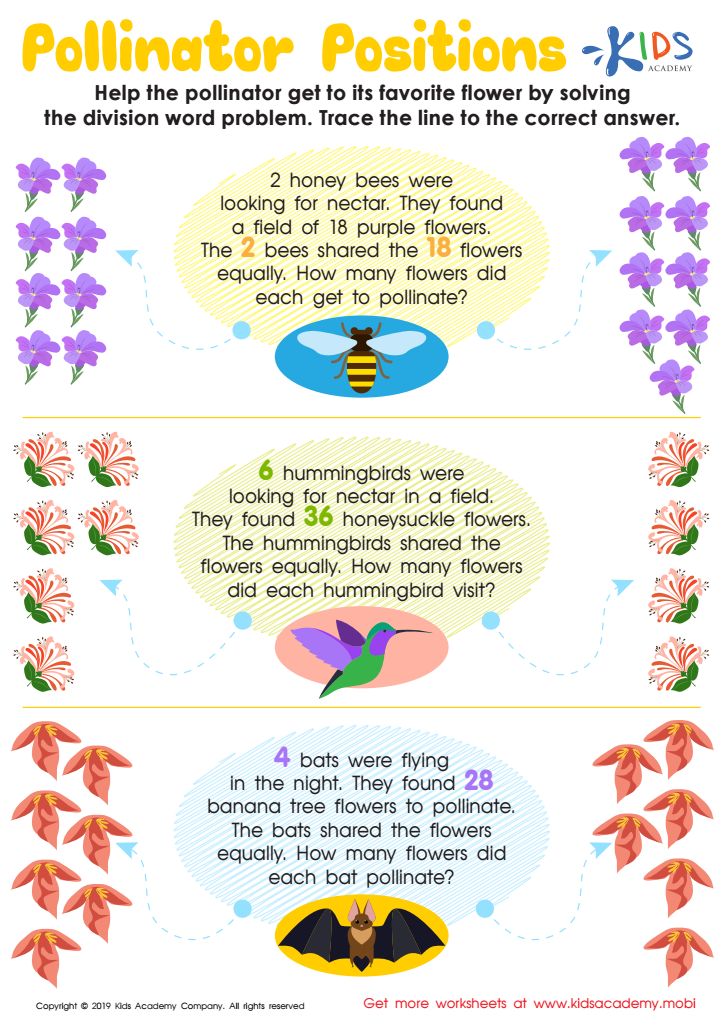
Pollinator Positions Worksheet
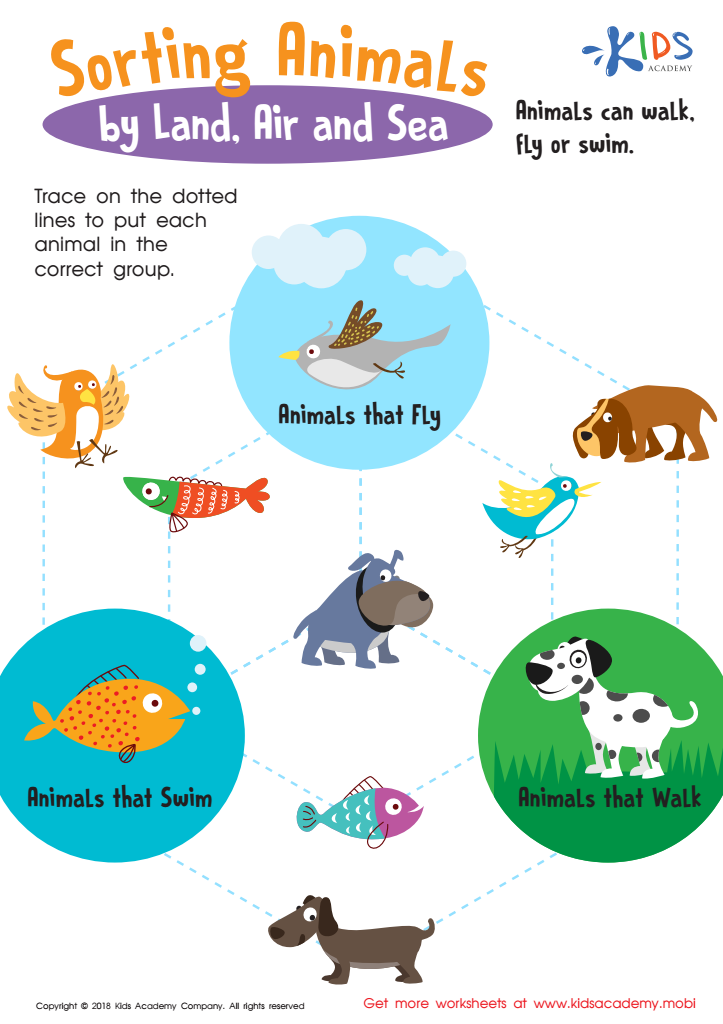
Sorting Animals by Land, Air and Sea Worksheet
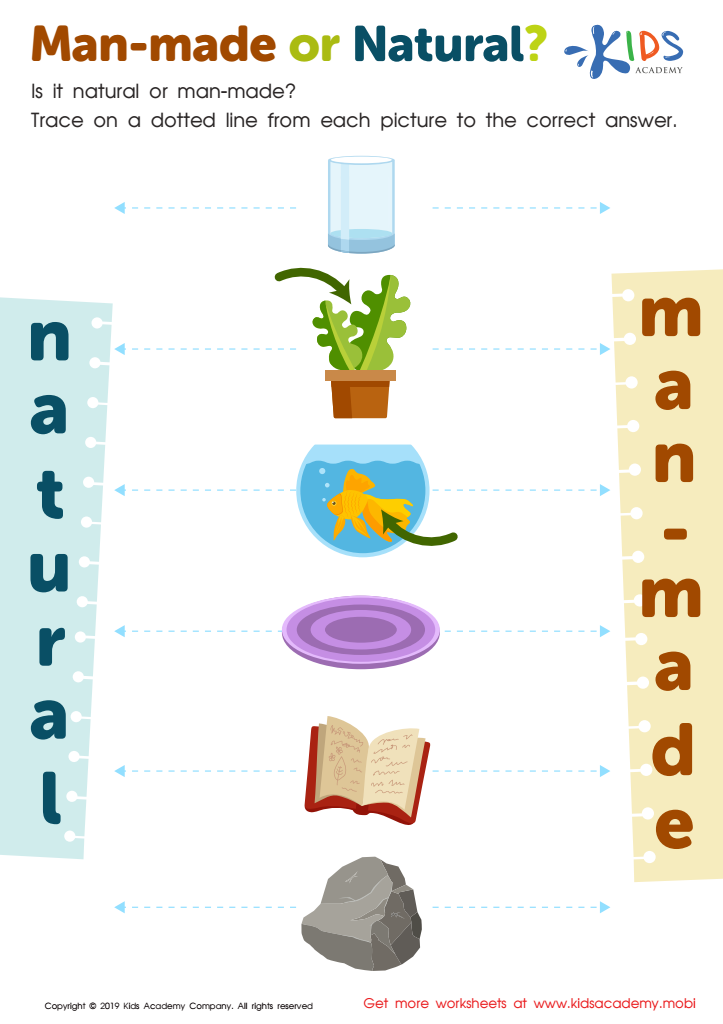
Man-Made or Natural? Worksheet
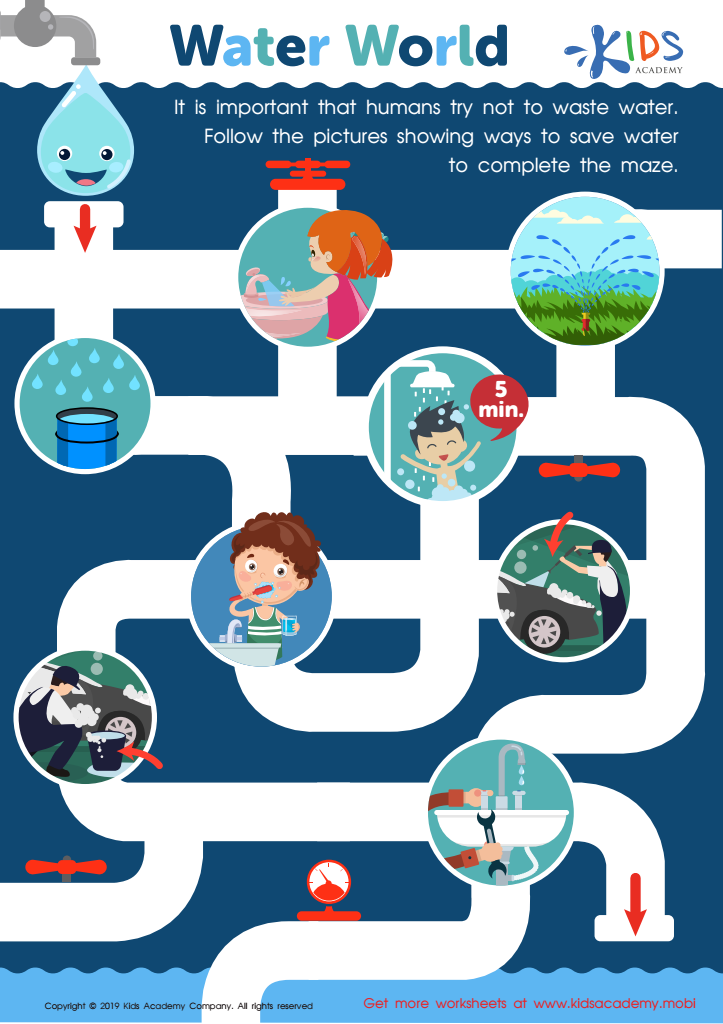
Water World Worksheet







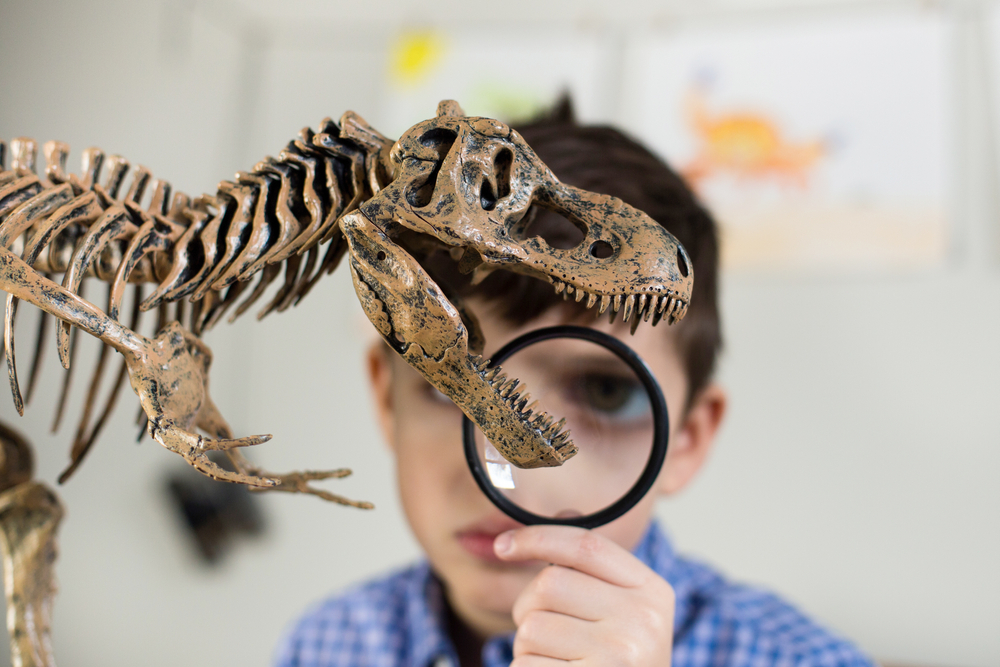
Enhancing observation skills in young children, particularly regarding normal plants and animals, is critical for their holistic development. For parents and teachers, fostering these skills provides invaluable opportunities for children to engage deeply with their environment, promoting curiosity and a love for nature. When children learn to observe closely, they develop critical thinking skills, as they must ask questions and draw conclusions based on their observations.
At ages 4-9, children are naturally inquisitive and have a keen interest in the world around them. Encouraging them to observe plants and animals enhances their sensory awareness and helps refine their cognitive abilities. It fosters essential life skills such as patience, attention to detail, and empathy towards living beings, forming a foundational respect for nature.
Furthermore, observing normal plants and animals can serve as a springboard for interdisciplinary learning, spanning topics in science, math, art, and language. Parents and teachers influence this process by creating engaging, hands-on experiences that spark discussions and shared explorations outside the classroom. By prioritizing observation skills, we are equipping children with tools to understand and navigate their environment, ultimately enriching their educational journey and contributing to their lifelong skills as informed, responsible citizens.