Vocabulary Building Normal Plants and Animals Worksheets for Ages 4-9
5 filtered results
-
From - To
Our engaging "Vocabulary Building Normal Plants and Animals Worksheets for Ages 4-9" are designed to enrich young learners' understanding of the natural world. Featuring vibrant illustrations and captivating activities, these worksheets help children identify and describe various plants and animals. Through interactive exercises, kids will enhance their vocabulary, improve reading skills, and develop a deeper appreciation for nature. Perfect for both classroom and at-home learning, our worksheets support fundamental science education while making it fun and accessible. These resources lay the groundwork for future scientific exploration, ensuring a well-rounded early educational experience. Download now to inspire young minds!
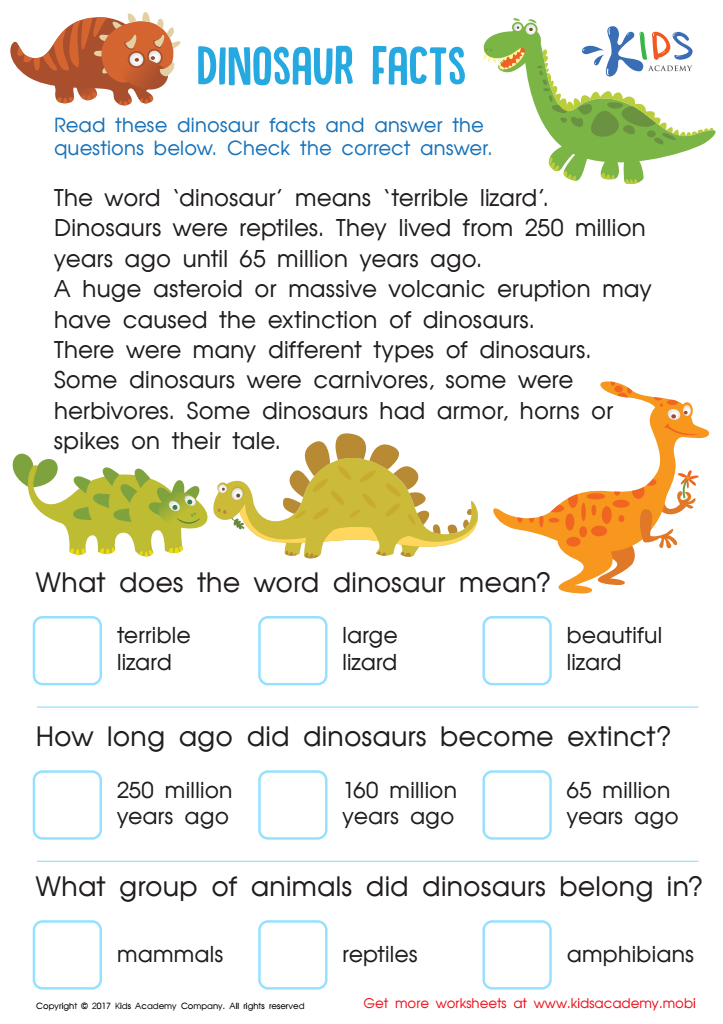
Dinosaur Facts Worksheet
 Assign to My Students











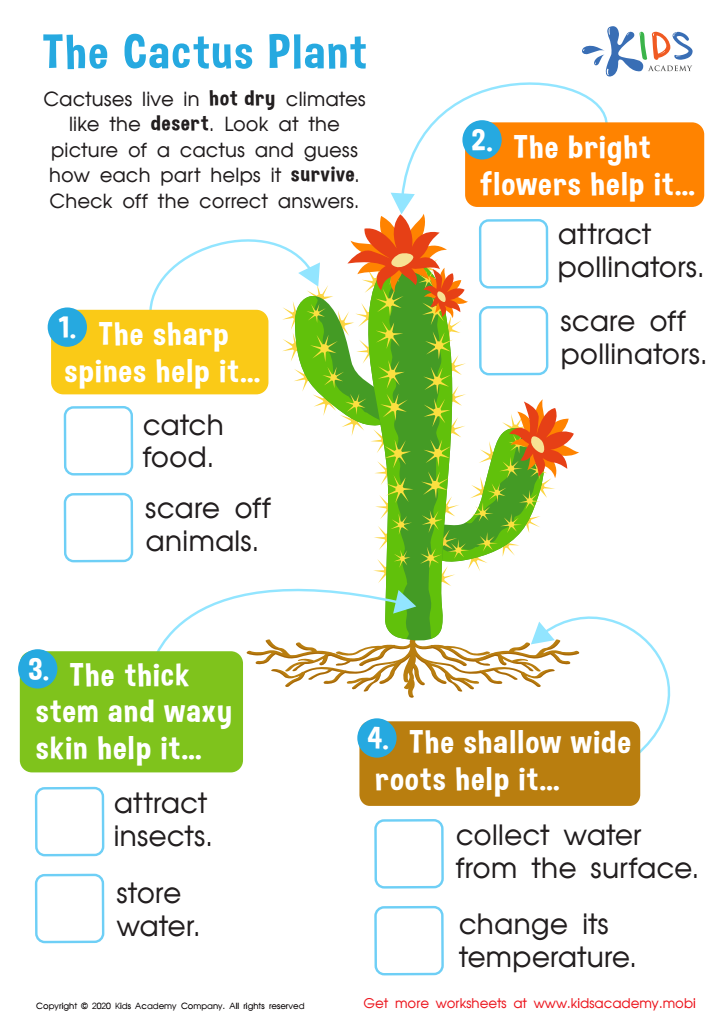
The Cactus Plant Worksheet
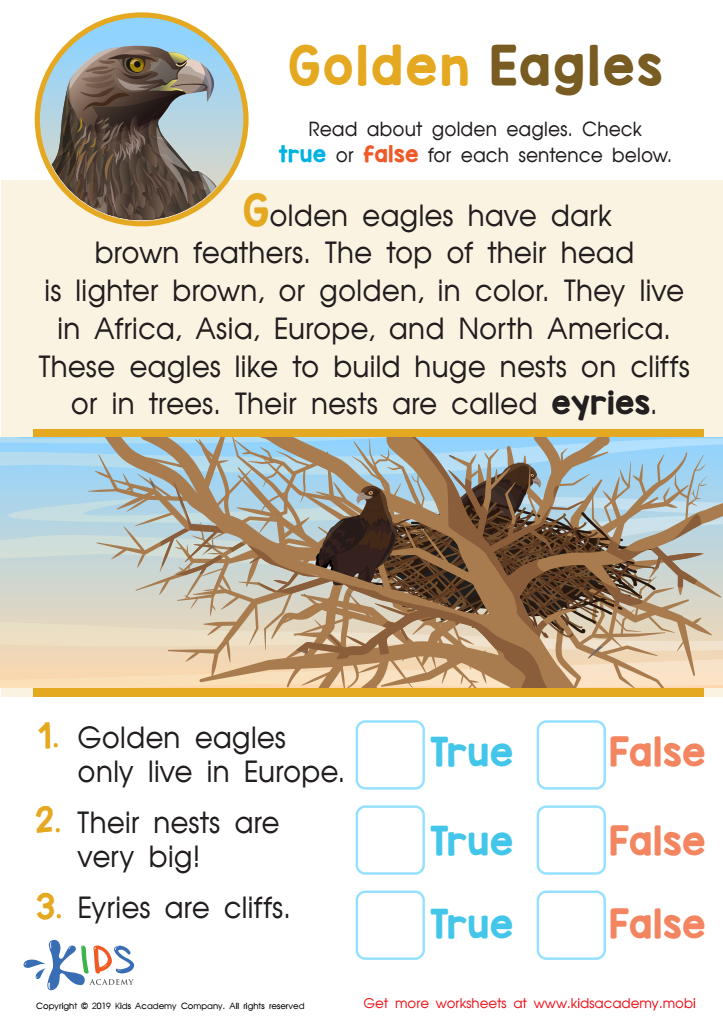
Golden Eagles Worksheet
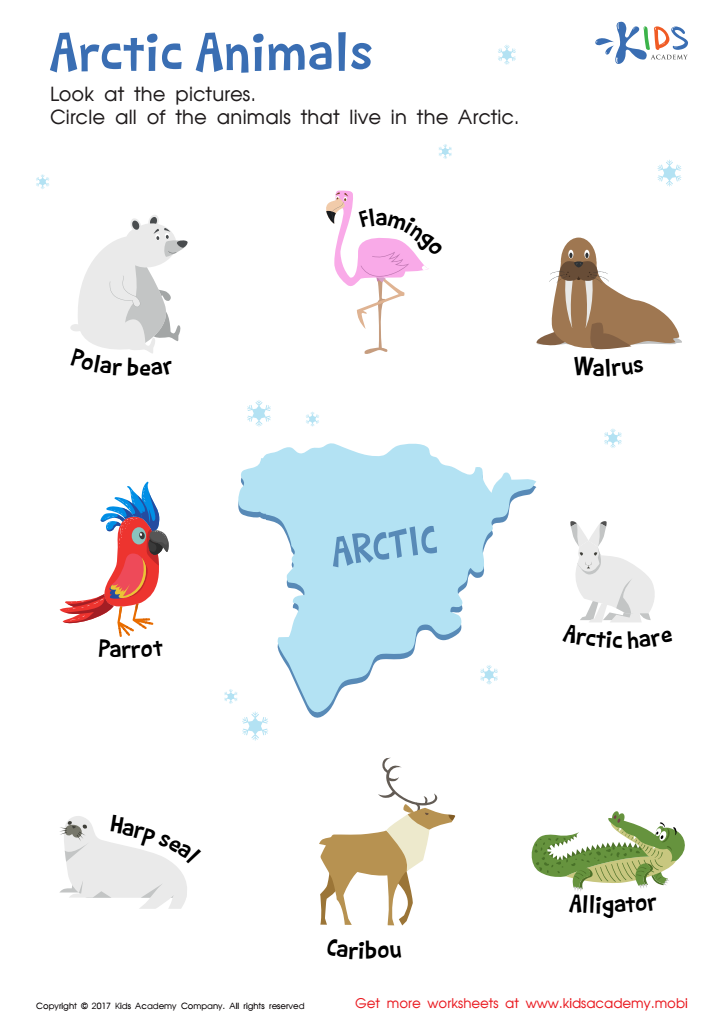
Arctic Animals Worksheet
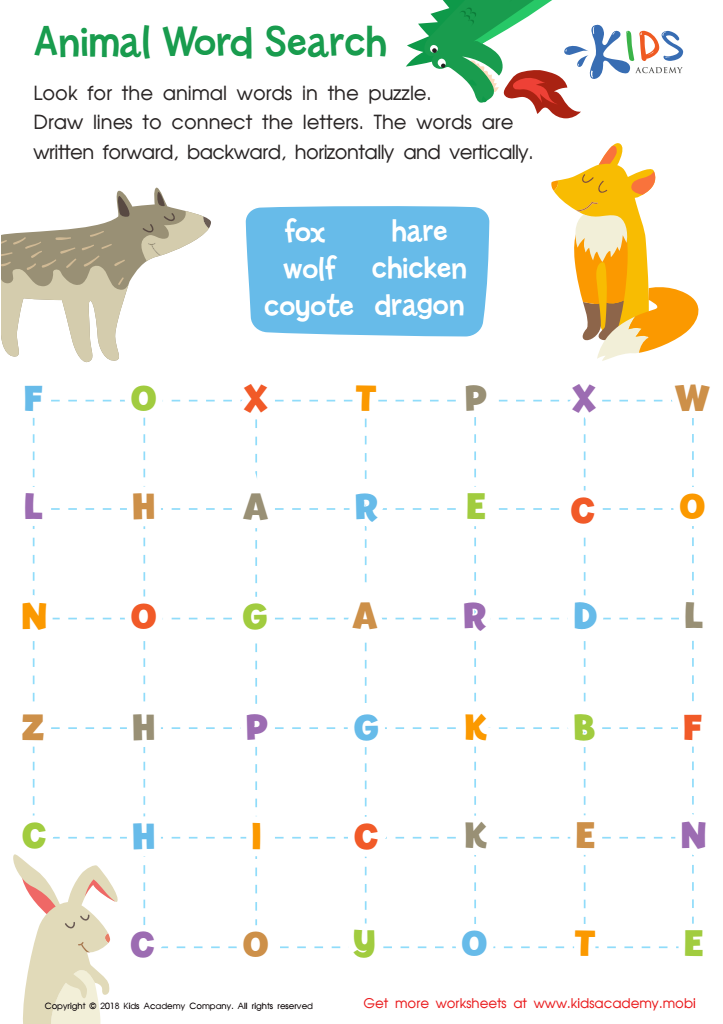
Animal Word Search Worksheet







Vocabulary building focused on normal plants and animals is crucial for ages 4-9 because it lays a strong foundation for literacy and life-long learning. Introducing children to a rich and varied vocabulary helps improve their communication skills, comprehension, and cognitive abilities. When children learn specific terms related to plants and animals, they not only develop language proficiency but also gain an appreciation of the natural world, fostering curiosity and scientific interest.
At this young age, children are highly receptive and eager to explore their surroundings. Understanding the names, characteristics, and roles of common plants and animals strengthens their ability to categorize and make sense of the environment around them. It encourages observational skills and critical thinking, as they learn to differentiate and relate not just words but also concepts, habits, and interdependencies in ecosystems.
Moreover, vocabulary related to nature can be reinforced through engaging stories, outdoor activities, and hands-on experiences, making learning effective and fun. For parents and teachers, this early focus on vocabulary not only supports academic achievement but also nurtures a bond between children and the natural world, promoting environmental stewardship from a young age. Thus, investing time and effort in vocabulary building about normal plants and animals is both educational and invaluable for holistic child development.







