Map reading Normal Geography Worksheets for Ages 4-9
3 filtered results
-
From - To
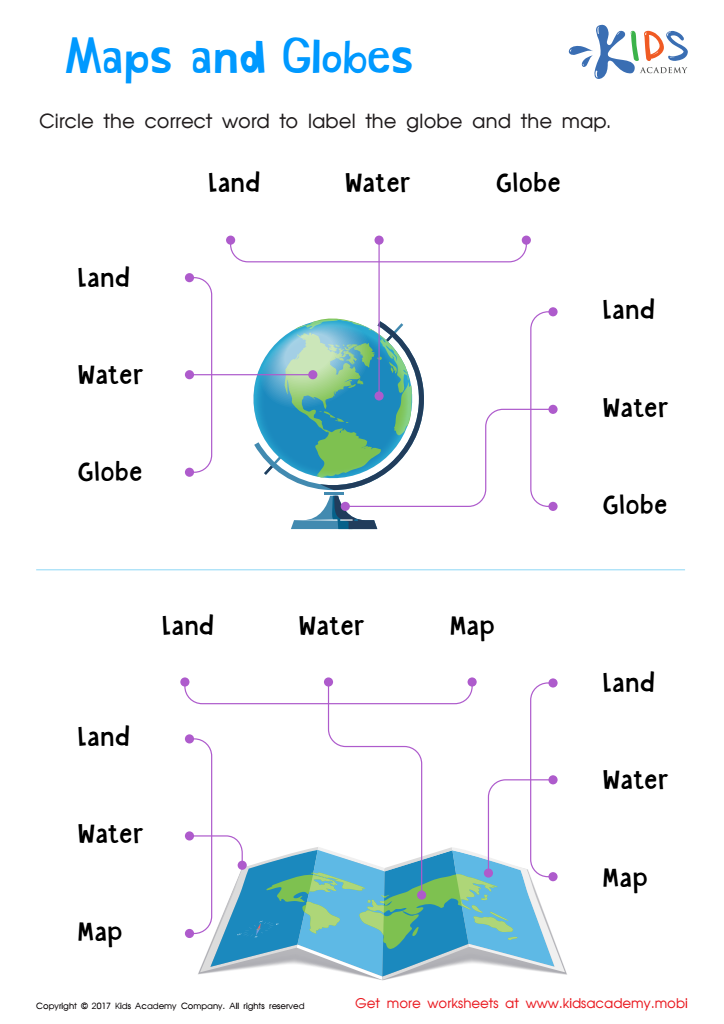
Discover our engaging "Map Reading Normal Geography Worksheets" designed specifically for children aged 4-9. These interactive worksheets provide a fun and educational way for young learners to explore essential map reading skills. Through vibrant illustrations and age-appropriate activities, kids will develop essential geographic concepts, including navigation, symbols, and directional awareness. Our resources encourage critical thinking and enhance spatial understanding, making geography both accessible and enjoyable. Perfect for classroom use or at-home learning, these worksheets support early childhood education by fostering curiosity about the world around them. Start your child’s adventure in geography today with our specially crafted map reading resources!
 Assign to My Students
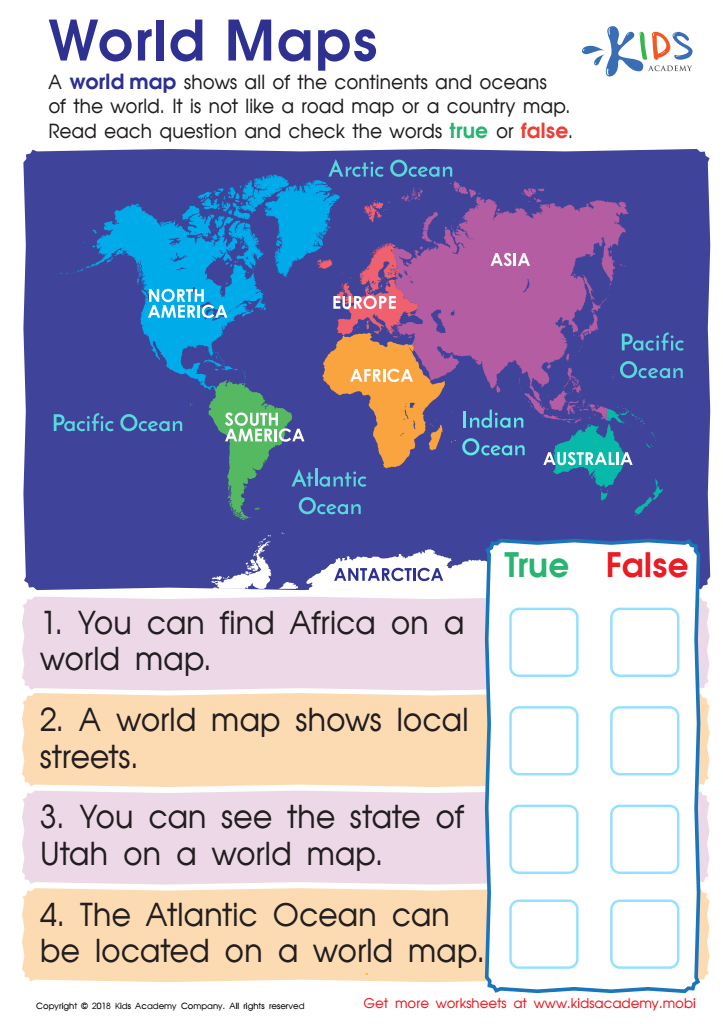
World Maps Worksheet
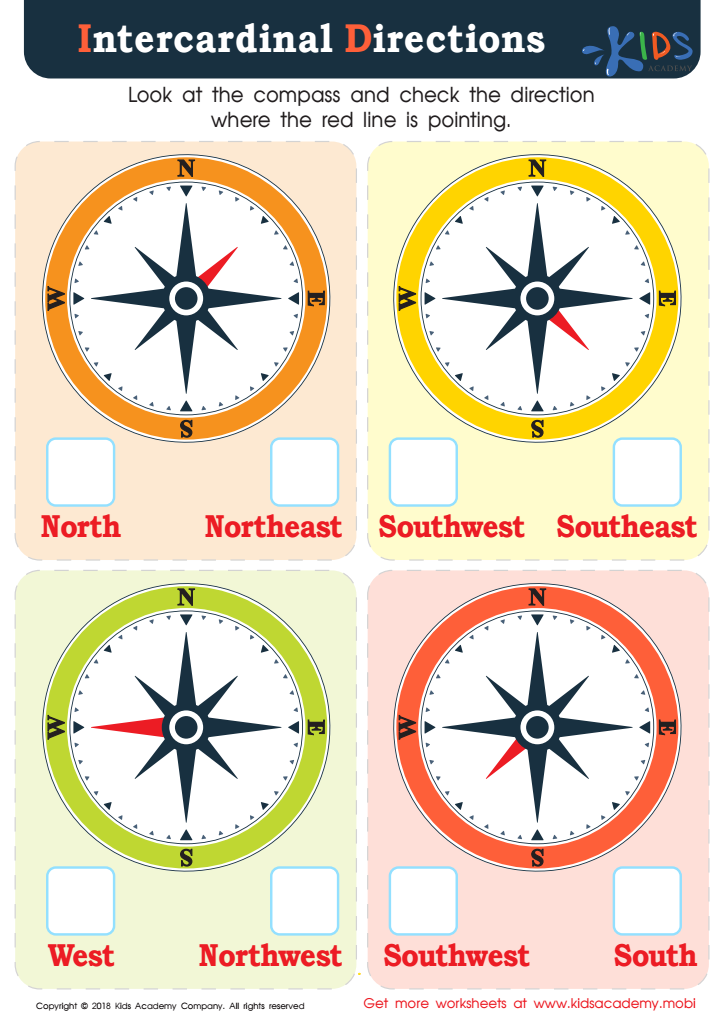
Intercardinal Directions Worksheet




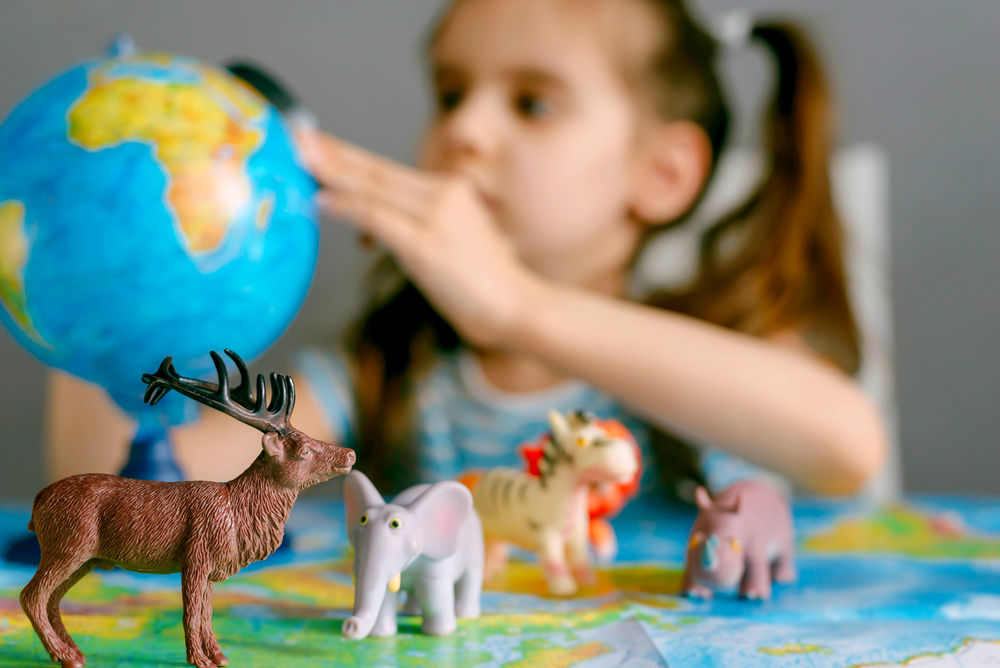


Map reading and basic geography skills are essential for children aged 4-9 for several reasons. First, these skills foster spatial awareness, allowing young learners to understand their surroundings, navigate efficiently, and visualize connections between places. This early knowledge serves as a foundation for more advanced geographical concepts as they grow.
Moreover, map reading encourages critical thinking and problem-solving abilities as children interpret symbols, analyze routes, and relate them to real-life contexts. These skills improve their cognitive development and enhance their ability to make decisions on the go.
Additionally, understanding geography instills a sense of global citizenship. As children learn about different places, cultures, and environments, they develop an appreciation for diversity and the interconnectedness of our world. This promotes empathy and respect for different ways of life.
Lastly, mastering map reading and geography can ignite curiosity in young minds. Teachers and parents play a vital role in providing engaging activities and experiences, such as outdoor explorations and interactive games, that cement these important skills. By fostering map reading and geography knowledge, parents and teachers empower children to become informed, thoughtful, and engaged members of their communities and the world at large.