Enhancing observation skills Normal Social Studies Worksheets for Ages 4-9
3 filtered results
-
From - To
Enhance your child's observation skills with our engaging Normal Social Studies Worksheets designed for ages 4-9. These interactive worksheets focus on developing keen observation abilities through fun activities that encourage critical thinking and analytical skills. Ideal for early learners, our resources incorporate colorful visuals and relatable scenarios, helping children connect with their surroundings. By navigating various exercises, children will learn to identify patterns, recognize differences, and make connections in their social environments. Perfect for classroom use or at-home learning, these worksheets provide an essential foundation for your child's cognitive development in social studies and beyond. Start fostering a sharp, observant learner today!
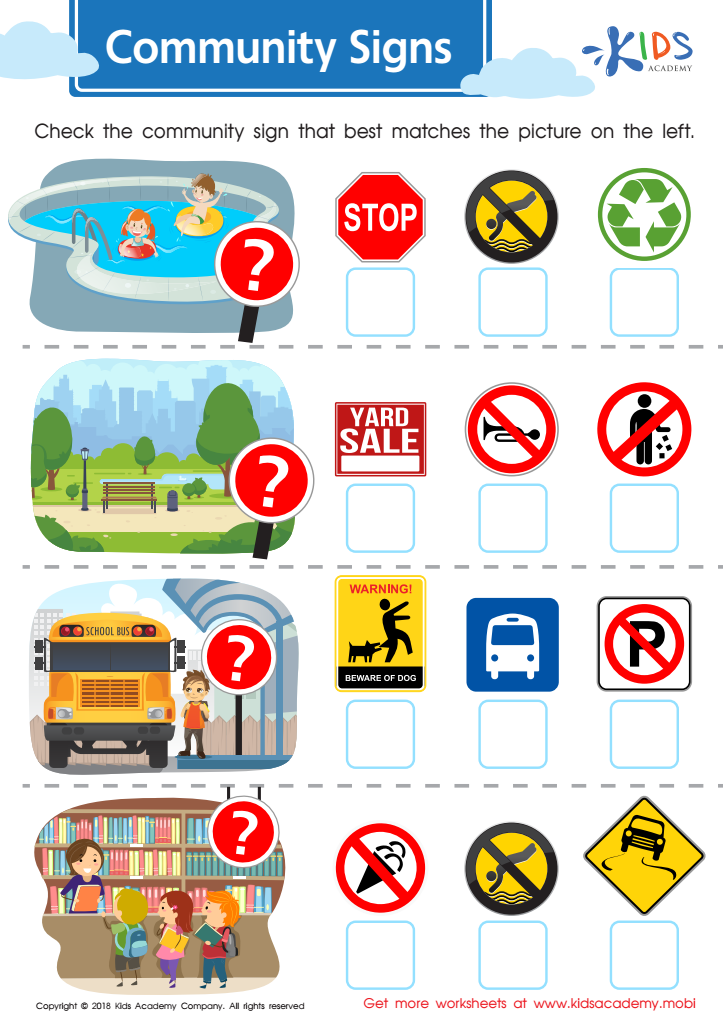
Community Signs Worksheet
 Assign to My Students
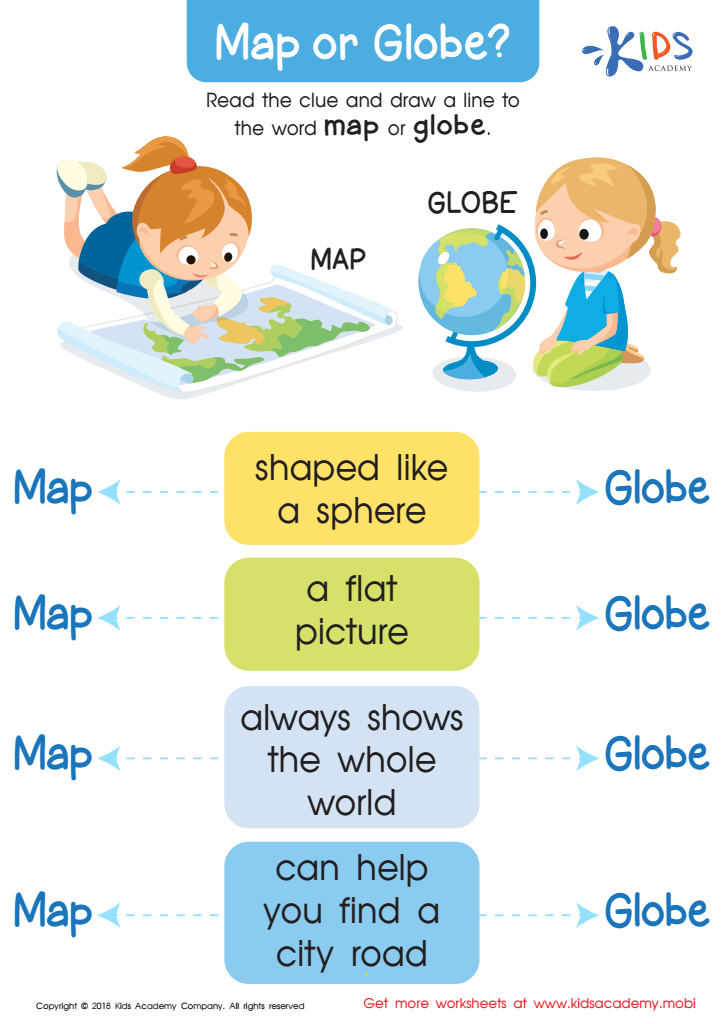
Map or Globe? Worksheet
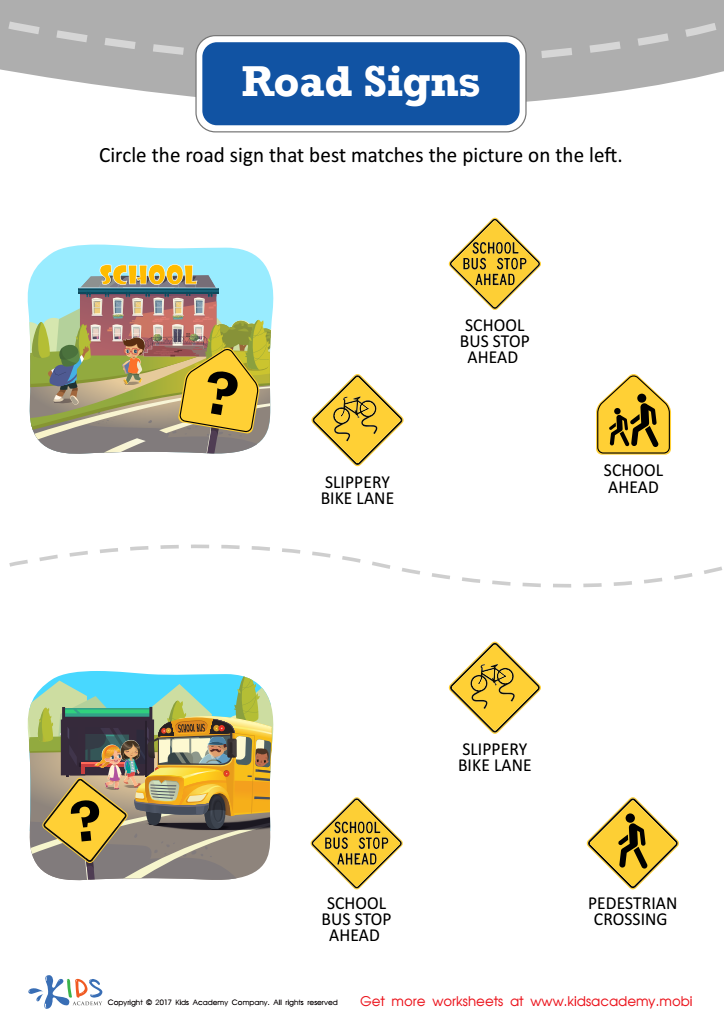
Road Signs (Part 1) Worksheet


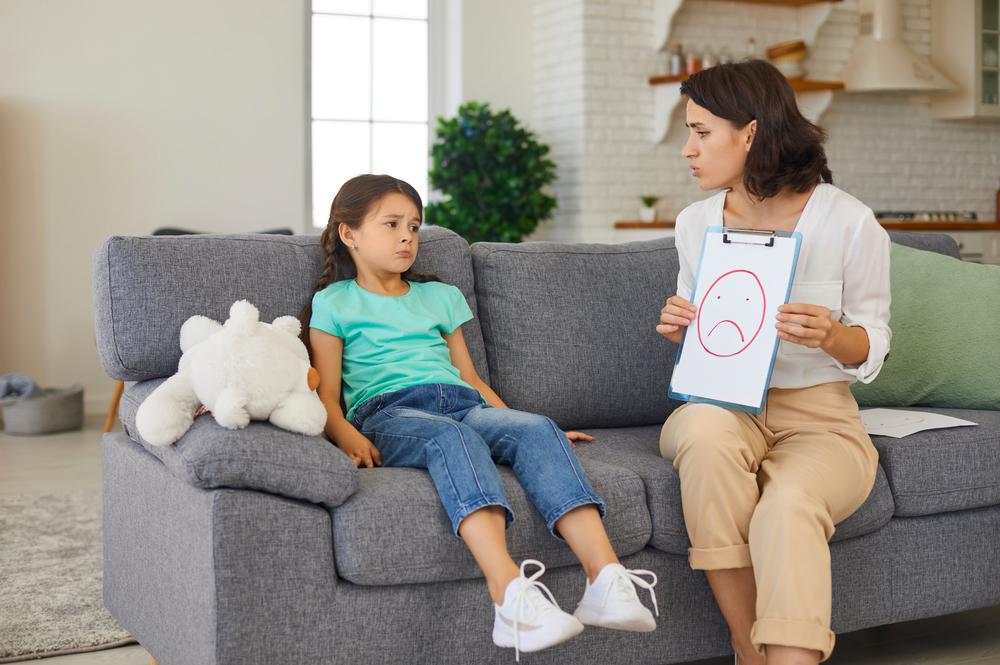



Enhancing observation skills in young children, especially in the domain of Social Studies, is vital for fostering a deeper understanding of the world around them. Parents and teachers should prioritize this aspect of learning for several reasons. First, keen observation enables children to notice details in their environment, social interactions, and cultural contexts, laying the foundation for critical thinking and problem-solving skills. By honing these skills, children become more engaged learners, cultivating curiosity and a love for exploration.
Moreover, strong observation skills promote empathy and understanding of diversity. As children observe different cultures, traditions, and social behaviors, they learn to appreciate and respect differences in their peers and the world at large. This cultural competency is essential in our increasingly interconnected society.
Furthermore, enhanced observation skills help improve communication abilities. When children learn to articulate what they see, feel, and think, they become better collaborators and communicators. This is particularly relevant in group activities, where sharing insights leads to a richer learning experience.
In summary, supporting the development of observation skills in young learners is crucial for their academic success and personal growth, ultimately preparing them to be informed, compassionate, and engaged citizens.