Alphabet familiarity Normal Alphabet Worksheets for 4-Year-Olds
7 filtered results
-
From - To
Discover fun and engaging "Alphabet Familiarity Normal Alphabet Worksheets" designed specifically for 4-year-olds! These worksheets provide a delightful way for young learners to explore letters, enhancing recognition and understanding. Children will engage in a variety of activities that promote letter identification, association with sounds, and tracing skills. Our user-friendly sheets not only make learning enjoyable but also foster fine motor skills necessary for writing. Ideal for homeschooling, classroom activities, or supplementary practice at home, these printable worksheets provide a solid foundation in literacy. Start your child's alphabet journey today and help them build confidence in their reading skills with our expertly crafted resources!
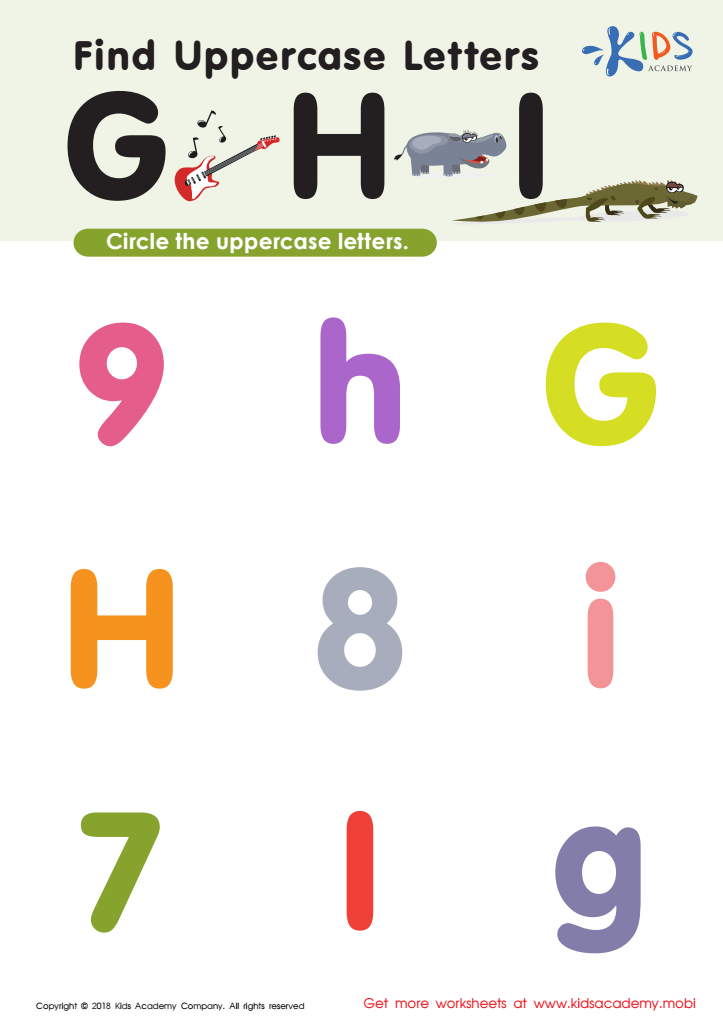
Find Uppercase Letters G, H, and I Worksheet
 Assign to My Students
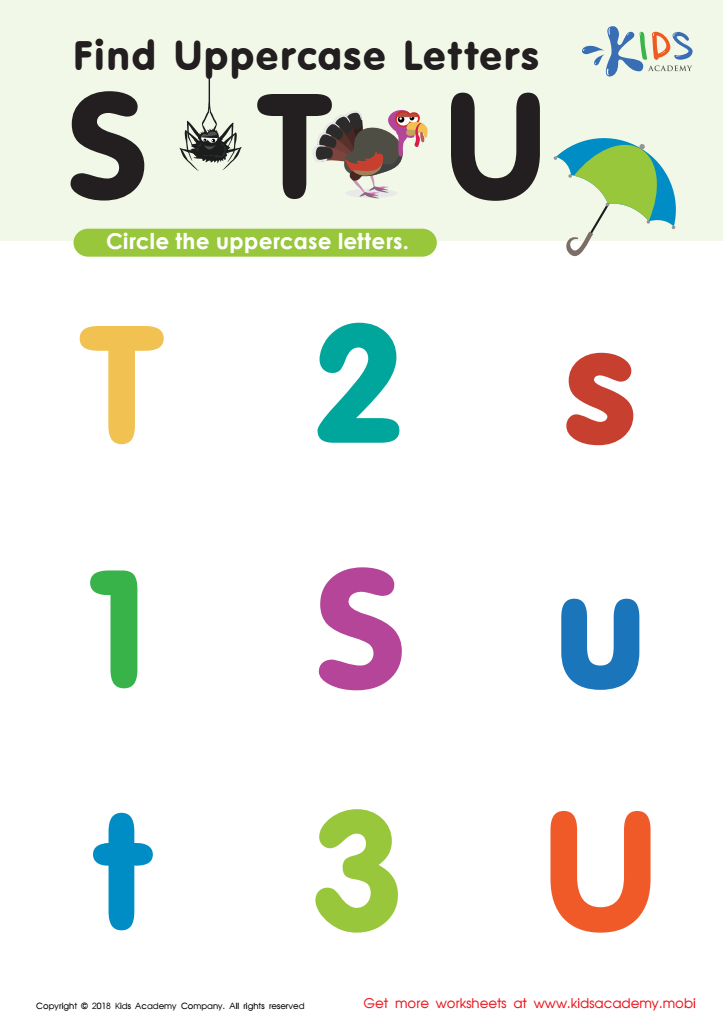
Find Uppercase Letters Worksheet
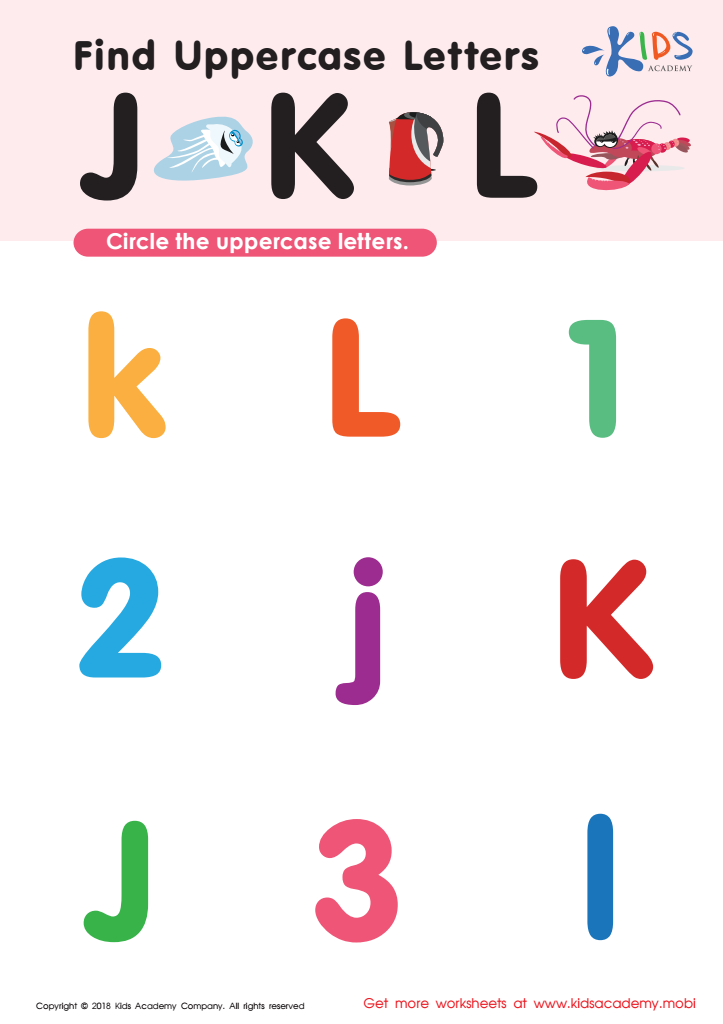
Find Uppercase Letters J, K, and L Worksheet
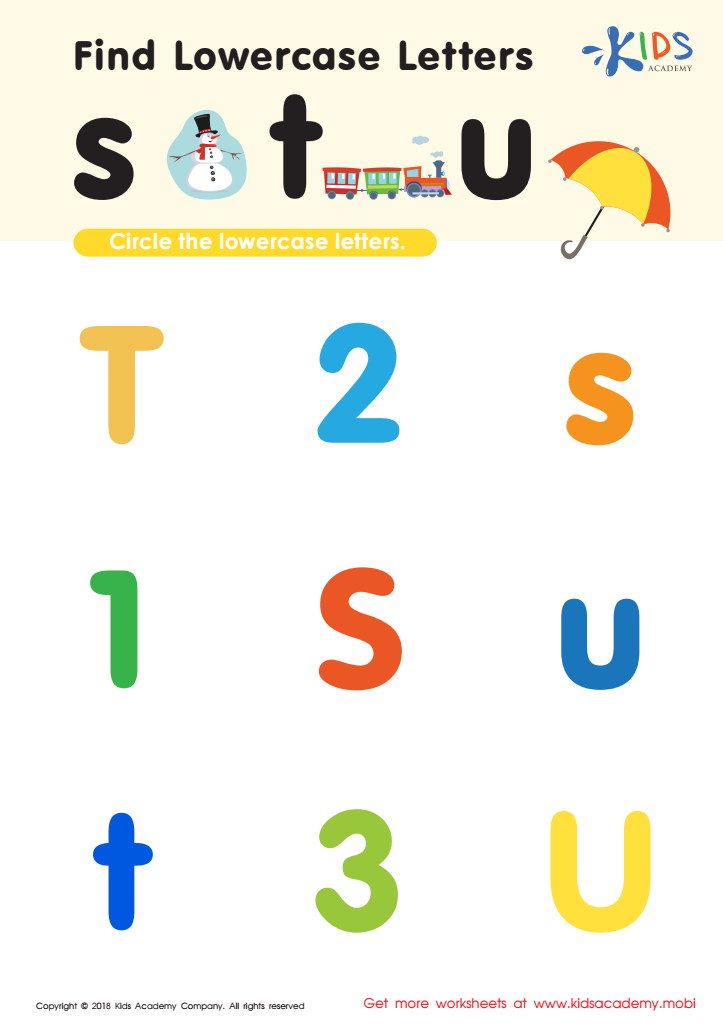
Find lowercase Letters s t u Worksheet

Find Uppercase Letters A, B, and C Worksheet

Find Lowercase Letters v w x Worksheet
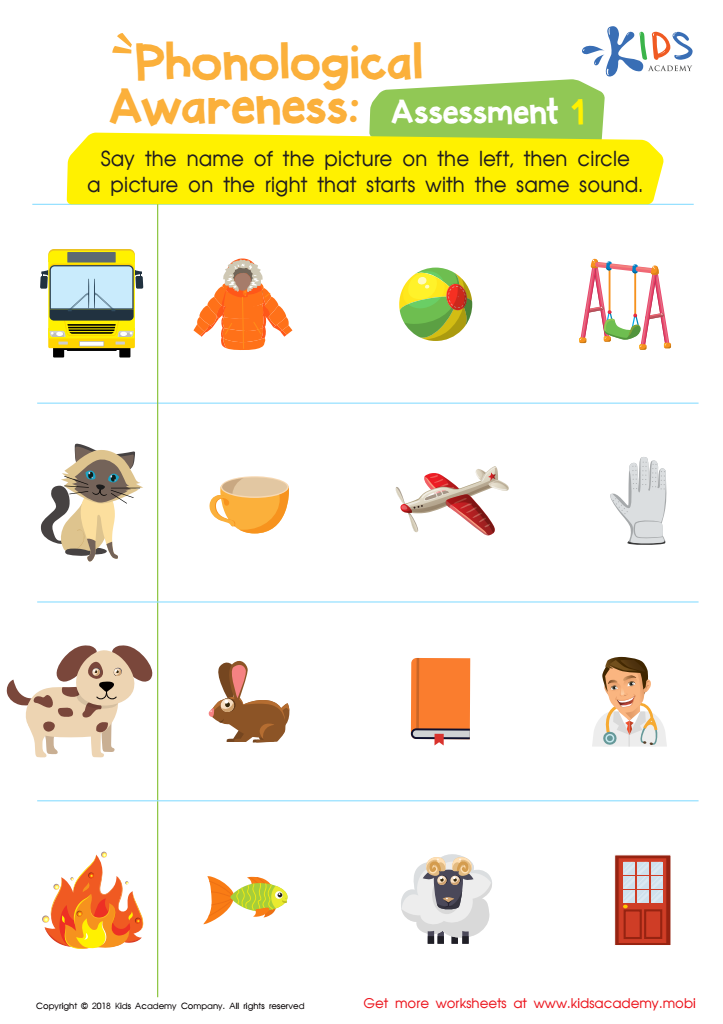
Phonological Awareness: Assessment 1 Worksheet








Alphabet familiarity is crucial for 4-year-olds as it serves as the foundation for early literacy skills. At this stage, children are rapidly developing their cognitive and language abilities. Recognizing letters and understanding their sounds enables young learners to begin decoding words, which is vital for reading and writing.
Teachers and parents should care about this because early exposure to the alphabet fosters self-confidence and a joy for learning. Engaging with letters through playful activities like songs, games, and storytelling can make the learning process enjoyable and memorable. Additionally, mastery of the alphabet assists children in transitioning smoothly to more complex literacy skills, ensuring they are well-prepared for kindergarten and beyond.
Furthermore, as many academic subjects rely on reading and comprehension, a solid grasp of the alphabet creates a stable framework for future learning. Parents and teachers can support children by creating rich language environments, encouraging discussions, and providing diverse reading materials that introduce letters in meaningful contexts. Investing time and resources in alphabet familiarity not only enhances a child's educational journey but also nurtures a lifelong love for reading and learning. Hence, it is essential for both educators and families to prioritize early alphabet education.







