Spelling Skills Normal Color Words Worksheets for 4-Year-Olds
3 filtered results
-
From - To
Boost your child's early literacy with our engaging "Spelling Skills Normal Color Words Worksheets" designed for 4-year-olds. These vibrant, easy-to-use worksheets focus on essential spelling skills, concentrating on common color words to build a foundation in language development. Perfect for young learners, these activities enhance vocabulary, recognition, and writing practice in a fun, enjoyable format. Ideal for both at-home use and classroom settings, our interactive worksheets cater to early English language learners. Strengthen your preschooler's spelling abilities while making learning captivating and stress-free. Explore our collection today and watch your child’s confidence grow!
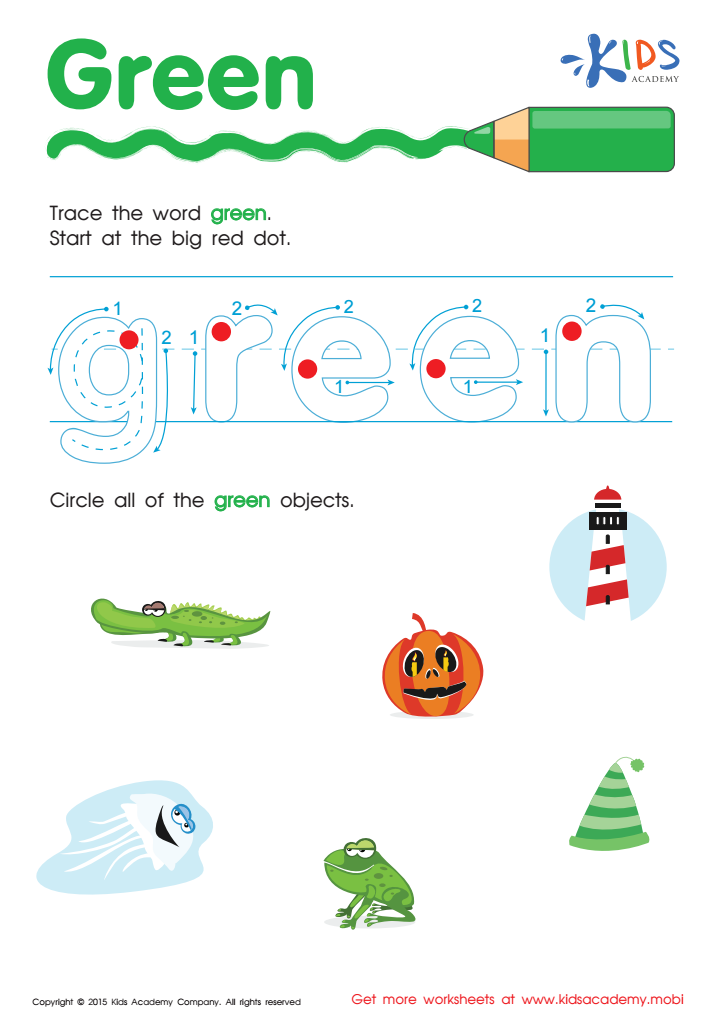
Green Tracing Color Words Worksheet
 Assign to My Students
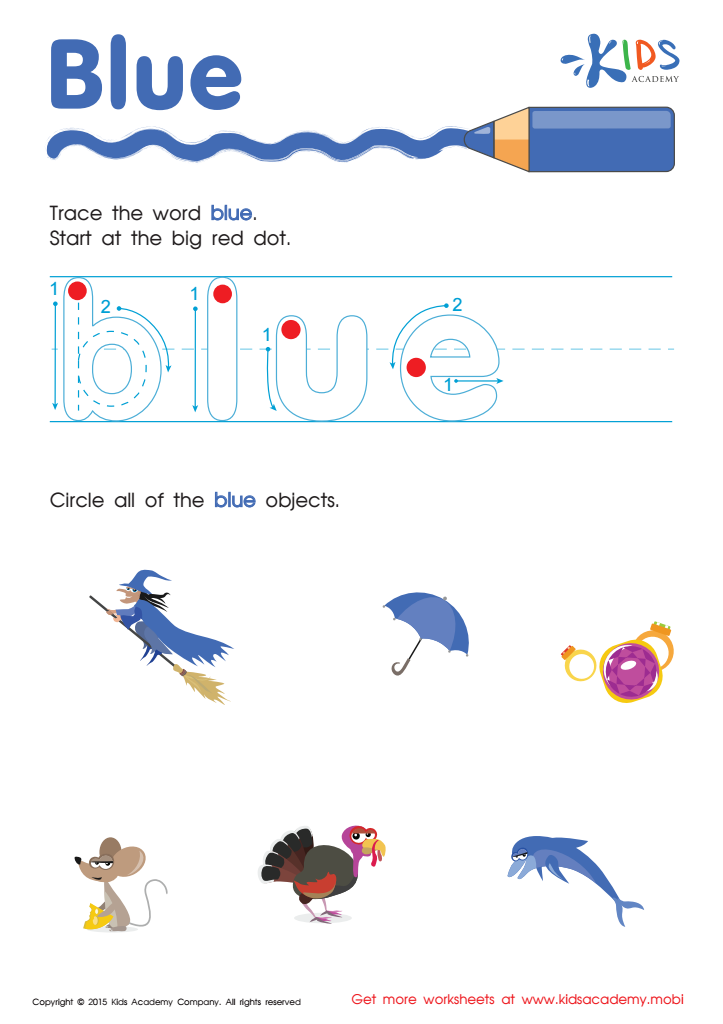
Blue Tracing Color Words Printable
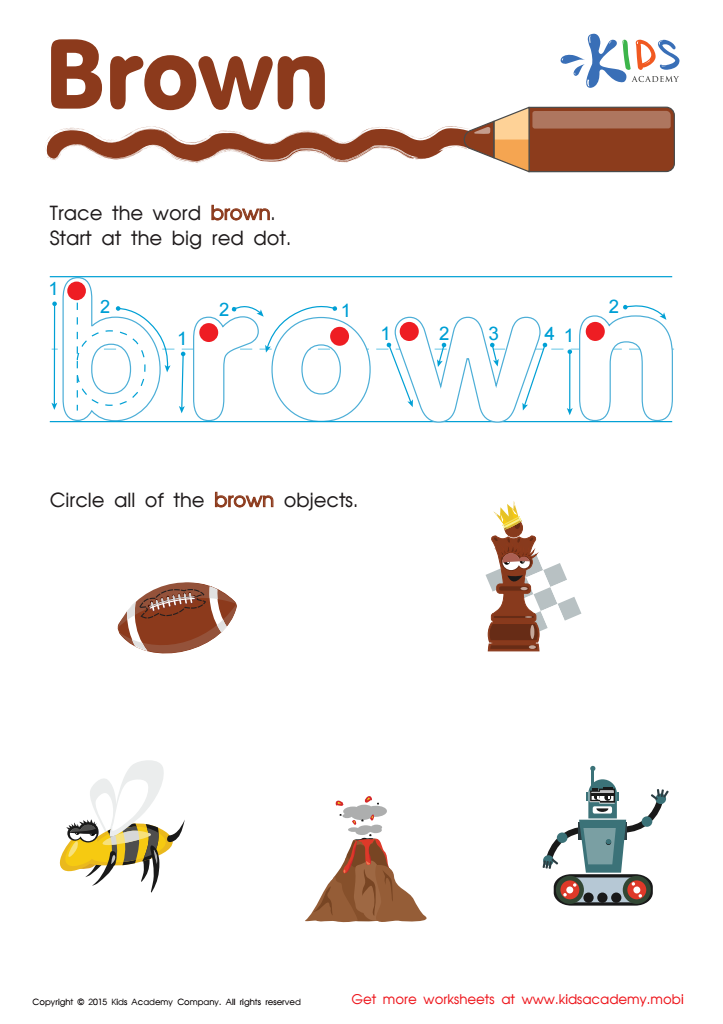
Brown Tracing Color Words Worksheet



Developing spelling skills and recognizing color words at an early age, such as for 4-year-olds, forms a critical foundation for their future literacy and cognitive development. At this stage, young children are highly receptive to learning new concepts, making it an ideal time to introduce them to the basics of language arts.
Firstly, mastering spelling helps with phonemic awareness. When children start to spell, they learn to break down words into their individual sounds, a crucial step in developing reading skills. Recognizing and spelling color words also enhances vocabulary. These words are among the first descriptive words that children can understand and use, enabling them to express their thoughts and emotions more clearly.
Secondly, color words are concrete examples of abstract concepts. Teaching them enhances color recognition and the ability to classify and categorize, which are fundamental cognitive skills. Knowing how to spell these words solidifies the connection between the visual color and its linguistic representation.
Moreover, such exercises foster attention to detail, memorization, and fine motor skills, particularly when writing. Finally, early spelling practice instills a sense of achievement and boosts self-esteem, motivating both students and teachers to continue exploring the wonders of language together. Engaging in these activities creates proactive learners equipped for future academic challenges.








