Basic Addition Skills Normal Worksheets for 4-Year-Olds
5 filtered results
-
From - To
Unlock your child's potential with our Basic Addition Skills Normal Worksheets designed specifically for 4-year-olds. These engaging and colorful worksheets make learning addition fun and accessible. Perfect for preschoolers, they support early math skills through simple exercises that encourage number recognition and counting practice. With a variety of activities including visuals and interactive elements, young learners will build confidence as they explore basic math concepts. Parents and educators can seamlessly integrate these worksheets into daily learning routines. Empower your child’s mathematical foundation today and watch them thrive in their educational journey with our expertly crafted resources.
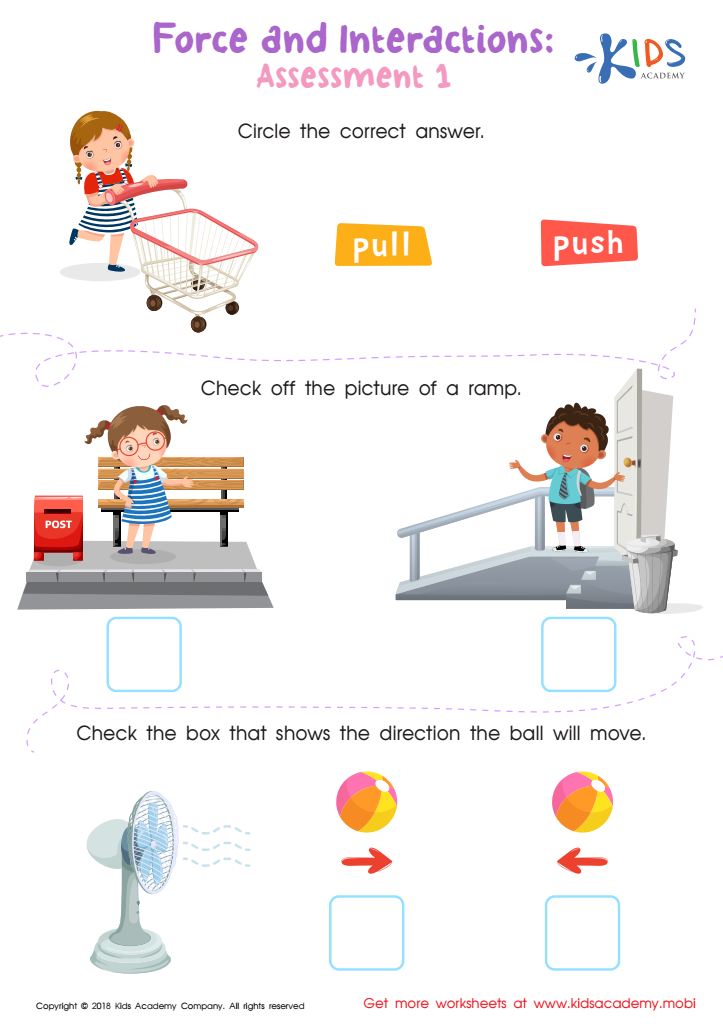
Force and Interactions: Assessment 1 Worksheet
 Assign to My Students
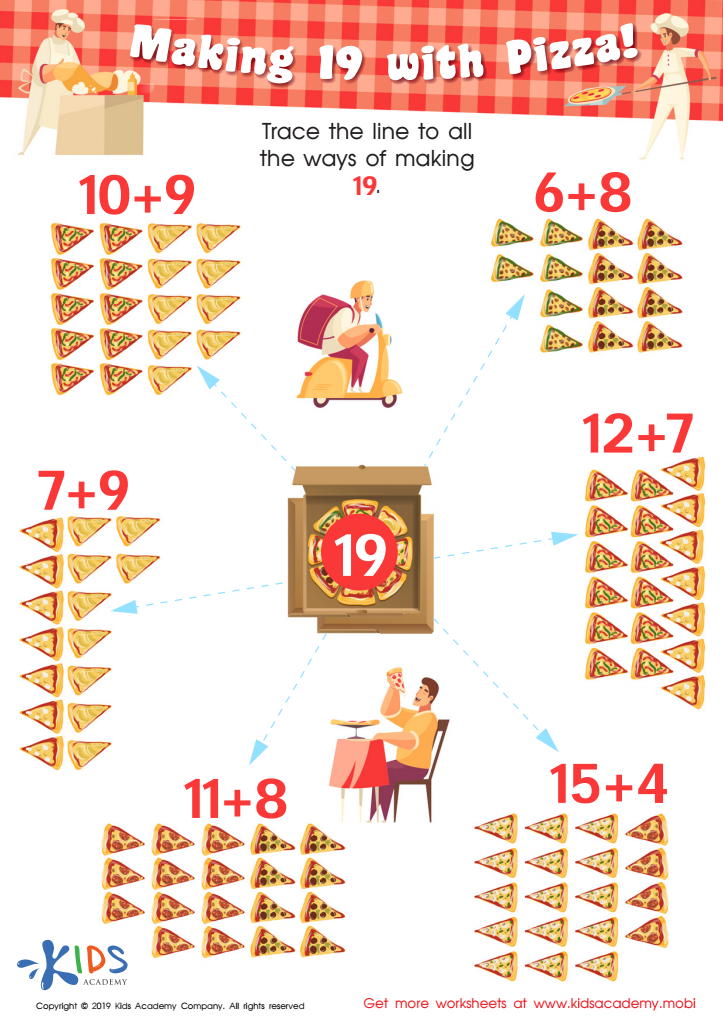
Making 19 with Pizza! Worksheet
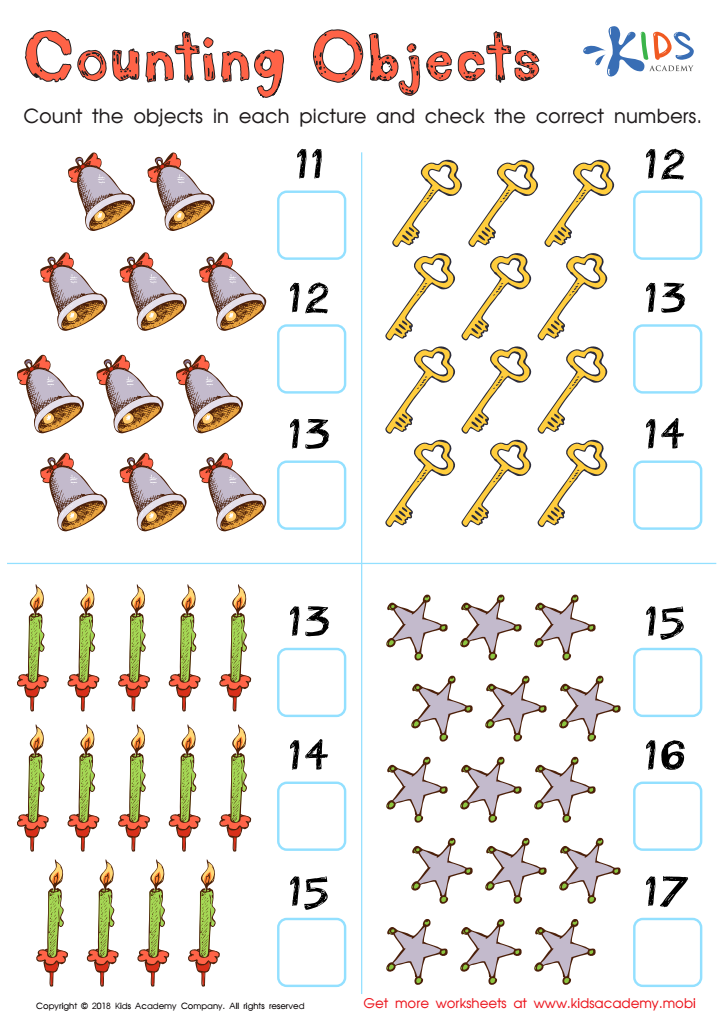
Counting Numbers Worksheet For Kindergarten
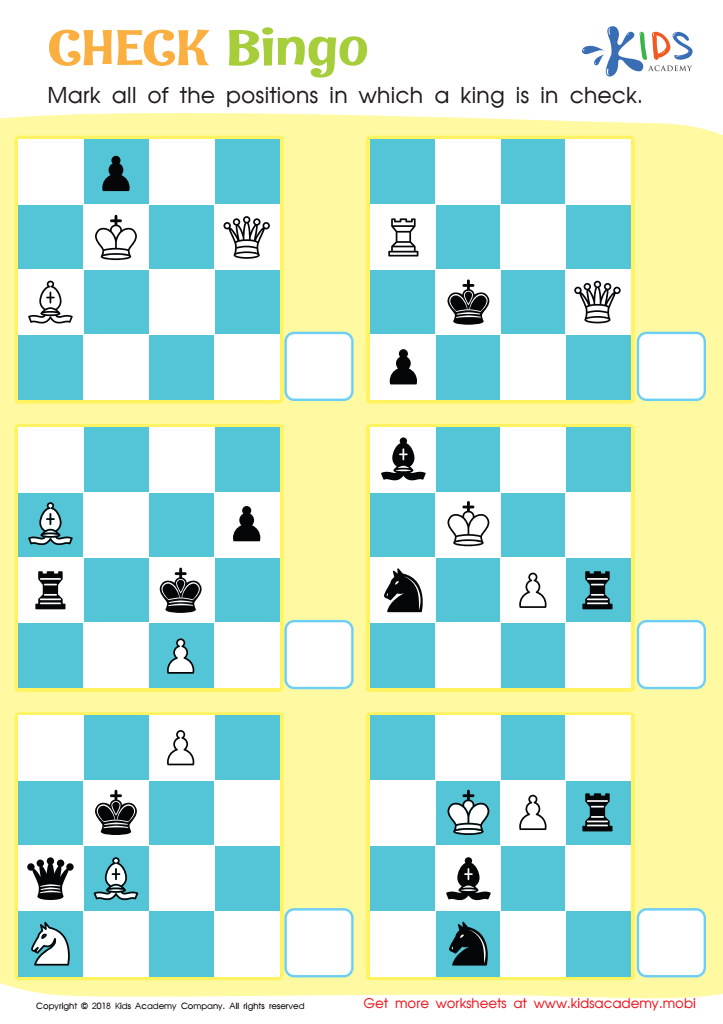
Check Bingo Worksheet
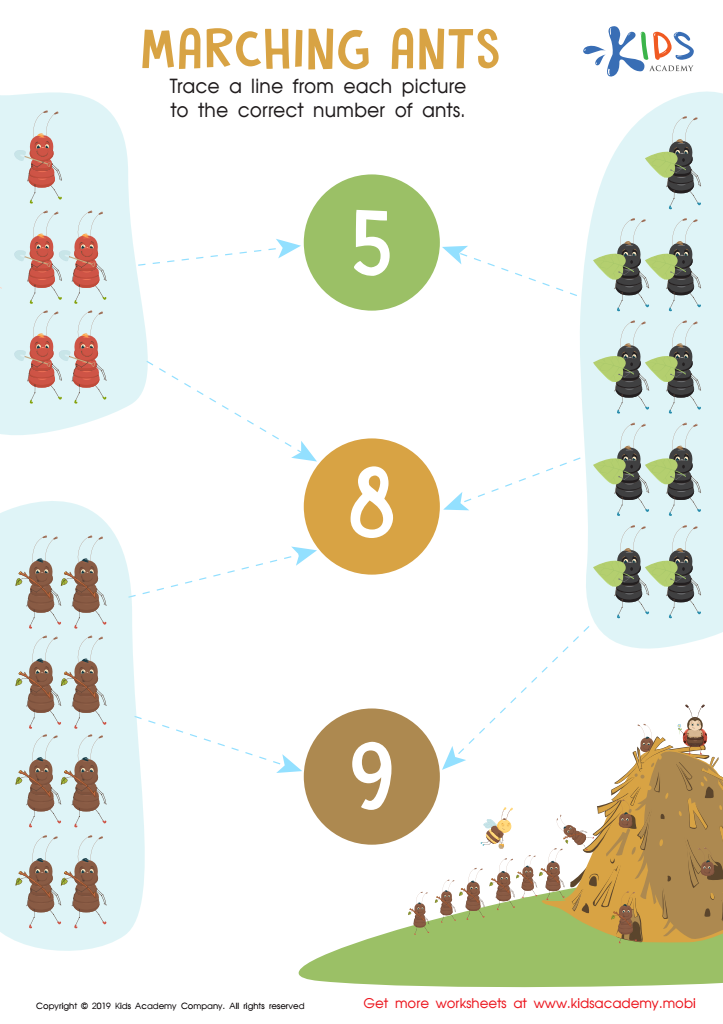
Marching Ants Worksheet








Parents and teachers should prioritize basic addition skills for 4-year-olds because early mathematical understanding lays the foundation for all future learning. At this age, children are naturally curious and keen to explore numbers, shapes, and patterns. Introducing simple addition concepts—like combining objects or counting can help develop essential cognitive skills such as problem-solving and logical reasoning.
Mastering basic addition fosters a sense of accomplishment and boosts children's confidence in their academic abilities. When children grasp these fundamental concepts early on, they are better prepared for more complex math tasks in later grades, reducing anxiety and promoting a positive attitude towards learning.
Additionally, early math skills are closely linked to later success in not just mathematics, but in overall academic achievement. Engaging in playful, interactive activities that involve addition, such as counting blocks or adding snacks, makes learning enjoyable and relatable. Parents can integrate these skills into everyday activities, making math a natural part of daily life.
Involving parents and teachers in this process ensures a consistent and supportive environment, ultimately aiding in each child’s development and readiness for future educational challenges. By fostering these skills, we help nurture well-rounded, confident learners.








