Hand-eye Coordination Normal Worksheets for 4-Year-Olds - Page 2
26 filtered results
-
From - To

Long and Short E Worksheet
 Assign to My Students

Letter D Tracing Page


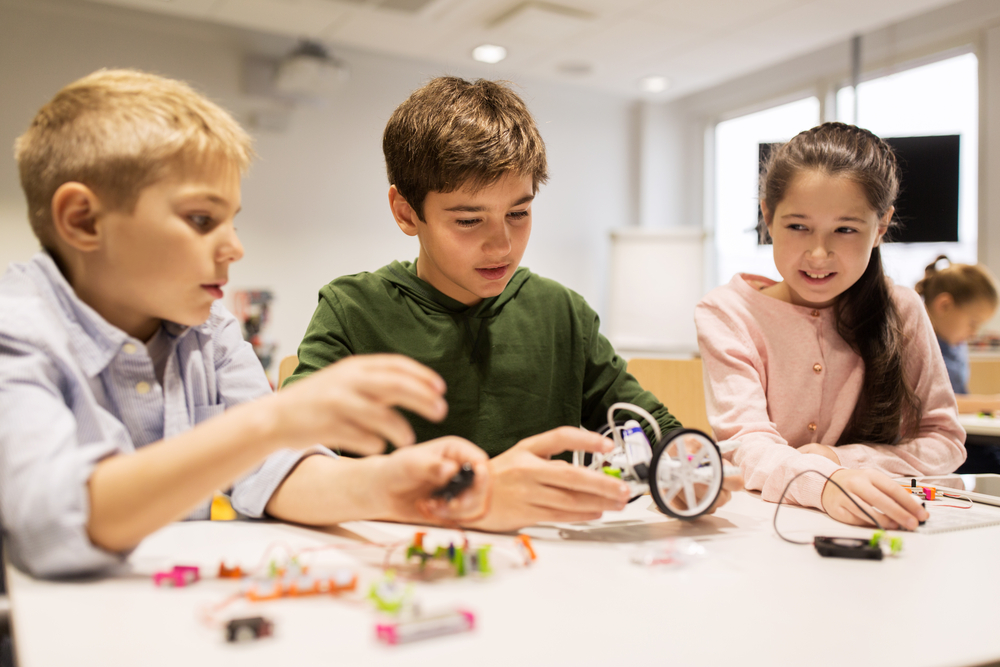


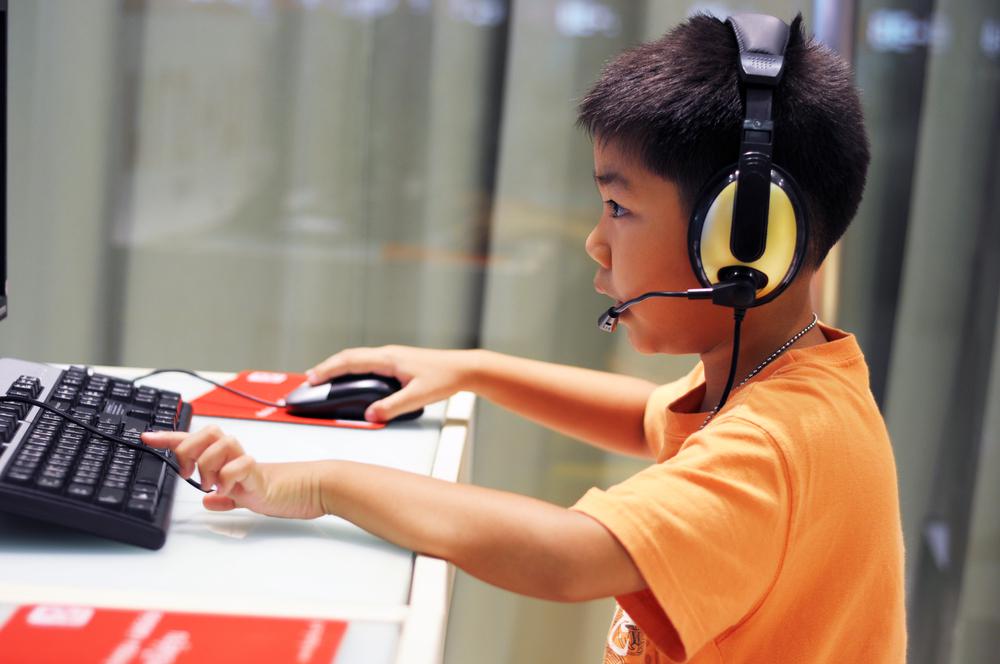


Hand-eye coordination is a vital skill for 4-year-olds, as it serves as a foundation for both academic and everyday activities. Parents and teachers should prioritize its development because it significantly influences a child's capacity to engage in tasks like writing, drawing, and using tools safely. Effective hand-eye coordination enhances fine motor skills, allowing children to manipulate objects, manage buttons, or tie shoelaces with greater ease.
Moreover, this skill supports essential social interactions. Children with refined hand-eye coordination may participate more confidently in play and group activities, fostering teamwork and communication skills. As they engage in games that require precise movements, they build resilience and learn to navigate challenges.
Additionally, hand-eye coordination is crucial for early literacy. Activities such as cutting, coloring, and tracing directly contribute to writing skills, influencing a child’s future academic success. Early intervention in developing these skills can preempt later difficulties.
In essence, by nurturing hand-eye coordination, parents and teachers equip children with the tools necessary for cognitive, physical, and social development, paving the way for a well-rounded learning experience. Ensuring these skills are cultivated sets the stage for a child's future achievements in various aspects of life.








