Improving vocabulary Normal Worksheets for 4-Year-Olds
4 filtered results
-
From - To
Enhance your 4-year-old's vocabulary with our fun and engaging normal worksheets! Designed specifically for early learners, these colorful and interactive activities help children explore new words through various exercises. They'll enjoy matching words with pictures, fill-in-the-blank challenges, and simple word games that stimulate their language development. Our worksheets cater to different learning styles, making vocabulary building an enjoyable experience for every child. By incorporating these exercises into your child's routine, you'll foster a love for words and boost their confidence in communication. Visit us now to access the full range of vocabulary worksheets that make learning enjoyable and effective!
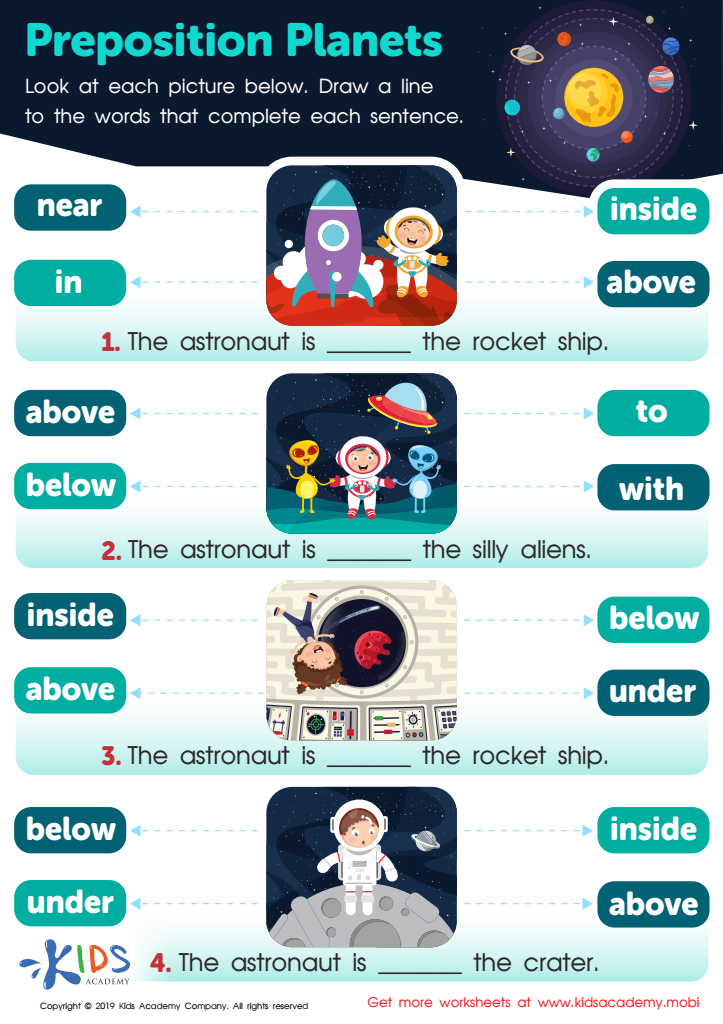
Preposition Planets Worksheet
 Assign to My Students
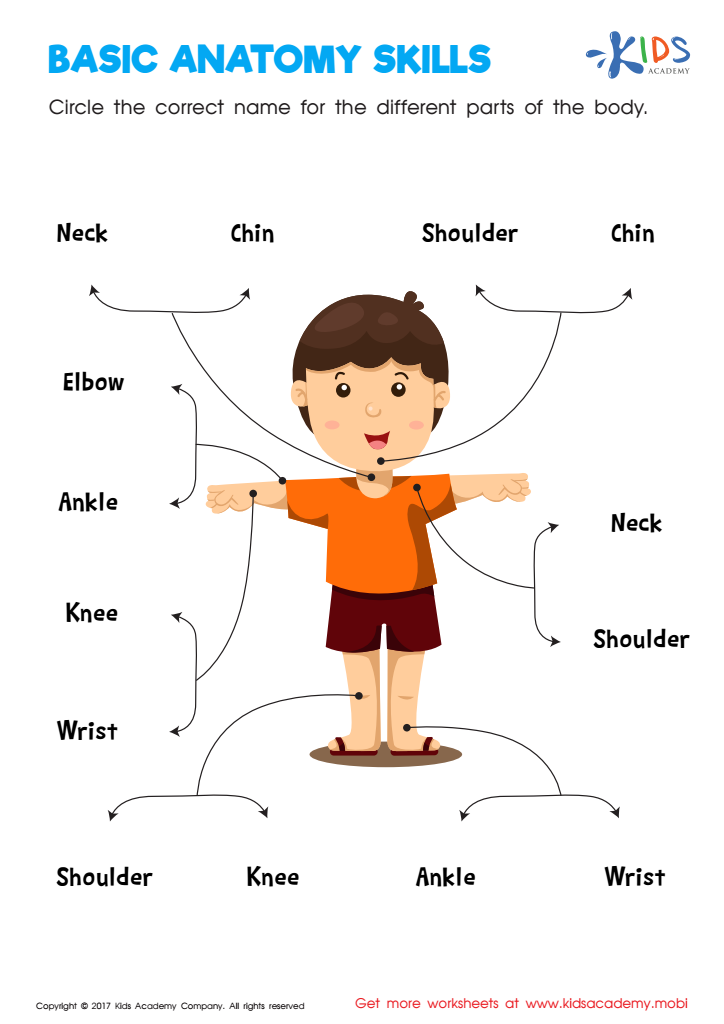
Basic Anatomy Skills Printable
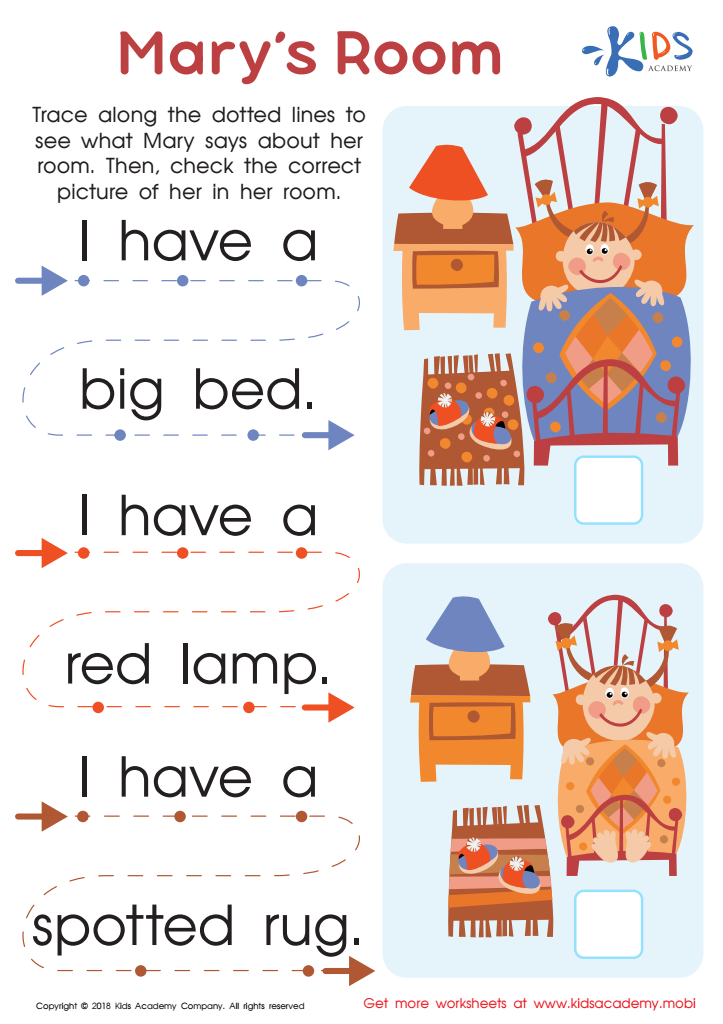
Mary's Room Worksheet
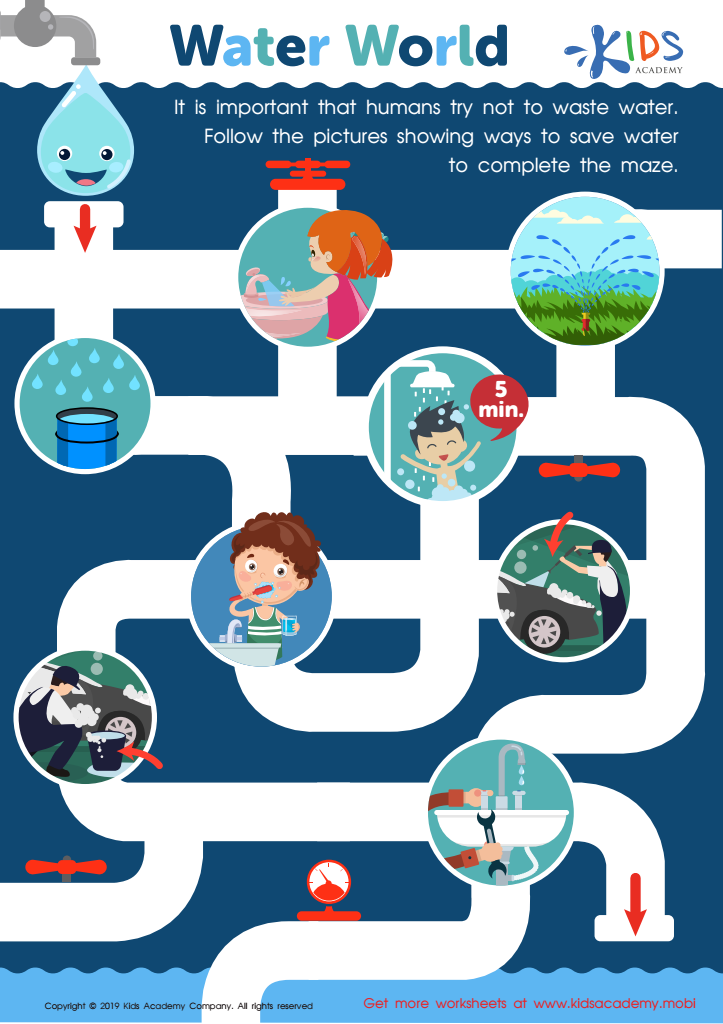
Water World Worksheet






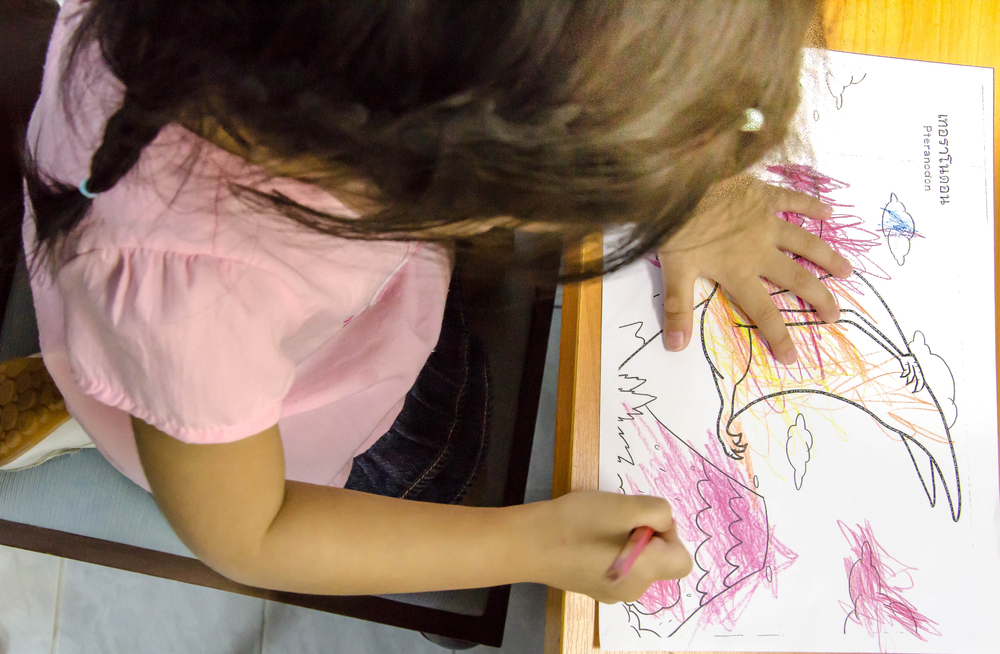
Improving vocabulary in 4-year-olds is crucial for several reasons. At this developmental stage, children are rapidly acquiring language skills, which form the foundation for effective communication and cognitive development. A rich vocabulary enhances their ability to express thoughts and feelings, fostering self-confidence and social interactions. When parents and teachers prioritize vocabulary improvement, it paves the way for more meaningful conversations, encouraging children to articulate their needs and ideas clearly.
Moreover, vocabulary growth is closely linked to literacy skills. Children with extensive word knowledge are better prepared for reading and writing, which are essential for academic success. By engaging in playful and interactive language-building activities—such as reading together, singing songs, and playing word games—adults can introduce new words naturally, making learning enjoyable and effective.
Lastly, a robust vocabulary enables children to comprehend their surroundings better and build critical thinking skills. As they learn to categorize words and concepts, they begin to understand relationships between ideas, which is fundamental for problem-solving. For all these reasons, parents and teachers should actively participate in vocabulary enhancement efforts, ensuring that children develop the language skills necessary for future learning and personal growth.








