Number Sequencing Normal Worksheets for 4-Year-Olds
6 filtered results
-
From - To
Introducing our engaging Number Sequencing Normal Worksheets designed specifically for 4-year-olds! These worksheets are perfect for young learners to develop essential mathematical skills in an interactive way. Children will explore sequences of numbers through fun activities, enhancing their counting and pattern recognition abilities. Our colorful worksheets feature playful themes that capture young minds, encouraging them to practice and improve their number sequencing skills while having fun. Ideal for homeschooling or classroom settings, these resources provide a solid foundation for future math success. Download and print our worksheets today to support your child’s early math journey in an enjoyable and effective manner!
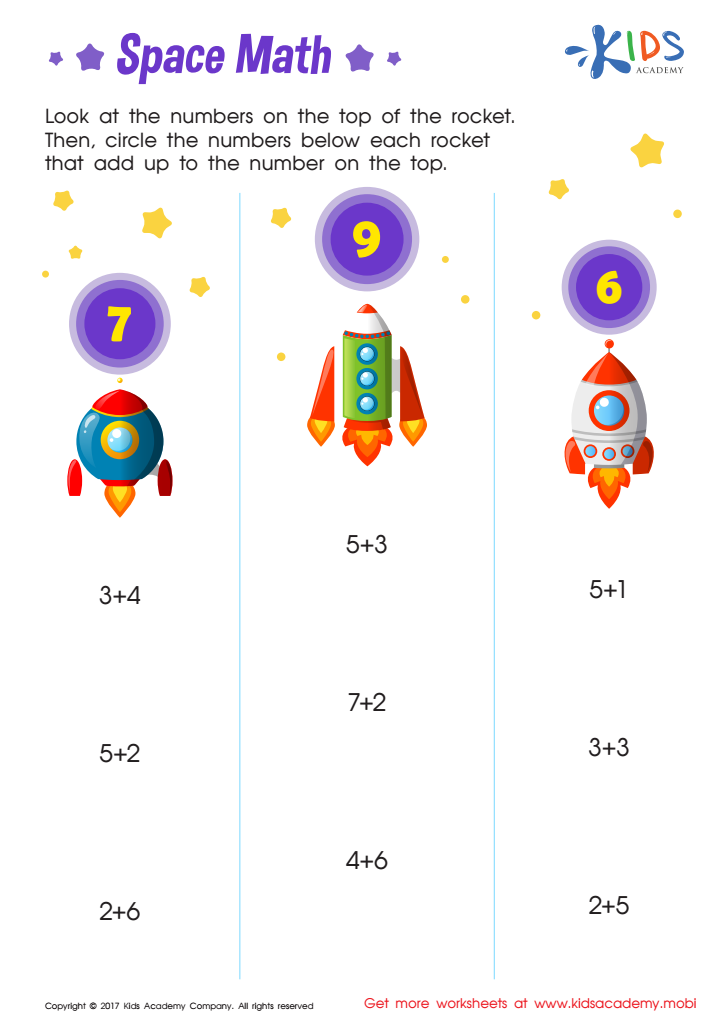
Addition: Space Math Worksheet
 Assign to My Students
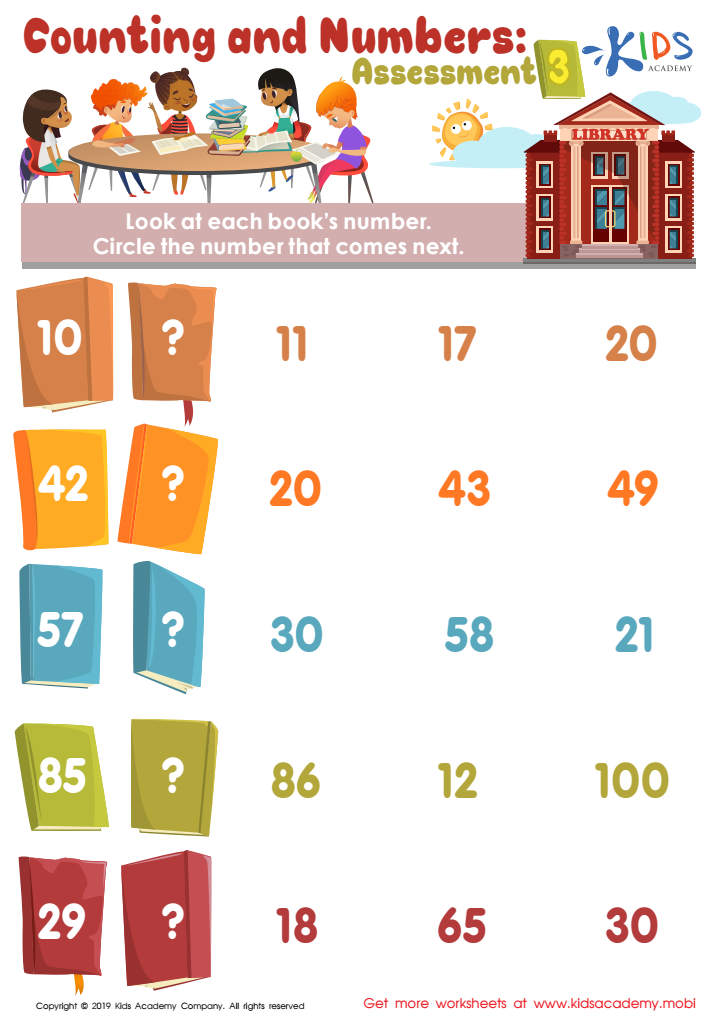
Counting and Numbers: Assessment Worksheet
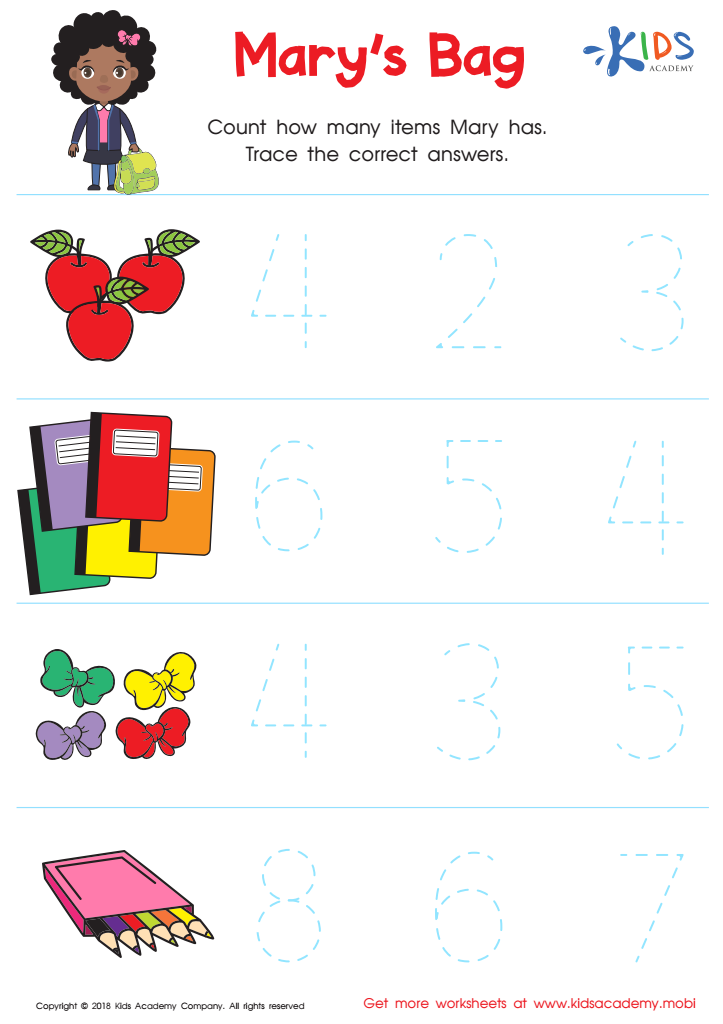
Kindergarten Number Tracing: Mary's Bag Worksheet
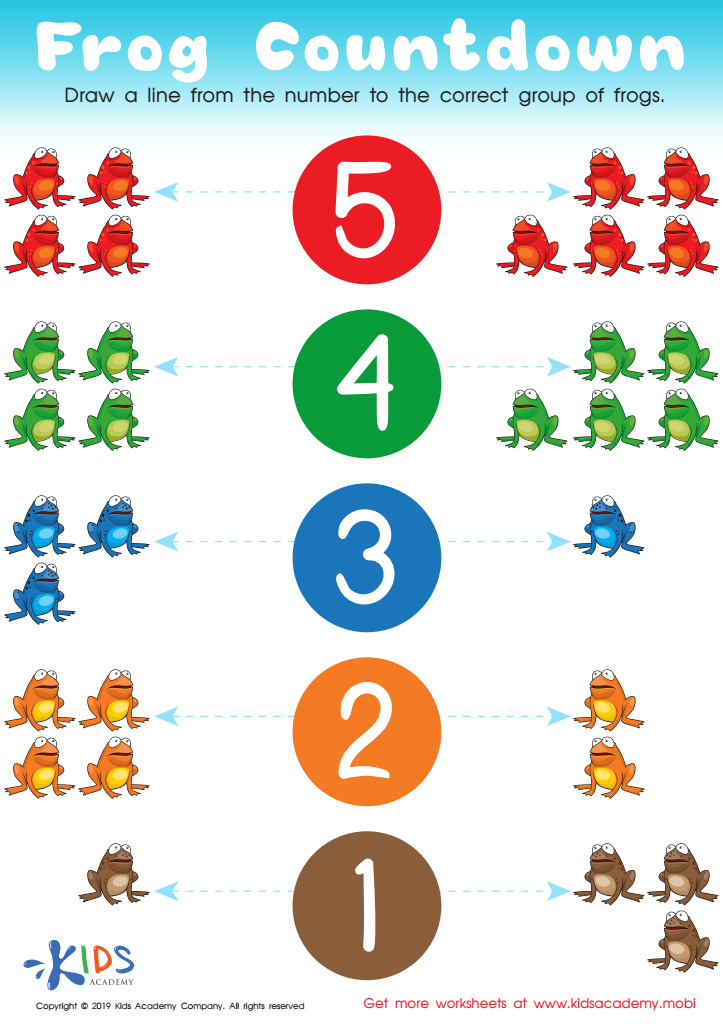
Frog Countdown Worksheet
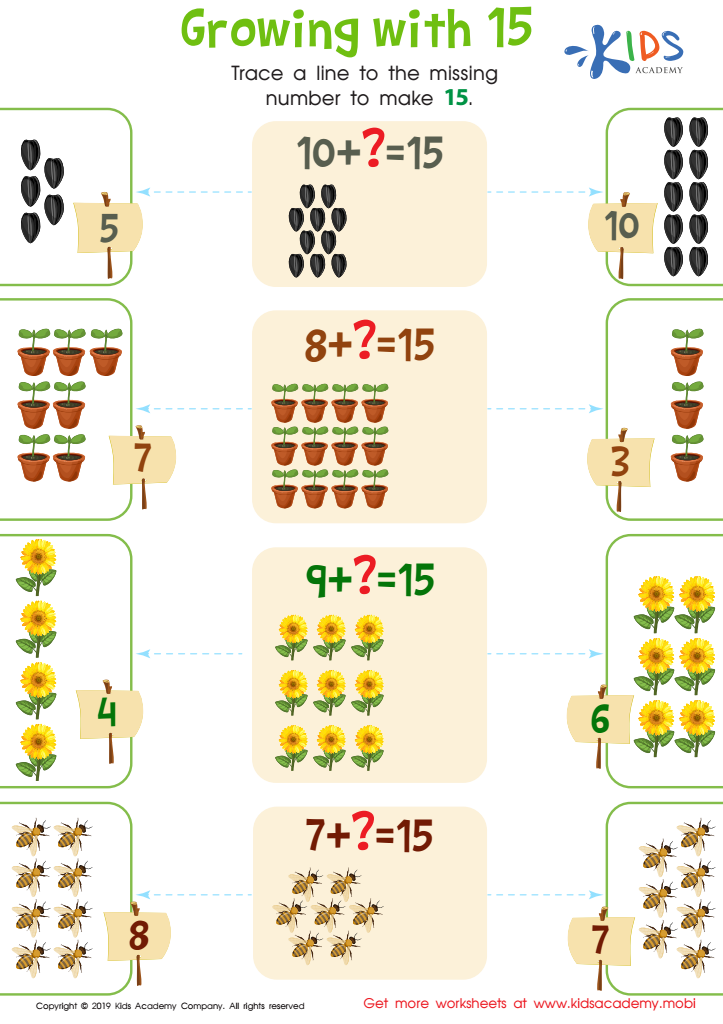
Growing with 15 Worksheet
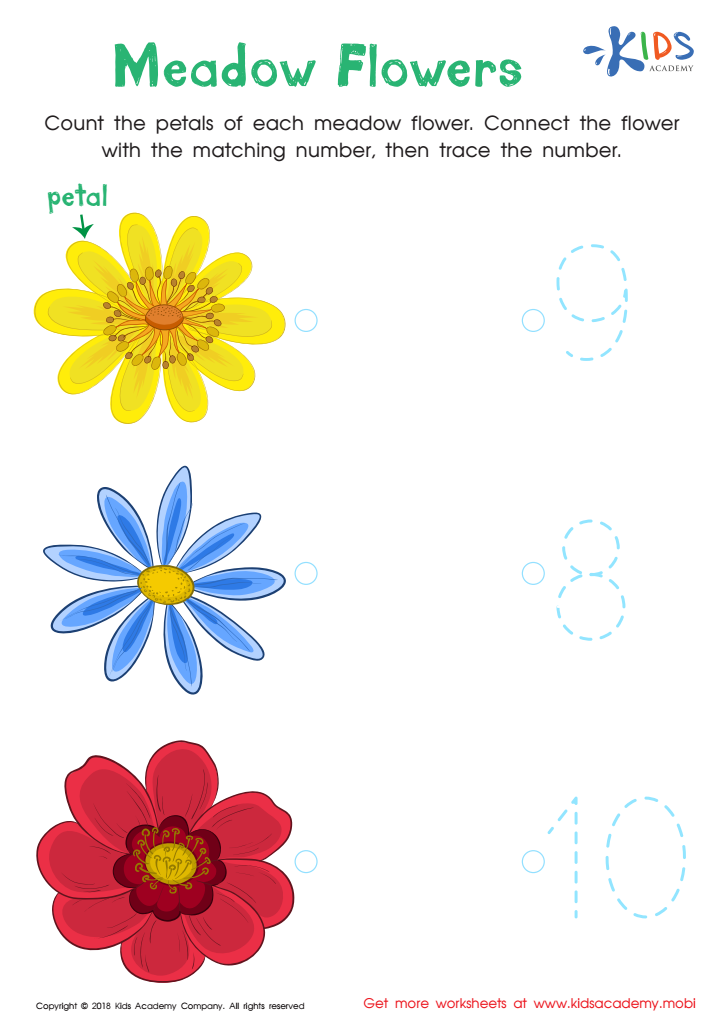
Kindergarten Number Tracing: Medow Flowers Worksheet






.jpg)

Number sequencing is a fundamental skill that serves as a building block for a child’s mathematical understanding. For 4-year-olds, developing this skill is crucial as it enhances their cognitive abilities and lays the groundwork for future learning. Parents and teachers should care about number sequencing because it fosters critical thinking and boosts problem-solving skills. When children engage in number sequencing activities, they learn to recognize patterns, which can improve their memory and attention to detail.
Moreover, number sequencing introduces young learners to the concept of order and organization—skills that are essential not only in mathematics but in everyday life. Mastering this skill at an early age can lead to greater confidence in their abilities, reducing anxiety as they encounter more complex mathematical concepts later on.
Early exposure to number sequencing allows parents and teachers to identify learning needs and tailor their approaches accordingly. It can also serve as an engaging educational tool, as fun activities and games related to sequencing can make learning enjoyable. Overall, by nurturing number sequencing skills, adults help children develop a strong foundation for cognitive, social, and academic growth, better preparing them for their educational journey ahead.








